Defensive Aggression in Dogs
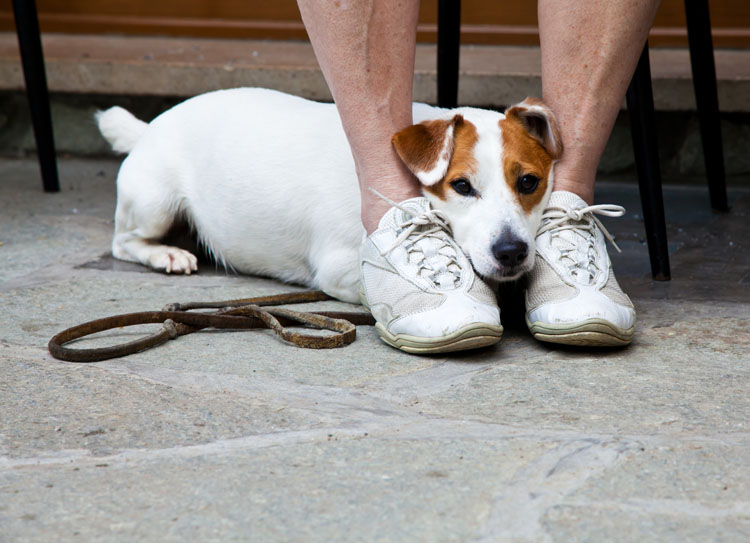
This breaks my heart. Defensive dogs are begging to be left alone because they’re terrified. Before preventing or managing defensive dog aggression, learn how to identify and understand the cause of defensive dog aggression.
What is Defensive Dog Aggression?
Defensive means to defend oneself. Aggression means “hostile or violent behavior toward something.” When combined, defensive aggression means defending oneself by using aggression. Every living being has an automatic defensive response when encountering a perceived threat; we flee, fight or freeze. This reaction is hardwired into our brains. It’s a defense mechanism. We flee if this is an option. If not, we freeze or fight.
Defensive aggression encompasses all three reactions: fight, flee and freeze. If your dog displays any one of these three reactions, he’s scared. Remove him from the situation immediately. When polling pet parents during my group classes, most label “fight” as defensive aggression, as this is the most problematic of the three. Usually, pet parents ignore “flee” and “freeze” because they’re unaware these components are, indeed, a part of defensive aggression.
During safe puppy play, puppies practice these behaviors if they’re unsure they will “flee” or “freeze.” Other puppies learn what these behaviors mean and ignore the scared puppy. If the other playing puppies ignore “flee” or “freeze” behavior, the scared puppy is most likely to “fight.” While pet parents think, “Good. This puppy is teaching my bully puppy a lesson,” the scared puppy is actually learning offensive aggression, meaning if I attack when scared, it works. Yikes! This is the perfect recipe for dog aggression behavior. That’s why puppies should only play during safe play sessions organized by professional dog trainers.
Preventing Defensive Aggression in Dogs
Listen to your dogs. If they’re scared or nervous, remove them from the situation. Remember, defensive aggression happens when your dog is cornered by a perceived threat. If he can’t get away, he will resort to aggression. Dogs don’t understand that veterinarians are trying to help him. They feel cornered and don’t want to be there any longer.
Flight (Flee)
When given the opportunity, most dogs will flee. If not, they will either freeze or fight. Usually a dog will lower herself to the ground, tuck her tail, lean back from the scary trigger and run. If the scary thing catches up, she will freeze, then try to run away again. If the scary thing keeps chasing her, and “flee” and “freeze” are not working, she will fight.
Freeze
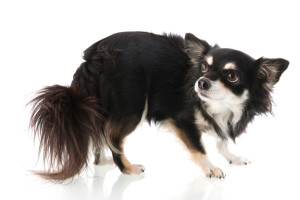
Just as the word describes, “freeze” means a dog will stop and stand completely still. This makes the hair on the back of my neck stand straight up. Yikes! This dog is terrified. If this happens, remove your dog from the situation immediately. If pushed, a “freeze” will turn into a fight. Their options have been limited.
Tips on removing a dog from a scary situation:
- Small to medium size dogs: Pick them up and hold at chest level. Don’t forget to tuck the tail in too. It’s no fun having a bully pull at your tail.
- Large to giant dogs: Step in between dogs and grab the bully dog’s collar. Ask someone to come over and grab the bully’s collar so you can leash your dog. Leave the area while the bully dog is being restrained by the collar. Most folks try to grab their scared dogs, but that only aids bully dogs in pinning your dog down. Grab the bully instead.
Leash reactivity is a newer phenomenon; dogs are unable to “flee” from approaching strange dogs or people because they’re attached to a leash so most will “fight.“ Dogs then learn to bark, growl or lunge at other dogs or people, when on leash, because they know they can’t “flee.” This is an example of offensive aggression.
Fight
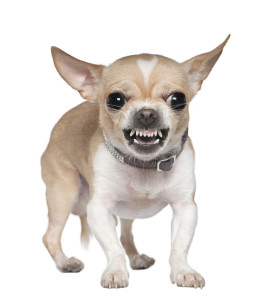
Dogs will fight as a last resort when feeling threatened. Now, some dogs may choose to “fight” before “freezing” or “fleeing.” Usually, these dogs have underlying anxiety issues, meaning they’re in a constant state of “flee” or “freeze” behavior. You never want it to get this far. Your dog is basically fighting for his life; he is terrified.
Managing Defensive Aggression
Listen to your dog. Be his voice.
- If your dog is stressed when another dog approaches, turn around and walk the other way.
- When a strange person tries to pet your dog and she moves away, support her decision. Never force your dog to meet or accept petting.
- During play, never allow your dog or puppy to be bullied. When in doubt, end the play session.
- Use yummy treats at the vet’s office. Practice body handling and restraint at home. Several times a week, pop in for fun vet visits, such as standing on the scale, reception folks giving out treats and so forth. Trust me, your vet wants dogs to have positive experiences. It’s no fun restraining frightened dogs. 🙂
Be your dog’s voice.