Rotate Dog Food Like a Pro
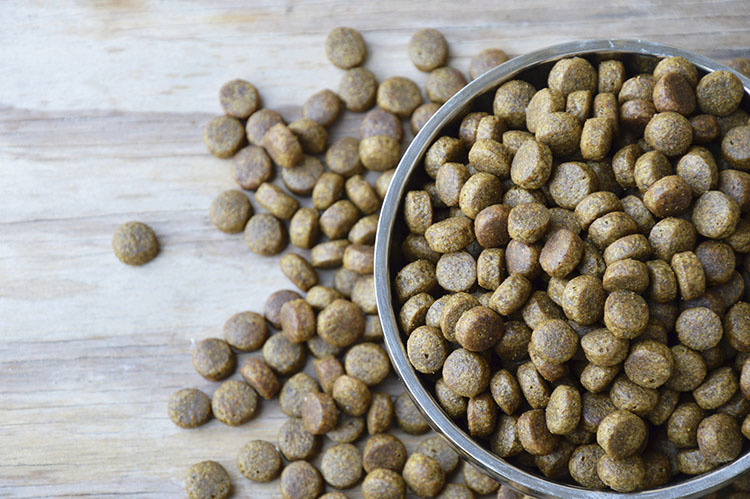
You’ve probably heard the benefits of rotating dog food and the benefits make total sense. Now, I’ve attempted to find hard facts and research on this subject, but there’s simply no research—at least that I could find—on the benefits of rotating different types of food in your dog’s diet. However, a rotation diet for dogs makes sense if you think about it. I know many holistic veterinarians, including mine, who highly recommend it.
Why Rotate Dog Food?
We all know the secret to a healthy life is eating nutrient-dense food that provides adequate amounts of vitamins and minerals. The best way to absorb different vitamins and minerals is by eating a diet with a variety of proteins, fruits, grains, vegetables and fats—we learned this in elementary school. With that idea in mind, it makes perfect sense to rotate food in the dog world too.
When pet owners rotate different proteins, carbs and fats in and out of their dog’s bowl every few months, their dog benefits by consuming and absorbing needed nutrients from a variety of dog food ingredients since each ingredient offers a different nutritional profile. Chicken contains higher levels of tryptophan than fish while organ meat has higher amounts of vitamins than flesh. By rotating your dog’s diet every couple of months, you’re ensuring your dog adsorbs different nutrients, which keeps food allergies at bay.
RELATED: Can Dogs Eat Mushrooms?
Which Dog Foods Should You Rotate?
Most veterinary nutritionists and holistic vets recommend rotating different proteins every couple of months for best results. You can switch proteins between one brand or, better yet, switch proteins within different brands of dog food. When you switch to a different brand, you’re exposing your dog to different carbs and fats that are sourced differently than if you had switched within a single brand of dog food.
To explain further, most dog foods source carbs and fats from the same place and add different flavors from their line of dog food as needed. By rotating a different brand of kibble, your dog is exposed to carbs and proteins sourced from a different area.
RELATED: Raw Dog Food: Not All Dogs Can Eat It
How to Switch Your Dog’s Food
Every 2 to 3 months, choose a high-quality kibble and slowly introduce it into your dog’s diet over a period of 7 days. Slowly add the new kibble into your dog’s diet with your goal as serving 50% new food and 50% old food by day 5. Continue to gradually increase your dog’s new food while decreasing the amount of old food until your dog is eating 100% of his new food.
Now, some dogs may need more time to adjust to a new food, so move slowly and don’t worry if it takes 10-15 days to switch over. Switching foods slowly prevents your dog from getting an upset tummy, so take your time. Also, adding probiotics to your dog’s diet will help the process a bit too.
Rotating Dog Food Might Not Work for All Dogs
Oh, did I learn this lesson the hard way! Always listen to your dog. Sometimes, it’s impossible to switch your dog’s food without causing weight loss or an upset tummy. If your dog can only eat a specific food due to allergies or an easily upset tummy (i.e. IBD, IBS), then there’s nothing wrong with feeding your dog the same diet every day. In this case, a rotation diet is not worth causing flare-ups.
