Dog Training Nation

In Dogs We Trust

  • Home
  • Training
    • Dogs
    • Puppies
    • Clients
  • Behavior
    • Breeds
  • Health
  • Safety
  • Resources
    • Equipment
    • Books
  • Dog Training Videos
  • About
You are here: Home / Archives for Fanna Easter

Why Do Dogs Hump?

January 25, 2015 by Fanna Easter

Humping Dogs: It’s Not What You Think!

Why Do Dogs Hump
It’s just play behavior. Nothing more. 🙂

Oi! If you want to see puppy pet parents run, it’s when their puppy humps or is being humped during puppy playtime. Dogs humping is not what you think. It’s meaningless behavior, I promise!

It’s not a status thing and it has nothing to do with dominance, as most people assume. That stuff is outdated information. We do know both males and females participate in this behavior and spaying or neutering does not decrease a dog’s likelihood for humping.  

Puppies

Most puppies hump when playing. It just happens. They practice different play techniques. Each technique is designed to elicit play behavior, such as pawing at a puppy’s face, play bowing and then the dreaded humping. Humping usually begins during an intense play session when puppies are overly excited and tired. Geez, humping is usually contagious. Once a puppy starts humping, bingo! Everyone decides to try it out.

Dogs

Adolescent and adult dogs hump because, well, they never read the pet parent’s manual, in which folks find it disturbing. Plus, their playmates were totally fine with it. As long as fun play continues, who cares what you’re doing, right? If another dog finds humping irritating, he will surely inform the humper and the behavior stops.

Stress

For some dogs, humping may be due to stress just like excessive grooming or whining. I’ve noticed an increase in humping when new guests appear, such as a new baby or dog. It’s usually preempted by a disruption in a dog’s life. Note humping for what it is. In this case, it’s stress so redirect his stress with additional walks, mental stimulation and alone time with you.

RELATED: Multiple Dog Household Tips

Managing Your Humper

If humping annoys and embarrasses you, redirect your dog to do something else. When he starts humping an object, such as a pillow or toy, interrupt the behavior with a quick game of “touch.” If stress is causing the behavior, then redirecting his attention will help reduce anxiety.

You can use the “touch” game to redirect your dog away from another dog, cat or person. Use extra yummy treats and reward often. This keeps him engaged with you and he’ll soon forget about humping.

Want More Information?

Humping is meaningless behavior. Think of it as little girls braiding each other’s hair or boys arm wrestling– it’s just a game. However, if you seek additional information, check out H*umping by Julie Hecht. All your humping questions and concerns will be answered. 🙂

You may also like: Anxious Dog Tips

Filed Under: Behavior, Puppies, Training Tagged With: cat humping dogs, dog humping toy, how to stop dogs from humping, humping dogs, humping puppies, people humping dogs, what to do about dog humping, why dogs hump, why my puppy humps a pillow, why puppies hump

Puppy Teething

January 25, 2015 by Fanna Easter

Ease Your Puppy’s Gums During Teething

Puppy Teething
duben/Deposit Photos

Does your puppy resemble a cranky teething toddler? Poor puppy. It’s so painful losing teeth. Try these home puppy teething remedies to ease aching gums during the teething process.

Puppy Teeth

Deciduous teeth, commonly referred to as primary teeth, begin erupting around three weeks of age. Puppies begin losing these sharp little things around four months of age. Usually, the incisors (top and bottom front teeth) loosen and fall first. Then, between four to five months, premolars fall out followed by canines around six to seven months old.

The kicker, aside from primary teeth falling out, is erupting adult teeth. Ouch! Usually, puppies are in much pain during this time and display common puppy teething signs, especially when their large back molars (top and bottom) and canines begin to surface.

Oh, I can spot painful teething puppies from a mile away even during puppy class! Their normally happy selves are spitting out training treats, being cranky and fussy (fiddling around a lot), and are just not focused during class. I feel for these babies. I remember when my wisdom teeth erupted — yaooza!

RELATED: Small Dog Dental Care Tips

How to Survive Puppy Teething

Puppy Teething Symptoms

Teething, depending on your dog’s breed, usually starts and ends between four to seven months. You’ll likely notice:

  • Skipping, or eating a portion of meals, every once in a while.
  • Restlessness.
  • Decrease in chewing toys (some puppies begin chewing like termites, it depends).
  • Lack of focus.
  • Sudden increase in reactivity, such as barking or suddenly being scared of objects. Could it be a fear period, maybe?
  • Inflamed gums (hot to touch and red along primary tooth line).
  • Metallic aroma (blood present, which is totally normal).
  • Teeth are missing.
  • Your puppy swallowing his baby teeth, which is perfectly normal. And you may find a premolar or canine stuck in your carpet. 🙂

RELATED: Puppy Biting

Teething Remedies

When I see puppies hurting, I want to fix them. It breaks my heart! Try a few of these home remedies. They work well and will reduce inflammation. If your puppy misses more than one meal, becomes lethargic or seems off, contact your veterinarian immediately.

How to Ease Pain and Inflammation

  • Offer canned food, or soften food by soaking it in warm water for 30 minutes, for easier chewing.
  • Offer a frozen Chilly Bone toy several times a day. These canvas-based toys can be soaked in water or low sodium broth and put in the freezer. As we all know, ice packs relieve pain and reduce inflammation. When you notice restlessness, it’s probably a good time to offer a frozen Chilly Bone.

Give Your Puppy a Break

  • Understand your puppy is not feeling well and probably needs additional quiet time. You may notice he’s sleeping a bit more too.
  • Take breaks during dog training sessions. Puppies are often distracted due to pain.
  • If your puppy becomes reactive toward other dogs or strangers, click and treat when he looks at the scary thing. By pairing something yummy with a scary thing, things look less scary. Usually, once the teething process is complete, this reactivity will decrease.
  • Refrain from any mouth work, such as mouth handling, teeth brushing, dumbbell work or tug toys.

What Does Not Work

Let’s chat about what not to give or use too. Never give your puppy ice, as it can cause slab fractures of the teeth. I learned this the hard way! Also, it’s not safe to use teething products made for human babies. Many contain additives that are harmful to dogs.

You may notice a few retained baby teeth. This is not a big deal. Your vet can remove them during spay or neuter surgery. Retaining puppy teeth is pretty common with small breed dogs. They have the same amount of teeth as big dogs, but much less space.

Take a deep breath and support your puppy through the teething process. It only happens once; thank goodness!

You may also like: Complete New Puppy Checklist

Filed Under: Puppies, Training Tagged With: helping with puppy teething, puppy teething, puppy teething age, puppy teething bleeding, puppy teething pain, puppy teething remedies, puppy teething symptoms, puppy teething tips, puppy teething toys, when do puppies teeth

Puppy Proofing Your Home

January 25, 2015 by Fanna Easter

Make Your Home Safe for Your New Puppy

Puppy Proofing
Never allow this to happen. This is a part of boundaries. logoboom/iStock

Before bringing your darling puppy home, it’s important to make a few changes. I’m not suggesting installing cabinet or toilet locks. It’s more about setting boundaries and management.

Setting Boundaries

Setting boundaries is probably one of the most important parts of puppy proofing. Schedule a family meeting so everyone is on the same page and discuss each topic in detail. Capture meeting notes and post in a highly visible area, such as the refrigerator.

Keep Children Away From Eating Dogs

Children should leave puppies and dogs alone while they’re eating or chewing on toys. Supervision is not 100% so it’s best to feed meals or provide chews when children are napping or otherwise engaged. Explain, during your family meeting, that an adult will take all toys and chews away. This prevents resource guarding and it’s best to “trade” instead of “take away.”

RELATED: Resource Guarding

Let Sleeping Dogs Lie

Many children and adults are accidentally bitten when startling a sleeping dog. It’s pretty hard to resist a puppy’s sleeping face, but petting or kissing her while she’s napping is likely to startle her. If you must wake her, say her name and wait for her to waken. Also, puppies and dogs should not be teased when they are crated, as this can cause major issues later.

RELATED: Crate Training

Dogs Don’t Like Hugs

Hugs show affection, but only to people. Hugging a dog or puppy is considered rude in dog language. Instead of hugging, teach children to pet dogs on their chest or under their chin. The internet is filled with photos of children hugging dogs and my heart drops to my feet, as the dog is clearly uncomfortable. Her body language is screaming “Leave me alone!” Please explain this to all children and remind them often during family meetings. Oh, and ask children to remind their friends too!

Management

This part is overlooked. Management means controlling things in a puppy’s environment to prevent certain unwanted behaviors. Now, dog training is totally different because you’re teaching her something new. Management doesn’t teach a new behavior, but it can sure make your life so much easier!

Lidded Trash Cans are Your Best Friend

Switch out indoor trash cans with lidded versions. Choose heavy lidded versions lifted by a step pedal. Dogs will scavenge, even the best trained dogs will do it, especially if something yummy is poking out the trash can. If purchasing lidded trash cans is not an option, place trash cans behind closed doors or cabinets. You can spend tons of time and money (medical bills for the removal of foreign body obstructions) teaching puppies and dogs to ignore trash cans. Trust me, manage this one and redirect your energy (and money) on something else. 🙂

Keep Doors Closed

This means bedroom, closet, bathroom and laundry doors should be closed immediately upon entering or exiting. Funny story, Stella (Mini Bull Terrier) chewed several of my shoes as a puppy so I contacted a local shoe repair guy to fix them. He was a crusty old fella who grumbled, “Lady, just close your closet door.” I still giggle at his comment. He was spot on, but his delivery was a tad sassy!

Invest in Décor Baby Gates

Wow, baby gates are super fancy now! Even though my dogs are adults, I still use baby gates. They are fabulous multi-taskers. When guests come over, my dogs are behind a baby gate. Guests need a moment to walk in the door, greet you and settle on the sofa with a beverage. Now, you can unleash the hounds! Also, I find this creates less jumping and excited greeting behavior from your dog. Plus, baby gates section off areas of your home, which works just like a closed door.

Keep the Floor Safe

After everyone agrees to the above boundaries and management tips, it’s important to remove hazardous items from the floor. Get children involved and have them crawl around at puppy level and identify potential hazards.

  • Tuck wires under entertainment centers or under heavy furniture. If that’s impossible, CritterCord is a clear power cord protector, which features a citrus scent and taste for deterring chewing pets. The protector is clear with “cut to fit” directions. With it’s 4.2 rating on Amazon, it’s worth giving a try. In a pinch, you can spritz a bit of spray deterrent on cords too. I personally found the gel version lasts longer.
  • Remove poisonous household plants or move them to a high shelf to discourage ingestion.
  • Relocate medication, especially if medications are kept on bedroom nightstands. All cleaners should be behind a closed cabinet door.
  • Survey your fence line. Are their holes in or under the fencing? Address now, repair fencing and cover holes with large rocks to prevent escaping.
  • Antifreeze is toxic to dogs so make sure containers are securely locked behind cabinet doors.
  • Keep purses and backpacks off the floor. Xylitol is a sweetener found in gum, candy and some drinks, and it’s highly toxic to dogs. Advil, Tylenol and certain ingredients found in lip balm, lip gloss and cough drops are toxic too. Install coat hangers or cabinets for storage.

Puppy proofing is about common sense rolled into management and boundaries! Enjoy your new fuzzy edition. 🙂

READ ALSO: Surviving the First Night with Your Puppy

Filed Under: Puppies, Training Tagged With: crittercord review, how to puppy proof your home, puppy proofing, puppy proofing apartment, puppy proofing cables, puppy proofing checklist, puppy proofing home, puppy proofing tips, puppy proofing wires, puppy proofing yard

Dog Aggression

January 9, 2015 by Fanna Easter

Dog Aggression Training

Dog Aggression Training
Dealing with dog aggression.

This series explains the different types of dog aggression in an easy-to-understand format for everyday pet owners.

While a few complex and technical terms are used, each category goal is designed to reach individuals searching for answers pertaining to dog aggression. Information provided contains current prevention tips and behavior protocols as well as how to find professional help if needed.

What is Dog Aggression?

Aggression means “often harmful, social interaction with the intention of inflicting damage or other unpleasantness upon another individual.” In the dog world, most dogs display aggressive behaviors to warn they can and will cause harm before actually engaging in a fight. Basically, this means most dogs are not born aggressive. Instead, dogs learn to use aggressive behaviors to guard favorite toys, protect themselves from perceived threats or redirect their frustration onto another dog or person.

Before labeling a dog with aggression issues, it’s important to understand that aggression is a symptom of anxiety. Fixing aggression does not help a dog; you’re just masking a symptom of an underlying cause. Instead, focus on managing anxiety, which will decrease aggression. Think of it this way: If someone has the flu, lowering a high fever, a symptom of illness, does not cure the flu. This is the same with aggression. Check out this article to dispel a few dog aggression myths.

What Does Not Work?

Punishment rarely works. Instead, punishment causes an increase in anxiety, which causes a surge in aggression. Punishment is usually categorized as leash correcting, yelling, screaming, scolding and physically striking a dog. If you’re scared of heights, would my screaming and pushing help your fear? Probably not. Instead, your fear will worsen or you’ll redirect your frustration by punching me in the nose!


 Aggression is extremely frustrating and scary for pet owners. No one wants his dog to cause harm to himself or anyone else.

Instead of redirecting your frustration at your dog, channel your frustration to solving the issue.


Can You Fix Aggression?

This is a controversial topic in the dog training world, and I’m going to tackle it head on. No, you can’t fix or cure aggression, but you can teach a dog how to manage his anxiety. While you can’t fix aggression, you can surely teach a dog how to respond without acting aggressively.

Before you become discouraged, allow me to explain further.

If you’ve been violently mugged by a man wearing a red shirt, you understand the terror felt when another man wearing a red shirt approaches you. We all know men wearing red shirts are not scary, but you’ve learned to fear them. Over time, you learn red-shirt-wearing men are harmless, but your heart still pitter-patters when you see one.

Types of Aggression

Redirected Aggression

Road rage is basically redirected aggression. You’re turning your frustration onto another motorist. Instead of honking your horn, learn how to manage road rage by driving slower, keeping additional distance between cars and rewarding yourself for disengaging or ignoring a fellow road rage-er. I’ll be the first to admit, this is my personal struggle and I’m still learning how to cope with my frustration. 🙂

Resource Guarding

Oh and let’s chat about resource guarding. 🙂 How do you feel when a stranger or friend leans or sits on your new car? Mercy! You’ve worked hard to pay for that shiny new car so folks need to show respect, right? Now, you understand why dogs guard their new and shiny toys.

Short Answer

While you can’t fix aggression, you can surely teach a dog how to respond without acting aggressively. Not only will this reduce aggression, it also builds confidence and lowers anxiety. I think you are starting to see the whole picture now.

Let’s Jump Into Our Series Now!

One more thing, understand that fixing should only be used with cars. You can’t fix dogs nor people, but you can surely change behavior for the better!

Be your dog’s voice!

More:
Defensive Aggression
Offensive Aggression
Redirected Aggression
Resource Guarding

Filed Under: Behavior Tagged With: can you fix dog aggression, cause of dog aggression, defensive dog aggression, dog aggression, dog scared at vet's office, dog scared of other dogs, dog trainer tips for aggression, flight and flight dogs, how to fix dog aggression, how to prevent dog aggression, leash reactivity, managing dog aggression, puppy training tips, should I go to dog parks

Defensive Dog Aggression

January 9, 2015 by Fanna Easter

Defensive Aggression in Dogs

Dog Aggression Training
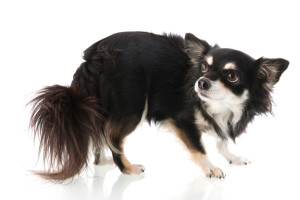
Flee behavior is when a dog has moved away from a threat and hides. Never try to pet this dog.

This breaks my heart. Defensive dogs are begging to be left alone because they’re terrified. Before preventing or managing defensive dog aggression, learn how to identify and understand the cause of defensive dog aggression.

What is Defensive Dog Aggression?

Defensive means to defend oneself. Aggression means “hostile or violent behavior toward something.” When combined, defensive aggression means defending oneself by using aggression. Every living being has an automatic defensive response when encountering a perceived threat; we flee, fight or freeze. This reaction is hardwired into our brains. It’s a defense mechanism. We flee if this is an option. If not, we freeze or fight.

Defensive aggression encompasses all three reactions: fight, flee and freeze. If your dog displays any one of these three reactions, he’s scared. Remove him from the situation immediately. When polling pet parents during my group classes, most label “fight” as defensive aggression, as this is the most problematic of the three. Usually, pet parents ignore “flee” and “freeze” because they’re unaware these components are, indeed, a part of defensive aggression.

During safe puppy play, puppies practice these behaviors if they’re unsure they will “flee” or “freeze.” Other puppies learn what these behaviors mean and ignore the scared puppy. If the other playing puppies ignore “flee” or “freeze” behavior, the scared puppy is most likely to “fight.” While pet parents think, “Good. This puppy is teaching my bully puppy a lesson,” the scared puppy is actually learning offensive aggression, meaning if I attack when scared, it works. Yikes! This is the perfect recipe for dog aggression behavior. That’s why puppies should only play during safe play sessions organized by professional dog trainers.

Preventing Defensive Aggression in Dogs

Listen to your dogs. If they’re scared or nervous, remove them from the situation. Remember, defensive aggression happens when your dog is cornered by a perceived threat. If he can’t get away, he will resort to aggression. Dogs don’t understand that veterinarians are trying to help him. They feel cornered and don’t want to be there any longer.

Flight (Flee)

When given the opportunity, most dogs will flee. If not, they will either freeze or fight. Usually a dog will lower herself to the ground, tuck her tail, lean back from the scary trigger and run. If the scary thing catches up, she will freeze, then try to run away again. If the scary thing keeps chasing her, and “flee” and “freeze” are not working, she will fight.

Freeze

Dog Aggression
The “freeze” behavior is when a dog’s body language is low and leans away from the threat, yet his eyes are focused if the threat continues to follow him.

Just as the word describes, “freeze” means a dog will stop and stand completely still. This makes the hair on the back of my neck stand straight up. Yikes! This dog is terrified. If this happens, remove your dog from the situation immediately. If pushed, a “freeze” will turn into a fight. Their options have been limited.

Tips on removing a dog from a scary situation:

  • Small to medium size dogs: Pick them up and hold at chest level. Don’t forget to tuck the tail in too. It’s no fun having a bully pull at your tail.
  • Large to giant dogs: Step in between dogs and grab the bully dog’s collar. Ask someone to come over and grab the bully’s collar so you can leash your dog. Leave the area while the bully dog is being restrained by the collar. Most folks try to grab their scared dogs, but that only aids bully dogs in pinning your dog down. Grab the bully instead.

Leash reactivity is a newer phenomenon; dogs are unable to “flee” from approaching strange dogs or people because they’re attached to a leash so most will “fight.“ Dogs then learn to bark, growl or lunge at other dogs or people, when on leash, because they know they can’t “flee.” This is an example of offensive aggression.

Fight

How to Stop Dog Aggression
A dog freezes right before fighting.

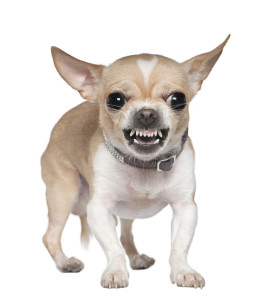
Dogs will fight as a last resort when feeling threatened. Now, some dogs may choose to “fight” before “freezing” or “fleeing.” Usually, these dogs have underlying anxiety issues, meaning they’re in a constant state of “flee” or “freeze” behavior. You never want it to get this far. Your dog is basically fighting for his life; he is terrified.

Managing Defensive Aggression

Listen to your dog. Be his voice.

  • If your dog is stressed when another dog approaches, turn around and walk the other way.
  • When a strange person tries to pet your dog and she moves away, support her decision. Never force your dog to meet or accept petting.
  • During play, never allow your dog or puppy to be bullied. When in doubt, end the play session.
  • Use yummy treats at the vet’s office. Practice body handling and restraint at home. Several times a week, pop in for fun vet visits, such as standing on the scale, reception folks giving out treats and so forth. Trust me, your vet wants dogs to have positive experiences. It’s no fun restraining frightened dogs. 🙂

Be your dog’s voice.

Filed Under: Behavior Tagged With: can you fix dog aggression, cause of dog aggression, defensive dog aggression, dog aggression, dog scared at vet's office, dog scared of other dogs, dog trainer tips for aggression, flight and flight dogs, how to fix dog aggression, how to prevent dog aggression, leash reactivity, managing dog aggression, puppy training tips, should I go to dog parks

  • « Previous Page
  • 1
  • …
  • 105
  • 106
  • 107
  • 108
  • 109
  • …
  • 135
  • Next Page »

About

Dog Training Nation is a community of dog trainers, dog owners and dog lovers. Our mission is to provide trainers and owners valuable information to enrich dogs' lives. We cover a range of topics, from socializing puppies to dealing with aggressive dog behavior to selecting the best dog products. It is our hope you share our content to make the dog and owner world a better place.

​

Facebook

Video

Dog Training Nation is a dog training blog for pet owners and dog lovers. We cover a range of topics from puppy socialization tips to dog aggression to dog health. It is our hope you share our content to make the world a better place for dogs.

Dog Training Nation

Quick Links

Dog Training
Dog Behavior
Dog Training Videos
Become a Dog Trainer
About
Contact Us

Copyright © 2026 · Lifestyle Pro Theme on Genesis Framework · WordPress · Log in