Dog Training Nation

In Dogs We Trust

  • Home
  • Training
    • Dogs
    • Puppies
    • Clients
  • Behavior
    • Breeds
  • Health
  • Safety
  • Resources
    • Equipment
    • Books
  • Dog Training Videos
  • About
You are here: Home / Archives for Fanna Easter

Using Treats to Train Your Dog

December 15, 2014 by Fanna Easter

Dog Training Treats Work

Dog Training Treats
blacknote/Deposit Photos

A common question from dog owners is if it’s possible to give too many treats during dog training. They’re concerned about treat dependency, digestive issues or the wrong message being delivered during training. Let’s chat about why treat training is so effective as well as when to give treats for maximum effectiveness.

Why Use Treats During Training?

Think of dog training treats as currency for your dog. It’s payment for a job well done. When training your dog a new behavior, it’s important to reward your dog often with clicks and treats. This teaches him what is expected.

Another way of explaining the power of dog treat training is using the child’s game of “Hot and Cold.” Clicking and treating means “hot” and silence (no clicks and treats) means “cold.” As a child, it was pretty frustrating when you heard “cold” for several minutes so you gave up. The game was too hard and you didn’t know what was expected.

If you’re still not convinced, think of each treat your dog eats as money deposited into a banking account. You’ll have withdrawals while your dog is learning, but you’ll hopefully have a nice cushion to prevent overdrafts. 🙂 Each treat given ensures your dog repeats good behavior and, honestly, it’s much easier to reward with a dog treat or two than chase him down the street for hours.

Plus, dog treat training is much faster. You can easily teach a new behavior in minutes!

RELATED: Can I Feed My Dog Eggs?

Dog Training Treat Myths

Digestive Issues

Usually, this is a concern during the first week of class. Many dog owners are convinced that too many dog treats will cause projectile diarrhea and vomiting. This is far from the truth. Training treats are tiny (pea sized), used during short training sessions (1-2 minutes) and cause minimal, if any, digestive upset.

It’s important to choose training treats your dog loves. Would you rather be paid with broccoli or cheesecake? It’s your choice and what you find rewarding. Personally, I would do back flips for cheesecake. 🙂

If digestive issues sneak up, change treats. If you’re using hot dogs, switch to turkey hot dogs, which contain less fat for sensitive tummies. For food allergy dogs, chop up and bake canned variety of their prescription food at 200 degrees for 30 minutes.

Treat Dependency

Contrary to what you may believe, training treats don’t teach your dog to only respond to treats. In all my 22 years of training, I have never encountered a treat dependent dog.

If a dog is dependent on treats, he probably doesn’t understand the cue (i.e. sit, down, come) or hasn’t been weaned from continuous reinforcement (i.e. clicks/treats every time he responds to a cue). Continuous treats (lots of clicks/treats) are used for teaching new behaviors, such as loose leash walking.

Let’s use the example of loose leash walking. Once your dog understands to walk on a loose leash on cue (lets go), start clicking/treating for perfect behavior. Instead of rewarding every two feet, start rewarding every five feet. Now reward as you give the cue (lets go). This teaches your dog to respond to the cue quickly. Finally, reward when your dog when he ignores distractions, such as an approaching dog.

What are your favorite dog training treats?

You may also like: Pros, Cons & Myths of Canned Dog Food

Filed Under: Clients, Dogs, Puppies, Training Tagged With: giving dogs treats, how to train a dog with food rewards, treat training, treat training a dog, treat training a puppy, using treats in dog training, using treats in puppy training, when to treat a dog

Stop Your Dog From Pulling on the Leash

December 12, 2014 by Fanna Easter

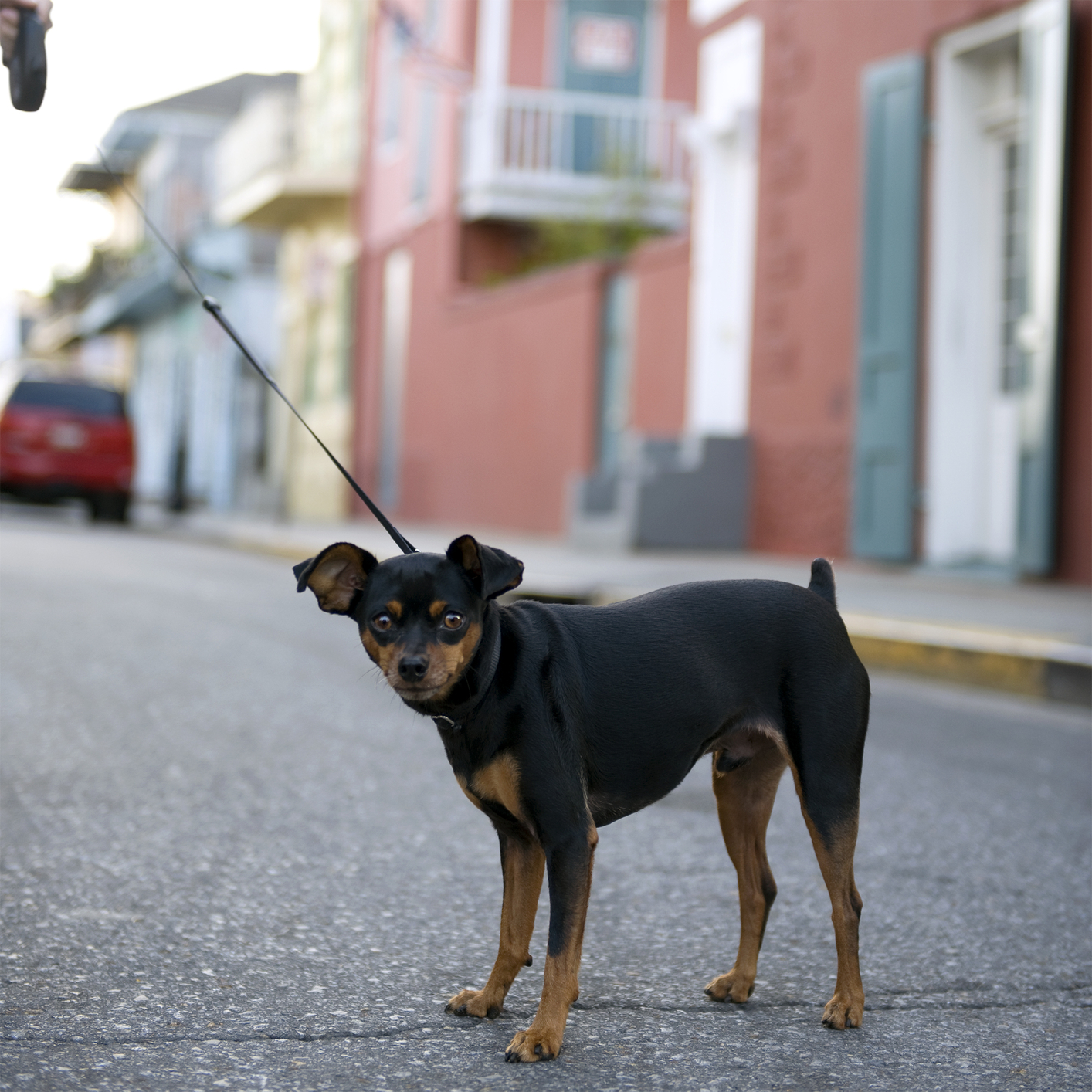
My Dog Pulls Like a Freight Train

How to Stop Dog From Pulling on Leash
Is this you? We can help!

Woot woot! Was that you whizzing by powered by a four-legged locomotive? If so, check out a few dog training secret tips to stop leash pulling plus they’re pretty easy!

Why Dogs Pull on Leash

Dogs pull because they want to move forward. It’s that simple. There is nothing dominant about leash pulling. They learned if they move forward, you’ll likely follow. I know, mind blowing, huh? 🙂

Stroking the Leash

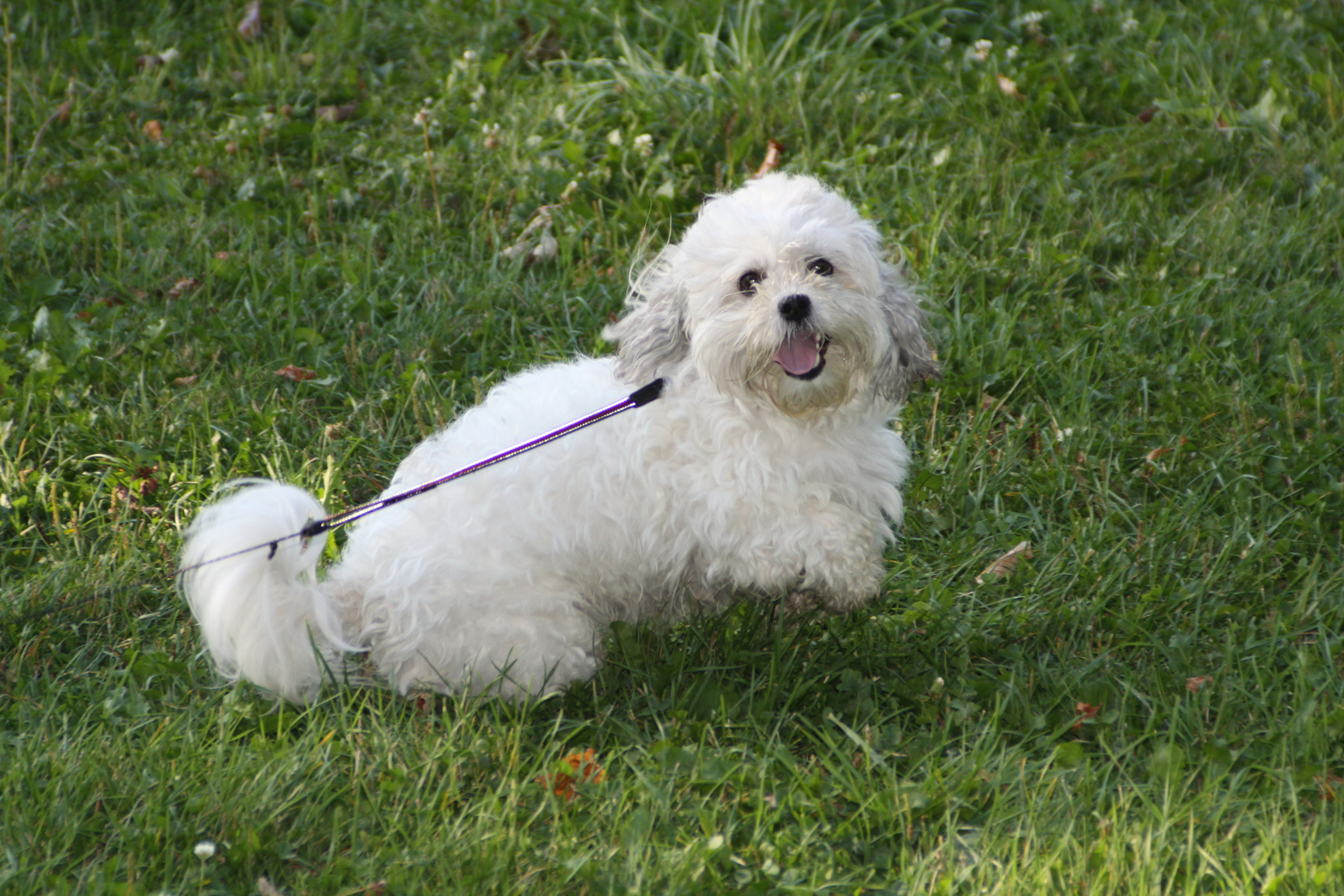
Confused Puppy
A confused puppy pulling against pressure. Stroking the leash will work wonders!

This was pretty new to me so I gave it a try and was amazed at the results! TTouch was designed to work with animals by using touch and body awareness, which builds confidence and promotes self control (self soothing in stressful situations). The stroking the leash technique removes leash tension, which is extremely beneficial for all dogs. Stroking the leash perfectly describes the process. You’re rhythmically pulling the leash towards you using light pressure. Not only does this work for strong pulling dogs, it also is hugely beneficial for scared or shut down dogs who become frozen during scary situations.

Stroking the Lead – TTouch Tips

Take a peek at this video demonstrating how to stroke the lead of a distracted dog.

Teaching Collar Pressure

Dog Pulling
Perfect example of opposition reflex where the dog is pulling against pressure.

Sharing my home with larger dogs through the years, my go-to tip for teaching polite leash manners is teaching collar pressure. This technique works extremely well for teaching dogs to follow pressure instead of pulling against it (opposition reflex). Opposition reflex is an instinctual reaction to pressure. If I push against you, you’ll push back and you don’t want to fall over. It’s a natural and life saving response, but sometimes opposition reflex is interpreted as stubbornness or resistance, which is furthest from the truth.

It’s difficult to work against opposition reflex so let’s work with it! Instead of continuing to pull against your dog, apply a bit of pressure and wait for your dog to release his pressure, then click/treat! When applying pressure, lightly pull your dog’s collar towards you. Applied pressure is enough to engage opposition reflex, but not enough to move the dog. Always click and treat when your dog releases the pressure.

Dog Training Tip: Teaching Collar Pressure

During this video, I demonstrate how to apply collar pressure for a large and small dog with and without distractions.

Say goodbye to your freight train and hello to polite leash manners! Have you tried teaching collar pressure or stroking the lead yet?

Filed Under: Dogs, Training Tagged With: leash breaking, opposition reflex dogs, polite leash manners, stop dog pulling leash harness, stop dog pulling youtube, stop leash pulling puppy, stop leash pulling video, stop pulling leash clicker, stop pulling leash ttouch, stroking the leash, teaching collar pressure, teaching dogs polite leash manners, teaching puppy to walk on leash, ttouch review

Dog Socialization Tips

December 12, 2014 by Fanna Easter

Socializing Dogs

Dog Socialization
Follow your dog’s lead. Walk away if he’s uncomfortable.

Pet parents are bombarded with: “You’re a terrible owner if you don’t allow your dog to greet other dogs,” “The socialization window closes before 16 weeks so hurry and meet as many dogs as possible,” “Dogs must meet 100 new dogs before a certain age” statements. These statements are valid, but it’s important to add limitations and boundaries first. Follow these dog socializing tips and be their voice.

What is Socialization?

Socialization means puppies and dogs learn how to interact within their worlds. Socialization is vital. Each interaction must be tailored to your dog’s personality with the purpose of teaching him how to interact within his world with confidence.

Greeting: Engage and Disengage

Greeting means a dog walks directly over to another dog with the purpose of engagement. During socialization, puppies and dogs are learning how to politely meet (engage) and end (disengage) greetings. Not all dogs are polite greeters. They can be downright rude by invading space, staring or being too rough. This is where disengaging becomes tricky. It’s kind of hard to move away from a rude greeter while on leash so some dogs will resort to threatening behaviors to make the rude dog go away. Now, your confused disengager learns threats work and is the normal way to disengage.

Living with a Gregarious Greeter

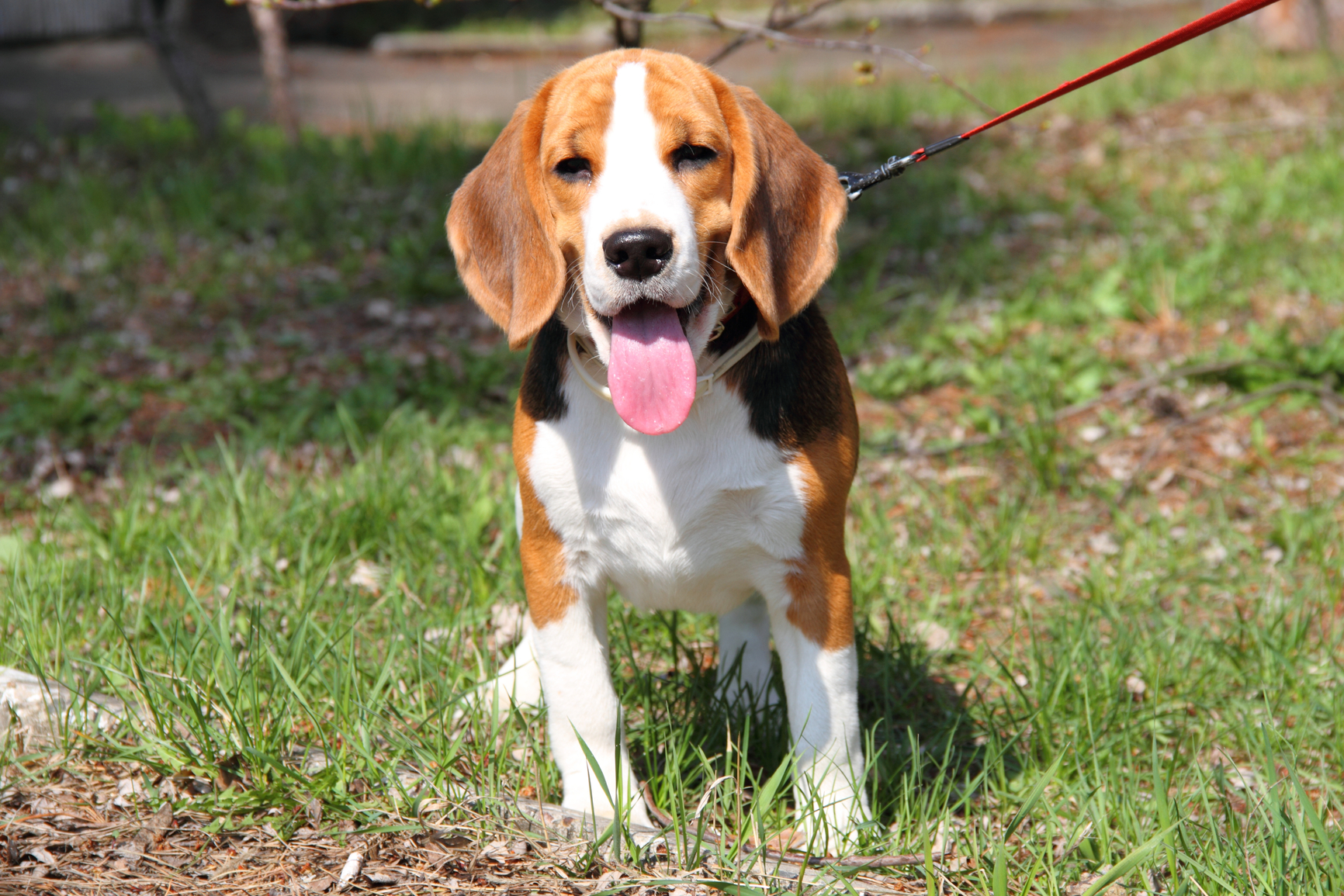
Beagle
“Hello! I’m uber friendly!” Note soft eyes, open mouth and slight panting moving forward.

Not all dogs are comfortable meeting your gregarious greeter. Always stop 15 feet away and ask first. It’s the polite thing to do. If the other dog looks uncomfortable or scared, walk away quickly. Sticking around will make it much worse.

Think of it from a human perspective: Do you shake hands with everyone shopping at the grocery store? “Hi, I see you’re buying grapefruits today. My name is Fanna,” “Hi, those pork chops are lovely. My name is Fanna” or “Oh I buy that type of toilet paper too! My name is Fanna.” Could you imagine?! You would think I was nuts, right? But what if I followed you down an aisle saying, “But I want to meet you. My name is Fanna!” Creepy, especially for people not comfortable greeting strangers!

Instead, while shopping at the grocery store, we make eye contact with a stranger, smile, nod and continue walking past him. When walking past, provide plenty of room by turning sideways, walking down a different aisle or politely allowing a stranger to walk past you because it’s human etiquette. This works in the dog world too! 🙂

My Dog is a Wallflower

Scared Dog
“Stay away, please!” He’s not sure. Hence, the backwards lean (away from you), mouth closed (no panting), still body and wide eyes.

If your dog finds greeting other dogs stressful, it’s okay. All dogs are individuals. Some are introverts while others are extroverts just like people. An introverted person (withdrawn from strangers) finds attending parties with lots of people torturous. Remember, people are able to control their outcomes. Dogs can’t unless their pet parents notice their uncomfortable behavior around strange dogs or people.

When a dog is forced to meet another dog, scuffles or fights often break out because one dog is not comfortable meeting another dog and tries to disengage using threats. Note, it only takes one scary incident for a dog to become terrified of other dogs. Then the vicious cycle begins. Well meaning pet owners forcibly socialize their newly terrified dogs to fix the aggressive issue, which only makes it worse. Pet owners say, “My dog was really good with other dogs before. So he must need more socialization, right?” This will only make the problem worse.

Never introduce a known aggressive dog to another dog, as this is a recipe for disaster. Socializing known “dog aggressive” dogs will not make your dog better. It will make him much worse. He’s practicing this behavior and we all know practice makes perfect. Plus, there’s a really good chance the other dog, now having a terrible experience, is afraid of other dogs too.

Instead, enroll newly terrified and dog aggressive dogs in a Relaxed Rover class or contact a professional dog trainer or animal behaviorist. By partnering with a professional,  your dog will learn confidence around other dogs while developing skills to engage and disengage greetings without resorting to threats. Shoot, all dogs will benefit from learning these skills. 🙂

Socialization with Boundaries

Anxiety in Dogs
“Can we leave? I’m not comfortable.” Note leaning away from you, holding one foot up, ears pulled down and back and worried eyes.

Tip One: Follow your puppy’s or dog’s lead. If he’s not comfortable meeting another dog, walk away (before they greet). You’re teaching polite disengaging behavior by saying “hi” from a distance and politely walking away (remember the nod at the grocery store).

Tip Two: Enroll your puppy in Positive Puppy Manners class and Puppy Playtime after his first puppy vaccination series with a professional dog trainer. If your puppy chooses not to play with other puppies, it’s okay. He probably enjoys human contact more than puppy play.

Allow your dog to choose his friends. Sometimes, dogs and puppies love to play with certain dogs like your neighbor’s or sister’s dog, but he’s not comfortable playing with other dogs. That’s okay too. Personally, I have a tiny group of friends while my sister has unlimited friends, and we came from the same litter. 🙂

Tip Three: When accidentally meeting another dog on leash, allow them to briefly greet for two seconds, then walk away. You’re interrupting the greeting to keep it positive and teaching polite disengaging behaviors. By keeping greetings short with strange dogs, it prevents rude behavior from sneaking up.

Tip Four: If a person and his dog are making a beeline towards your dog, say, “We’re training, sorry,” and step away, turn around or cross the street. Trust me, you’re not being rude by moving away from the approaching pair. You’re speaking up for your dog and he thanks you. 🙂 As for the beelining dog and person, they’re learning that not all dogs should meet, which is a good thing!

I know this is a controversial topic and you can never go wrong by following your dog’s lead. Always socialize, but put a few boundaries in place first. 🙂

Filed Under: Behavior, Clients, Dogs, Training Tagged With: best dog training tips, do dogs want to meet all dogs, dog aggression, dog behavior, dog is aggressive to other dogs, dog socialization tips, dog socializing tips, dog training, Dog Training Tips, how to train dogs, how to train puppies, my dog hates other dogs, obedience training, puppy socialization ideas, puppy socialization tips, puppy training classes, top dog training tips

T Touch for Scared Dogs

December 11, 2014 by Fanna Easter

Training Scared Dogs

T Touch
The power of T Touch!

As a dog trainer, I’m still learning about T Touch and what I’ve learned so far is truly effective with amazing results! I use these secret training tips for scared dogs everyday!

What is T Touch?

Linda Tellington-Jones developed Tellington Touch Training (T Touch) many decades ago while training nervous horses. Horses are big. They average 1,000 lbs, give or take 100 lbs depending on their size, so working with scared horses can be extremely dangerous. Instead of man handling or forcing horses, which increases anxiety, Linda thought outside the box. She created a method of reducing anxiety to calm horses so they can learn. While we throw out labels such as “aggression,” it’s important to understand aggression is a symptom of anxiety. Think about it this way: stopping a high fever does not cure the flu.

With T Touch’s tremendous success within the horse world, Linda developed protocols for dogs, cats, small animals and even people! Many years ago, I skeptically attended a T Touch workshop. As dog trainers, we’re always looking for new and effective protocols, but if T Touch worked so well why were we all not doing it? I was blown away with results! And I can’t answer why this secret training tip hasn’t taken off, but hopefully, this blog will help T Touch reach the masses. 🙂

Unleash Your Dog’s Potential: Tellington Touch

How does it work?

T Touch uses slow, rhythmic touching all over a dog’s body. Light pressure with finger tips is key. It’s the same pressure used to softly move the skin over closed eyes. “The intent of the T Touch is to activate the function of the cells and awaken cellular intelligence – a little like ‘turning on the electric lights of the body,'” cites Tellington Touch Training website. Before you scoff at this statement, Linda has a ton of research proving results. This claim has been proven with multiple animals and I’ve personally witnessed positive transformation with the scariest of dogs.

T Touch is a bit different than massage. Massaging is kneading muscles to remove pain while promoting relaxation. T Touch is teaching body awareness by using balance, touching of skin and so forth.

Will this help my dog?

Yes! T Touch will build confidence, teach dogs to self calm, prevent dogs from shutting down, prevent dogs from pulling on the leash and so on!

Take a peek at Alf’s transformation. This video demos the effect of T Touch. Alf was rescued from Michael Vick’s fighting ring and was terrified of everything, and who could blame him? You may need a tissue while watching. 🙂

Alf’s T Touch Transformation

Have you tried T Touch yet?  

Filed Under: Behavior, Dogs, Training Tagged With: does ttouch work, dog training, Dog Training Tips, help your shy or nervous dog, how to help a scared dog, how to train a dog, how to train a puppy, massage for dogs, puppy training tips, secret training tips for scared dogs, teaching a calm dog, teaching your dog to calm, tips for fearful dogs, tips for nervous dogs, tips for scared dogs, touch reviews, training for fearful dogs, training for scared dogs, ttouch, ttouch for dogs, what is touch

Calming Music for Dogs

December 8, 2014 by Fanna Easter

Dog Calming Classical Music

Dog Calming Music
Classical music works for dogs too!

As a dog trainer, I’m always looking for new things to calm anxious dogs, and I found a good one! My number fourth calming tip is to play classical music.

Why Classical Music?

I’m an old punk rock girl, and if you told me I would be listening to classical music 30 years ago, I’d scream, “I’ll never conform!” While, I maintain my anti-conformity streak, my mind craves classical music. Let me explain why.

Most classical music is rhythmic, meaning it has structure and you can predict the next beat. The most relaxing classical music has two or less instruments, which is easy for our brains to calmly follow. High pitched, miscellaneous drum or symbol beats can be unsettling. It’s sudden and jarring at times, which does not promote relaxation. Don’t believe me? Try meditating to rock, punk rock or jazz music instead of unwinding. You’ll be energized!

People are different. Some will respond to different types of classical music depending on instruments played. While I enjoy new  age music, the piercing sounds of flutes will send me over the edge and will cause my dogs to howl. 🙂

Yes, classical music works for dogs!

Rhythmic classical music is relaxing for dogs also. I’ve seen it firsthand. During consults with anxious dogs, I’ll play classical music on my iPhone and watch both the dog and pet parents instantly calm.

When, How and at What Volume?

  • Play classical music when dogs are left alone. It’ll drown out sirens, barking dogs or construction sounds.
  • If your dog is anxious during car rides, you’ll see a decrease in your stress as well. 🙂
  • Be careful with the volume. Dogs’ hearing is much more pronounced than ours. Set at a low setting.

Check out my favorite dog classical music CD!

Which song or CD instantly calms you and your dog?

Filed Under: Equipment, Resources Tagged With: best classical music for dogs, best dog anxiety tips, best dog calming tips, calm your dog, calm your puppy, classical music for dogs, de stress a dog, dog anxiety tips, dog calming tips, dogs with anxiety, how to reduce dog anxiety, medication for dogs with anxiety, music for dogs, music for dogs sleeping, music for dogs to listen too, music for dogs when you're gone, music for dogs with anxiety, music for pet stress, music for puppies, musical tips for behavioral issues, popular dog calming tips, songs dogs, songs puppies, soothing songs for dogs

  • « Previous Page
  • 1
  • …
  • 110
  • 111
  • 112
  • 113
  • 114
  • …
  • 135
  • Next Page »

About

Dog Training Nation is a community of dog trainers, dog owners and dog lovers. Our mission is to provide trainers and owners valuable information to enrich dogs' lives. We cover a range of topics, from socializing puppies to dealing with aggressive dog behavior to selecting the best dog products. It is our hope you share our content to make the dog and owner world a better place.

​

Facebook

Video

Dog Training Nation is a dog training blog for pet owners and dog lovers. We cover a range of topics from puppy socialization tips to dog aggression to dog health. It is our hope you share our content to make the world a better place for dogs.

Dog Training Nation

Quick Links

Dog Training
Dog Behavior
Dog Training Videos
Become a Dog Trainer
About
Contact Us

Copyright © 2026 · Lifestyle Pro Theme on Genesis Framework · WordPress · Log in