Dog Training Nation

In Dogs We Trust

  • Home
  • Training
    • Dogs
    • Puppies
    • Clients
  • Behavior
    • Breeds
  • Health
  • Safety
  • Resources
    • Equipment
    • Books
  • Dog Training Videos
  • About
You are here: Home / Archives for Fanna Easter

7 Dog Shedding Hacks To Keep Your Home Fur-Free

September 8, 2017 by Fanna Easter

Save Your Home With These Pet Hair Removal Tips
Pet Hair Remover
glisic_albina/Adobe Stock

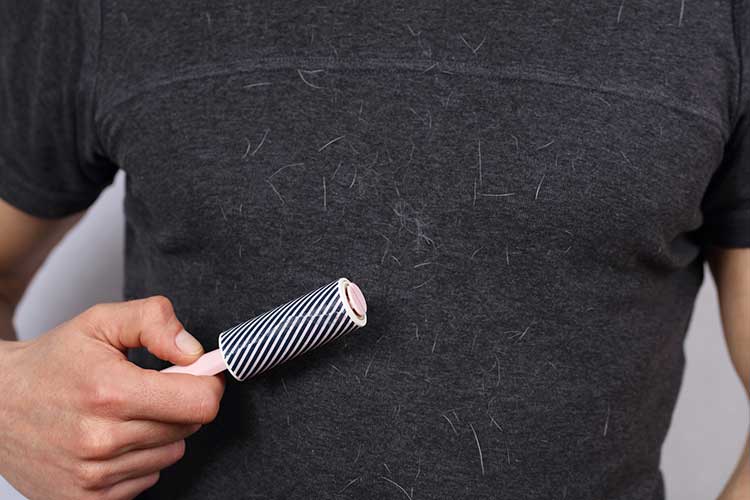
Dog hair is everywhere! It’s part of sharing our homes with dogs, yet it drives most pet owners crazy. Stop dog shedding for good with these tried-and-true hacks that I’ve collected over the last 20 years as a dog trainer. Most are low cost, and some are even free!

1. Spray Carpet First

Dog hair loves to hide in carpet fibers, which becomes almost impossible to completely remove. About 20 years ago, an old-school dog show person told me about this trick. She shared her home with 10 Bouviers (100-lb. hairy dogs) and her home was immaculate. This is easily still one of my favorite dog shedding hacks because it works so well.

Dilute fabric softener with water, and then spray on carpet before vacuuming. Diluted fabric softener will loosen pet hair and prevent static cling to maximize the amount of dog hair your vacuum picks up. Plus, this diluted solution leaves carpet smelling fresh and feeling soft.

Mix 1 capful of fabric softener and 2 cups of water in a spray bottle. Lightly mist carpet and allow the carpet to dry before vacuuming. If you’re worried about spraying chemicals in your home, choose a chemical-free fabric softener, which you can find online or at most natural stores.

2. Use a Cover Sheet

When polled, most pet owners would love to share their beds with their dogs, but dislike having loose dog hair on their bedding. Give this old trick a try! Completely cover your comforter with a large, neural-colored flat bed sheet. Pull the sheet up to cover pillows, and ensure the flat sheet is large enough to cover your entire comforter for maximum protection. Some pet owners use neutral-colored fitted sheets when their dog wads up a flat sheet. Launder cover sheet weekly.

3. Vacuum Instead of Sweep

Sweeping will not remove all dog hair; it’s impossible. Instead, vacuum hard surfaces for maximum pet hair removal. Turn off your vacuum’s spinning brush to protect hardwood floors, and don’t forget to vacuum corners really well. Weekly vacuuming will prevent dog hair from floating around your home, and bi-weekly vacuuming will be needed during dog shedding season (spring and fall).

4. Remove Fur From Clothes

Super simple, environmentally friendly and free! Wet palms of your hand, then rub damp hands over hairy areas on your clothes. Just like using a lint brush, move hands in one direction, rinse off loose hair and continue until all hair is removed. Personally, I’ve used this trick after each private lesson client and when working as a vet tech. This dog shedding tip works wonderfully.

5. Change Your Air Filter Regularly

Everyone forgets to check their air filter until their AC repairman pulls out a fur-coated filter. Depending on your AC system’s needs, change monthly and choose HEPA filters if possible. Portable air filters keep dog dander and hair down to a minimum too.

6. Purchase a Car Seat Cover

Oh, cars can take a beating from dog hair. Cover your seats and flooring with car covers made for dogs. While it’s temping to cover car seats with old sheets, this type of thin fabric easily shifts when excited dogs pace around. Also, choose plastic floor covers to minimize vacuuming. They’re super easy to rinse after muddy car rides.

7. Brush Your Dog Daily

Hacks will keep dog hair off your furniture and car interior, but nothing stops dog shedding like brushing your dog daily. Throw loose hair away in your outdoor trash can to prevent hair from floating back into your home. Better yet, brush your dog in a shady part of your backyard. Birds use loose hair to build nests, and it prevents a hairy mess in your home. Choose the right deshedding tool for maximum hair removal.

Filed Under: Grooming Tagged With: dog, dog fur hacks, dog grooming tips, dog groomingd, dog hair shedding, dog shedding, dog shedding tips, dog training, Dog Training Tips, how to get rid of dog hair, how to stop dog shedding

Why Dogs Should Eat Pumpkin

September 6, 2017 by Fanna Easter

Benefits of Pumpkin for Dogs

Pumpkin for Dogs
lisa870/Adobe Stock

As fall approaches, pumpkins slowly pop up in grocery stores and doorsteps. Pumpkins are certainly a beautiful symbol of fall, but these fruits are packed with amazing health benefits for dogs too. Yes, pumpkins are considered fruits due to their flowering plants and seeds, and they taste delicious when slow-roasted in the oven. Check out these amazing benefits of pumpkin for dogs and why you should feed your dog cooked pumpkin several times a week.

Aids Digestion

Pumpkin is rich in fiber, and contains both soluble and insoluble fiber. Soluble fiber softens stool and contains anti-inflammatory properties. Insoluble fiber doesn’t dissolve in water, but instead it prevents constipation. Due to both soluble and insoluble fiber, pumpkin prevents constipation and can certainly firm up minor diarrhea. If your dog has stomachaches, always partner with your veterinarian before adding pumpkin to your dog’s food. Slowly add pumpkin over a course of 7 days to prevent further tummy issues.

Slims Waistlines

Not only can fiber relieve common digestive issues, but pumpkin fiber also makes dogs feel full longer. When dogs are watching their waistlines, it’s important they eat less food and treats. This is much easier said than done, especially when pitiful brown eyes are begging for more food. Adding a teaspoon of pumpkin to a low calorie diet will ensure dogs feel satisfied after a meal.

Fights Bladder Cancer

Diet certainly plays a part in preventing disease, and it seems adding yellow-orange fruits and vegetables can lower the risk of bladder cancer in certain breeds of dogs. A study was done on Scottish Terriers, which are genetically prone to bladder cancer, that “suggest(s) that consumption of certain vegetables may prevent or slow the development of TCC (bladder cancer) in Scottish Terriers” (J Am Vet Med Assoc. 2005 Jul 1;227(1):94-100). While this study focused on a specific type of cancer and a specific breed, this research certainly reveals the power of adding fresh fruits and vegetables to your dog’s diet.

Choosing Pumpkin for Your Dog

Slowly oven roast fresh pumpkin until soft, or purchase canned pumpkin at the grocery store. Stay away from pumpkin pie filling for dogs, as it’s loaded with sugar and other ingredients. Another canned option, created by a veterinarian, is Fruitables’ Pumpkin Superblend, which contains whole pumpkin plus ginger, B vitamins and additional soothing supplements.

If your dog is eating a raw or cooked diet, it’s certainly advisable to toss cooked pumpkin into your dog’s veggie mix each week. For kibble-fed dogs, spoon a bit of pumpkin on top or mix into your dog’s meals each day.

Filed Under: Health Tagged With: can dogs eat pumpkin, can you feed dogs pumpkin, canned pumpkin for dogs, digestive dog pumpkin, dog eat pumpkin, dog health, dog health tips, dog training, Dog Training Tips, pumpkin for dogs, pumpkin upset dog tummy, puppy eat pumpkin

How To Help Dogs After A Hurricane

September 5, 2017 by Fanna Easter

6 Ways to Help Dogs After a Hurricane

Help Dogs After Hurricane
bellakadife/Adobe Stock

What just happened in Houston, due to Hurricane Harvey, has been devastating. Unfortunately, surrounding areas in south Texas and southwest Louisiana were affected too, and they’re scrambling to save their homes, pets and livestock. As you watch hundreds of thousands of evacuees rescuing their dogs, you may wonder how you can help evacuated dogs until their pet owners are back on their feet. These tips will lead you in the right direction, so you can help dogs affected by the hurricane!

1. Foster

Hands down, finding people to foster dogs is the biggest need for all rescues. Large pet rescue organizations usually have the capacity to house numerous dogs safely, but space becomes extremely limited during natural disasters.

Smaller rescues located in rural areas have very limited space, making foster homes even more critical. Fostering a dog is easily a 2- to 6-month commitment, but keep in mind that rescue organizations cover all food, vet and supply costs. To apply as a foster home for dogs in need, find a local pet rescue and complete their foster home form.

2. Transport

During natural disasters, most dogs are evacuated out of the flooded area, which means transportation is needed. During flooding, anyone with a flat bottom boat is needed. Bring various crate sizes, dog treats, bottled waters, plastic bowls, and slip leads to capture and contain dogs during rescues. Coordinate drop-off points with dog rescue groups to ensure all pets are kept safe.

3. Set Up a Virtual Lost & Found Dogs Page

While we witnessed many evacuees leaving with their pets, there were several who were unable to get home to grab their furry friends before floodwaters blocked roadways. Thankfully, rescuers were pulling dogs in need out of homes and flooded backyards, then safely placing these dogs with dog rescue organizations. The problem was that it left pet owners looking for their dogs.

Many years ago, horrible tornadoes ravished Dallas, TX, leaving many pets displaced. A wonderful person started a “Dallas tornado dog lost and found” page on Facebook, and rescuers uploaded found dog photos online with their contact information. Pet owners, searching for their dogs, could log on and find their beloved family member. This is an excellent way to reunite dogs with their families. Surprisingly, many volunteers stepped up and spent countless hours matching photos of found dog photos with lost dog photos.

4. Donate Items

While large pet rescues donate to larger metropolitan areas, it’s important to remember that rural pet rescue organizations are in desperate need for supplies as well. Items that are much needed during natural disasters include:

  • Dog food
  • Treats
  • Collars
  • Leashes
  • Toys
  • Chews
  • Bowls
  • Crates
  • Dog beds
  • Shampoo
  • Towels
  • Blankets
  • Pee pads
  • Flea and tick products

Contact your local dog rescue or, better yet, visit their website and order items off their “wish list.” Chewy.com offers free and fast shipping with great prices—I just shipped two large crates straight to the doorway of Lake Charles Pit Bull Rescue.

5. Fundraise

Coordinate fundraisers for local dog rescue organizations with “wish list” items they’ve posted at local pet supply stores. Create a media blast and ask for specific items, such as dog crates and food, with drop-off destination points clearly noted. People want to help, so make it easy.

6. Donate Money

Donating funds is always appreciated, as most local dog rescue organizations use these funds for veterinary bills. Many stray dogs have critical medical needs, and even with deep rescue discounts, veterinary bills can easily total over a thousand dollars per month for small rescue groups. If your local rescue has not set up a donate site yet, start one for them (with their permission of course).

Filed Under: Resources, Safety Tagged With: dog and natural disasters, dog safety, dog training, Dog Training Tips, help animals after hurricane, help dog hurricane harvey, help dogs after a hurricane, how to donate to help dogs, how to help dogs after hurricane, hurricane harvey dogs displaced

Does Your Dog Pull On Leash? Ditch The Leash

August 31, 2017 by Fanna Easter

Dog Training Tips for Strong Pulling Dogs

Stop Dog Pulling on Leash
Marcella Miriello/Adobe Stock

When dogs pull on leash like freight trains, it’s frustrating, exhausting and downright dangerous. It feels like your shoulder is dislocated during and after each walk, and your back muscles scream for mercy. Pulling strongly on leash is painful for dogs too, especially if they’re wearing a collar. While it may not seem painful to your dog, it’s important to note that his neck hurts just as bad as your shoulder. Over time, strong pulling dogs develop permanent shoulder and neck issues and so do their pet owners.

As pet owners, it’s our job to teach our dogs that hanging out with us is more fun than pulling on leash. While it may seem impossible, it’s actually very easy to teach.

If It Hurts, Why Does My Dog Pull on Leash?

Dogs pull on leash because they don’t know what to do instead of pulling. Dogs get excited, so they pull forward and their pet owners follow. This starts a vicious leash pulling cycle, which isn’t safe for anyone. If your dog pulls on leash, it’s important to teach your dog polite leash manners.

Ditch Your Leash

Until your strong pulling dog learns that staying next to you is rewarding, ditch your leash. Strong pulling dogs get really excited when leashes appear, and they immediately pull once the leash is attached. Plus, it’s difficult to manage your pulling dog, provide treats and reward good behavior at the same time. Since you’re ditching the leash, make sure to only practice this behavior in your home first.

Hanging Out With Me is Fun

Grab super yummy treats, such as cheese sticks, and practice in a low distraction area of your home. Practice while children are napping and other dogs are happily licking food stuffed Kongs in another room. Remember, you don’t need a leash for this exercise.

  • Holding treats in your hand, take one step forward and wait for your dog to return to you. Don’t worry, your dog will likely hang out with you because treats are present. This sets you both up for success.
  • When your dog chooses to walk back to you, say “yes” the moment he walks next to your shoes and give him a treat. When handing him an earned treat, drop the treat next to your shoes.
  • Take another step and wait for your dog to stand next to you. If your dog hangs out with you, while you’re taking a step, immediately say “yes” and drop a treat at your feet.
  • Take a step backwards, and reward when he returns or stays with you.
  • Continue one step at a time.
  • Keep dog training sessions short about 1-2 minutes long.

Take More Steps

Once your dog will remain with or return to you 90% of the time, it’s time to take three steps forward. Continue adding one step at a time, and walk around your home. If your dog chooses to hang out with you, while you’re walking around your home, say “yes” and reward often. Practice daily and keep training sessions short.

Time to Add a Leash

Once your strong pulling dog learns that hanging out with you is rewarding, it’s time to add a leash. Some dogs may regress a bit, because their leash is super exciting, so start with one step at a time. Check out this article and video for teaching your dog polite leash manners while wearing a leash. Usually, most strong pulling dogs zoom through this process because they’ve already learned that hanging out with their pet owners makes treats rain from the sky!

Reward this behavior often, and it will stick around!

WATCH: Dog Training Tips for Strong Pulling Dogs

Filed Under: Dogs, Training Tagged With: dog horrible on leash, dog pulling on lead solutions, dog pulls on leash, dog terrible on leash tried everything, dog training, Dog Training Tips, how to teach a dog, how to train a dog, how to train a dog to walk on leash besides you, polite leash manners, stop dog pulling on harness, strong pulling dog leash, teach a dog, teach dog how to walk on leash, train a dog

Help! My Dog Is Afraid Of Walking Through Doorways

August 30, 2017 by Fanna Easter

Dog Training Tips for Dogs Afraid of Doorways

Dog Afraid of Thresholds
javier brosch/Adobe Stock

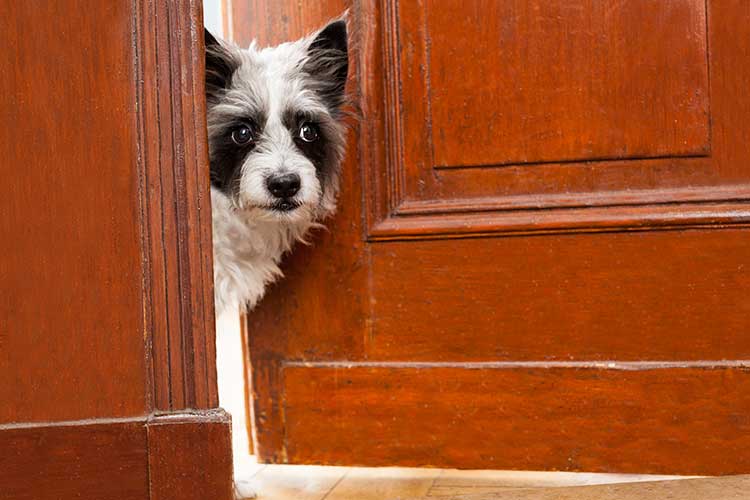
When approaching narrow spaces, some dogs will suddenly stop and refuse to walk forward while others will run through doorways quickly with their tails tucked and ears pinned back. Either way, both types of dogs are afraid to walk through doorways and it’s essential to positively change their behavior to increase their quality of life.

What Causes This Fear?

As humans, we assume hundreds of reasons why dogs behave a certain way, which is unfair to dogs. Let’s remove our anthropomorphic tendencies and try to understand the cause behind a dog’s fear of walking through thresholds.

Fearfulness is the main cause of your dog’s behavior. We can assume hallway echoes, loud noises, loudly slamming doors and many other reasons are the cause, but fearfulness is the real cause. When dogs are fearful, they may overreact to many things. When fearful dogs are exposed to scary doorways or entrance ways several times, they may develop anxiety. If a dog is punished when he’s scared of a scary situation, his anxiety deepens.

How to Teach Dogs to Love Walking Through Doorways

Regardless of why your dog became afraid of walking through doorways, it’s imperative to teach him to love walking through them. Grab super yummy treats, such as cheese cubes, deli lunch meat or hot dogs, and chop into pea-sized bites. Treats are a dog’s paycheck, so use the yummiest treats possible.

Start teaching your dog this behavior inside your home, using hall and doorways. Even though your dog may not be fearful of walking through indoor entrances, it’s a safe place to start changing your dog’s behavior.

Hold a treat in front of your dog’s nose, and lure him through the doorway. If your dog is too scared, click and treat your dog when he walks close to a doorway. Slowly shape this behavior until your dog will walk through the entrance.

Once your dog is comfortable walking through indoor entrances, leash your dog and practice outside. Walk out the back door and click as your dog walks through. Even if he slinks through the doorway, he’s being brave and choosing to walk through the doorway.

Pairing good things (yummy food) with scary things (entrances) will positively change your dog’s behavior. Think about it this way: If it rains $100 bills while you’re walking through a haunted house, you will learn that haunted houses are not scary. 🙂

What Doesn’t Work

Never force a dog through a doorway; your dog is scared. Back away from the door, regroup by grabbing treats and lure your dog inside. Ideally, you should practice this behavior before he has to walk through scary doorways, such as the vet clinic.

Take 1-2 minutes each day, and make doorways and entrances fun to walk through!

WATCH: Tips For Dogs Afraid To Walk Through Doorways

Filed Under: Behavior, Training Tagged With: anxiety in dogs, dog afraid of threshold, dog afraid to walk through doorways, dog anxiety, dog behavior, dog refuses to walk through threshold, dog scared of door, dog scared of entrances, dog training, dog who is afraid of doorways, dog won't walk through door, how to teach a dog, how to train a dog, how to train a dog to come, teach a dog, train a dog

  • « Previous Page
  • 1
  • …
  • 10
  • 11
  • 12
  • 13
  • 14
  • …
  • 135
  • Next Page »

About

Dog Training Nation is a community of dog trainers, dog owners and dog lovers. Our mission is to provide trainers and owners valuable information to enrich dogs' lives. We cover a range of topics, from socializing puppies to dealing with aggressive dog behavior to selecting the best dog products. It is our hope you share our content to make the dog and owner world a better place.

​

Facebook

Video

Dog Training Nation is a dog training blog for pet owners and dog lovers. We cover a range of topics from puppy socialization tips to dog aggression to dog health. It is our hope you share our content to make the world a better place for dogs.

Dog Training Nation

Quick Links

Dog Training
Dog Behavior
Dog Training Videos
Become a Dog Trainer
About
Contact Us

Copyright © 2026 · Lifestyle Pro Theme on Genesis Framework · WordPress · Log in