Dog Training Nation

In Dogs We Trust

  • Home
  • Training
    • Dogs
    • Puppies
    • Clients
  • Behavior
    • Breeds
  • Health
  • Safety
  • Resources
    • Equipment
    • Books
  • Dog Training Videos
  • About
You are here: Home / Archives for Fanna Easter

Ice Therapy For Dogs

August 16, 2017 by Fanna Easter

How to Ice a Dog’s Injury
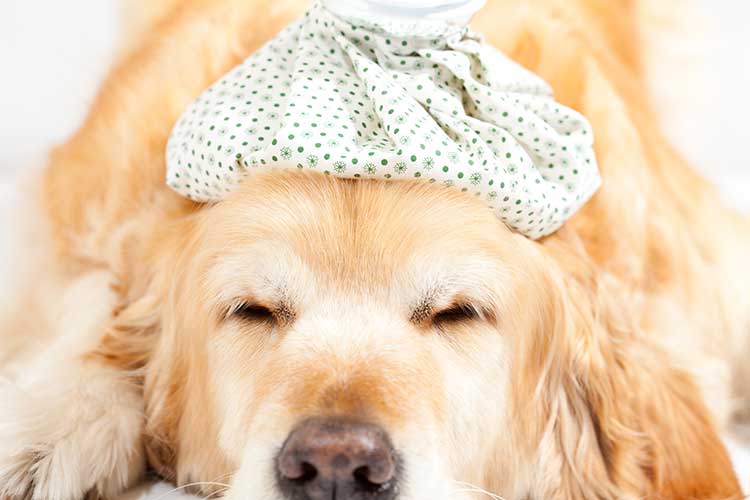
Ice Therapy
135pixels/Adobe Stock

Injuries happen, especially with younger energetic dogs. Sometimes, ice therapy is recommended after your dog’s surgery. Ice therapy can drastically reduce inflammation, swelling and pain within minutes. Regardless of the reason for ice therapy, choosing an ice pack as well as keeping your dog still and engaged during ice therapy can be challenging. Try these tips the next time you need to ice your dog’s injury.

Choose an Ice Pack

When using cold therapy for dogs, choosing an appropriate sized ice pack is essential. Refrain from using a frozen bag of peas as a cold compress because it’s impossible to keep a dog still when food is attached to her body. 🙂 While it’s tempting to fill a plastic bag with ice cubes and use that as a cold compress, this type of compress is extremely cold and can cause more harm than good.

Instead, choose a flexible, reusable and gel-filled wrap that’s large enough to cover your dog’s injury area. Ace Reusable Cold Compress wraps work really well for dogs, and are easily found at most drugstores. Gel-filled cold wraps are moldable and much more comfortable on your dog’s skin. Keep the gel-filled cold compress wrap in the freezer for immediate use.

RELATED: Caring for Your Dog After His Neuter Surgery

Exactly, Where is the Injury?

To maximize the benefits of cold therapy for your dog, find the exact location of inflammation and pain. If you’re unsure, ask your veterinarian to show you exactly where to place a cold compress on your dog. For larger areas, choose a larger cold wrap that completely covers the injured area.

Keep Your Dog Still

Keeping your dog still is the main issue during ice therapy for most pet owners. Find a comfortable place and settle in with pillows and blankets to ensure both you and your dog are comfortable. Ask a friend to give your dog treats while you’re holding the cold wrap in place.

If you’re icing your dog’s injury by yourself, use a peanut butter plate to keep her still and happy. For the most part, once a cold compress is placed properly on a painful injury, dogs will sit still and doze off.

Ice for 10 Minutes

Keep the cold wrap in place for 10 minutes, then remove and place it back in the freezer. Set a timer on your smartphone, sit back and relax while ice therapy works its magic on your dog. Sometimes, after a few minutes of ice therapy, a dog will stand up and walk away and that’s OK. Next time you’re icing your dog’s injury, try placing a thin towel between the cold compress and your dog’s skin; she may have been a bit uncomfortable last time.

Ice therapy for dogs has proven to have anti-inflammatory and pain relieving benefits. Give ice therapy a try!

Filed Under: Health, Resources Tagged With: best cold compress for dogs, cold compress dog, cold compress for dog injury, cold compress for dog wounds, cold pack for dog, dog health, dog will not stay still for cold compress, how to ice a dog's injury, ice therapy, ice therapy for dogs, using cold therapy for dogs

Your Dog Is Anxious, Now What?

August 14, 2017 by Fanna Easter

Behavior Protocol for Dog Anxiety

Dog Anxiety
mdennah/Adobe Stock

It’s a difficult moment when a dog trainer confirms your sneaking suspicion: your dog has anxiety. While it’s something you always kind of knew, it’s still difficult to digest once a professional confirms it. Before freaking out, and withdrawing from society, there are steps that can help reduce your dog’s anxiety. These tips will help get you started on a behavior protocol for success.

Take a deep breath, summon all your patience and get busy teaching your dog that scary things make good things happen. It works!

Stop the Trigger Exposure

Give your dog a trigger-free siesta from scary stuff. This will reduce your dog’s stress level and prevent your dog from practicing unwanted behavior (e.g. barking, lunging, running away, etc.). This seems simple, but it’s very difficult for most pet owners. A “trigger-free” siesta means halting all trigger exposure until your dog learns how to handle scary exposure positively. A undetermined “behavior” siesta will have a profound effect on your and your dog’s success.

During your dog trainer’s consultation, your dog’s triggers were likely discussed in detail. Triggers are events or things that cause your dog to become anxious. If your dog is afraid of meeting new people, stop all greetings immediately. When guests come over, crate your dog in another room (away from guests) with a food stuffed toy and play soft music in the background.

Many dogs are afraid of other dogs, so stop all dog-to-dog greetings and daycare events immediately. If you’re unsure of your dog’s triggers, consult a professional dog trainer who has experience working with anxious dogs.

Put a Plan Into Place

During the consultation, your professional dog trainer should provide you a list of recommended behaviors to reduce your dog’s anxiety. Of course, a trigger-free siesta should be the first step.

Next, your dog trainer should explain, demonstrate and provide a dog training plan with exact steps for the next 2 to 3 weeks. It may seem odd teaching your dog “touch” and “leave it” when your goal is to reduce your dog’s anxiety, but there’s a reason for it.

Teaching your dog to do something else, instead of freaking out, works great. Once your dog is ready and willing to greet people, “touch” is a non-confrontational way to greet guests. Also, your dog trainer should recommend tips for counter conditioning and desensitizing your dog to scary triggers, which is another important part of your dog’s behavior protocol.

Follow Your Training Plan

Training sessions should be short and fun with lots of yummy rewards. Practicing over and over again becomes exhausting so much so that many dogs will react or quit. Keep dog training sessions to 1-2 minutes long, and progress to the next step only when your dog is ready. Work at your dog’s pace, and reward generously!

Follow Up With a Dog Trainer

Solving complex dog behavior issues within a one-hour consultation is impossible, so plan to follow up with your dog trainer regularly. On average, plan a virtual phone consult every 2 weeks and an in-person consult monthly.

Each session will build upon itself until your dog’s anxiety is reduced. Skipping regular follow-up sessions will certainly halt your dog’s training process, so it’s important to have a professional guide you through the next steps.

When to Seek Additional Help

Sometimes, dogs and pet owners need additional help and that is OK. Professional dog trainers will bring in veterinary behaviorists when progress has halted. Many times, dog trainers will reach out to fellow dog trainers for a second opinion, which is a wonderful way to identify any issues. Partnership is critical when progress has stopped, so ask your dog trainer for a second opinion to boost your success.

Anxiety in dogs is quite common, but you can help reduce it by following these steps. Remember to always reach out for help when progress halts or regresses. 

Filed Under: Behavior Tagged With: anxiety dogs, anxious dog tips, dog anxiety, dog behavior, dog training, Dog Training Tips, help for anxious pet, help for scared dog, help for scared puppy, how to teach a dog, how to train a dog, my dog is fearful, my dog is scared, puppy anxiety, teach a dog, train a dog

How To Teach A Dog To Ask You To Potty

August 9, 2017 by Fanna Easter

Training Your Dog to Ask You to Potty

Dog Training Tips
brusnikaphoto/Adobe Stock

Potty training is a difficult part of sharing your home with a dog. If only puppies and dogs were pre-programmed to potty outside. 🙂 But that’s not the case, and it’s the pet owner’s job to teach a dog to potty outdoors.

Crate training and following a schedule are the foundations of potty training, but sometimes puppies and dogs need to potty regardless of a schedule. In this case, teach your dog a cue that tells you he needs to potty. Here’s how to teach your dog to ask you to potty and a few easy cues to use.

“Hello, I Need to Potty” Cue Ideas

Pick an easily visible behavior that your dog does often, and teach your dog that this specific behavior means “I’ll open the door, so you can potty.” Picking a cue is the hard part, so pick something easy. Here’s a list of easy cues that most dogs and puppies offer daily.

  • Sitting by the back door. This cue only works if you’re able to see your dog sitting next to the door.
  • Dog walks over and sits in front or side of you. (Dog trainer recommended!)
  • Puppy or dog looks at you, then the back door.
  • Walking toward the back door.
  • Sitting on a special mat placed in an easily visible area like in the living room or in front of the TV.
  • One or two barks at the door.

Choose only one cue and stick with it, and make sure you’re able to see your dog offer this behavior or it will become meaningless.

RELATED: Why Your Potty Trained Dog Pees in the House

How to Reinforce “I Need to Potty” Cue

Once you and your entire family have chosen a “I need to potty” cue, it’s time to teach your dog what the cue means. Every time your dog offers this cue, immediately get up and let your dog outside to potty.

When cooking dinner, keep an eye on your puppy and immediately bring your puppy out to potty when he offers this behavior. If you’re unable to keep an eye on your dog or puppy, put him inside his crate with a food stuffed toy.

For example, when potty training my Rottweiler, I noticed a peculiar behavior. He walked over and pushed the mini-blinds with his nose, which I assumed meant, “I need to go outside now.” I jumped up and let him out to potty.

From then on, he pushes the blinds when he needs to potty. 🙂 He learned that lightly pushing a specific blind in the living room with his nose would make me get up and open the back door for him. While this can become a pestering issue later, it’s an easy fix. Right now, it’s important to teach your dog how to ask you for a potty break.

Continue to reinforce this dog behavior, and soon your dog or puppy will learn how to tell you, “Hey, I need to potty.”

Filed Under: Dogs, Training Tagged With: best tips for potty training, dog behavior, dog potty training tips, dog training, Dog Training Tips, how to potty train a older dog, how to potty training a puppy, how to teach a dog, how to train a dog, my dog will not potty train, puppy potty training tips, teach a dog to ask me to potty, teach dog to tell you to potty

Caring For A Dog After His Neuter Surgery

August 9, 2017 by Fanna Easter

5 Dog Neuter Recovery Tips

Dog Neutering
jagodka/Adobe Stock

Oh oh, it’s that time. Your male dog is scheduled for neutering, and his appointment is coming up fast. Prior to your dog’s surgery, ask your veterinarian how to best prepare, as there are strict restrictions on food and water intake before the big day. After the surgery, she’ll give you very rigid post-operation instructions too. While you should certainly follow her instructions, I have additional recovery tips to help care for your dog after his neutering surgery!

1. Confine Your Dog

After any type of surgery, including neuters, it’s vital to restrict your dog’s movement until his surgery site heals completely. By far, this is the toughest part for most pet owners, especially those with younger dogs.

It’s best to keep your dog crated, as recommended by your veterinarian, for at least 10 days. While it seems a bit cruel, it’s best for your dog’s recovery. Stay strong and don’t give in to those sad eyes because it’s only for 10 short days. Check out crate training tips to make your dog’s crate a fun place.

If your dog strongly dislikes crate time, try confining him in a bathroom with secure baby gates. Make sure the area is comfortable with plush bedding and access to clean water. Hide a few treats inside the confined area, and always reward your dog for voluntarily walking into his crate or the area.

2. Protect the Incision Site

Your dog will pick at his incision site. It’ll hurt and itch, so prepare for it. Ask your veterinarian for an Elizabethan collar (cone) and teach your dog that putting it on and wearing a cone is fun—make it a party hat!

Keep a cone on your dog when you’re unable to watch him, such as when you’re away at work, cooking dinner, running errands or folding clothes in the laundry room. Some dogs hate wearing a cone, so try this DIY towel cone idea instead. When in doubt, put a cone on your dog. It only takes seconds for him to reopen his incision site.

3. Leash Your Dog

Swallow your guilt, and remind yourself that leashed walks are best for a dog recovering from a neuter. Leash your dog as he walks out of his crate to bring him outdoors to potty. While it’s extremely tempting to remove his leash, it only takes one incident to reopen his incision site. Walking your dog on a leash restricts his movement and prevents him from running, trotting up stairs or jumping on beds.

4. Provide Mental Enrichment

With all that boring crate time, mental enrichment is critical. Feed all meals inside of a food puzzle or stuff them inside a Kong. To make a food stuffed Kong last longer, layer kibble and canned food, then freeze overnight. Offer bully sticks, hide treats under your dog’s bedding or play some quiet games to keep your dog’s brain happily satisfied.

On average, for a dog under 2 years of age, he should enjoy at least 4-6 Kongs per day during neuter recovery. Either split meals into six separate meals for stuffing, or stuff fruits and veggies inside a Kong if your dog is watching his waistline.

5. Stay Strong, It’s Only 10 Days!

When you want to yank your hair out while your dog is howling inside of his crate, remind yourself that it’s only 10 days. It takes 10 days for a dog to fully recover from a neuter, so your daily mantra will be “it’s only for 10 days.” As each day passes, remind yourself that “it’s only 9 days” and so forth. You can do it. Stay strong and keep your baby boy quiet. 🙂

Filed Under: Health Tagged With: 2016 gift ideas under $20 dog lovers, after dog neuter tips, dog health tips, dog neuter recovery tips, dog neutering surgery tips, how long does it take for a dog to recover from being neutered, how to care for a dog after being neutered, keep dog quiet after neuter, neuter dog recover tips, puppy neuter keep quiet

Next Time Someone Wants To Greet Your Dog, Ask Your Dog First

August 7, 2017 by Fanna Easter

Give Your Dog Choices During Greetings

Dog Greeting Behavior
tamifreed/Adobe Stock

It’s all about choices, especially for dogs. Let’s face it: Dogs really don’t have many choices in life. Dogs don’t choose their roommates (i.e. other dogs), veterinarian, food, treats, daily walking path and potty times.

While I have discussed choices extensively in other articles, let’s discuss giving our dogs choices when they’re meeting other dogs or people. It’s important to note that many dogs react aggressively during greetings because they’re scared. They don’t want to meet other dogs or people, so they run away or lunge forward to stop introductions. Giving your dog a choice during greetings will drastically reduce fearful dog behavior.

Not All Dogs Want to Meet Other Dogs & People

There’s a huge human social element when dogs meet other dogs and people. Most pet owners are painfully embarrassed when their dog dislikes greetings, but they don’t know how to handle the situation. No one enjoys saying “no” to strangers or children; some may even feel conflicted, especially if their dog dislikes greetings.

Pet owners hold their breath, hoping the greeting will be better than the last one, so they stand rigidly holding their breath while their dog’s eyes widen. But there is a better way—a human socially acceptable way to stop this from happening.

Do know, most dogs are uncomfortable with greetings even if they’re meeting friendly people. If this helps, my dogs don’t meet other dogs on leash and I’m a professional dog trainer. When my dogs meet people, I give them choices during the greeting and I support my dogs’ decisions overtime.

Ask the Dog First

In the past, I instructed pet owners to say, “We’re training. No petting please” to strangers, children and other dogs when they approached for greetings. While it worked to keep others away from their dog, many pet owners felt awkward and a bit rude during these “no, stop it” interactions.

There had to be a better way that worked for everyone, especially the dog. The method I now use and tell my clients is the “Asking the dog first” method. It’s a socially acceptable way of disrupting a greeting while allowing your dog to make a choice.

Next time someone barrels toward your dog with an outreached hand, asking to pet your dog, step between your dog and the person and say, “Let’s ask my dog first.” If your dog walks over and greets the person, then reinforce calm behavior (i.e. no jumping and sitting politely for petting).

If your dog decides not to engage, respect your dog’s choice and explain, “Well, he’s feeling a bit shy today and that’s okay, so we’ll respect his choice. Maybe next time.” Many pet lovers graciously understand this explanation because no one wants to force a dog to do something he doesn’t want to do.

When Your Dog Chooses to Disengage, It’s Okay!

When your dog makes a choice, support his decision every time. Yes, it’s uncomfortable watching your dog choose to disengage and the person’s feelings may be hurt. Instead of standing quietly and awkwardly, take a moment and explain why choices are so important for dogs.

[perfectpullquote align=”right” cite=”” link=”” color=”” class=”” size=””]When your dog makes a choice, support his decision every time. [/perfectpullquote]

Lightheartedly explain, “Dogs really don’t have many choices in this world, so this is my way of offering my dog choices and it works well for both of us.” Not only are you supporting your dog’s choice, but you’re also planting the seed that dogs need choices. Soon, pet lovers will mimic this behavior, which will drastically reduce dog bites and prevent aggression.

Choices are everything!

Filed Under: Behavior Tagged With: ask the dog first, dog greeting behavior, dog greeting human, dog greeting people tips, dog greetings, dog hate people, dog hates greetings, dog hates other dogs, dog interactions, dog is scared of other dogs, dog is scared of people, dog meeting dog behavior, dog training, Dog Training Tips, how to teach a dog, how to train a dog, teach a dog, train a dog

  • « Previous Page
  • 1
  • …
  • 12
  • 13
  • 14
  • 15
  • 16
  • …
  • 135
  • Next Page »

About

Dog Training Nation is a community of dog trainers, dog owners and dog lovers. Our mission is to provide trainers and owners valuable information to enrich dogs' lives. We cover a range of topics, from socializing puppies to dealing with aggressive dog behavior to selecting the best dog products. It is our hope you share our content to make the dog and owner world a better place.

​

Facebook

Video

Dog Training Nation is a dog training blog for pet owners and dog lovers. We cover a range of topics from puppy socialization tips to dog aggression to dog health. It is our hope you share our content to make the world a better place for dogs.

Dog Training Nation

Quick Links

Dog Training
Dog Behavior
Dog Training Videos
Become a Dog Trainer
About
Contact Us

Copyright © 2026 · Lifestyle Pro Theme on Genesis Framework · WordPress · Log in