Dog Training Nation

In Dogs We Trust

  • Home
  • Training
    • Dogs
    • Puppies
    • Clients
  • Behavior
    • Breeds
  • Health
  • Safety
  • Resources
    • Equipment
    • Books
  • Dog Training Videos
  • About
You are here: Home / Archives for Fanna Easter

Does Your Dog Have An Attitude?

July 24, 2017 by Fanna Easter

Dog Attitude Problem
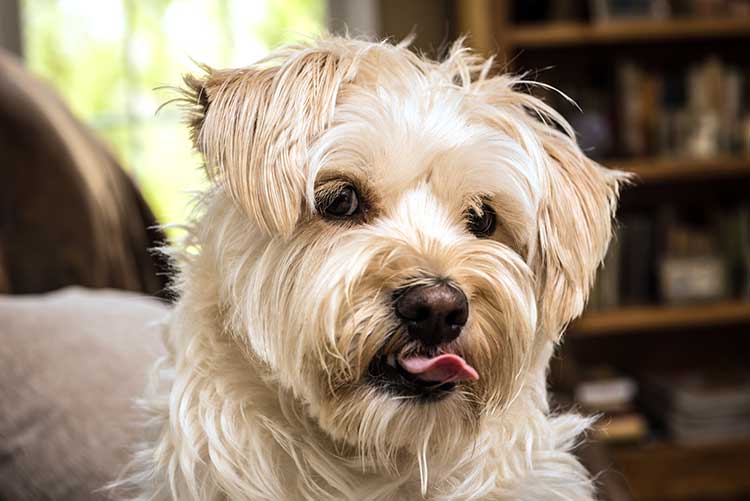
Dog Attitude
frank1crayon/Adobe Stock

So many pet owners are convinced their dogs have a major attitude; I hear it from clients daily. They become extremely frustrated when their dogs ignore cues, run away or destroy furniture. But do dogs really have attitudes? I think the answer just might shock you!

Defining Attitude

Having an attitude means someone or something is uncooperative, selfish, defensive, rude, resentful, defiant, resistant, combative and sometimes aggressive. Wow, while this may sound like your dog’s behavior, it’s important to note these adjectives are human behavior traits.

As humans, we link inexplicable, defiant and frustrating dog behaviors quickly because these traits are linked to human behaviors. Additionally, we tend to justify labeling certain behaviors because it’s what we know and are familiar with, which can be a very slippery slope. Certainly, we all know someone with an attitude, especially in certain situations, but assuming a dog has an attitude doesn’t benefit dogs nor their pet owners.

Drop the Attitude

Take a step back, and look at your dog differently. I know, it’s difficult because I’m asking you to look at your dog from a non-human perspective. When frustrated, pet owners become laser-focused and are determined to attribute human traits to a dog’s behavior. If this happens to you, take a deep breath in and remember dogs are totally different from people. Dogs live in the moment.

In previous blog posts, I’ve discussed that dogs are not vengeful, spiteful or guilty. While it seems like they are those human traits when you find dog poop in your shoe, it’s just not so. When people assume non-humans are displaying human traits, it’s called anthropomorphism.

Honestly, people do this all the time. I know I’m guilty of assuming my car is tired after a road trip, or my toaster is spiteful for burning my toast even though the settings are correct. It’s human nature and, while it’s funny at times, it’s important to understand it’s simply not true. Dogs don’t have attitudes. Dogs do not purposely act uncooperative, defiant or resistant.

Then What’s Really Going on With Your Dog?

Dogs do what works for them. They chew shoes because they’re in front of them. Dogs potty indoors because they need to potty and have not been taught to potty outdoors yet. Popping pillows and chewing furniture is fun, and it’s certainly something to do when bored. Stealing food tastes good and becomes a game. It’s that simple. Dogs don’t have pre-calculated intentions; I promise. 🙂

When dogs ignore known dog training cues, such as “sit,” it’s probably because they got too excited to respond or don’t really know the cue. It’s the same with the “coming when called” cue; most dogs have not practiced it enough to become fluent around running squirrels, passing cars, nearby dogs and so forth. Dogs don’t have attitudes. They may be confused and scared instead.

Before assuming your dog has an attitude, take a moment and look at him from a different perspective. When in doubt, pick up all chewable items, crate your dog when unable to supervise and practice cues daily.

Filed Under: Behavior, Training Tagged With: change my dog's attitude, do dogs have attitudes, does my dog have an attitude, does my puppy have an attitude, dog attitude, dog attitude problem, dog behavior, dog behavior problem, dog training, Dog Training Tips, how to teach a dog, how to train a dog, puppy attitude, training dogs

Best Chemical-Free Flea and Tick Prevention of 2017

July 21, 2017 by Fanna Easter

Recommended Flea and Tick Prevention Products

Flea and Tick Prevention
EvgeniiAnd/Adobe Stock

With a strong focus on chemical-free products for homes, it’s only natural that pet owners are seeking chemical-free flea and tick prevention options too. While many skeptics assume chemical-free options don’t work as well as chemical-laden pesticides, that’s simply not true.

Personally, I’ve found newer chemical-free pest control products work much better than their chemical-based counterparts and I’ve used both options before. Chemical-free flea protection works the quickest and lasts the longest. After years of testing flea control products in moderate and severe flea infestation areas—we live in the South—here are the best chemical-free indoor and outdoor flea products available in 2017.

Application is Key

The key to using chemical-free pest control products is to spray weekly for 4-6 weeks. While it’s tempting to focus on adult fleas because we see them, it’s important to know adult fleas are just the tip of the iceberg. Unhatched flea eggs account for 50% of a home’s flea population while the larvae and pupae stage account for an additional 45% of a flea’s life cycle (Understanding the Flea Life Cycle, 2017).

Plus, it takes 30-45 days for fleas to hatch from eggs into cocoon-spinning larvae, then pupae and finally into adult fleas. This is why natural flea and tick prevention applications, indoors and outdoors, are vital. Set frequent reminders on your smartphone. Most flea infestations return when pet owners forget to spray or skip a week.

Best Indoor Chemical-Free Pest Control Products

Over the last 20 years or so, I’ve tried dozens of chemical-free, organic and natural pest control products and many did not perform well. When searching for an effective product, look for one that repels or kills fleas and ticks within 24 hours and that lasts at least a week.

During heavy infestations, longevity may be shortened a bit with most lasting 4-5 days. Interestingly, chemical products (i.e. major name brands) took 2-3 days to become effective and only lasted 5 days during moderate to slight infestations. Hum, I found that extremely interesting.

By far, my new favorite indoor chemical-free pest control product is Wondercide Flea & Tick Indoor Home spray. Because cedar oil has an overwhelming scent, Wondercide added a bit of lemongrass essential oil into the mix for a lighter scent.

My other favorite is Vet’s Best Flea & Tick Home spray, which contains peppermint and clove oils. Oh, this one smells heavenly and works quickly!

While Wondercide products cost more than Vet’s Best, they seem to both work effectively. Vet’s Best is easily an excellent option for those on a budget. For best results, alternate between both products to help prevent pest control resistance.

WATCH: Indoor Chemical-Free Pest Control Products

Best Outdoor Chemical-Free Pest Control Products

Spraying outdoors weekly is so important. Fleas ride into your backyard on squirrels, feral cats and many other furry critters that creep around at night. For best results, mow the grass and then use a hose to spray flea and tick prevention. Really saturate shaded areas, sidewalks and patios. Rain won’t dilute the effectiveness of the chemical-free product, but instead help the natural product penetrate deep into packed dirt and mulch.

My new favorite outdoor chemical-free pest control products are Wondercide Flea & Tick Yard spray and Vet’s Best Flea & Tick Yard spray. Wondercide is a bit pricier than Vet’s Best, but it’s concentrated. You’ll need to purchase a hose attachment to dilute it during applications.

Vet’s Best is less expensive, has a hose attachment on the bottle, but goes really fast during outdoor application. Both products will repel mosquitoes too, so spray an hour before guests arrive, and you’ll enjoy an amazingly scented backyard without flying pests.

WATCH: Outdoor Chemical-Free Pest Control Products

You can’t go wrong with either chemical-free product! What natural products have you used that worked wonders at killing fleas and ticks?

Filed Under: Grooming, Health Tagged With: best chemical free flea products, cedar oil for fleas, chemical free flea product, flea and tick prevention, how to prevent fleas naturally, indoor fleas essential oils, indoor fleas natural, natural flea prevention, natural ways to kill fleas, outdoor essential oil fleas, vet's best flea review, wondered review

Does Your Dog Have Fleas?

July 20, 2017 by Fanna Easter

Keeping Your Dog Flea-Free

My Dog Has Fleas
Christian Müller/Adobe Stock

Oh, so many pet owners quickly say “no,” but are they really sure? With digestible flea and tick control supplements that require fleas and ticks to bite dogs first, before killing these annoying pests, your dog probably has fleas in his coat right now. If your dog is scratching anywhere, especially his rear end, your dog probably has fleas. Before assuming your pooch is flea-free, check him thoroughly first.

How to Check for Fleas

Grab a sturdy flea comb, cedar oil spray (Wondercide or Dr. Ben’s Cedar Spray), an alcohol-soaked paper towel, your dog and a comfy spot on the floor.

Spray a tiny amount of cedar oil on the flea comb, and start combing behind your dog’s ears. After 2 or 3 passes with a comb, lift up the comb to check for fleas. Cedar oil will stun fleas, so they don’t hop off the comb. If a flea is on the comb, wrap the comb in the alcohol soaked paper towel to kill it. Continue combing your dog while moving further down your dog’s body.

Fleas love to nest at the base of your dog’s tail and genital area, so check these areas carefully. If fleas are present, continue to comb the area and kill fleas until no more fleas appear on the flea comb.

Fleas can be anywhere on your dog, so check your dog’s entire body. Remember, presence of adult fleas are the tip of the iceberg; they make up only 5% of your overall flea infestation. Over 95% of a fleas’ population are eggs, lava and pupae, which are hidden deep inside your home or backyard. For best results, spray inside and outside of your home with chemical-free products for a minimum of 4-6 weeks.

How Often Should You Check?

Before assuming your dog is flea-free, check thoroughly using a flea comb. Sometimes, flea dirt (flea poop) is present—basically dried blood—which is a clear telltale sign. During heavy flea infestations, daily flea comb checks work best. Once flea infestations are under control, you should check your dog for fleas every week. During colder months, checking every other month will do.

When in doubt, check your dog for fleas before assuming he’s flea-free. 🙂

WATCH: How To Check Your Dog For Fleas

Filed Under: Health Tagged With: checking dog for fleas, checking puppy for fleas, does my dog have fleas, dog have fleas, find fleas one dogs, finding fleas on dog, flea dog, flea puppy, how to detect fleas, how to find fleas on dog, how to tell if your dog has fleas, my dog has fleas, my dog has fleas home remedies, what is flea dirt

Can Dogs Overheat? Oh, Yes!

July 14, 2017 by Fanna Easter

Preventing Your Dog From Overheating

Dog Overheating
George Wada/Adobe Stock

With summer temperatures soaring into the mid-90s now, it’s necessary to keep our dogs and ourselves cool through extreme heatwaves. Dogs overheat much faster than humans because they’re encased in a fur coat. It’s critical to understand how a dog overheats to prevent it from happening, and how to keep your dog cool during scorching summer months.

How Dogs Cool Themselves Down

Humans are covered in sweat glands, and we sweat when overheated. Sweating causes evaporation, which works well to cool our bodies down when it’s hot outside. Dogs have very few sweat glands. The very few that exist are mostly located on their paws where they will sweat through their pads. With limited sweat glands, dogs have a different method to cool themselves.

When a dog’s core temperature rises, he will pant to cool himself down. Science ABC explains the process of panting to cool a dog’s body down:

“The moisture on the tongue evaporates while panting, while the heavy breathing allows moisture to evaporate from the moist lining of their lungs. Furthermore, dogs cool off via vasodilation. The blood vessels in their face and ears expand, enabling the blood to flow closer to the skin, allowing heat to be exchanged with the outside environment” (2015). While panting is effective at cooling dogs down, dogs can still overheat quickly.

RELATED: Bubbles for Dogs: A Great Summer Game

Signs of a Dog Overheating

When it’s warm inside or outside, dogs will pant. As they feel warmer, dogs will increase panting to cool themselves. If they’re unable to cool themselves quickly and still exposed to high temperatures, their panting will become rapid and heavy.

Signs of a dog overheating are: heavy panting (mouth open with rapid and loud panting), drooling, eyes widening (white of eyes showing), and inability to get comfortable.

If a dog is showing signs of overheating, immediately cool him down with cool water and AC. Give the overheated dog cool water to drink and wrap his body in cold, wet towels. Instead of wrapping cold towels around a dog’s trunk, place cold towels under his arms (armpit area), tummy and inside of flanks. Now, in an air-conditioned car, immediately transport the dog to the closest veterinarian just in case.

Keeping Dogs Cool During Summer

Prevention is key because dogs can overheat within minutes in extreme weather. Keep your dog indoors with the AC blasting. While it’s tempting to raise the AC temperature while you’re away at work, this is not best for your dog. Keep the temperature at or under 78 degrees during the day, and even lower at night.

Ensure your dog has plenty of cool water and frozen food stuffed Kongs to snack on. If your dog is crated in your home while you’re away, turn ceiling fans on high and possibly add a box fan nearby too. Even though air conditioning is running indoors, having air circulating helps keep dogs cool.

Choose wire crates during summer months, so air is able to circulate better. Also, add a cooling pad to your dog’s crate. Lastly, walk your dog during the early mornings as temperatures are cooler and never leave your dog outside alone—ever.

How do you keep your dog cool during summer months?

Filed Under: Health Tagged With: can dogs overheat, dog gets too hot, dog hot, dog overheated, dog overheating, how dog cools themselves, how to keep dogs cool, overheated dog, signs of overheated dog

Can Dogs Eat Garlic? The Answer Might Surprise You!

July 12, 2017 by Fanna Easter

No, Dogs Can’t Eat Garlic

Garlic for Dogs
YB/Adobe Stock

About 20 years ago, it was completely acceptable to feed dogs garlic, and many pet owners swore garlic repelled fleas. Fast forward to today and things have changed. Garlic is now considered poisonous to dogs. What has caused this sudden change? In a nutshell, better veterinary care with sophisticated diagnostics has proven garlic is not your dog’s friend.

Garlic is Related to Onions

Garlic and onions are extremely poisonous to dogs. According to Pet Poison Helpline, ingestion of garlic can result in:

“Oxidative damage to the red blood cells (making the red blood cells more likely to rupture) and gastroenteritis (e.g., nausea, oral irritation, drooling, abdominal pain, vomiting, diarrhea).”

As a pre-veterinary major years ago, I had the opportunity to view red blood cells of a dog that passed away from ingesting onions. It was clear this poor dog’s red blood cells were ruptured, and it was very disturbing to view.

Garlic is a close cousin to onions, so are chives, and it seems garlic can cause the same dog fatalities caused by onions. This applies to garlic powder too.

How Much Garlic is Poisonous to Dogs?

In all cases, garlic ingestion is lethal in large doses, but what is considered too much? While we can assume large dogs can ingest larger doses than small dogs, that’s not always accurate.

Certain dog breeds are more sensitive to garlic than other dogs. Japanese breeds of dogs, such as Akitas, Shiba Inus, Japanese Spitz and Tosa Inus, are much more sensitive to garlic than other breeds (Pet Poison Helpline, 2017). The amount of garlic that is fatal to dogs is unknown, so it’s not worth the risk.

Healthier Options

After researching the latest information, it’s best not to feed any garlic or garlic powder to dogs. It’s just not worth the risk because you don’t know if garlic can affect your dog. Instead, add pulped raw vegetables and fruits to your dog’s meals. Raw vegetables and fruits have proven to reduce cancer in certain dog breeds. Toss in cooked oatmeal, eggs and apple cider vinegar for additional health benefits.

Repelling Fleas Without Garlic

For pet owners concerned about repelling fleas, adding apple cider vinegar (ACV) to your dog’s morning meals works just as well. Most dogs dislike the taste of ACV, so hide the bitter taste with a dollop of raw honey. Also, control your dog’s environment with weekly sprays of cedar oil and use an essential oil flea shampoo for dogs.

Skip garlic for dogs. It’s just not worth it for your dog’s health.

Filed Under: Health Tagged With: can dogs eat garlic, can my dog eat garlic powder, garlic and fleas, garlic for dogs, garlic powder for dogs, is garlic toxic to dogs, should dogs eat garlic

  • « Previous Page
  • 1
  • …
  • 14
  • 15
  • 16
  • 17
  • 18
  • …
  • 135
  • Next Page »

About

Dog Training Nation is a community of dog trainers, dog owners and dog lovers. Our mission is to provide trainers and owners valuable information to enrich dogs' lives. We cover a range of topics, from socializing puppies to dealing with aggressive dog behavior to selecting the best dog products. It is our hope you share our content to make the dog and owner world a better place.

​

Facebook

Video

Dog Training Nation is a dog training blog for pet owners and dog lovers. We cover a range of topics from puppy socialization tips to dog aggression to dog health. It is our hope you share our content to make the world a better place for dogs.

Dog Training Nation

Quick Links

Dog Training
Dog Behavior
Dog Training Videos
Become a Dog Trainer
About
Contact Us

Copyright © 2026 · Lifestyle Pro Theme on Genesis Framework · WordPress · Log in
