Dog Training Nation

In Dogs We Trust

  • Home
  • Training
    • Dogs
    • Puppies
    • Clients
  • Behavior
    • Breeds
  • Health
  • Safety
  • Resources
    • Equipment
    • Books
  • Dog Training Videos
  • About
You are here: Home / Archives for Fanna Easter

Should Dogs Drink Filtered Water?

February 8, 2016 by Fanna Easter

Tap Water vs. Filtered Water for Dogs

Filtered Water for Dogs
oneinchpunch/iStock

Providing your dog with clean water daily is a must, but some pet owners swear filtered water is better for their dogs. Should dogs drink filtered water? This is a tough question. Water supplies are strictly regulated per EPA standards, so it should be safe. However, the water crisis in Flint, MI, happened, which turned everything upside down. Personally, my dogs drink filtered water, but I know many healthy dogs that drink tap water, so it depends. I remember drinking from an outside hose as a child and I’m fine. 🙂

What’s So Bad About Tap Water?

Tap water has many additives, which keeps it safe from bacteria and chemicals. Now, I’m not worried about certain bacteria, such as E. coli, as dogs eat rotten animals and their own feces. But fluoride, which is added to all public water systems, and traces of heavy metals can cause health issues in the long run. Don’t forget, water systems contain chlorine too.

Fluoride is an extremely controversial subject pertaining to dogs. Many veterinarians feel it’s safe while others say it causes harm. We can all agree that consuming trace metals is not a good thing. So, if you’re concerned, I recommend offering your dog filtered water instead.

RELATED: 6 Tips to Help Your Dog Lose Weight

When to Provide Filtered Water

As a general rule, if you’re concerned enough to filter your own drinking water, then your dog should drink filtered water too. Also, provide your dog with filtered water if/when:

  • Traveling: You don’t know what’s in hotel water or the last time the faucet was cleaned. Besides, you should always bring plenty of water from home when traveling to prevent your dog from having loose stool due to a change in water.
  • Well water is the only option: Before providing well water to your dog, make sure it’s been tested for bacteria and chemicals that find their way into water sources. Also, check your well water for pH too.
  • Your dog is sick: If your dog is undergoing chemotherapy or fighting a serious infection or virus, provide filtered water.

Regardless of your decision, always choose what’s best for your dog.

YOU MAY ALSO LIKE: The Truth About Dog-Friendly Hotels
Filed Under: Health Tagged With: dog filtered water, dog purified water, puppy filtered water, puppy purified water, should you give dog filtered water

Best Gentle Dog Shampoo

February 5, 2016 by Fanna Easter

Gentle Dog Shampoo for Allergies & Itchy Skin

Gentle Dog Shampoo
mykeyruna/iStock

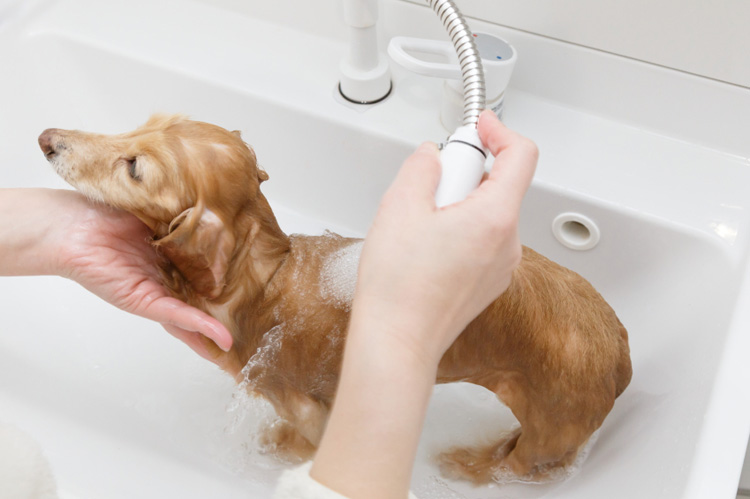
Dogs need to be bathed frequently either weekly or biweekly. When bathing your dog, always use a gentle dog shampoo to add moisture back to your dog’s coat. Gentle dog shampoos will clean your dog’s coat beautifully as regular shampoos, but they’ll also keep his skin moisturized and coat conditioned. I highly recommend using gentle dog shampoos as your regular shampoo, which can be used as needed.

Why You Should Bathe Your Dog Frequently

There are many different reasons, but usually frequent bathing is needed due to allergies. Here are the most common reasons:

  • If someone is allergic to dog dander, weekly dog baths are recommended to keep allergens (i.e. dog dander) to a minimum.
  • If your dog sleeps with you, I highly recommend frequent baths as well. This minimizes outdoor allergens and dirt from your bed.
  • Dogs with itchy skin usually benefit from frequent baths. Most veterinarians recommend a medicated shampoo, so always follow your vet’s recommendations.

Frequent Dog Bathing Tips

Make baths fun, especially if your dog needs frequent ones. Smear peanut butter on a paper plate and let your dog happily lick away while shampooing and rinsing his coat.

RELATED: How to Make Bath Time Fun for Dogs

Rinse, rinse and rinse some more. So many times, people don’t completely rinse out shampoo residue from their dogs’ coat, which makes their dogs itchy. When you don’t thoroughly rinse your dog’s coat, you leave behind dander (shedded skin cells), which can trigger allergies. While gentle dog shampoo will loosen dander, rinsing removes it from your dog’s coat. Just when you think you’ve rinsed enough, do it one more time.

Please always bathe your dog indoors and never outside. Water from outdoor water hoses are freezing, and it’s painful for your dog. You wouldn’t like bathing in cold water, so your dog shouldn’t be forced to either. Choose lukewarm water, as hot water can scald your dog’s skin. Make sure to check the water’s temperature often.

Gentle Dog Shampoo Recommendation

Gentle dog shampoos contain colloidal oatmeal, rich moisturizers and natural ingredients free of detergents. Plus, they easily rinse from your dog’s coat and leave his coat and skin clean and healthy.

By far, my favorite gentle shampoo is EQyss Premier Pet Shampoo. It’s packed full of moisturizers that clean and condition your dog’s skin and coat, yet doesn’t leave a waxy or oily residue behind. What’s left out of this shampoo is just as important; it’s free of silicone (which coats hair and weighs it down) and detergents (which dries skin). Plus, it smells wonderful and lasts several days, which most natural shampoos lack. Seriously, you’ll notice a huge difference just after one shampoo use–it’s that good.

Personally, I would skip conditioning short or medium-haired dogs’ coats, especially if you bathe them frequently. While a side effect of over-bathing dogs is dry and brittle skin and coat, over-conditioning will leave a heavy residue behind that attracts dirt. In addition, no one likes gummy hair, which happens often with over-conditioning. For long coat dogs, choose a light spray of moisturizer and only use in your dog’s coat tangles post-bath.

Filed Under: Grooming Tagged With: bathing dog tips, best dog shampoo, best everyday dog shampoo, best gentle dog shampoo, best natural dog shampoo

Flea Products for Dogs With Seizures

February 3, 2016 by Fanna Easter

Choosing a Flea Product for Epileptic Dogs

Flea Products for Dogs
pixbox77/iStock

Interestingly, there’s not much information about controlling fleas on epileptic dogs online. The little information there is about flea treatments points to a few topical flea control products, such as Frontline Plus, that no longer works.

I have a dog with seizures, and I’ve done a ton of research on safe flea products for my epileptic dog. Honestly, I agonized over the decision to use a flea product given my dog’s health. I most certainly consulted with my dog’s veterinarian, several veterinarian friends of mine and then a few more vets who all had different suggestions. Here’s what I discovered, but it’s up to you to choose the best product for your dog.

Always consult with your veterinarian first. 

RELATED: Hypoallergenic Dogs Don’t Exist

Topical Flea Products

These products are applied to your dog’s skin usually for 30 days. If your flea and tick population is under control, then these products may work well for you. Personally, I haven’t had good luck with Frontline Plus, Advantage or Advantix living in the deep South. Also, there are some dogs that have experienced seizures within a couple of days after use, so always ask your veterinarian first.

Several friends of mine with seizure-prone dogs have used Vector 3D topical flea control without incidents. The effectiveness of Vector 3D is a bit questionable though, according to Amazon reviews. It takes six hours to kill fleas that hitch a ride on your dog, but it’s definitely worth a try!

Natural Pest Control

I’ve had great results using cedar oil to control fleas. With several dilutions available, you can most certainly treat your yard and house successfully. Plus, there’s a diluted version that you can apply directly on your dog’s coat. If you don’t like the smell, there’s cedar flea spray with lemongrass as well. Check out more tips on using cedar oil to kill fleas.

Flea Collar

We think of flea collars as outdated and ineffective, but there’s a really good one out there now. We bought the Seresto Flea and Tick collar, and have been quite pleased with the results. This flea control product has been very effective in killing and repelling fleas quickly. In addition, Sobek (a Rottweiler) has been seizure-free (knock on wood!) since putting the collar on. If my dog does experience an adverse reaction later on, I can simply take the collar off.

Oral Flea Products

There are so many oral medications that kill fleas and ticks quickly once they bite your dog. However, several brands should be used cautiously with epileptic dogs. NexGard, Comfortis and Trifexis have been known to cause seizures in dogs shortly after dosing, so use cautiously.

There’s a new oral flea product in town. It’s only been on the market for a year, but it has fast-acting results. Bravecto works for three months and has by far the fastest flea-killing time compared to other oral flea products. I know several seizure-prone dogs that have safely taken Bravecto with no side effects.

Choose a flea control product you and your veterinarian feel is safe for your dog’s needs. Hopefully, these tips and research help in your decision.

YOU MAY ALSO LIKE: Insect Repellent Dog Shampoo

Filed Under: Grooming, Health, Resources Tagged With: flea collar dog seizures, flea products for seizure dogs, fleas dog seizures, frontline seizure dog

Help! We Have a Dog Flea Infestation

February 1, 2016 by Fanna Easter

How to Handle a Flea Infestation

Flea Infestations
Neonci/iStock

It’s been the warmest and wettest winter ever this year; we actually wore shorts during the holidays. While it’s a nice break from bitter cold weather, fleas and ticks thrive on this warm and wet environment, which means terrible flea infestations.

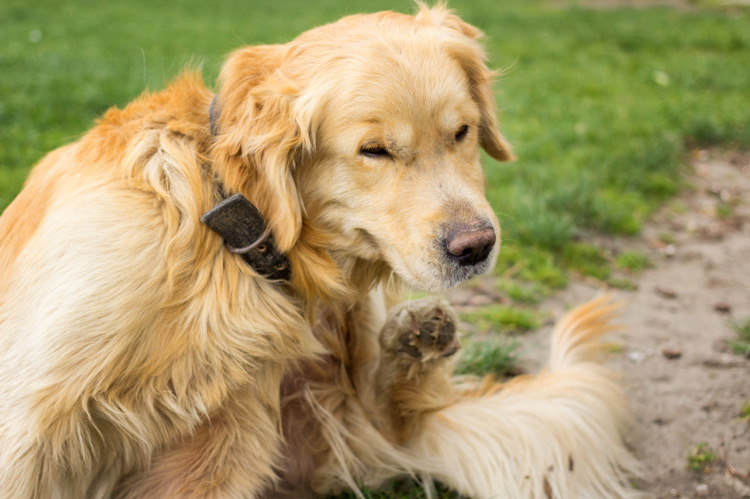
What if your dog’s flea control is no longing killing fleas or ticks? What if you have an entire flea infestation on your hands? You discover natural products, such as cedar oil, are no longer working. Well, I recently experienced this, so allow me to share my thoughts and tips about flea infestations with you.

Topical Flea Control Products Don’t Work

Topical flea control products are liquids applied onto your dog’s coat. Many years ago, they were extremely effective even in flea-laden areas, such as south Louisiana. I don’t think topical flea products are as effective anymore. I don’t blame the manufacturers for it though. I think fleas have evolved, which is just plain scary.

Both of our dogs wear Frontline Plus every 30 days (per manufacturer’s directions) and our Rottweiler still has fleas. He has so many fleas that flea dirt (flea droppings) started developing under his fur. Now, Frontline does take a few hours to kill fleas that jump on your dog, but I literally pulled 10 fleas off my Rottie in one sitting. Then, at least two fleas every day after that with the help of my flea comb. We had a problem.

When searching for a new topical flea control product, the reviews were terrible. Most pet owners complained of live fleas present despite the application of topical flea control. Now I know it takes flea control a couple of hours to kill fleas, but if there’s flea dirt, then these products are just not cutting it.

Flea Control Products That Do Work

While doing research, I was pleasantly surprised at the new products claiming to keep dogs pest-free. Most are oral medications purchased through your veterinarian and are highly effective.

While we all think flea collars went out with the hula hoop, there’s a new flea collar in town and it works extremely well. I tried Seresto’s flea and tick collar on our Rottweiler. Within a couple of days, he was flea free. While we all want instant gratification, it takes a few days of constant wear for maximum effectiveness. Also, this flea collar can last up to eight months, so I would highly recommend giving it a try. Oh, and you can order it online for best prices or at your local pet store.

WATCH: Seresto Dog Flea & Tick Collar Review (Large Dog)

Don’t Forget to Treat Your Yard

Our yard was the culprit for our flea infestation. We’ve recently had an influx of stray cats running through our neighborhood. Stray cats coupled with a warm and wet winter and you’ve got yourself fleas! For the longest time, my go-to product was cedar oil, but it was useless with our flea explosion. So, I went old-school and purchased Vet-Kem products. Vet-Kem yard spray and foggers have proven to work over the last three decades, and it costs half the price of pest control products from local pet or home improvement stores. While I hate using chemicals, I had no choice. Our dogs were miserable.

Don’t forget to re-spray 10-14 days after your initial yard and home spray. I’m not convinced pest control products kill flea eggs–we learned this lesson exactly 14 days later. Spray and spray again 10 days later!

You can get through this, but you need flea products that work!

Filed Under: Grooming, Health Tagged With: dog flea medicine, dog still has fleas, flea bites dog, flea control dog, flea dog collar, flea dog pill, flea infection dog, flea infection puppy, flea infection tips, frontline dog not working, topical flea dog products

Hypoallergenic Dogs Don’t Exist

January 29, 2016 by Fanna Easter

Hypoallergenic Dogs: There’s No Such Thing

Hypoallergenic Dogs
suefeldberg/iStock

Here’s the truth: there’s no such thing as a hypoallergenic dog. Hypoallergenic dogs began as a marketing strategy for irresponsible dog breeders many years ago. I know many websites and dog experts say differently, but please consider this important research before adopting or purchasing a dog for an allergy suffer. Get the facts first.

What Causes Allergies

If someone is allergic to dogs, she reacts to the proteins found in a pet’s dander, skin flakes, saliva and urine. Pet hair or fur collects pollen, mold spores and other outdoor allergens, according to American Academy of Allergy, Asthma, and Immunology. These substances can cause an allergic reaction or aggravate asthma symptoms in some people.

In other words, don’t assume someone is allergic to dogs. Have her tested to confirm. Testing for dog allergies is painless and will confirm possible allergens. I’ve been completely tested at least 10 times over the span of 15 years. It’s pretty uneventful, but it provides a wealth of information. So many times, dogs are tossed into shelters because of assumptions, such as being allergic to dogs. This isn’t fair to anyone, especially dogs.

Misconception of Hypoallergenic Dogs

Long, double coated or curly haired dogs shed the same amount of dander as all dogs. Somehow, Americans have been convinced that double coated dogs’ fur holds dander in or prevents dander from being shed, which is simply not true. Dogs shed skin and hair daily just like we do. Now, it may seem like double coated breeds shed less than shorter coated dogs, but that’s not entirely true either. When short coated dogs shed hair, it’s easily visible on your shirt or furniture.

However, double coated breeds must be brushed daily or their loose hair causes painful tangles. Daily brushing of long, curly haired and double coated dogs releases dog dander into the air.

Remember people aren’t allergic to dog hair; they’re allergic to dog dander, saliva and urine. In short, all dogs shed dander equally regardless of coat type.

Making a Decision

Keep it simple. If a family member is allergic to dogs, then don’t bring a dog into your home. Keeping a dog outside is cruel. This should never be a consideration ever.

If you share your home with a dog already, and a family member has recently confirmed to be allergic to dogs, it doesn’t mean the dog needs to find a new home.

  • Bathe your dog weekly with an oatmeal-based shampoo (minimizes dander and keeps molds and spores from traveling with your dog).
  • Consider allergy shots. Chances are, if someone is allergic to dogs, that person is allergic to many other things.

Getting a dog is a huge decision, so make sure you’re ready for 12+ years of commitment before bringing a dog into your home. Allergies can easily be managed. I know this personally, as I’m asthmatic and I live and work with dogs every day.

Filed Under: Breeds, Health Tagged With: allergy dogs, allergy puppies, dog allergy, dog allergy children, dogs for people with allergies, facts on hypoallergenic dogs, goldendoodle hypoallergenic dog, hypoallergenic dog breeds, hypoallergenic dogs, labadoodle hypoallergenic dog, poodle hypoallergenic, toy poodle hypoallergenic

  • « Previous Page
  • 1
  • …
  • 59
  • 60
  • 61
  • 62
  • 63
  • …
  • 135
  • Next Page »

About

Dog Training Nation is a community of dog trainers, dog owners and dog lovers. Our mission is to provide trainers and owners valuable information to enrich dogs' lives. We cover a range of topics, from socializing puppies to dealing with aggressive dog behavior to selecting the best dog products. It is our hope you share our content to make the dog and owner world a better place.

​

Facebook

Video

Dog Training Nation is a dog training blog for pet owners and dog lovers. We cover a range of topics from puppy socialization tips to dog aggression to dog health. It is our hope you share our content to make the world a better place for dogs.

Dog Training Nation

Quick Links

Dog Training
Dog Behavior
Dog Training Videos
Become a Dog Trainer
About
Contact Us

Copyright © 2026 · Lifestyle Pro Theme on Genesis Framework · WordPress · Log in