Dog Training Nation

In Dogs We Trust

  • Home
  • Training
    • Dogs
    • Puppies
    • Clients
  • Behavior
    • Breeds
  • Health
  • Safety
  • Resources
    • Equipment
    • Books
  • Dog Training Videos
  • About
You are here: Home / Blog

Cruciate Ligament Repair in Dogs

February 11, 2015 by Fanna Easter

Survival Guide After Injury
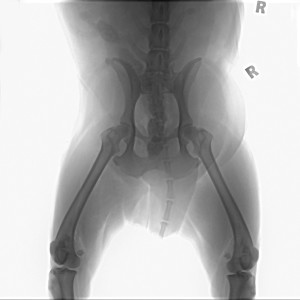
Cruciate Ligament in Dogs
Always confirm diagnosis of cruciate ligament tears.

It just happened to me. Sobek, my Rottweiler, was gleefully playing outside and the unexpected happened. He yelped and refused to put weight on his left rear leg. After an ER visit, it was confirmed. Cranial cruciate ligament tear. Darn!

This last week has been a whirlwind of research. Should Sobek have surgery? If so, how should I choose a veterinary surgeon and how should I prepare? As a seasoned dog person, I was totally overwhelmed so I’m more than happy to share my finding with you. Hopefully, this will make things a tad easier. If this should ever happen to you and your dog.

Right After the Injury

Take a few deep breaths and bring your dog inside. Contact your vet and schedule an appointment. It may not be a partially or completely torn cruciate ligament.


Always confirm diagnosis of cruciate ligament tears.


Until your vet appointment, walk your dog during potty breaks on leash. It’s important to stop dogs from running and playing, which could cause further injury. Secondly, keep your dog quiet in your home. When I crate Sobek, he seemed a tad more sore, as I’m sure he could not extend out his hurtful leg. I created a gated off area in our living room with toys and chews so he could fully extend his legs during naps while keeping him still. Sobek is 2 ½ years old so keeping him quiet has been a challenge.

Surgery or Not?

Oh, there’s a ton of information out there, but tune out the noise and ask the experts. Conservative management (CM) is an option, which means keeping your dog quiet while allowing your dog’s knee to repair itself. Now, CM does not mean crate your dog for 6 months — that’s actually the worse thing you could do. CM involves a long process of rehabilitation and massage as well as using a brace and laser treatment for a minimum of 6 months.

RELATED: Conservative Management

When Sobek partially tore his cruciate ligament, I contacted several board certified veterinary orthopedic surgeons. Every one of them stated that CM provides best results for dogs under 30 pounds and older dogs with lower energy levels. I’ve read of several large dogs healing fine with 6-8 months of CM. This is your decision. Personally, I would rather do CM over surgery any day, but Sobek is young, has high energy and weighs 120 pounds.

Choose a Board Certified Veterinary Surgeon

Cruciate ligament tears are so common that most general practitioner vets are offering these services, but I highly recommend choosing a board certified veterinary surgeon instead. Veterinary surgeons have “undergone additional training after veterinary school in order to become a specialist. This training consists of a minimum of a 1-year internship followed by a 3-year residency program that meets guidelines established by the American College of Veterinary Surgeons (ACVS)” per the ACVS.

Plus, these experts are trained using the most updated techniques and are required to handle difficult cases on a daily basis. Most repair 100-150 cruciate ligaments per year. Think about it: Would you allow your general practitioner to perform knee surgery on you? Probably not so seek out an expert in your area. Your regular vet will send a referral to your chosen veterinary surgeon and an exam will be scheduled. Find a board certified veterinary surgeon at ACVS’ website.

TTA and TPLO: What Should You Do?

Oh this decision tormented me. I had a tough time choosing which surgical repair worked best for Sobek so I turned to research data.  TTA and TPLO actually provide the same results even though the surgeries are different. My advice is to pick a veterinary surgeon and discuss options. The surgeon will spend plenty of time discussing all options and making recommendations. If you’re not comfortable with this surgeon, choose another one. You’ll be in contact with her for the next 6 months so find one you trust.

Find a Qualified Canine Rehabilitation Expert

This is the secret ingredient: Rehab matters! Sitting at home with a bum knee will make it worse. You must use it to regain full range of motion and build or maintain muscle mass. Your veterinary surgeon will usually have recommendations. With your rehab specialist and surgeon, you’ll create a custom post-op plan for your dog. Rehab is a must after surgery. All I can say is go, go, go! We found an excellent rehab specialist who will work with our veterinary surgeon. They’re actually in the same building!

Ask questions. Tune out all the noise (different opinions) and choose a veterinary surgeon you trust. Be your dog’s voice!

READ ALSO: Preparing for Dog Cruciate Ligament Surgery

Filed Under: Health Tagged With: choosing a vet surgeon to repair a torn ligament, cruciate ligament in dogs, cruciate ligament in dogs conservative treatment, cruciate ligament in dogs treatment, cruciate ligament surgery, how to choose a veterinary surgeon, repairing a torn cruciate ligament in dogs, torn knee ligament dog

Preparing for Dog Cruciate Ligament Surgery
February 11, 2015 by Fanna Easter

Preparing Your Dog’s Recovery Area

Cruciate Ligament in Dogs
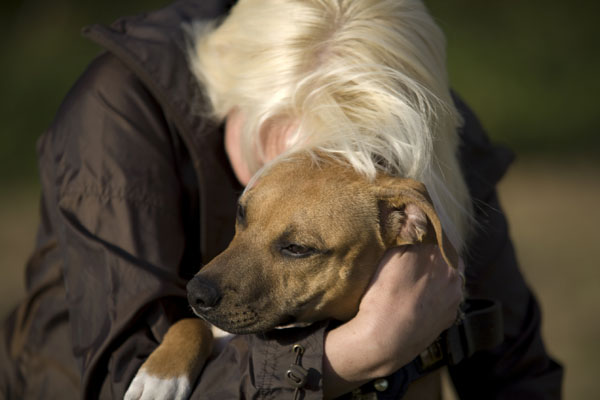
Prepare a comfy and enclosed area for your dog to recover.

If you’ve decided to pursue dog cruciate ligament surgery, check out these tips to prepare your dog for surgery. It’s best to prepare your dog’s recovery area before he comes home from surgery.

Your Dog’s Recovery Area

The first several days (day 1 to day 6) are the toughest so prepare a comfy and enclosed area for your dog. It’s best to place your dog’s recovery area in the living room where the family spends the most time so you can keep a close eye on his recovery. If you’re lucky to have your bedroom on the first floor, as walking up and down the stairs is a no-no, add an additional area next to your bed. If not, take a look at the tips below.

Choose a Quiet Location

If you have young children or several other dogs, choose a quieter area where you can still monitor your dog’s recovery. If needed, you can block off an area to prevent young children or other dogs from peeking in and disrupting your post-op dog.

Gates (Enclosed Area)

When you’re home, an enclosed area with freestanding gates are extremely helpful. Your dog can stretch out under your supervision. When setting up an enclosed area, choose foldable gates that are sturdy. The metal ones can be easily knocked over while a post-op dog tries to turn around. Personally, I recommend North States Industries Superyard In-Out 8 panel gates for larger dogs. For medium and smaller dogs, the 6 panel version is recommended. North States gates are made of plastic with wider panels, which withstands bumping and pushing, meaning it will not fall over. Plus, the panels have non-slip pads, which prevent scratching of hardwood floors. And the icing on the cake is the price ranges between $60 to $80 — a bargain!

Crates (A Must-Have)

Crates are still a must, especially when you are away from home, because your dog should keep movement to a minimum during the first few days. If your dog is crate trained, continue to use his regular crate. My dogs have a larger crate (1 size up from their normal crate size) for extra room, which can be helpful for post-surgery dogs to turn around. Plastic and wire crates work fine, but I would not recommend fabric crates since they are unsteady and can easily flip over.

RELATED: Crate Training

Bedding

Cover the enclosed area with a padded and non-slip rug. This prevents chances of slipping during recovery. During the first few days, add an easily washable bed, which makes things much easier when accidents happen. The same goes for your dog’s crate. Add a non-slip rug and then an easily washable bed.

Towels

Keep a stack of towels close by to wipe up water spills, vomit and accidents. In a pinch, you can use a towel as a sling.

Before you know it, your dog will be putting weight on his leg and recovery will fly by!

READ ALSO: Dog Cruciate Ligament Surgery

Filed Under: Health Tagged With: acl surgery dogs recover, cruciate ligament tear dog, dog acl, dog acl recovery, dog cruciate ligament surgery recovery, dog cruciate ligament surgery recovery tips, dog torn acl, dog trainer tips for acl repair, ruptured acl in dogs, tips for acl repair for dogs

Dog Cruciate Ligament Surgery

February 10, 2015 by Fanna Easter

Preparing for Your Dog’s Recovery

Cruciate Ligament in Dogs
We often forget ourselves while our dogs recover from surgery.

This is a part we forget ourselves. Overall, our dogs recover faster than we do so set an area up for you too. Since dogs recovering from cruciate ligament surgery should not use stairs, you may need to sleep downstairs with your dog. Your dog will need you because he’s scared, in pain, have limited movement and a bit out of it due to pain medication so plan to stay close.

What You’ll Need

Purchase or gather these items at least a week before surgery, if possible:

Blow up mattress

If your bedroom is upstairs, this means your dog needs to remain downstairs as stairs are a no-no. Purchase a blow up mattress and place next to your dog’s crate in an enclosed area. Don’t forget to purchase sheets and pillows. You’ll need your rest so have a comfy spot right next to your dog, which will comfort you both.

Small lamp next to your blow up mattress

Trust me, you’ll wake up in the middle of the night panicked even though nothing is wrong. Placing a small lamp next to your bed allows you to check in with minimal disruption to your dog. Once you realize all is good, turn it off and get some rest.

Sound machine

I love using sound therapy for calming stressed dogs (and people). It’s so effective. Plus, some dogs whine due to pain medications. Sound machines will keep you close to her while ensuring you get some sleep too.

RELATED: Calming Music for Dogs

Groceries

Purchase enough food and snacks for 7 days. The last thing you should worry about is grocery shopping. Also, as a backup, find a few restaurants that deliver to your area.

What to Do

Take a few days off

If possible, taking a few days off from work will make your life so much easier. If this is not an option, request a surgery day before a weekend. Most cruciate ligament surgery patients will stay overnight so plan on picking your dog up on Friday and spending Saturday and Sunday with her. As mentioned before, the first few days are the toughest. Ask dog-savvy friends or experienced dog sitters to stay with your dog while at work at least for the first week or so.

Join Orthodogs on Facebook

You’ll need moral support from folks who have been through the same thing. I adore Orthodogs. They will be there for you in the middle of the night and calm you when you’re in tears. Plus, they cheer you on during positive milestones!

Mentally prepare yourself

Prepare yourself mentally before surgery. Your dog’s affected leg will be shaved and there will be a decent size incision along her knee. Usually, the day after surgery, you’ll notice bruising, which can last for 5-6 days. Also, your dog will zone out. She’s taking a large amount of pain medication now so she’ll likely stare off, vocalize more and seem restless. Cruciate ligament surgery is a major surgery so most people spend a week in the hospital.

Get some sleep now

Instead of hovering over your dog now, get some rest. Trust me, there will be plenty of time for hovering after surgery so get your much needed rest now.

You will cry. We all do so be kind to yourself and know many folks have been through this with their dogs too. Hugs for a speedy recovery!

You may also like: Why You Should Get Pet Insurance

Filed Under: Health Tagged With: acl surgery dogs recover, cruciate ligament tear dog, dog acl, dog acl recovery, dog cruciate ligament surgery recovery, dog cruciate ligament surgery recovery tips, dog torn acl, dog trainer tips for acl repair, ruptured acl in dogs, tips for acl repair for dogs

How to Stop Bullying Behavior

February 10, 2015 by Fanna Easter

Interrupting Puppy Play

Bully Dog
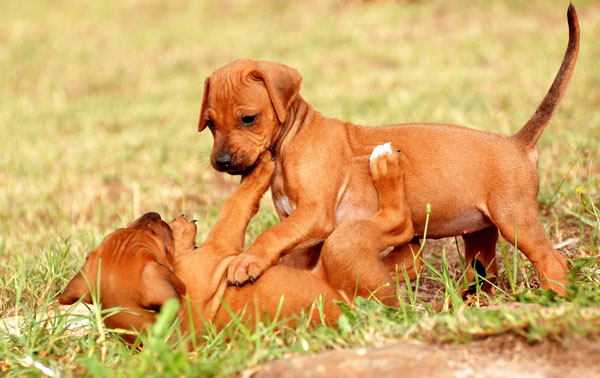
The top puppy is bullying. Notice her straight lines and stiff body.

As pet parents, it’s our duty to protect our puppies and dogs. Be your dog’s voice is my motto. Dogs can’t speak, but we can. Yes, bad things happen in life, but that doesn’t mean we should allow bullying to happen. Honestly, watching your dog, or someone else’s dog, being bullied is cruel. By saying or doing nothing, you’re saying it’s okay so let’s chat about how to interrupt puppy play.

Are Puppies Having Fun?

If you’re not sure, pick the “top” puppy (puppy on top of the other puppy) up and hold her waist high. If the bottom puppy jumps up and wants to continue playing with the top puppy, then puppy play was fun. If the bottom puppy runs away, then the top puppy was being a bully. Remove the bully from the playgroup. If not, she will chase down this puppy again, or pick another one, and bully her too.

RELATED: Appropriate Puppy Play

How to Stop Inappropriate Play

When you recognize bullying behavior, step in immediately. Time is of the essence here.

Puppy Being Picked On

If your puppy is being picked on, pick her up and hold waist level. Don’t forget to tuck her tail under her because a bully will jump up and try to pull her tail too.

Bully Puppy

For bully puppy pet parents, it’s best to pick up their puppies and remove them from the play session. Bring her outside the play area, attach her leash and go for a long walk. Trust me, allowing your bully puppy to continue playing will not cure her naughty behavior. It will make it worse. Plus, it’s not fair to the other puppies. Before you think I’m judging, I’ve been that pet parent before — Stella Mae is a bully. We tried puppy playtime, but she insisted on pinning and chasing. I removed her within seconds. Instead of relying on puppy play to exhaust her, I brought her on walks.

You can teach bully puppies to play nicely. However, it’s best to partner with a professional dog trainer. It’s not easy as you think. 🙂

Be your puppy’s voice!

More:
How to Train a Puppy
Top 10 Puppy Training Tips
Surviving the First Night with Your Puppy
Complete New Puppy Checklist

Filed Under: Behavior, Puppies, Training Tagged With: how to stop dogs from picking on your dog, interrupting puppy play, is your puppy a bully, my puppy gets picked on, my puppy is a bully, my puppy is scared of other puppies, puppy play, puppy play session tips, puppy playtime, puppy playtime tips

Training Dogs Polite Greeting Behavior

February 9, 2015 by Fanna Easter

Stop Your Door-Dashing Dog

Training Dogs Polite Greeting BehaviorIf your dog thinks the door threshold is the Indy 500 line, then check out these door-dashing dog tips. Plus, check out demo videos that teach large and small dogs.

What is Door Dashing?

Door dashing is about excitement on the other side. Dogs can’t wait to see what’s happening. Have you seen children piling out a doorway, trying to get into Chuck E. Cheese or Disneyland? That’s door-dashing at its finest. 🙂

Door dashing has nothing to do with aggression, mate seeking or dominance. This is totally unproven. If your dog barks and lunges at guests coming through the door, this is totally different than door dashing. This sounds like defensive aggression, meaning he is afraid of what’s coming through the door.

RELATED: Dog Aggression

Teaching Polite Door Manners

It’s all about consequences. If you push or rush toward the door, it closes. If you move away from the door, it opens —  voila! Dogs pick up on this quickly too. Even the best door dashers can learn polite manners within minutes.

Opening and Closing the Door

Before we start, let’s chat about opening and closing the door. Never close your dog’s nose in the door. This will teach him to be afraid of the doorway. By slowly closing it, you’re keeping the door from opening further. Close the door as your dog moves his nose from the open crack. If your dog’s nose remains in the crack of the door, hold the knob to prevent the door from opening further. After a few seconds of sniffing or patiently waiting for you to open the door further, your dog will walk away. He knows it’s not working. This is a good thing since your dog is learning that door rushing is not working.

Rewards

Most dogs love playing in the yard, going for walks or having guests visit so they get super excited about going through a door. Use this excitement as a reward! If you want, you can toss a treat just outside the open door for a super nice reward.

Front Door Precautions

Living in an urban area, about 40% of my clients don’t have backyards so they reward with walks. Plus, door dashing happens when guests come over when dogs wait for the moment to dash through the door and romp the neighborhood. Yikes! When practicing polite greeting manners using the front door, make sure your dog is leashed.

Adding a Cue

When teaching polite door manners, you can use a verbal cue, such as “wait” at the door. Think of a “wait” cue as a pause button when your dog remains with you until released. Personally, my cue for “wait” at the door is my hand touching the doorknob. Then, I say “yes” or “OK” to release them. Now, you can say “wait” if you like. It’s up to you.

How to Stop Your Dog From Door Dashing

Practice each step until your dog will wait patiently for the door to open all the way.

  1. Place your hand on the doorknob. If your dog rushes toward the door, remove your hand from the knob. Note, the door has not opened yet. Most dogs will launch toward the door when you touch the knob. 🙂
  2. Now, slowly open the door to leave a tiny crack. Keep practicing until your dog moves away from the cracked door. Once he ignores the opening door or moves away from the door as it opens, say “yes” or “OK” and open the door.
  3. Open the door further, working in small increments. When your dog waits, moves away from the door, sits, lays down or whatever, say “yes” or “OK” and let him out in the backyard.

Door-Dashing Dogs: Tips for Small Dogs Video

Personally, I find teaching polite greeting manners a tad more difficult with smaller dogs. Small dogs can fit through small door cracks and between your feet so it’s probably best to leash them during the first steps.

Teaching Door Manners to Big Dogs Video

Larger dogs are pretty easy to teach polite door manners. If you’re unsure, leash your dog during the first steps.

Happy training!

You may also like: My Dog Refuses to Move

Filed Under: Behavior, Dogs, Training Tagged With: dog runs out door, door dashing dogs, how to teach polite door manners for dogs, how to teach your dog to wait, how to teach your puppy wait, my dog always runs of door, my dog charges through the door, my dog keeps running out the door, my dog runs of the door, preventing dog door dashing, puppy runs of door, teach your dog to wait at the door, teaching dogs not to run out the door, tips for dog dashing dogs, tips for teaching your dog not to run of the door

  • « Previous Page
  • 1
  • …
  • 102
  • 103
  • 104
  • 105
  • 106
  • …
  • 135
  • Next Page »

About

Dog Training Nation is a community of dog trainers, dog owners and dog lovers. Our mission is to provide trainers and owners valuable information to enrich dogs' lives. We cover a range of topics, from socializing puppies to dealing with aggressive dog behavior to selecting the best dog products. It is our hope you share our content to make the dog and owner world a better place.

​

Facebook

Video

Dog Training Nation is a dog training blog for pet owners and dog lovers. We cover a range of topics from puppy socialization tips to dog aggression to dog health. It is our hope you share our content to make the world a better place for dogs.

Dog Training Nation

Quick Links

Dog Training
Dog Behavior
Dog Training Videos
Become a Dog Trainer
About
Contact Us

Copyright © 2026 · Lifestyle Pro Theme on Genesis Framework · WordPress · Log in