Dog Training Nation

In Dogs We Trust

  • Home
  • Training
    • Dogs
    • Puppies
    • Clients
  • Behavior
    • Breeds
  • Health
  • Safety
  • Resources
    • Equipment
    • Books
  • Dog Training Videos
  • About
You are here: Home / Blog

ID Tags and Microchips: Are They Necessary?

November 5, 2014 by Fanna Easter

Save Your Dog with Identification
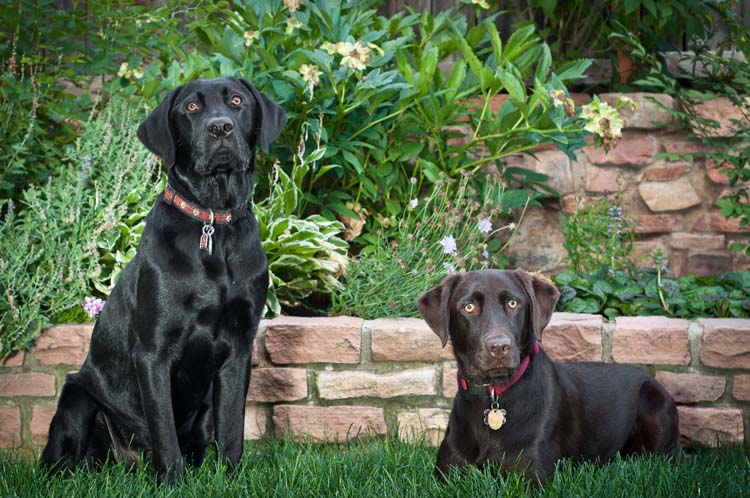
Microchipping Your Dog

We never plan for our dogs to get lost. My heart sinks when I think about it. So let’s be prepared! Before taking road trips with your dog, let’s discuss a couple tips that could save your dog’s life!

ID Tags: A Must Wear for All Dogs

If your dog should become lost, an ID tag will quickly identify and provide valuable information to his “founder.” ID tags are attached to your dog’s collar.

What information should you add to your dog’s ID tags?

My recommendations are: dog’s name, your last name, your cell number and your dog’s medical issues (example: Stella Smith, 212-211-2222, Has Seizures). While ID tags are getting smaller, it’s tough finding space to add your address. So, why not add several ID tags?

What type of tag should you choose?

With so many options, it’s up to your dog’s activity level and your personal preference:

  • Hanging ID Tag: Most popular, hangs from the D ring of a collar, can be noisy, more likely to fall off a dog’s collar.
  • Embroidered Collar: ID information is embroidered across a collar,  popular with owners wanting a “noiseless” version, less likely to fall off than a traditional hanging ID tag, larger lettering is easily seen.
  • Belt Buckle Type Tag: Metal “belt buckle” tag, which slides on a nylon or leather collar, tag is slightly bent to curve around dog’s neck, noiseless, less likely to fall off than a traditional hanging ID tag.

If traveling, I add a temporary ID tag with my final destination. This is very helpful if traveling through many states.  To draw attention to the traveling tag, I usually print in red font, cut to fit the width of my dog’s collar width, laminate and staple to the nylon part of the collar. All other ID tags remain in place. Example:  Traveling to 211 Johnson St, Nashville TN 37444.

Microchipping: Please Chip Your Dog

Your vet places a small microchip, about the size of a grain of rice, under the skin between your dog’s shoulder blades. If your dog is found, a shelter or vet can scan the chip which provides your information. Microchips must be registered by the manufacturer so they can store your data. Plus there is usually a small yearly fee. When your vet inserts the microchip, she’ll provide you with details on registering the chip.

Yes, I highly recommend microchipping your dog too!

GPS Dog Collars?

With a surge in GPS devices and smart phones, we’re seeing GPS ID tags and collars enter the pet industry. You attach a water resistant device to your dog’s collar and it uses GPS and Google Maps to locate your runaway dog. Did I mention this device will track your dog’s activity level too!

There are a few to choose from, but from reviews, it seems bugs need to be worked out first. Devices are losing battery quickly (less than 24 hours), websites struggle to show a lost dog’s exact location, devices easily fall off a dog’s collar and disruptions in service are frequent. Alas, these devices are here to stay and manufacturers are updating their products constantly. I’m excited!

If this piques your interest, take a peek at Consumer Reports review of GPS Dog Collars. Another contender, WhistleGPS, is due out in 2015! They will unveil a smaller device, incorporating Wifi and Bluetooth capabilities, which extend battery life to over a week.

Have you tried a GPS Collar? What are your thoughts?

Filed Under: Equipment, Resources, Safety Tagged With: different types of dog id tags, dog id tags, dog travel safe, gps dog collar, how to secure crate in car, how to travel with dogs, keeping dog safe in car, microchipping, proline crates, road trip with dog, road trips with your dog, safe travel dogs, safe ways to transport your dog, safest dog seat belts, safest plastic crate for dogs, sleepypod seat belts, travel safely with your pet, traveling with dog dogs, traveling with pets

Packing a Pet First Aid Kit

November 5, 2014 by Fanna Easter

Pet First Aid Kit
Find out what should be in every pet first aid kit.

Dog Supplies

First aid kits for dogs are essential, especially if your dog needs daily medications. When heading out on road trips with your dog, toss his first aid kit in the car. You never know when you’ll need it!

Dog First Aid Kits Options

You can easily purchase a complete first aid kit or design your own. Both have benefits:

  • Purchasing a complete kit saves time and contains less. On the downside, most contain generic supplies in a limited space bag (smaller bag), preventing space for additional items.
  • Creating your own kit takes a bit more planning and time. However, you can add specific items for your dog’s needs.

Option 1: Purchasing a Complete First Aid Kit

With so many pet first aid kits out there, I’ve searched and searched and found the first best first aid kit for the price.

Pros:

  • All essential supplies included
  • Items are clearly labeled (huge plus!)
  • Great buy for price
  • Roomier bright-colored bag to add additional items

Cons:

  • Refrain from purchasing the optional stapler (no explanation needed, leave it to a vet)

Option 2: Creating Your Own Dog First Aid Kit

Print a list of contact phone numbers, laminate if possible, and place in first aid kit. Also, include an up-to-date phone number of your dog in case he gets lost. Include:

  • Animal Poison Control Center: 888-4ANI-HELP (888-426-4435)
  • Your vet’s  phone number
  • Nearest ER vet’s address/phone number
  • Dog’s microchip number
  • Copy of rabies certificate
  • Health history for dogs with medical conditions (diabetes, Addison’s disease, etc.)

Essential First Aid Supplies:

  • Download and review Pet First Aid App on your phone
  • Sterile non-stick gauze pads (2×2 and 4×4)
  • Absorbable gauze pads
  • Gauze wrap (1 inch)
  • Sterile saline solution (for rinsing wounds, found at pharmacies)
  • Antiseptic wipes (such as Hibitane)
  • Tweezers
  • 2-inch wide vet wrap (use as a protector for bandages)
  • Hydrogen peroxide (small bottle to induce vomiting)
  • Instant ice packs (reduce swelling, pain or heat exhaustion)
  • Hot packs (keeps dog warm)
  • Blunt nose scissors
  • 1 pair sterile plastic gloves
  • Rectal thermometer (dog’s normal temperature is 100-103 degrees)
  • Petroleum jelly (small squeeze tube, use for inserting the rectal thermometer)
  • 1-inch wide adhesive tape (used to secure pads and wraps)
  • General purpose triple antibiotic ointment (can purchase at a pharmacy)
  • Muzzle (even the nicest dog can bite when in pain)
  • Phazyme (Simethicone) Ultra Strength Anti-Gas gel capsules (give immediately if you suspect Bloat -Gastric Dilation-Torsion)
  • Bright-colored durable bag with multiple zipper compartments

Extremely Useful Additions:

  • Pen light
  • Tick remover
  • Diphenhydramine (Benadryl)
  • Immodium and Probiotics (ease diarrhea)
  • Wound spray (such as Vetericyn)
  • Wound cleaner (Nolvason 4 oz)
  • Large and small syringes (flushing wounds)
  • Rescue Remedy (give 2-4 drops on your dog’s tongue, helps to calm him)
  • Eye ointment (non-prescription)
  • Vet-prescribed pain medicine
  • 1 week supply of vet-prescribed medication needed for your dog
  • Paw protecter covers (keeps paw or toe wounds clean and dry). In a pinch, tape a plastic bag over the dog’s paw when bringing outside to potty. Remove afterwards so wound can breathe
  • Alcohol-free Bitter Apple (prevents dogs from chewing bandages)

 What’s in your dog’s first aid kit?

Filed Under: Equipment, Resources, Safety Tagged With: american red cross pet first aid kit, best pet first aid kit reviews, dog first aid checklist, dog first aid kit, dog first aid list, making a pet first aid kit, pet first aid, pet first aid app reviews, pet first aid certification, pet first aid checklist, pet first aid essentials, pet first aid supplies, pet tech first aid app review, pet tech pet first aid app, put together a pet first aid kit, red cross pet first aid app, red cross pet first app review, should you download a pet first aid app, what should go in your pet first aid kit, what to put in a dog first aid kit

Pet First Aid Phone App Reviews

November 4, 2014 by Fanna Easter

Review of First Aid Apps

First Aid Apps for Dogs

Really, there is an iPhone app for everything! If you’re a pet owner, I highly recommend downloading and reviewing this app before an emergency or road trip with your dog. To help you choose, let’s discuss the most popular pet first aid phone app reviews with options for each. After you download the first aid app, I highly recommend completing a pet first aid class too!

Note: Pet First Aid apps should not replace regular veterinary checks.

American Red Cross Pet First Aid App

Red Cross has been a pillar in first aid for many years and now they’ve created a pretty awesome pet first aid app.

  • Regardless of location, this app can locate the nearest AAHA (American Animal Hospital Association) accredited veterinary hospital or emergency hospital (depending on time of day) from your current location. This is a must-have if you travel often with your dogs!
  • It has simple step-by-step instructions for over 25 pet emergencies.
  • It contains short and informative videos demonstrating CPR and other pet emergencies.
  • You can create folders for multiple pets, including their veterinary information, microchip number, upload a current photo and so much more.
  • It’s packed with preventive care tips.

Pet Tech Pet First Aid App

  • Regardless of location, this app can locate nearest veterinary hospital or emergency hospital from your current location. When searching, list appears using Google Maps with contact information listed, and you’re able to directly call from list. It’s a must have!
  • Snout to Tail assessment for preventive care video
  • Create ICE Folders with important pet and veterinary information, such as microchip information and pet identification tag for multiple dogs
  • Simple step-by-step instructions
  • Information videos demonstrating CPR and other pet emergencies
  • Immediate access to National Animal Poison Contact Number


Which pet first aid app is your favorite? What are your reviews? I have still not decided which one I’ll purchase, but I’m strongly leaning on the Pet Tech app or maybe the Red Cross app. I can’t decide!

Filed Under: Equipment, Resources, Safety Tagged With: american red cross pet first aid kit, best pet first aid kit reviews, dog first aid checklist, dog first aid kit, dog first aid list, making a pet first aid kit, pet first aid, pet first aid app reviews, pet first aid certification, pet first aid checklist, pet first aid essentials, pet first aid supplies, pet tech first aid app review, pet tech pet first aid app, put together a pet first aid kit, red cross pet first aid app, red cross pet first app review, should you download a pet first aid app, what should go in your pet first aid kit, what to put in a dog first aid kit

Selecting the Best Dog Seat Belt

November 4, 2014 by Fanna Easter

Keep Your Pet Safe While Driving

Safety Belts for Dogs
Always secure your dog while traveling in a vehicle.

Road trips with your dog are amazing! Let’s chat about adding crates and seat belt harnesses to future trips with your dog, as we want to keep him safe. Before you shell out hard earned cash, let’s discuss which crates and seat belt harnesses really work.


 Always secure your dog when in a vehicle even if driving around the corner.


Crates

With so many crates to choose from, which crate is safer? Crates are wonderful at containing your dog, preventing him from chewing car interior or luggage, containing accidents (vomit or diarrhea) and protecting car interior from a wet dog.

I’ll provide a few options, but first understand there are no rules for crash testing crates in the U.S. Scary, I know! With this in mind, I’ve done extensive research, which includes polling dog professionals, such as veterinarians, professional dog trainers, and renowned dog show experts. So here are the results:

Option 1:

  • Variocage and Proline crates have been crash-tested in other countries and range between $500 -$1,300 depending on size of your dog.

Option 2:

Plastic airline-approved Vari-Kennel secured with 3 racket straps. Airline approval is earned, not just an attractive sales benefit, as the FAA has strict regulations on keeping pets safe.

  • Plastic crate keeps items from penetrating the dog crate during accidents. During crashes, wire crates can crumble inwards and harm a dog. Fabric crates tear and are pretty useless if a crash should occur.
  • Nuts and bolts securely hold plastic crates together. Interesting to note, snap-sided or latches are not airline-approved.
  • 2-3 racket straps: Choose 1-inch wide straps and verify their web break and work load limit. Most are 400 lbs plus. Choose length depending on size of your crates.
  • Secure to tie down hooks or tether straps located in most SUVs and vans. If you can’t find them, look behind the rear seats for car seat tether straps. Depending on size of crate, secure one racket strap across the top of the crate. Then secure the other racket strap around the width of the crate. If your crate is larger, you may need additional racket straps. You may also need additional racket straps depending on location of crate and tie down hooks in your vehicle.
  • Smaller crates must be placed and secured on the floor of a vehicle. Studies have shown that smaller crates, which are seat belted in a car seat, have been known to crush during a crash. The seat belt constricts, which can crush a plastic, wire and most certainly a fabric-sided crate.

Seat Belt Harnesses:

Luckily, there are crash testing rules for a seat belt harness (woot woot!). Before strapping your dog in a seat belt harness, there are a few rules.

  • Can not be used in the front seat
  • Must follow manufacturer’s directions
  • Made for dogs 75 lbs and under

Sleepypod Clickit Seat Belt Harness was the top performer during the 2013 Center for Pet Safety’s Crashworthiness Study. There were 11 different brands of seat belt harnesses being tested and Clickit rose above the others. It’s worth mentioning Center for Pet Safety (CPS) is a non-profit research and advocacy program so they are non-bias with results. To read the entire study’s results, click here.

Were you shocked by the results? I certainly was and will make some changes. Which car restraint will you choose for your pooch and why?

Filed Under: Equipment, Resources, Safety Tagged With: best crate for cars, best crate for SUV, best dog carriers, best dog travel tips, best plastic crate, best seat belts for dogs, center for pet safety, crash tested crates, crash tested dog seat belts, dog carriers, dog travel safe, how to secure crate in car, how to travel with dogs, keeping dog safe in car, proline crates, road trip with dog, road trips with your dog, safe travel dogs, safe ways to transport your dog, safest dog seat belts, safest plastic crate for dogs, sleepypod seat belts, travel safely with your pet, traveling with dog dogs, traveling with pets, traveling with small dogs, variocage reviews

Free Games for Dogs

October 31, 2014 by Fanna Easter

Free Dog Games

Free Game ideas for Dogs
Make meal times into puzzles!

Is your dog still eating out of a bowl? Try these free games for dogs! Great ideas to extend feeding time, which mentally exhausts your dog–this is a good thing!

Make Feeding Time a Puzzle

  • Sprinkle your dog’s kibble along a shag 3′ X 5′ rug. Now your dog must sniff and search for each individual kibble! Your dog will have tons of fun searching while you’re getting ready for work in the morning and preparing dinner for the family in the evening. What a great way to incorporate mental stimulation into every activity.
  • Hide your dog’s kibble in a large box filled with newspapers or old towels. This works great for terriers, which are natural diggers. Want to make it even harder? Choose a large box and remove the top. At the bottom of the box, cut a hole big enough for your terrier to enter and leave the box. Now fill the box with old newspapers and towels, sprinkle treats and kibble throughout the layers of paper, and watch your dog have a blast!
  • Hide a handful of kibble behind furniture (inside) or logs/outdoor furniture (outdoors). Bring your dog inside, so your dog doesn’t watch you hide his food. When done hiding food, let your dog outdoors to find treats. If your dog does not understand the game, bring him to a few spots where kibble is hidden, so he understands to search. 🙂 Add a cue, such as “Find,” to cue your dog to begin searching.

Find additional puzzle ideas here and here.

VIDEO: Free Games for Dogs

Share your doggie game ideas here. We would love to hear from you!

Filed Under: Games, Resources Tagged With: best dog games, brain games for dogs, challenging games for dogs, dog games, fun dog games, fun games for dogs indoors, games dogs, games for dogs, games for dogs and owners, games for dogs recovering, mental and physical games for dogs, mind stimulating games for dogs puppies, rainy day dog games

  • « Previous Page
  • 1
  • …
  • 115
  • 116
  • 117
  • 118
  • 119
  • …
  • 135
  • Next Page »

About

Dog Training Nation is a community of dog trainers, dog owners and dog lovers. Our mission is to provide trainers and owners valuable information to enrich dogs' lives. We cover a range of topics, from socializing puppies to dealing with aggressive dog behavior to selecting the best dog products. It is our hope you share our content to make the dog and owner world a better place.

​

Facebook

Video

Dog Training Nation is a dog training blog for pet owners and dog lovers. We cover a range of topics from puppy socialization tips to dog aggression to dog health. It is our hope you share our content to make the world a better place for dogs.

Dog Training Nation

Quick Links

Dog Training
Dog Behavior
Dog Training Videos
Become a Dog Trainer
About
Contact Us

Copyright © 2026 · Lifestyle Pro Theme on Genesis Framework · WordPress · Log in