Dog Training Nation

In Dogs We Trust

  • Home
  • Training
    • Dogs
    • Puppies
    • Clients
  • Behavior
    • Breeds
  • Health
  • Safety
  • Resources
    • Equipment
    • Books
  • Dog Training Videos
  • About
You are here: Home / Blog

Montreal Overturns Controversial Pit Bull Breed Ban

October 21, 2016 by Fanna Easter

Ending Breed-Specific Laws One at a Time

How to Stop BSL
Robert Hendricks/iStock

Yes, you read that correctly! A couple of weeks ago, the City of Montreal had passed a ban on Pit Bulls and Pit Bull-type breeds, which the Montreal SPCA challenged. During the first appeal hearing last week, the judge temporarily suspended the ruling and ultimately overturned the Pit Bull breed ban. While this is fantastic news, breed-specific legislation (BSL) is still happening around the world. It’s our job to stop BSL laws from discriminating against dogs.

Breed-Specific Legislation Still Exists

As of 2016, a large chunk of breed-specific legislation has been overturned. The main reason BSL legislation is being overturned is because of new dog bite incident data and organizations challenging these laws. However, as we saw with Montreal a couple of weeks ago, breed-specific legislation can still rear its ugly head in towns and cities everywhere.

For the most up-to-date information, check out this US map showing current and overturned breed-specific legislation. Zoom in as certain cities have breed-specific laws and others do not.

How to Stop BSL Today

When we band together, anything is possible. Silence is the enemy. Dog lovers must stick together and voice their opinions for voiceless dogs everywhere. We’ve just witnessed what voicing our opinions can do in Montreal!

Attend City Councils

If breed-specific laws are proposed in your area, attend city council meetings and voice your opinion. Unfortunately, many pet owners are unaware of proposed laws or regulations until they’re passed. Proposing and passing laws, regulations and ordinances vary by state and county, so contact your local city council for meeting dates to stay informed. You can also find city council meeting dates online.

Read the Anti-BSL Community Kit

Now, it can be intimidating to speak in front of city council members, especially if it’s your first time. You’ll need to prepare first, so I recommend reading this anti-BSL community kit. This kit provides valuable information and tips on presenting to your city council. If you feel overwhelmed, you can certainly reach out to your local SPCA or national anti-BSL organization.

Join Anti-BSL Organizations

If breed-specific legislation doesn’t exist or has been overturned in your area, you’re lucky! However, breed-specific laws continue to pop up everywhere, so your assistance is certainly needed. Join national and state anti-BSL organizations. They rely on volunteers and can certainly use your help.

Educate Others

When breed stereotypes worm their way into your conversation with someone, politely explain that all dogs can bite. Most pet owners know breed-specific legislation is wrong, but many non-pet owners believe certain dog breeds are dangerous.

It’s so important that our dogs have a voice, so speak up for them and point those who are misinformed to real dog bite data. Also, send them the position statement by the Center of Disease Control (CDC) and President Obama’s statement against BSL. Explain that certain dog breeds are banned solely because of their appearance. Yet, data proves breed-specific legislation won’t decrease dog bite occurrences. The more we know, the better we’ll do.

Please speak for our voiceless dogs. They need you! Montreal was a victory, so let’s continue to give our dogs a voice!

Filed Under: Breeds, Resources Tagged With: breed specific legislation, bsl, how to stop bsl, pit bull bans, stop banning breeds of dogs, stop pit bull bans

Celebrate Your Dog’s Birthday With A Cake

October 19, 2016 by Fanna Easter

4 Dog Birthday Cake Ideas Your Dog Will Love

Dog Birthday Cake Ideas
MaximFesenko/iStock

Dogs are fuzzy members of our families, so it’s important to celebrate their birthdays or “gotcha” days. And what’s a birthday without a cake, right? Regardless of your dog’s dietary needs, there’s a birthday cake for every dog—even a raw food version. Check out these yummy and tummy-friendly dog birthday cake ideas. By the way, my dogs love the meatloaf cake with mashed potato frosting the most!

Take your dog birthday cake decorations to the next level and be creative! Line dog biscuits around your dog’s cake, top with fresh fruit (no grapes or raisins please!), or mix and match different frostings. Human frostings are loaded with harmful stuff, so choose real foods, such as softened cream cheese or pumpkin instead. Use a bully stick as a candle to add a bit of pizazz. Either way, your dog will love his doggie birthday cake.

1. Meatloaf Cake With Mashed Potato Frosting

Ingredients

  • 1 pound ground beef
  • 1 egg
  • 1/3 cup uncooked oatmeal
  • 6 potatoes

If your dog is allergic to beef, you can use ground chicken, turkey or lamb. Stir in egg and uncooked oatmeal in ground beef. Then, pat mixture into an ungreased loaf pan. If your dog is unable to tolerate grain, omit oatmeal and add another egg to the mixture. Bake for 30 minutes.

While the meatloaf is baking, peel and boil potatoes. Cook until potatoes are soft. Drain potatoes and mash with a potato masher or blender. Once meatloaf is cooked and has cooled completely, remove loaf from pan and frost with mashed potatoes.

2. Raw Ground Chicken With Pulped Apple Frosting

Ingredients

  • 1 pound ground chicken
  • 1 cup apples (peeled and seeded)
  • 10-15 blueberries (optional)

Pour raw ground chicken into a loaf pan or large bowl, and cover the top with pulped apples. When serving, spoon mixture into your dog’s bowl or plate. Dot blueberries on top of the apple frosting for a pop of color. Keep chilled, as this is raw food. 🙂

RELATED: Summertime Dog Food Recipes for Interactive Toys

3. Restricted Diet Dog Birthday Cake

Some dogs are restricted to prescription diets, but they can certainly still have a dog birthday cake.

Ingredients

  • Canned food varieties of your dog’s prescription food
  • Prescription dog food biscuits

Mold canned prescription food into a loaf. Use prescription dog biscuits as toppers. When serving, just scoop the loaf into your dog’s bowl. I’m pretty sure your dog will absolutely love it!

4. Store Bought Birthday Cake Options

If creativity is not your forte, purchase a dog birthday cake at your local dog bakery. We did this several years ago, and my dog’s cake looked much better than any of my previous dog birthday cakes! Search for local dog bakeries online, and do know, they usually need at least 2-3 days to bake and decorate your dog’s cake.

Happy birthday from Dog Training Nation! We hope your dog absolutely loves these recipes!

Filed Under: Clients, Resources, Training Tagged With: birthday cake for dog on restricted diet, dog birthday cake frosting, dog birthday cake ideas, dog birthday cake recipes, dog cake mix, dog training, Dog Training Tips, how to make a birthday cake for your dog, how to teach a dog, how to train a dog, raw dog food birthday cake

Help! My Dog Hates The Vet

October 18, 2016 by Fanna Easter

What to Do If Your Dog Hates the Vet

My Dog Hates the Vet
Piter1977/iStock

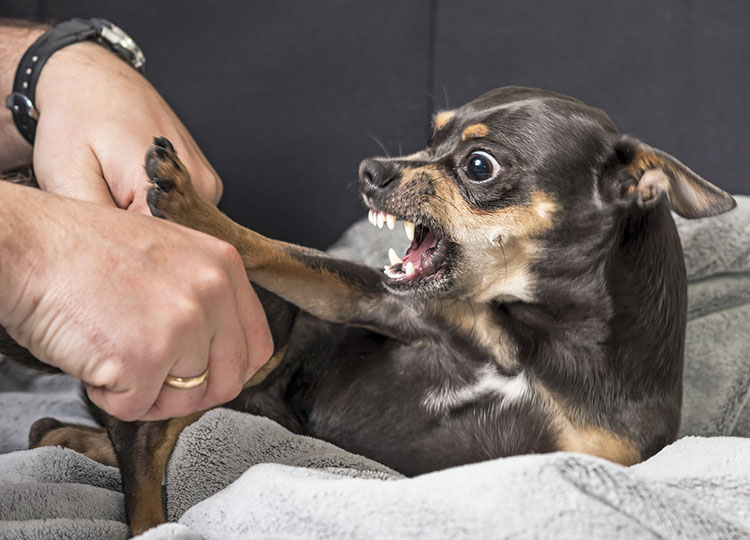
Guess what? I’ve been there, and it’s a tough place to be. Many years ago, I shared my home with a dog that growled, snarled, snapped, lunged and tried to bite our veterinarian and her entire staff. It was gut-wrenching. I know the embarrassment of watching your dog lash out, feeling helpless and frustrated.

Oh, and I know that pit in your stomach. You know, the one that forms while scheduling a vet visit when your dog hates the vet. Yup, that one. Your dog needs veterinary care, but there are things you can do that can positively change your dog’s behavior while keeping everyone safe.

Why Does My Dog Act This Way?

Your dog doesn’t behave this way because he chooses to; he doesn’t know what else to do instead. Basically, your dog is so terrified of the vet that he’s unable to control his behavior. It’s that simple. It’s easy to blame the dog; I see it every day. However, it’s not your dog’s fault for not being able to control his behavior in this stressful situation.

The good news is you can change your dog’s behavior. It may take awhile, but it’s completely worth it because it keeps everyone and your dog safe. Just remember, pairing good things with scary situations will eventually change your dog’s behavior. It works, so stay the course.

How to Change Your Dog’s Behavior

Train Your Dog to Wear a Muzzle

If your dog has lunged or snapped at the vet, your dog has been muzzled before. Muzzling a frightened dog is difficult and it certainly will cause a frightened dog to panic even more. Instead of muzzling your dog at the vet’s office, positively teach your dog that wearing a muzzle is a good thing.

For this behavior, I recommend using a basket muzzle and lots of yummy treats. Check out my favorite video on teaching your dog to love wearing a muzzle.

Muzzle training tips:

  • Practice at home first.
  • Keep sessions short like 1-2 minutes at a time.
  • Once your dog is comfortable wearing his muzzle, take your dog to your vet’s office with his muzzle on.
  • It will take 1-2 weeks of daily practice until your dog is comfortable wearing a muzzle.

In the beginning, just driving over to the veterinary office while your dog wears a muzzle is good practice. Then, you should reward your dog for comfortably wearing his muzzle while sitting in the car in your vet’s parking lot and later for walking around the parking lot. Move slowly and reward often, especially when you move to a new location. Soon, your dog will learn that getting dressed, or wearing his muzzle, means good things will happen.

Also, if you’re new to clicker training, check out this clicker training article. If you’re uncomfortable using a clicker, you can use a verbal marker, such as “yes.”

Teach Body Restraint at Home

Being held down by a complete stranger is definitely weird—no wonder our dogs freak out at the vet! All dogs (and puppies) should learn that restraint makes good things happen. It’s best to start teaching this dog behavior at home and practice for weeks before your dog (or puppy) goes to the vet’s office. During my puppy and basic manners group class, we focus on body handling and restraint, and pet owners practice daily with their dogs.

WATCH: Train Your Dog to Enjoy Body Handling

Oh, don’t forget! When your dog is being restrained during vet visits, stand next to your dog and reward him. I bring peanut butter filled Kongs and hold one next to my dog’s mouth. That way, my dog can happily lick away while being restrained. If your dog is muzzled, I recommend using canned squeeze cheese as a reward. This way, you can poke the canned cheese nozzle through your dog’s basket muzzle and squirt away during your dog’s exam.

If All Else Fails, Try Meds

Sometimes, it’s best to sedate your dog. I know it’s hard, but it may be the best option. Remember, the more your dog practices a behavior, the stronger it gets. If your dog is sedated, he won’t remember what happened, which is a good thing. Also, sedating your stressed dog will allow your veterinarian to conduct a successful physical exam.

If your dog needs to be sedated, speak with your veterinarian first. Your vet will recommend specific medications to calm your dog before a vet visit, such as Trazodone, Valium or Xanax. Please, don’t give your dog acepromazine. It doesn’t prevent your dog from panicking. Check out why acepromazine should never be used as a sedative.

Remember: If your dog could do better, he would do it. Changing behavior takes time, so keep practicing! Also, you’re not alone, we’ve all been there.

Filed Under: Behavior, Health, Resources, Training Tagged With: dog bites vet, dog hates going to vet, dog terrified of vet, dog training, Dog Training Tips, how to train a dog, my dog freaks out at the vet, my dog growls at vet, my dog hates vet, taking aggressive dog to vet

How to Teach Your Dog to Release the Tug Toy

October 14, 2016 by Fanna Easter

Teaching Your Dog to Release a Toy During Play

How to Teach a Dog to Drop a Toy
oneinchpunch/iStock

When playing tug with your dog, sometimes your dog just doesn’t want to let go of the toy. It’s very common because tug is super fun! It’s important to know that your dog is refusing to let go of the toy because releasing it means the game is over. It’s that simple. Check out these dog training tips for teaching your dog to release a toy.

Step 1) Keep Tug Toy Still

Dogs tug on toys because it’s fun and you’re tugging back. When you wave, toss or tug on a toy with your dog, it’s a super fun game. When you stop moving the toy, this should tell your dog to release the toy. When the toy stops moving, it’s no longer fun for your dog. Here’s how to teach a “release” behavior.

  1. Start playing tug with your dog for 1-2 minutes.
  2. Hold the toy completely still and wait for your dog to release the toy. In the beginning, this may take a few seconds or even a full minute, but it will happen.
  3. Patience is key here. Continue to hold the toy still even as your dog pulls and bites at the toy.

WATCH: Teach Your Dog the Tug Game

Step 2) Teach Your Dog That Release Means Another Game

The moment your dog lets go of the toy (removes mouth from toy), start moving the toy around to play another game of tug. Your dog will learn that releasing the toy makes another tug game happen. Let’s try it again.

Pull, tug and shake the toy around for a couple of minutes with your dog, then stop moving the toy again. You’ll likely notice your dog releasing the toy a bit quicker this time because he’s learning that stillness means to “release.” The moment your dog releases the toy, make the game start again.

When teaching the release behavior with a toy, there’s no need for a verbal cue. Your dog will learn that stillness is the signal to release the toy. Omitting a verbal cue works quicker because most verbal cues are used too early or too late, which confuses the dog. Toy movement means the game is on! When you stop moving the toy, it means your dog should release the toy.

Game Over

We all wish fun games would continue forever, but it’s not realistic. When it’s time to end a game of tug for the day, just stop moving the toy. When your dog releases the toy, say “all done” while tossing several treats in the opposite direction of the toy. When your dog runs over to eat his treats, put the tug toy away.

Good luck, and let me know how it goes!

You may also like: Laser Pointer Games are Bad for Dogs

Filed Under: Dogs, Games, Puppies, Training Tagged With: dog training, Dog Training Tips, how to teach a dog, how to teach your dog to let go of a toy, how to train a dog, my dog will not let go of toy, teach your dog let go, teaching your dog to let go, teaching your dog to release a toy, train your dog to release a toy, why will my dog refuse to let go of toy

How To Create An Anxiety Wrap For Dogs At Home

October 12, 2016 by Fanna Easter

DIY Dog Anxiety Wraps

Dog Anxiety Wrap

Dog anxiety wraps are used to reduce a dog’s anxiety. Most pet owners use anxiety wraps when their dogs are afraid of thunderstorms, but anxiety wraps for dogs can also be used in many different situations. If your dog is continuously stressed, fearful or anxious or just needs help learning how to self settle, anxiety wraps are wonderful tools. Here’s how to create a DIY dog anxiety wrap.

Should You Use an Ace Bandage or Anxiety Jacket?

Back in the day, we used ace bandages as anxiety wraps because they were all we had. When applied correctly, anxiety wraps apply pressure to acupressure points, which promotes calmness. The best way to describe an anxiety wrap is a cozy hug. When newborn babies cry, they relax when swaddled in a blanket. Studies show anxiety wraps work well for autistic children too.

You’ve probably noticed Thundershirts and Calming Coats in most pet retailers. Both products are designed to mimic an ace bandage anxiety wrap. Anxiety jackets certainly look better than an ace bandage wrap, especially if your dog needs an anxiety wrap in public. But time and time again, I’ve found ace bandage anxiety wraps work a bit better than jackets. Plus, sizing isn’t an issue when you’re creating a custom wrap with an ace bandage. There are many anxiety wrap options, but the most popular is the half wrap for calming.

How to DIY Dog Anxiety Wrap

You’ll need a 2-inch wide ace bandage, which you can find at most drug stores. A 2-inch wide ace bandage is long enough for an anxiety half wrap. For dogs that weigh more than 100 lbs, you may need two 2-inch ace bandages for full coverage. If you need two ace bandages, you can extend the length by tying one end to another end.

Before wrapping your dog, you’ll need lots of super yummy treats, a helper and of course your ace bandage. In the past, I’ve used a peanut butter plate to keep my dog busy and still when a helper isn’t available.

While wrapping your dog, don’t pull or stretch the bandage when crossing and tying. An ace bandage wrap should give when your dog walks, sits or lies down.

  1. Start by placing the ace bandage on the front part of your dog’s neck.
  2. Bring both sides of the bandage toward the top of your dog’s shoulders and cross them (bring left side over the right side, etc.).
  3. Once you’ve crossed over your dog’s shoulders, bring both bandages under your dog’s chest and cross again (left side over right side, etc.).
  4. Bring both bandage ends up and tie on top of your dog’s waist. I recommend tying both ends on the side of your dog’s spine, but not directly on it.
  5. Anxiety wraps should stay in place for 20 minutes. Also, never leave your dog alone while wearing a DIY anxiety wrap. Remember it’s been tied into place, and can easily get caught onto something.

When to Use an Anxiety Wrap

You can use a DIY dog anxiety wrap anytime your dog needs one. You can certainly wrap your dog during stressful times, including car rides, vet visits (vet can move bandage around when examining your dog), guest visits and of course thunderstorms. Anxiety wraps work great when teaching young dogs how to self-settle too.

Anxiety wraps for dogs really do work! Grab an ace bandage and give it a try!

Filed Under: Behavior, Equipment, Resources Tagged With: ace bandage anxiety wrap, anxiety wrap, anxiety wrap instructions, anxiety wrap vs thunder shirt, bandage anxiety wrap, DIY anxiety wrap, DIY anxiety wrap for dogs, dog anxiety wrap, dog anxiety wrap pattern, half wrap anxiety wrap, how to do anxiety wrap dog, puppy anxiety wrap, wrap for stressed dogs

  • « Previous Page
  • 1
  • …
  • 37
  • 38
  • 39
  • 40
  • 41
  • …
  • 135
  • Next Page »

About

Dog Training Nation is a community of dog trainers, dog owners and dog lovers. Our mission is to provide trainers and owners valuable information to enrich dogs' lives. We cover a range of topics, from socializing puppies to dealing with aggressive dog behavior to selecting the best dog products. It is our hope you share our content to make the dog and owner world a better place.

​

Facebook

Video

Dog Training Nation is a dog training blog for pet owners and dog lovers. We cover a range of topics from puppy socialization tips to dog aggression to dog health. It is our hope you share our content to make the world a better place for dogs.

Dog Training Nation

Quick Links

Dog Training
Dog Behavior
Dog Training Videos
Become a Dog Trainer
About
Contact Us

Copyright © 2026 · Lifestyle Pro Theme on Genesis Framework · WordPress · Log in