Dog Training Nation

In Dogs We Trust

  • Home
  • Training
    • Dogs
    • Puppies
    • Clients
  • Behavior
    • Breeds
  • Health
  • Safety
  • Resources
    • Equipment
    • Books
  • Dog Training Videos
  • About
You are here: Home / Blog

How To Know If Your Dog Has Thyroid Dysfunction

September 6, 2016 by Fanna Easter

Testing for Thyroid Dysfunction
Thyroid Dysfunction in Dogs
LuckyBusiness/iStock

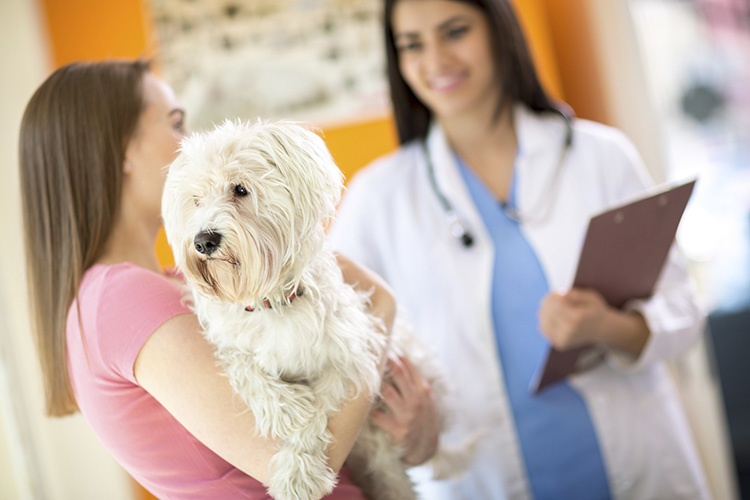
If you suspect your dog’s thyroid isn’t functioning properly, your dog will need a blood test to confirm exactly what’s going on. Before you agree to a routine thyroid blood test, I highly recommend asking your veterinarian for a detailed thyroid test instead. Allow me to share my story with thyroid dysfunction. I learned the hard way that it’s worth the extra effort and cost of a detailed thyroid test.

My Story

For years, I suspected my Rottweiler had hypothyroidism, but my vet disagreed. Sobek, my young Rottie, has had moderate to severe anxiety since he was four months old. Sobek stresses over anything and everything, and he has a hard time settling down. Thankfully, Sobek isn’t aggressive. He’s super friendly with dogs and people, but he just worries a lot. My dog training experience has taught me that anxiety is usually based on fear, but there was something else I couldn’t put my finger on.

Signs of Thyroid Dysfunction

At one year old, Sobek had routine blood work done to check for thyroid dsyfunction. His total thyroid level was 0.9, which is 0.1 below normal—low normal is between 1 and 2. Yet, my vet said his thyroid was functioning properly. I would’ve agreed if I were a normal pet owner, but I’m painfully aware that thyroid dysfunction in dogs can cause anxiety and aggression, so I pushed forward.

Sobek’s anxiety got worse over time, so we consulted with a veterinary behaviorist who prescribed medications. They helped immensely and controlled his anxiety, allowing us to train him using behavior modification. His anxiety still lingered though. His coat also felt coarse and he was missing hair on his chest.

Every year, we would test Sobek’s thyroid and the results would always be the same, falling a tad below normal. My vet persisted his thyroid function fell into the normal range (1-5), and he shouldn’t be supplemented. Then, Sobek experienced two focal seizures. That was it; I was determined to find a vet who would listen.

Finally, Someone Listened

We found a holistic veterinarian to whom I explained my concerns about Sobek’s lingering anxiety and low thyroid level. Our holistic vet agreed that something was off and decided to retest him. She sent his blood work off for a detailed thyroid report that would test all aspects of his thyroid and not just his total thyroid and T4.

His thyroid test results came back and Sobek was confirmed to have hypothyroidism. He started off with a thyroid supplement and his anxiety decreased within a week. After six months of supplementation, Sobek’s total thyroid became 1.9, which my holistic veterinarian says is perfect for him.

Hypothyroidism Effects on Dogs

Hypothyroid dogs are assumed to be fat, neutered, middle-aged and bald, but that’s not always the case. Sobek had a glossy black coat and he wasn’t neutered (check out this study about neutering Rottweilers and cancer). He was relatively healthy with the exceptions of a torn ACL at 2 years old, a couple of focal seizures and anxiety.

I researched everything about hypothyroidism, and thankfully I found Dr. Jean Dodds’ research. While reading Dr. Dodds’ articles, I felt like she was writing about us. Dr. Dodds is a veterinarian who has done extensive research on canine thyroid disease and allergies. She believes that several aspects of the thyroid should be tested before diagnosing thyroid dysfunction. In addition, thyroid dysfunction can cause anxiety, fear and aggression in dogs.

RELATED: Crystal Healing for Dog Anxiety

How to Test for Canine Hypothyroidism

Instead of sending your dog’s blood work off to a local lab, ask your veterinarian to send your dog’s blood work to Hemopet or Michigan State University (MSU) Diagnostic Center. Our holistic vet sent Sobek’s blood work to MSU and his six-month follow-up blood work to Hemopet (Thyroid Profile 5). While requesting a detailed thyroid test might seem excessive, it’s the only way to truly diagnose thyroid dysfunction.

Difference Between Hemopet and MSU

There isn’t much of a difference between Hemopet and MSU, but I found Hemopet was slightly cheaper than MSU. I highly recommend visiting Hemopet and MSU’s websites and printing blood work collection protocols before bringing your dog in for testing. One thing I really liked about Hemopet is Dr. Dodds would note if your dog was considered hypothyroid at the bottom of your test results. It took 10 days to receive Sobek’s results.

Asking Your Veterinarian

Bring your printed blood work collection protocols with you to your appointment and explain how you’d like a detailed report on your dog’s thyroid by having it sent to either Hemopet or MSU. So far, I haven’t had one vet push back on my request. Your vet will then collect your dog’s blood and mail it to Hemopet or MSU, and receive your test results when they come in.

Should You Seek a Second Opinion?

Asking for another vet’s opinion on your dog’s thyroid is difficult, but understand that you’re your dog’s health advocate. If you disagree with your regular veterinarian, ask for a copy of your dog’s thyroid test results and bring them to another vet. I highly suggest locating a holistic vet, as this has worked well for me in the past.

Keep pushing and be your dog’s health advocate!

Filed Under: Behavior, Health Tagged With: aggression and thyroid dog, anxiety and thyroid dogs, can thyroid affect dog behavior, hemopet thyroid, MSU dog thyroid

Dogs And Carpets: 4 Tips To Keep Carpets Clean With Dogs

September 1, 2016 by Fanna Easter

How to Keep Carpets Clean With Dogs

How to Keep Carpets Clean With Dogs
chestra/iStock

Dogs and carpet can live together peacefully, but I’d recommend a few must-have products to make sure this relationship remains spotless, odorless and easy. Of course, removing carpet is an easy fix, but sometimes that’s not an option, especially if you’re living on a tight budget or renting a home.

I’ll share my secrets on how to keep carpets clean with dogs. These carpet cleaning tips have worked wonderfully for the 10 years I lived with four large dogs and had white carpet. Not to mention we sold our home with that same white carpet within 24 hours in a very difficult housing market in 2009! Let’s just say these secrets work. 🙂

Steam Clean Your Carpet

Think of steam cleaning as the “big gun” of carpet cleaning. I recommend steam cleaning carpet every 4-6 months. While this might seem excessive to most pet owners, steam cleaning is the quickest and easiest way to deep clean large carpeted areas. However, not all carpet steam cleaners and products are alike.

How to Choose a Steam Cleaner

Purchase or Rent

You can either rent or purchase a steam cleaner, depending on your budget. Instead of renting, I waited until the Bissell Big Green Steam Cleaner went on sale and purchased a canister option as we had white-carpeted stairs too. By far, it was the best purchase ever!

My Big Green girl, as she was fondly labeled, lived for 12 maintenance-free years. If renting a steam cleaner is your choice, I would locate a steam cleaner rental that is certified by the Carpet and Rug Institute. That way you know it works well and is cleaned in between rentals.

Find a Good Suction

An effective cleaning solution is good, but having great suction power from a good steam cleaning machine is key. For an entire year, I was convinced that squirting more cleaning solution onto carpet would remove more dirt and stains, but I was completely wrong.

After reading an article written by leading asthma experts, I learned suctioning the majority of sprayed cleaning solution out of carpet works better. Don’t get carried away with spraying; lightly mist carpet with cleaning solution, then spend ample time removing sprayed solution from carpet by slowly suctioning up cleaning solution. Not only did this carpet cleaning tip remove tough stains, but our carpet dried within 10 minutes as well.

RELATED: How to Eliminate Dog Odor From Your Home

Find an Effective Cleaning Solution

Once you’ve decided on a steam cleaner, you need an effective steam cleaning solution that will lift new and old stains. It also helps if the carpet cleaning solution you use removes trapped dirt and leaves a lasting clean fragrance. I’ve tried at least 20 different brands until I found one that brightened our white carpet and removed old stains. By far, my favorite is Resolve Pet Steam Clean solution. I add a ½ cup of solution too because it contains enzymes, which removes odor.

More Cleaning Solution Isn’t Better

When adding a steam cleaner solution to your steam cleaner, follow the cleaner’s directions exactly. One time, I added more cleaning solution than recommended, thinking that more solution than water would do a better job, but it was a fail. Once dried, my carpet felt stiff and contained a weird residue, so I had to clean my carpet all over again. Please, learn from my mistake. 🙂

Clean Up Messes When They Happen

Accidents will happen; it’s part of sharing our homes with dogs. Cleaning up accidents right when they happen is the best way to keep your carpets clean with dogs, so wipe up debris before spraying any type of cleaner on your carpet. If your dog urinates or vomits on your carpet, wipe and dab up as much liquid as possible before spraying a cleaner.

A quick tip: grab an old towel or paper towels, place on top of the accident, and stand on the towel for a few seconds. Rotate the towel to absorb additional moisture until the towel is dry.

Now, it’s time to clean! Spray the area with an effective carpet spot cleaner and allow it to sit for a few minutes. Scrub the area with a clean towel and clean between carpet piling. By far, Resolve Pet Stain Remover is my favorite spot cleaner for carpet. For big messes, pull out your steam cleaner and really clean your carpet thoroughly. 🙂

Avoid Carpet Deodorizers

Honestly, I find most carpet deodorizers cause more harm than good. Powder carpet deodorizers are usually made of fine powder and contain chemicals. Also, the overwhelming scent and dust particles aggravate my asthma. In addition, I’ve had several dogs develop paw hot spots whenever I’ve used it. If your carpet has an odor, I recommend steam cleaning it instead of using a carpet deodorizer. This will actually remove the odor rather than mask it with deodorizers.

Now, sit back, close your eyes and take in a deep breath. Awwwww, clean!

You may also like: What to Do When Your Dog is Sprayed By a Skunk

Filed Under: Resources Tagged With: best carpet cleaner pets, best steam cleaning solution dogs, cleaning carpet dogs, cleaning carpet pets, cleaning carpet puppy, cleaning carpets, dogs carpet tips, having a dog with carpet, keep carpet clean dog, keep carpet clean puppy, pets carpet, puppy carpet tips, steam cleaning tips dogs

Do Different Dog Breeds Learn Differently?

August 31, 2016 by Fanna Easter

No, Different Dog Breeds Learn the Same

Different Dog Breeds
kozorog/iStock

“Do different dog breeds learn differently?” is the most asked question and it’s usually asked by purebred dog pet owners. As a professional dog trainer, I’m always happy to answer this question. If you’re curious if certain dog breeds learn differently, read below for a professional dog trainer’s take on different-breed dog training.

The Answer

Okay, here it goes! Each dog, regardless of breed, is an individual; and all dogs learn by following the same principles applied to human learning.

Yup, we use the same learning principles to teach:

  • Rhinos to hold their feet up for nail grinds
  • Silverback Gorillas to open their mouths for flossing
  • Fish how to perform tricks
  • Butterflies how to put on a show
  • Children to tie their shoes

I’ve trained hundreds of dogs, and each dog was able to learn the same behaviors given the same learning principles. While a dog’s specific breed can determine his ultimate dog training reward or reveal some aspects of his personality, it has nothing to do with his ability to learn new behavior.

But What About Bouviers Being Lazy or Pit Bulls Being Aggressive?

I cringe when someone mentions that Bouviers are lazy, Basset Hounds are slow, Terriers are untrainable, Rottweilers need a firm training hand or Poodles are the smartest breed. I also find it unsettling when I hear people say all Beagles howl, Irish Setters are ditzy, Chihuahuas are ankle biters, all Pit Bull Terriers are aggressive or other certain breeds requiring special training skills. These statements are simply not true, and I’m sure pet owners living with these different dog breeds would disagree too.

Let’s think about the question on whether or not different dog breeds learn differently another way. If certain breeds of dogs learn differently, how would we train mixed breed dogs? About 20-plus years ago, dog trainers were successfully teaching thousands of mixed breed dogs new behaviors—and that was before dog breed DNA testing. The only thing DNA testing for specific breeds has taught dog trainers is we were incorrectly assuming a mixed dog’s breed of origin. 🙂

Easiest Way to Train Any Dog Breed

Positive reinforcement is key and it works quickly! You’ve probably heard of positive reinforcement before and wonder what it had meant. Positive reinforcement is one of the four quadrants of operant conditioning, and it increases the likelihood that a behavior will be repeated.

Positive reinforcement means rewarding with a good thing whenever someone does a behavior you like. It’s important for professional dog trainers to have a thorough understanding of each quadrant and how it applies to dog training, as this is the foundation for all learning. If your dog trainer doesn’t know that, it’s time to find a better dog trainer.

Picking a Good Thing to Motivate Your Dog

Just because dogs are a certain breed, don’t assume certain breeds all like the same things. As pet owners, it’s our job to find each dog’s favorite “good thing” or ultimate reward and use it to teach polite behaviors.

Ignore your dog’s breed type and discover what your dog truly loves. As an example of how dog breed type can become quickly confusing, some Terriers may love bits of hot dogs instead of fetch, some Basset Hounds may find a fast game of tug more rewarding than treats and some Chihuahuas may find a game of fetch more rewarding than hugs and treats. Remember, learning depends on each individual dog’s personality and not his breed.

While your dog looks like a specific breed, he learns just like every other living being!

Filed Under: Behavior, Breeds, Dogs, Training Tagged With: do certain breeds of dogs learn differently, do dog breeds require different training, dog training, Dog Training Tips, golden retriever training, how to teach a dog, how to train a beagle, how to train a dog, how to train a golden doodle, how to train a puppy, how to train a rottweiler, how to train a terrier, how to train bull terriers, how to train german shepards, how to train labs, how to train mini bull terriers, pit bull training, Rottweiler training

What to Do to Keep Your Dog Safe Before and During a Flood

August 30, 2016 by Fanna Easter

Flood Preparedness for Dogs

Flood Preparedness for Dogs
buchsammy/iStock

Last week was a tough one. My south Louisiana hometown was completely flooded. I paced all weekend as family and friends feared floodwater would continue rising overnight. Most of my Louisiana friends and family have dogs, and they were extremely concerned about evacuation protocols pertaining to dogs if they were forced to abandon their homes. Several friends and family contacted 911 and were told emergency personnel wouldn’t evacuate dogs and they would only rescue people. Of course, my friends and family refused to leave their dogs behind in their flooded homes.

This article contains real flood survival tips that my family members used during the worst flood in Louisiana history. I hope these pet emergency tips help you in your time of need too.

Real Survival Tips

My best friend, her husband, and my three Godchildren and their four dogs were completely surrounded by waist-deep water. They were unable to leave, as their cars were flooded. A freak storm had formed over south Louisiana and poured more than 24 inches of rain within 25 hours. Unfortunately, there wasn’t a flood warning, which means they weren’t prepared to evacuate.

They were completely stuck in their homes while water was rushing inside and rain poured outside. I sat on the phone, listening to my friend and her husband struggling to put together a plan. They were panicking. Several of their neighbors dialed 911 and were rescued. This wasn’t an option for my friend and her family though because they would’ve been forced to leave their dogs.

As it continued to rain, they made room in their attic. They brought a chainsaw with them in case they needed to cut through the roof to get out. Each adult and child packed a small bag of clothes. They also packed a bag of dog food and fresh water for each dog. They waited inside their flooded home until the storm had passed. Thankfully, floodwaters remained steady and the rain finally stopped around 2:00am, which then the floodwater quickly receded. I don’t think they will ever forget that night and neither will I.

A few other family members were forced out of their homes, so they loaded themselves and their dogs inside of their boats. They floated along for hours until Good Samaritans found them and towed them to dry land. Everyone was soaking wet, but they and their pets were safe.

Pets and Floods Advice

Flash flooding happens within hours and without any warning. With hurricanes, residents are given plenty of time to evacuate if needed, but flash flooding is pretty much like tornadoes in that you never know when or if it will affect you.

I remember living in North Texas where we had been surrounded by several tornadoes. We stood in front of the TV, holding our leashed dogs and emergency bags, looking for an opening to drive through. At least we could have left during that natural disaster, but we wouldn’t have that luxury during a flood. If you share your home with dogs (or any pets), it’s so important to prepare ahead of time with disaster kits and a couple of emergency plans.

Flash flooding is about survival, and preparation will most definitely help.

Before a Flood Occurs

  • Prepare an evacuation kit for your dog.
  • Make sure your dog’s ID tags contain your most updated information, including a family member’s cellphone if you’re unable to be reached.
  • Update your dog’s microchip information within days of moving to a new home. Again, add a close family member’s contact information just in case you’re unable.
  • Download a pet first aid app for your smartphone; you never know when you’ll need it.
  • If you haven’t created a pet first aid kit, I advise you to do so or at least purchase one now.

If Your Home Floods

  • Never leave your dog home alone during a flood. If you evacuate, your dog must go with you. It’s not fair to leave your dog alone to fend for herself; it’s like leaving a small child behind in floodwater.
  • Your dog will be scared. Everything looks and smells different plus you’re freaking out. Your dog will sense your anxiety and freak out as well.
  • Don’t crate or tie out your dog. She needs freedom to move away from rising waters.
  • Block the flooded area with furniture, crates or baby gates. Floodwater is contaminated with sewage. When flooding occurs, sewage backs up and spills out into floodwater. Plus, many biting insects ride along the water’s surface, so it’s vital to keep your dog away from floodwater.
  • Place clean bowls of fresh water on top of furniture, fireplace stoops and coffee tables.
  • When bringing your dog out to potty, bring her on leash so long as the floodwater level is safe for your dog’s height.
  • If floodwater is high in your backyard, or your dog refuses to potty in floodwater, I recommend creating a safe potty area in your home with potty pads. Make sure to place potty pads away from floodwater—even if it’s on a higher surface area.
  • Make sure your dog is wearing a collar, and keep a leash handy if needed.

If Your Dog is Separated From You

  • Send out an urgent “my dog is lost” message on social media. Post a current description of your dog, last seen location, your current contact information, a friend’s contact information and picture of your dog on all your social media channels. Make sure to change the setting to public, so your story can be shared over and over again.
  • Search through Twitter and Facebook for local “lost pets” pages, and post your dog’s information along with your current contact information. Contact Animal Control and local makeshift shelters. Their phone lines will be busy, but keep calling.
  • Don’t stop looking: Animal shelters are packed with lost animals during floods, so keep checking and let everyone know your story.

If you weren’t affected by the flood, it’s important to jump into action and help your neighbors. I’m convinced that if it weren’t for Good Samaritans, or “The Cajun Navy,” many two and four-legged lives would’ve been lost. These kind souls literally launched their personal boats into flooded water and searched house to house for people and pets in need.

Go Cajun Navy. I can’t thank you enough!!!

Filed Under: Resources, Safety Tagged With: cajun navy, dog flood, flood plan dogs, flood plan pets, Louisiana flood 2016, what to do if house floods and dogs, what to do if your home floods

The Hidden Danger Behind Dog Collars

August 26, 2016 by Fanna Easter

Dog Strangulation By Collar is Real

Dog Strangulation By Collar
shrutebucks/iStock

We probably both agree that dogs should always wear their collars with a current ID tag, but wearing dog collars in certain situations can be hazardous. For years, I firmly believed dogs should always wear collars until one day when my dog’s ID tag got caught between the wires of his crate.

Now, understand, I didn’t leave him in his crate with a collar on. He chose to lie next to his crate when his ID tag became entangled within the wires of his crate. When it happened, he freaked out! Thank goodness we were home to hear his panicked screams and frantic sounds from pulling against his crate; he was choking himself. It took two people to free him from his collar; my husband and I had to cut the collar off of him. From that day forward, he never walked into that room again—ever.

RELATED: How to Get Your Puppy Used to a Collar

Dog Collar Accidents are More Common Than You Think

Freak accidents happen or so I thought. After this incident, I needed to find out if dogs strangled by collars was common or if they were just freak accidents. Well, we found out we weren’t alone.

It seems dog collars get caught in many things, and strangulation by collar has even caused some dogs to lose their lives. Dog collars getting caught or stuck happens so often that large pet retail companies created break-away collars to prevent this from happening. One thing I know for sure is large companies won’t spend thousands of dollars creating a new item unless it fills a buying niche. Their research was certainly alarming.

Please understand: I’m not saying your dog will strangle himself from wearing a collar; I’m saying it’s possible your dog can become strangled by his collar and taking a few steps to make sure it doesn’t happen to your dog is worth its weight in gold.

15% of My Clients Have Experienced Dog Strangulation by Collar

As a dog trainer, I speak with clients about their dogs every day and I’ve found dog strangulation by collar does happen. On average, I would say 15% of my clients had a similar incident with a dog collar getting caught on the wires of their dogs’ crate, fence, furniture, and even while playing with another dog.

Dog Accidentally Strangled By Collar During Playtime

The first time I heard of a dog being strangled by a collar, it was 20 years ago and happened while two dogs were playing together. Both dogs were wearing collars when one dog playfully pulled on the other dog’s collar. Her muzzle suddenly became tangled in the other dog’s collar. Well, the tangled dog panicked and started pulling away, which caused the other dog (the one wearing the tangled collar around his neck) to choke. His collar was strangling him. Thankfully, someone nearby had a pocket knife and cut the tangled collar, which freed both dogs. What a horrifying situation.

Strict Collar Removal Policies Set

Many pet-related businesses have strict rules on removing collars in certain situations. While working as a veterinary technician, it was mandatory to remove all collars from any patient kenneled—even during a hospital stay. Large retail grooming chains also have strict polices requiring dog collars to be removed before dogs are placed in their kennels. Their collars are then placed in a plastic sleeve outside of the dogs’ crates. While working in the pet grooming industry, I saw many grooming employees terminated when they failed to follow this policy. Needless to say there certainly is a trend in dog collar accidents.

When Should Dogs Wear Collars?

Dogs should wear a collar under supervision only. That means you should take your dog’s collar off whenever he’s crated, playing with another dog or left unsupervised in your home. It’s just not worth the risk.

If You Must, Use a Break-Away Collar

If you’re not comfortable with your dog running around naked (i.e. no collar), there are a couple of break-away collars on the market. Break-away collars look and feel just like regular flat buckle collars and feature a spot for ID tags too. The difference is break-away collars will unsnap and free your dog when it snags onto something.

Over the last 15 years, break-away collars have vastly improved. Back in the day, the break-away mechanism was super sensitive. If a dog sneezed while wearing this collar, his collar would unsnap. As of today, break-away collars are a great safety option. Most are versatile and have two D-rings that can be used during leash walks, which disables the break-away option. Once the leash is removed, the break-away collar option is in place.

Get Your Dog Microchipped

The main reason dogs wear a collar is to carry ID tags with their pet owners’ contact information. If our dog should become lost, we hope a good Samaritan will find our dog and contact us using the information on our dog’s ID tags. Collars and ID tags work, but it’s not a bulletproof option, so please microchip your dog. Collars can be taken off and ID tags can be lost, but a microchip is underneath your dog’s skin. It can’t be removed. I can’t say enough good things about microchips; they’re absolutely invaluable.

Have you had a scary dog collar accident? Please share your story below, so we can all learn together!

Filed Under: Equipment, Resources, Safety Tagged With: breakaway dog collars, can a dog collar be harmful, can collars hurt dogs, dog collar dangers, puppy collar dangers, should my dog wear a collar, should my puppy wear a collar, should your puppy always wear a collar

  • « Previous Page
  • 1
  • …
  • 41
  • 42
  • 43
  • 44
  • 45
  • …
  • 135
  • Next Page »

About

Dog Training Nation is a community of dog trainers, dog owners and dog lovers. Our mission is to provide trainers and owners valuable information to enrich dogs' lives. We cover a range of topics, from socializing puppies to dealing with aggressive dog behavior to selecting the best dog products. It is our hope you share our content to make the dog and owner world a better place.

​

Facebook

Video

Dog Training Nation is a dog training blog for pet owners and dog lovers. We cover a range of topics from puppy socialization tips to dog aggression to dog health. It is our hope you share our content to make the world a better place for dogs.

Dog Training Nation

Quick Links

Dog Training
Dog Behavior
Dog Training Videos
Become a Dog Trainer
About
Contact Us

Copyright © 2026 · Lifestyle Pro Theme on Genesis Framework · WordPress · Log in