Dog Training Nation

In Dogs We Trust

  • Home
  • Training
    • Dogs
    • Puppies
    • Clients
  • Behavior
    • Breeds
  • Health
  • Safety
  • Resources
    • Equipment
    • Books
  • Dog Training Videos
  • About
You are here: Home / Blog

Does Your Dog Pull On Leash? Try A Double-Ended Leash

June 3, 2016 by Fanna Easter

Stop Your Dog From Pulling With a Double-Ended Leash

Double-Ended Leash

When dogs pull on a leash, it’s dangerous for both the pet owner and his dog. This is especially scary when a dog is much bigger and powerful than her pet owner. I’ve witnessed dogs pull their pet owner right out of their shoes while waiting for class to begin!

With that said, there are so many new tools that really manage leash-pulling until a pet owner teaches his dog how to walk politely on leash. For example, front clip harnesses and head halters work well, but I learned a leash technique from an old-time dog trainer that still works like a charm today. So, when double-ended leashes debuted several years ago, I was thrilled!

Remember, dog leashes are used for safety, meaning they’re used to stop a dog from pulling you toward another dog or person, running away or into the street, or whatever. Leashes shouldn’t be used for corrections.

My Old Dog Leash Trick

Back in the day, I would clip a six-foot leash to a dog’s flat buckle collar. Then, I would place my left hand on the leash about three feet up and loop the remaining part of the leash in front of the dog, so it would rest on the dog’s chest. Now, both of my hands were holding the leash and pressure was applied on the flat collar (left hand) and chest (right hand holding the leash loop).

It worked magically, especially while standing still. The only drawback is 90% of pet owners would forget how to loop the leash loosely in front of their dog. Now, with double-ended dog leashes, there’s no more guesswork.

RELATED: Why Do Dogs Freak Out When You Touch Their Collar?

How Double-Ended Leashes Work

A double-ended leash has one leash with two clips on each end plus a handle in the middle. Sounds crazy, right? Basically, you’re attaching one end of the leash to your dog’s flat collar and the other clip to the front of your dog’s harness while you hold the handle. It looks a bit odd, but it works wonderfully.

Double-ended dog leads make it easy to manage your dog until he learns how to walk politely on leash. When used correctly, double-ended leashes apply evenly distributed pressure to the front of your dog’s chest and collar, which stops excess pressure from being applied to one specific spot. If your dog pulls away, the harness clip and neck collar will turn your dog’s front (shoulders) back toward you.

You’re probably thinking that a front clip harness does the same thing, but it has its drawbacks. Some dogs will continue to pull so much they will stretch out the side straps, which renders the harness useless. Hence, the beauty of a double clip dog leash because the other end is attached to your dog’s collar, which evenly distributes pressure to several areas and not just one spot.

No More Yanking Back

With a double-ended dog leash, you’re not applying pressure in just one area, which can cause injury due to a yanking motion. Instead, you’re applying pressure evenly to bring your dog toward you if she pulls forward. Think about it this way: if a man was walking into oncoming traffic and I grabbed his arm, it would be really hard to stop his forward movement. Plus, grabbing his arm would cause him to spin around and he would still move forward. However, if I grabbed his shoulders and waist at the same time, he would stop on a dime and it would cause less exertion from me.

When to Use a Double-Ended Leash

Remember, dog training equipment is used as a tool to keep your dog safe while teaching her polite behaviors. Once your dog learns to walk politely on a leash, you can switch to a single-ended leash during walks. Even when your dog learns to walk politely, feel free to use a double-ended leash during walks, especially when walking near distractions, such as squirrels.

Brand I Recommend

By far, my favorite double-ended dog leash is the Freedom Harness (one end attaches to the front of the harness and the other end clips to the top part of the Freedom Harness). While I think the Freedom Harness is an excellent idea, I really like the security of attaching to two different items because some dogs are really good at getting out of a harness when they need to. 🙂 Do know, I don’t work for this company, but I highly recommend their dog leashes and harnesses to clients. Plus, you can order these products on Amazon too.

Give a double leash a try. Let me know what you think!

Filed Under: Equipment, Resources Tagged With: double ended dog leash, freedom harness leash, how to use a double ended dog leash

Protecting Your Furniture From Dog Hair And Nails

June 2, 2016 by Fanna Easter

How to Protect Furniture From Dog Hair and Nails

Protect Furniture From Dog
imagine632/iStock

As I chatted away with my best friend last week, she mentioned struggling with massive amounts of dog hair on her furniture. I recommended a few tips, which she immediately tried. A couple of days later, she was so thrilled with the results, she suggested I should write an article about it. Here are a few ways to protect furniture from dog hair and scratches.

Pet Furniture Covers

For years, protecting couches and sofas from dog hair and nail scratches has been a constant struggle, but thankfully there are tons of furniture covers out there now. For sofas, you can use a furniture cover for pets that protect the entire surface area or simply protect the seating area; it depends on your needs.

If your small dog enjoys walking along the top of your sofa, I would recommend Sure Fit slipcovers that protect your entire sofa. Many years ago, I stumbled upon this brand and have used it for years. It’s a struggle to get the tightly fitting cover on the sofa, but once it’s snuggly in place, it’ll protect your leather or fabric sofa from tears, scratches and dog hair. This slipcover washes well too. I removed the cover once a month and laundered it in warm water, then dried it on low heat. Our slipcover lasted for years.

For dogs that enjoy snoozing in the seating area of your sofa, I would recommend a couch protector that covers this area only. There are tons of options to choose from—I don’t have a specific brand that I really like—but you can hop on Amazon and purchase a five-star-rated brand. Gosh, you can even add a splash of color to your sofa with these options or choose a color that blends in seamlessly. Not only will these covers protect your sofa from dog hair and nails, but they can also easily be removed when guests come over and launder really well.

Protecting Your Bed and Comforter

Bedding is pretty easy to protect from dogs; just throw an old sheet or blanket over your current bedding. It’s easy to remove when guests come over and you can wash it as often as needed. When we travel, we bring our freshly laundered blanket to cover hotel or guest beds. Plus, there are waterproof options as well for incontinent seniors or puppies with muddy paws. 🙂

Train Your Dog Not to Get on Furniture

Allowing dogs on your furniture is a personal choice. Personally, I don’t mind it one bit. Dogs will instinctively climb up and get cozy on your bed, chair or sofa because it’s soft and warm; it has nothing to do with dominance.

If you prefer your dog stays off your furniture, that’s fine, but you must be consistent. It’s unfair to allow your dog to lounge peacefully on your sofa one day, and then demand your dog to get off the sofa the following day. If your dog climbs onto a chair, teach him the “off” cue. With an “off” cue, there’s no fussing, yelling or punishing. All you have to do is say “off,” as you toss a treat on the floor. And no, you’re not rewarding your dog for getting in the chair; you’re actually rewarding your dog for jumping off on cue. Soon, your dog will learn the floor is much more rewarding than your chair.

Now, it’s impossible to expect your dog to lie on a hard cold floor, so invest in some comfy dog beds. Remember to reward your dog for lying in his bed by giving him food stuffed toys to enjoy while chilling on his bed. Additionally, you can teach your dog the “place” cue that will really make his bed rewarding. Don’t forget to crate your dog while you’re away. This way he doesn’t sneak on furniture while no one is home.

Punishment Doesn’t Work

Scat mats are a waste of time and money plus they can scare some dogs. There are easier, quicker and more humane ways to teach dogs new behaviors than by shocking them. Additionally, screaming and yelling will just confuse your dog. Teach him to do something else instead.

If you have a favorite furniture protector, please share it with us. We’re listening. 🙂

Filed Under: Equipment, Resources Tagged With: best bed protector for dogs, best sofa protector for dogs, how to teach dog to get off furniture, protecting furniture dogs, sure fit slipcover for dogs review, teach dog to stay off furniture

5 Reactivity and Aggression Tips That Will Make Your Life Easier

June 1, 2016 by Fanna Easter

How to Deal With Reactivity and Aggression in Dogs

Reactivity and Aggression in Dogs
Ljupco/iStock

Sharing your life and home with an aggressive dog is challenging; your whole world shifts a bit. As a professional dog trainer who works with reactive clients, I would like to share 5 tips that will make your and your aggressive dog’s life a bit easier.

5 Reminders You Need to Know

1. You’re Not Alone

It’s so important to know you’re truly not alone when it comes to having an aggressive dog. There are so many pet owners struggling to live within a reaction-free bubble every day, and they fear their dog is the only one with behavior issues. That’s not true.

During the first week of group reactive dog training class, usually one or two clients break down crying. They’re so relieved to see other pet owners walking in their shoes. Do know most dog trainers have lived with or are still living with a reactive dog too. I’ve had several aggressive dogs of my own, and I know exactly how your stomach drops to your knees when your dog reacts.

2. No One is Judging You

Pet owners feel a sense of guilt when their dog reacts. They feel everyone is judging and blaming them for their dog’s behavior. This is a tough one. I do feel some pet owners unknowingly reward the wrong behavior, but you do better when you know better, so seek professional help. The majority of aggressive dogs are predisposed to react, and when put in certain situations, they’re more likely to react instead of ignore it. Knowing this, even the best socialized puppy can become reactive despite doing everything right.

3. If Your Dog Reacts, Leave ASAP

It’s going to happen, and it’s your job to learn how to “unfreeze” yourself when your aggressive dog reacts. So many times, the moment a dog starts to react, the pet owner freezes up and her dog continues to bark and lunge. Instead, know your dog’s triggers, turn around and leave the area quickly before your dog reacts. If your dog does react, turn around and quickly walk away from your dog’s trigger. Don’t beat yourself up; just make a conscious effort to keep your dog away from triggers going forward.

RELATED: Can You Stop Dog Aggression?

4. Seek Professional Help

Reactivity never gets better on its own. Pet owners must seek help from a professional dog trainer immediately. Choose a dog trainer who has earned nationally recognized dog trainer certifications and who only uses positive reinforcement. Punishment will make reactivity much worse, and it doesn’t change behavior. Rewarding a dog for choosing to react differently works, so it’s worth the extra effort to find a positive dog trainer.

5. Don’t Dismiss Medication

There are many medications that will certainly reduce your dog’s reactivity, and they work quickly. For best results, ask your veterinarian to consult with a board certified animal behavior veterinarian, as she can advise correct dosages. It’s important to understand your dog doesn’t want to live in a constant state of anxiety. It’s an awful way to live, and the right medication can help. Also, medications for anxiety won’t tranquilize your dog. If it does, it’s the wrong medication. As a dog trainer, I’ve witnessed amazing results when the right medication at the right dose is added to a behavior protocol. Many pet owners wished they would’ve done it sooner.

Everyone has been there, so be kind to yourself and your dog. Seek professional help today.

Filed Under: Behavior

Can You Stop Dog Aggression?

May 26, 2016 by Fanna Easter

How to Deal With an Aggressive Dog

Stop Dog Aggression
Eldad Carin/iStock

Within the dog world, dog aggression is an extremely controversial topic. Not only is this topic hotly debated among dog trainers, but it’s also an explosive topic within the dog rescue world too. Many experts have strong lines drawn in the sand on both sides, so it’s become extremely difficult for pet owners of aggressive dogs to seek concrete answers. I’ll give my honest opinion as a professional dog trainer who has intimately worked with dog aggression cases for more than 20 years.

Aggression in Dogs Never Really Goes Away

It’s true, you can’t stop dog aggression completely. While this seems like grim news, it’s important for pet owners to understand that dog aggression never goes away. Once pet owners are empowered with this knowledge, they can positively change the majority of their dog’s aggressive behavior. However, they must know that aggression will always linger. With that said, pet owners shouldn’t become discouraged. They can certainly teach their dog to react differently in certain situations, but they must have realistic expectations.

Living in a reactive world is a tough path to follow, and I don’t believe dogs enjoy living in a constant state of anxiety, panic and fear. Anxious dogs learn that aggression works to stop a scary behavior from happening. Or they become so anxious, they just freak out and panic. Do know, aggression in dogs is genetic too. If a puppy’s parents and grandparents were fearful or reactive, there’s a high chance the puppy will be predisposed to reactivity.

Can We Rescue All Aggressive Dogs?

I don’t believe you can. Some dogs just can’t fight their anxiety demons and become a danger to society. It’s a horrible decision to make, but sometimes releasing these precious souls from their ever-haunting demons is the best thing we can do.

Have Realistic Expectations

Pet owners of aggressive dogs are probably wondering what exactly to expect from their aggressive dog during and after behavior protocols. Honestly, that’s a fair question.

Before I get into specifics, do know I’m speaking about realistic expectations for the majority of dogs. A small percent of dogs will blossom into friendly extroverts, but that’s a rarity. For the most part, the majority of aggressive dogs can successfully learn to offer a different behavior when they’re face-to-face with a trigger (i.e. thing that causes a dog to react). However, it takes time for an experienced dog trainer to coach an aggressive dog and lots of practice in a multitude of situations while keeping a safe distance away.

RELATED: When Dogs Wag Their Tails, Are They Happy?

How to Deal With Dog Aggression

Dog Aggressive Toward Other Dogs

  • If a dog has been aggressive to other dogs, don’t expect him to enjoy playing with other dogs. The dog has been pretty clear in letting you know he doesn’t like other dogs, so listen to him. 🙂
  • Never allow a dog that has been aggressive to other dogs off leash to greet another dog. If this happens, you’re playing Russian roulette with the other dog’s life, which is cruel and punishable by law.
  • Expect your dog to politely ignore another dog from a safe distance, and your dog to determine that distance. Honestly, that’s a huge win in my book, especially if a dog constantly barks and lunges every time he sees a dog anywhere.

Dog Aggressive Toward Humans

  • It’s important to understand that a dog aggressive toward humans will never become a gregarious greeter.
  • If your dog has been aggressive to men, women or children, don’t expect him to enjoy interactions with people. You may need to crate your dog in another room, away from guests, which is what your dog wants. It’s not worth unraveling all your hard work due to a scary encounter with a person, which will likely end up with a dog bite.
  • Never force a human aggressive dog to meet people; you will only make it worse. Most fearful dogs will run away, which is a good thing! When a scared dog is unable to get away from a scary situation, he will likely bite, which can permanently damage a person and is punishable by law.
  • Do expect your dog to politely ignore a person from a safe distance, and understand your dog determines that distance with lots of practice.

Pet owners should stay away from false promises and unrealistic expectations from using specific aggressive dog training methods. There are no guarantees in dog training just like there are no guarantees in permanently changing human behavior. Some people will always be afraid of spiders, snakes, heights or dark rooms, but they learn to cope around those triggers.

Don’t Be Fooled By Shut Down Dogs

Just turn on your cable TV and watch a famous dog trainer punish a dog until the dog shuts down. While it looks like the dog is learning to tolerate humans or other dogs, he’s actually learning to shut down around these triggers. You may think “shutting down” is good right? The dog stops doing the behavior, so he must be fixed right? You’re wrong.

Shutting down is a false sense of hope that never lasts, and it’s cruel to dogs. If I punished a person so harshly that he rolled up into the fetal position while spiders crawled over his body, he’s not learning to not be afraid of spiders. Instead, he’s shutting down. He’s learning that spiders are truly horrible creatures, and his fear will become worse. If you’re afraid of strangers, can you imagine being punished harshly and frequently until you allow a stranger to touch you? That’s how a shut down dog feels, and that’s an awful way to live.

When Aggression Does Rear Its Ugly Head

Dogs (and people) can learn to tolerate and react differently (instead of freaking out) around their triggers, but if a scary thing sneaks up on them, they will usually revert back to old behavior. If a dog or person suddenly rounds the corner or pops up in your dog’s face, your dog will likely react. If you allow a dog aggressive dog to meet another dog, your dog will react. If you insist someone greets your human aggressive dog, he will react. Distance is your friend here, so use it often to prevent aggression from rearing its ugly head.

Most aggressive dogs can learn to react differently—they’re actually relieved to have options when it comes to dealing with their triggers. Just never push your dog into a situation he’s unable to handle.

Filed Under: Behavior, Dogs, Training Tagged With: can you cure dog aggression, can you fix dog aggression, can you stop a dog from being aggressive, can you stop a dog from biting another dog, can you stop dog aggression, dog aggression, dog behavior, dog hate children, dog hates other dogs, dog hates people, dog on dog solutions, dog training, Dog Training Tips, how to teach a dog, how to train a dog, teach a dog, train a dog

Pros and Cons of Anesthesia-Free Dog Teeth Cleaning

May 25, 2016 by Fanna Easter

Anesthesia-Free Dog Teeth Cleaning

Dog Teeth Cleaning
Hans-Joachim Schneider/iStock

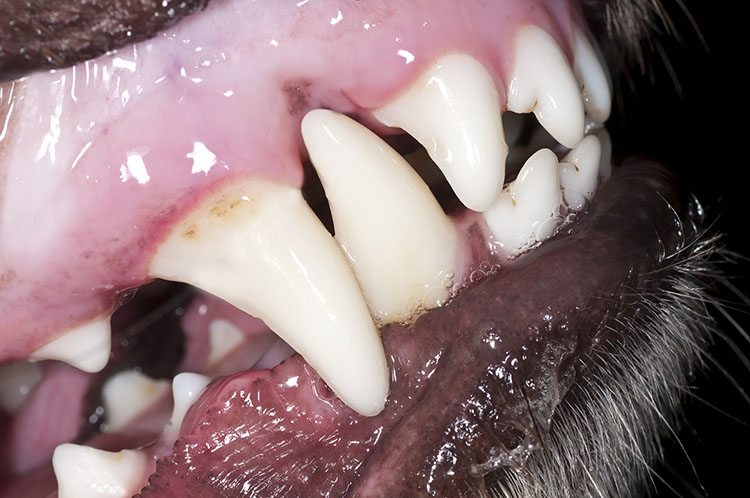
If you want to upset your veterinarian, tell her that you scale your dog’s teeth. As you watch smoke pour out of her ears, she’ll nonchalantly explain that scaling your dog’s teeth can make problems worse. Well, your vet has a point.

Anesthesia-free dog teeth cleaning is highly controversial within the veterinary world, so take a moment to understand that scaling your dog’s teeth is not an easy task. And your vet is right; your dog’s teeth will collect tartar quicker with anesthesia-free dental cleaning than a veterinary dental.

Why Most Vets Hate Anesthesia-Free Teeth Cleaning

Veterinarians see the aftermath. Dogs with torn gums, chipped or broken teeth, and tongue lacerations are common casualties of anesthesia-free dog dentals done either by a pet owner or as a service from a pet company. Yup, this all can happen within seconds of using sharp metal dental tools with little to no experience scaling dog teeth. Worse yet, pet owners don’t notice injuries until the pain is so unbearable their dog or cat refuses to eat.

It’s important to point out that dog dentals include much more than just removing plaque buildup on teeth. Some dogs have periodontal disease or need root canals or tooth extractions. Dogs break teeth. It’s actually very common regardless of age, and only veterinarians are able to detect and perform oral surgeries, which should always be completed under anesthesia. Plus, scaling dog teeth without polishing them creates a plaque magnet because plaque will build up quicker on uneven surfaces.

RELATED: Best Dog Toothbrush for Every Dog Size

But There’s Hope

For pet owners worried about putting their elderly or chronically ill dogs under anesthesia, it seems anesthesia-free procedures are gaining some ground within the veterinary world. Due to consumer demand, some veterinarians are now offering this service. The hard part now is getting your dog to comfortably allow his teeth to be cleaned.

Most dogs dislike the feeling or sound of metal scratching along their gum lines; some won’t tolerate it. Scaling a moving dog’s teeth is impossible and hence all the injuries from DIY dog teeth cleaning. Some dogs will patiently tolerate someone scraping and polishing their teeth, but this is the expectation—not the rule, unfortunately.

To determine if your dog is a good candidate for an anesthesia-free dog dental, allow your veterinarian to make that decision. Your vet will likely consider your dog’s personality and dental care needs before making that decision, so a good vet checkup is always needed beforehand.

What You Can Do at Home

Dog dentals are expensive. They can range between $100-$300, depending on where you live and the size of your dog. Once your veterinarian has thoroughly cleaned your dog’s teeth during a dental exam, keep plaque away with daily brushings and ensure your dog chews on toys and chewies that won’t harm his teeth or gums.

Filed Under: Health Tagged With: anesthesia free dog dental reviews, anesthesia free dog dentals, cleaning dog teeth DIY, how to clean your dog's teeth, scaling dog teeth, should you clean your dog's teeth

  • « Previous Page
  • 1
  • …
  • 49
  • 50
  • 51
  • 52
  • 53
  • …
  • 135
  • Next Page »

About

Dog Training Nation is a community of dog trainers, dog owners and dog lovers. Our mission is to provide trainers and owners valuable information to enrich dogs' lives. We cover a range of topics, from socializing puppies to dealing with aggressive dog behavior to selecting the best dog products. It is our hope you share our content to make the dog and owner world a better place.

​

Facebook

Video

Dog Training Nation is a dog training blog for pet owners and dog lovers. We cover a range of topics from puppy socialization tips to dog aggression to dog health. It is our hope you share our content to make the world a better place for dogs.

Dog Training Nation

Quick Links

Dog Training
Dog Behavior
Dog Training Videos
Become a Dog Trainer
About
Contact Us

Copyright © 2026 · Lifestyle Pro Theme on Genesis Framework · WordPress · Log in