Dog Training Nation

In Dogs We Trust

  • Home
  • Training
    • Dogs
    • Puppies
    • Clients
  • Behavior
    • Breeds
  • Health
  • Safety
  • Resources
    • Equipment
    • Books
  • Dog Training Videos
  • About
You are here: Home / Blog

When Dogs Wag Their Tails, Are They Happy?

April 29, 2016 by Fanna Easter

What a Dog Wagging Its Tail Means

Dog Wagging Tail
golfyinterlude/iStock

Dog tail wagging is part of a dog’s body language, but it’s only a small part. Assuming a dog is friendly because his or her tail is wagging is like reading a sentence with missing words–it’s impossible. Instead of narrowing in on tail wagging, it’s vital to read a dog’s entire body language before assuming he or she is friendly.

Before reading on, it’s important to understand my interpretation of dog body language is based firmly on scientific research and my 20-plus years of experience as a professional dog trainer. Some readers may completely disagree with my interpretations because they’ve learned something different. If that’s the case, I beg you to do further research on canine body language. Misinterpretation of a dog’s body language is a huge disservice to dogs and can be deadly. Know all the facts before assuming something is correct.

Understanding Dog Body Language

Dog body language is complex, and often difficult to interpret unless you’re a professional in the dog training industry. Shoot, many dog professionals misinterpret dog body language too! Canine body language is different than human body language, and pet owners often assume certain canine responses are friendly when they’re not. Dog tail wagging is one of these misinterpretations; tail wagging does not mean a dog is friendly.

Let’s discuss different types of tail wagging and tail positions plus additional dog body language nuances that usually follow right along with these types of tail wags. I think pet owners will be shocked at some of these interpretations.

Types of Dog Wagging Tail Behavior

Loose Wagging Tail From Side to Side

When dogs are happy and relaxed, you’ll notice a soft loose tail wagging from side to side. Usually the entire tail is wagging, including the dog’s rear end. Never just focus on a dog’s tail though; look at his or her ears, eyes, mouth and total body position too. 

For the most part, a friendly dog’s body language is soft, relaxed and loose. Friendly dogs have soft eyes; the corners are relaxed and minimal white showing. Ears are held softly in their normal position and may move back and forth softly. Friendly dog mouths are softly panting with relaxed corners–no teeth are showing and tongues are usually held inside the dog’s mouth with minimal drooling. A friendly and relaxed body position means a dog is standing equally between front and back legs with a minor shift forward.

Fast, Low Wagging and Tucked Tails

When dogs hold their tails downward or keep them tucked, and wag them quickly, they are usually worried. Fearful dogs wag the bottom half of their tail stiffly, even when tucked, but always look at the dog’s entire body language.

In general, worried, scared and fearful dogs hold their body backwards and tucked. Their ears are pulled backwards (sometimes pinned) and close to their heads. Their ears may pop up into normal position for a few seconds and then quickly lie against their head again. When dogs are worried, their eyes are round and wide with whites of their eyes showing (whale eye) and eyes sometimes darting back and forth. The corners of their mouths are usually pulled back, almost in a tight grimace, and teeth may be showing. A worried dog will usually stand with the majority of his or her weight pushed backwards away from the scary thing that’s worrying him or her. Sometimes, scared dogs will hold up a front or rear foot, freeze, shake, move slowly, sniff the ground, blink excessively, pant or hold mouth tightly shut, and look at or away from the thing that’s scaring them.

If a dog is fearful, never pet, approach or force a dog to comply. You’ll only make it worse.

RELATED: How to Talk to Your Dog Through Calming Signals

Stiffly Wagging Tail

This type of tail wag confuses people every day, and it’s never a good outcome. When dogs hold their tails up high and stiffly wag it from side to side, this means they’re highly engaged in something or someone. Usually, you’ll see this type of dog tail wagging behavior when Terriers see vermin. It gives me chills and not in a good way. As always, look at the dog’s entire body language before assuming anything.

For the most part, completely engaged dogs are stiff, erect, still and focused. Their stiffly wagging erect tail is followed with stiff and erect ears that are honed forward (sometimes they can dart from side to side quickly). Also, eyes are laser-focused, hard, staring and narrow while corners of the mouth are pushed forward into an agnostic pucker. And yes, teeth may or may not be showing. This dog’s body language is usually leaning forward–stiff and eerily still with some lunging toward whatever he or she is focused on. It’s almost like this dog is standing on his tippy toes and glaring at whatever he’s looking at. He means business.

This type of body language is hard to label. A dog could be warning someone or something to stop moving toward him or her, or it could mean a dog bite is about to happen. Never pet a dog displaying this type of body language, and never allow him or her to greet another dog (on or off leash) ever. This dog is basically saying I will hurt you if you proceed closer, and he or she has the teeth to do so.

If your dog displays this type of body language toward people, children, dogs and any other animals, get out of the situation ASAP and seek professional help. Punishing this dog behavior makes it worse. I’ve witnessed it firsthand many times, and, if someone tells you differently, find another professional dog trainer who teaches dogs different ways to react other than aggression.

As With Anything, Things Can Change

Now, just like humans, dogs can rotate between different emotions within seconds. A dog could happily be enjoying a favorite chew, but when someone tries to take it away, you’ll notice stiff body language. Dog body language ebbs and flows daily and sometimes hourly; just interrupt it and respond as needed.

Never focus on just a dog’s wagging tail. Look at the entire picture, and not just a few words. 🙂

Filed Under: Behavior Tagged With: are wall wagging dogs friendly, canine body language, dog body language, dog wagging tail, wagging dog tail, wagging tail, what does it mean when dog wags tail

3 Tips That Will Drastically Reduce Dog Shedding

April 27, 2016 by Fanna Easter

How to Reduce Dog Shedding

How to Reduce Dog Shedding
smuay/iStock

As the temperature rises, your dog’s winter undercoat will start to fall out. It’s a normal canine process that happens twice a year, but a dog shedding after winter is usually worse. The moment you notice an increase of loose dog hair, it’s time to jump into action for best results. Do know, you don’t have to live life coated in dog hair. Try these tips to drastically reduce dog shedding.

Choose the Right Dog Brush

Before you reach for any old dog brush, understand that not all dog brushes are alike. Depending on your dog’s coat length and texture, you’ll need a special brush that will do the job quickly by capturing and pulling out any loose hair caught in the coat. Slicker brushes and undercoat rakes do the best job for medium to long-coated breeds.

When using either dog brush option, make sure to use light pressure; never push the bristles down onto your dog’s skin, or you’ll cause large scratches. When using these brushes, brush your dog’s hair slowly and by sections for long, thick coats. Short-coated dogs do well with a rubber curry comb or your hands running along their body over and over.

Teach Your Dog to Stand Still

Dogs don’t understand to stand still while their coats are being brushed. Follow these quick dog grooming tips that will quickly teach your dog to stand still, which makes brushing much easier for both of you. If your dog already stands still, reward good behavior to make sure it sticks around. 🙂

Brush Your Dog Daily

By far, brushing your dog daily is the single most important step to shorten the process of shedding. Unfortunately, many pet owners brush their dogs once and assume all loose hair has been removed, and that’s furthest from the truth. When a dog is blowing coat (shedding like crazy), it can take at least two weeks of daily brushing to get it under control.

Yes, brush your dog daily until you notice a drastic decline in dog shedding hair. The first few days will be crazy, so bring a chair outdoors and brush away. Don’t worry about the loose dog hair in your yard; birds will quickly grab it to make cozy nests for spring eggs. Of course, keep flying dog hair away from your neighbor’s yard and any pools. If your dog is large or has tons of hair, brush one side per day and alternate until you reduce dog shedding.

You’ll be totally convinced your dog is bald or has lost 10 pounds by the end, but keep brushing. Around the sixth or seventh day, you’ll notice a sudden decrease in dog shedding, which indicates it’s time for a bath. 🙂 However, you’re still not done! You’ll need to brush your dog for another week to remove any leftover shedding hair, but it will be much fewer now.

If you notice any bald patches or lesions, schedule a veterinary appointment. It’s amazing what you’ll find when your dog sheds.

Bathe Your Dog

When dogs shed and loose undercoat is brushed out, their skin gets dry and dusty. Use a gentle and highly moisturizing shampoo to soothe the dry skin and coat left behind after brushing daily for seven days.

When bathing your dog, wet your dog’s coat, add shampoo and lather from skin to hair. Allow shampoo lather to remain on your dog’s coat, depending on your chosen shampoo’s recommendations. Now, rinse and rinse again. Grab your dog’s shampoo and bathe again. I know this takes longer, but a second shampoo will thoroughly loosen any dead hair and remove skin flakes. After your dog’s second shampoo, rinse, rinse and then rinse again.

On warm days, allowing your dog’s coat to air dry is pretty safe. For longer and thicker coats, it’s best to use a force dryer (has no heating element and made specially for dogs) to blow excessive water out of your dog’s coat. Some thick dog coats can trap moisture and start to smell.

If this all seems like too much, schedule a thorough bath and blow-dry with a professional dog groomer. Using a force dryer can blow dead undercoat out too, so it’s totally worth it after brushing your dog’s coat out for seven days.

Don’t forget to continue brushing your dog for an additional seven days after his bath. Sometimes, bathing stimulates a dog’s skin to drop excess undercoat, so you’ll need to keep brushing. 🙂

Moisturize From the Inside Out

There’s no way to stop dog shedding–it’s going to happen. To make the dog shedding process a bit easier, I recommend supplementing with fish or coconut oils. Adding omega-3s to your dog’s diet daily will keep his skin moisturized, which prevents dandruff and irritated skin.

Stick to brushing your dog thoroughly for 14 days, and you’ll soon notice a huge reduction in dog shedding. Happy brushing!

Filed Under: Grooming Tagged With: dog shedding, dog shedding brush, dog shedding prevention, dog shedding remedies, dog shedding season, dog shedding solutions, dog shedding tips, dog shedding tool, excessive dog shedding, how to stop dog from shedding, shedding tips that work

Free Feeding or Scheduled Feeding Dogs: Which Is Best?

April 25, 2016 by Fanna Easter

Free Feeding vs. Scheduled Feeding Dogs

Dog Feeding Tips
David Baileys/iStock

The debate between free feeding and scheduled feeding dogs has gone on for decades, and many pet professionals have very strong opinions on both sides. Personally, I think it depends on your dog’s needs and your schedule. Yes, I’ll probably receive hate mail for recommending free feeding, but if done correctly, it is safe and works for some dogs.

What is Free Feeding and Scheduled Feeding?

Free feeding means pouring your dog’s daily ration of food into his bowl once daily. Lately, free feeding has earned a terrible reputation because it’s been misunderstood by pet owners and most certainly contributed to dog obesity. Plus, not all dogs can be free fed.

Scheduled feeding means feeding your dog’s recommended amount of food at predetermined times of the day. Most dogs are fed in the mornings and afternoons, but puppies should be fed 3-4 times a day, depending on age and size. In general, I would say most younger dogs need scheduled meals, as they’ll likely gobble up all the food poured into their bowl.

Dog Feeding Recommendations

Here are a couple of dog feeding recommendations on when free feeding or scheduled feeding works best. While a pet owner’s schedule is taken into consideration, when to feed your dog really depends on your dog.

Only Feed Recommended Daily Amount of Food

This is a big one, and the single reason free feeding has earned such a horrible reputation. Depending on your dog, you may need to split his recommended food amount into scheduled meals.

Free Feeding

When free feeding, many pet owners erroneously top off their dog’s food bowl throughout the day, which adds a ton of unneeded calories that causes canine obesity. Instead, look on the side of your dog’s bag of dog food to find his recommended daily amount of food for his weight. Every morning, pour your dog’s recommended amount of food into his bowl, and he’ll likely graze on it throughout the day.

Scheduled Feeding

If you notice your dog’s daily recommended amount of food is gone by mid-afternoon or he instantly gobbles it up as food hits the bowl, you may want to split this amount into halves and feed in the morning and night. No one wants to go to bed hungry, so if this happens, your dog should be fed scheduled meals.

Feeding Large Breed Dogs

For the most part, large breed dogs and puppies eat a lot of kibble throughout the day, so scheduled feedings are recommended. Some giant breeds of dogs require 6-10 cups per day, so never free feed this large amount, especially if your dog gobbles up his food. Inhaling this large amount of food not only is painful, but can also cause gastric dilatation volvulus (GDV), which occurs when a dog’s stomach fills with food, fluid or air, and expands like a massive balloon. If untreated immediately, GDV will quickly result in death.

For large dogs and puppies that require a lot of food, some pet owners feed them several times a day by splitting their daily meals into 3-4 portions. These portions can easily be poured into a food dispensing toy, frozen with a bit of canned food in Kongs for quick midday snacks and served along with morning and afternoon scheduled meal times.

Feeding Tips for Multiple Dog Households

Scheduled feedings are best when two or more dogs live in the household. When free feeding two dogs, pet owners are unaware how much food each dog is consuming. Plus, one free fed dog usually eats most of the food while the other free fed dog is left hungry–that’s not fair and can be harmful for both dogs. If both dogs eat different diets, free feeding opens up opportunities for the other dog to eat prescription food not intended for him, which can also cause harm. On another note, when feeding multiple dogs during scheduled feeding times, observe all dogs eating to ensure one dog doesn’t bully the another dog for his food and all dogs are eating their food. When a dog doesn’t eat his meal, this usually indicates illness, so keep an eye out during meal times.

Feeding Puppies

As mentioned before, puppies need to eat more often, so scheduled feedings are recommended. Follow your veterinarian’s feeding schedule recommendations.

Canned Food

Skip canned food for free fed dogs. Canned dog food will start growing bacteria quickly. Now, I’m not saying you shouldn’t give your dog canned food; just give him a dollop in the evening as a special treat, but don’t leave it out. Scheduled fed dogs will probably gobble up canned food, and it’s a great way to encourage free fed dogs to eat on schedule. 🙂

Not Recommended For Cooked or Raw Diets

While this is common sense, I thought it should be mentioned. Leaving raw or cooked food out all day is not only harmful for your dog, but for you too. All raw or cooked meals should be fed during scheduled meal times.

Filed Under: Health Tagged With: food grazing dog, free choice food dog, free feeding dog, free feeding vs schedule feeding puppies, how often to feed dog a day, how often to feed large dog, leaving food out all day for dog, schedule feeding dogs

Best Store Bought Dog Training Treats: Dog Trainer Recommendations

April 22, 2016 by Fanna Easter

Best Store Bought Dog Treats

Best Store Bought Dog Training Treats
BettinaSampl/iStock

As a professional dog trainer, super yummy treats are a must-have during dog training sessions. Dog treats are your dog’s paycheck for choosing a polite behavior, and we all work for paychecks. The better the paycheck, the faster good behavior will happen. Fresh soft dog treats are easily the best option for training dogs. Check out why and which dog treat brands are best.

Soft or Hard Store Bought Dog Training Treats?

Oh, there’s a huge difference between soft dog treats and hard dog treats! When teaching new behaviors, you want fun and exciting sessions with lots of yummy treat rewards, but some treats will hold back the process.

I don’t recommend adding low value (dry pieces of kibble or biscuits) with high value treats. When teaching a new dog behavior or changing a dog’s perspective on something, always use high value dog treats every time. When weaning a dog from treats, using a variable schedule of reinforcement (i.e. rewarding the best “sits, downs or whatever” instead of every attempt) works much better once a dog understands a cue in all situations.

Soft Fresh Training Treats

From my experience training thousands of dogs, fresh training treats work best! When selecting dog treats, “fresh” means treats that contain higher moisture content that enhances aroma (smells strongly) and heightens taste. Additionally, fresh dog treats can be easily broken into pea-sized portions, quickly chewed and safely swallowed whole. Most fresh dog treats contain high percentages of meat, which means meat is usually the number one ingredient with a small percentage of vegetables or grains sprinkled in.

RELATED: Pros, Cons & Myths of Canned Dog Food

Dry Training Treats

Dry training treats can become a nuisance during training. They have little smell. If you don’t believe me, take a whiff of freeze-dried cow liver; it smells like nothing. No one enjoys eating scentless food because there’s a pretty good chance it will be tasteless too (hence rice cakes, yuck). Plus, store bought dry dog treats crumble easily, especially when breaking them into small portions for dog training sessions. There’s nothing worse than asking your dog to “down” and he’s busy hunting each and every dropped crumb instead of focusing on you.

If you’ve ever used dry training treats with an easily excited dog, you’ve probably witnessed your dog coughing or hacking after he swallows a dry treat whole. For smaller dogs, they will take their sweet time chewing a dry treat, which quickly deflates a high-energy training session.

Lastly, some pet owners swear their dogs love dry treats, but when I offer a fresh treat instead of a dry treat to their dog, the fresh treat is always gobbled up quickly. Plus, dogs tend to focus on other pet owners carrying fresh treats instead of their owners holding dry treats in their bait bag. Still don’t believe me? Place dry kibble or biscuit next to a chunk of tuna fish–case closed. 🙂

Recommended Dog Training Treats

As promised, check out a couple of brand names I highly recommend. All recommendations can be purchased at your local pet retailer and even large chain versions.

Freshpet

By far, Freshpet is my favorite! Due to an upsurge interest in cooked and raw food, Freshpet hit the pet and grocery store markets several years ago with a bang. Basically, this is a refrigerated cooked dog food with chicken as it’s first ingredient and a bit of vegetables and brown rice mixed in. Also, there’s a grain-free option for dogs watching their carbs. 🙂 Fresh Pet is a balanced dog food, which means it meets a dog’s daily needs if fed as a meal. It’s also made in the U.S.

Personally, I like the resealable bag option of Fresh Pet because it’s super convenient. No chopping needed. Just dump in your bait bag and go! If chopping is your thing, then choose from grain-free or regular rolls options. Now, Fresh Pet needs refrigeration, so I recommend freezing it a bit (1-2 hours max) during warmer months before heading out to group dog training class. As you arrive at the dog training facility, you’ll notice these treats will thaw a bit, but still remain cool during training sessions. Discard any remaining treats. I dump my bait bag contents on the floor for my dog to enjoy as class wraps up. Always wash your hands thoroughly afterwards, and don’t forget to wash your bait bag too.

Natural Balance Rolls

These rolls have been around for a long time, and I still use them during training. Meat is the number one ingredient in each role variety. Natural Balance rolls are nutritionally balanced, meaning these rolls can be fed as your dog’s regular meal (it would get expensive really quick though!).

Unfortunately, Natural Balance tweaked their roll recipe recently, which causes treats to crumble a bit when chopping. A tip: when chopping pea-sized treats, make sure the roll is nice and cold before cutting. This will keep crumbling to a minimum. I must say, dogs love this stuff–crumbs and all! Plus, there’s many protein options if your dog is unable to tolerate chicken or beef.

Natural Balance rolls must be refrigerated too. Freeze chopped treats (about 1-2 hours max) before heading out for training during warmer months. After training, discard any leftover treats. I usually dump my bait bag contents on the floor for my dog to enjoy at the end of class. Always wash your hands thoroughly and your bait bag too.

Regardless of which brand you choose, make sure your dog absolutely adores his or her treats. Fabulous dog treats make training dogs much easier!

Filed Under: Dogs, Equipment, Puppies, Resources, Training Tagged With: best dog training treats, best store bought dog training treats, dog trainer recommended training treats, dog training, Dog Training Tips, dog training treats store, fresh pet dog training treats, how to teach a dog, how to train a dog, natural balance roll dog training treats, teach a dog, train a dog

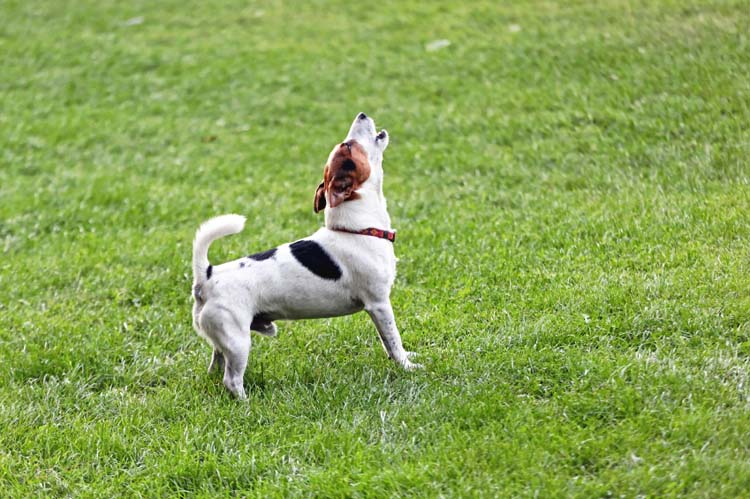
Help! My Dog Barks Relentlessly At My Neighbor’s Dog

April 20, 2016 by Fanna Easter

How to Stop Your Dog From Barking at Your Neighbor’s Dog

Stop Your Dog From Barking
Baloncici/iStock

When your neighbor’s dog barks relentlessly at your dog, she will probably respond back. It’s like having someone yelling at you through a fence; eventually, you’ll become frustrated and yell back.

However, it doesn’t always have to be this way. Instead, teach your dog to ignore the rude neighbor dog’s barking. I know, you’re probably thinking you’ll have a better chance at seeing a unicorn grazing in your backyard than this working for your dog, but it works quickly and reliably! The only thing you need is a leash, super yummy treats and lots of patience.

Don’t Let Dog Barking Become a Habit

We assume barking is natural dog behavior; dogs should be allowed to speak when they want to. Well, that’s all fun and games until your dog becomes the neighborhood yapper. If dog barking behavior is practiced over and over, it becomes tougher to change.

If your dog has practiced this behavior so much that she immediately runs out and barks at anything and everything, it will take a couple of weeks to change this behavior. While this seems like a long time, think about habits for a moment. When trying to lose weight, it takes time to lose it effectively and permanently. Quick fixes never work in the long run, and weight sneaks back on.

Like all habits, it takes time and due diligence to change a behavior reliably, so it’s always best to prevent. Although I have a few dog training tips that work really well to change behavior too if it has already become a habit.

Prevention

Let’s look at prevention. This is the easiest way to keep unwanted behavior from sneaking up. First, let’s review barking a bit. Barking is a slippery slope. It’s very self-reinforcing, meaning dogs will learn to bark when bored, scared or frustrated. Interestingly, barking becomes a way for a dog to self-soothe herself like humans yelling when stuck in traffic, biting their nails or eating during stressful times.

Prevention means you’re rewarding your dog whenever she ignores your neighbor’s barking behavior. Reward with treats. Usually, I’ll toss super yummy treats away from the fence of the barking dog. This not only rewards my dog, but also teaches her she can move away from the stressful situation.

How to Stop a Dog From Barking

We recently experienced our dog barking at our neighbor’s dog when moving back into the suburbs. During the day, many dogs are left in the backyard while pet owners are at work, which teaches dogs to relentlessly bark at neighbors, dogs or the air just to hear themselves bark. Privacy fences prevent dogs from seeing each other, but dogs can still learn to fence fight, which is a horrible habit. Check out this article for tips on creating a visual barrier.

Bring Your Dog Out on Leash

As an example, I’ll share my story. Our backyard fence is made of cinder block, so dogs were unable to see each other. Stella, my little Bull Terrier is a typical Terrier; she will bark back at other dogs whenever she has a chance. The moment we moved into our new home, our neighbor’s little dog welcomed us with rapid non-stop barking whenever anyone was out in the backyard. The second Stella heard her rude doggie neighbor yelling at her, hackles went up and growling started.

For two weeks, we brought Stella out into the backyard on a retractable leash (the only place retractable leashes should ever be used) and I was armed with lots of yummy treats. Having Stella on leash prevents her from running away, engaging in barking behavior and going over threshold. Once a dog goes over threshold, she is oblivious to treats, yelling and anything else. Basically, never allow your dog to “go there” during dog training. If it happens, you’ve just taken 10 steps backwards. While it’s tempting to give quick leash corrections, it will only make it worse as your dog learns that pain happens whenever that dog barks, so your dog’s behavior will become much worse.

Ask Your Dog to “Touch”

The second I heard our neighbor’s dog start barking, I asked Stella to “touch” my hand and rewarded her generously (3-5 treats in a row). Understand, it’s hard for Stella to ignore a rude dog so close to her, but after a couple of “touches,” her hackles went down and her tail started wagging loosely.

Keeping Stella next to me sets us both up for success. It keeps her under threshold and allows change to happen. By asking Stella to do another behavior (touch) instead of letting her bark, it gives her something else to focus on rather than the barking dog next door. Additionally, it teaches her another way to react to a barking dog instead of barking back.

Our Success

Now, when our neighbor’s dog comes running out barking, Stella either ignores it completely or walks over and touches my hand. Do know, I never take her good behavior for granted, so I randomly reward her good behavior. Many pet owners set themselves and their dogs up for failure the moment they forget to reward good behavior. Always let your dog know she made the right choice.

You can use these same protocols to prevent your dog from barking at your human neighbors too!

Talk To Your Neighbor

This is easily the most difficult part. Start by keeping the conversation light and explain you want to keep the peace between both dogs. With our neighbor, she admitted she didn’t hear her dog bark anymore. She became used to it. I provided a few suggestions, and now she brings her dog indoors the moment she starts barking. You don’t have to be a dog trainer to provide suggestions. Just print these barking tips for your neighbor. Our neighbor was actually grateful.

If Habits Sneak Back In

Habits are tough to break, so expect some slip ups between both barking dogs. Take a few steps back and grab your leash and yummy treats to practice a bit more. Don’t forget to reward good behavior–that’s the key to success when tackling strong habits.

Good luck!

Filed Under: Behavior, Training Tagged With: dog barks, dog barks at neighbor, dog barks at neighbor dog, dog barks at neighbor dog how to stop, dog barks at neighbor dog through fence, dog barks at other dogs, dog behavior, dog training, Dog Training Tips, how to teach a dog, how to train a dog, my dog barks at my neighbors, neighbors dog barks, stop dog barking a neighbor, stop dog from barking at neighbor dog, teach a dog, train a dog

  • « Previous Page
  • 1
  • …
  • 52
  • 53
  • 54
  • 55
  • 56
  • …
  • 135
  • Next Page »

About

Dog Training Nation is a community of dog trainers, dog owners and dog lovers. Our mission is to provide trainers and owners valuable information to enrich dogs' lives. We cover a range of topics, from socializing puppies to dealing with aggressive dog behavior to selecting the best dog products. It is our hope you share our content to make the dog and owner world a better place.

​

Facebook

Video

Dog Training Nation is a dog training blog for pet owners and dog lovers. We cover a range of topics from puppy socialization tips to dog aggression to dog health. It is our hope you share our content to make the world a better place for dogs.

Dog Training Nation

Quick Links

Dog Training
Dog Behavior
Dog Training Videos
Become a Dog Trainer
About
Contact Us

Copyright © 2026 · Lifestyle Pro Theme on Genesis Framework · WordPress · Log in