Dog Training Nation

In Dogs We Trust

  • Home
  • Training
    • Dogs
    • Puppies
    • Clients
  • Behavior
    • Breeds
  • Health
  • Safety
  • Resources
    • Equipment
    • Books
  • Dog Training Videos
  • About
You are here: Home / Blog

Avoid Lip Fold Pyoderma With Weekly Cleanings

March 16, 2016 by Fanna Easter

Lip Fold Pyoderma Prevention Tips
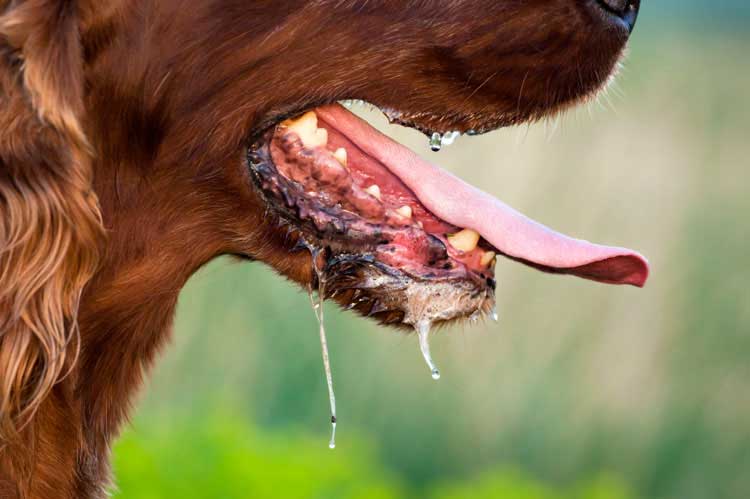
Lip Fold Pyoderma
Wavetop/iStock

When the sides of a dog’s bottom lips fold up onto itself, it can trap food and moisture and certainly smell awful. In our house, we call it “stinky lips,” but the condition is called lip fold pyoderma or dermatitis.

Lip fold pyoderma is pretty common in dogs with loose skin, short noses or long hair around their mouth areas (including beards or mustaches). To prevent your dog from developing lip fold pyoderma, check out these dog grooming tips for weekly cleanings.

How to Check for Lip Fold Pyoderma

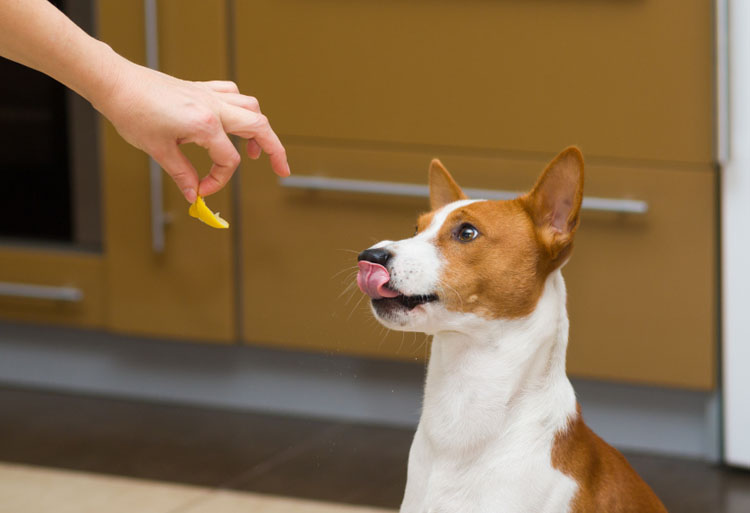
Usually, pet owners notice a sour or mildew smell around their dog’s mouth. They think the smell is coming from their dog’s teeth. To check your dog’s lips, have someone sit in front of your dog with yummy treats in her closed hand. Sit on the floor near the other person and face your dog. You’ll get a better view by looking at the side of your dog’s mouth.

Using your fingers, gently slide the front half of your dog’s lip forward. Basically, you’re opening up the pouch by sliding your dog’s bottom lip toward the front of his mouth. If your dog has lip fold pyoderma, you’ll probably see and smell it.

Lip fold pyoderma looks like hair coated with some type of mucous or film, and sometimes the skin is inflamed too. If you’re not sure, take a whiff and you’ll soon know for sure. Now, check the other side since lip fold pyoderma can occur on both sides of the mouth if the skin is loose.

If it smells, then the area needs to be cleaned weekly.

Preventing Lip Fold Pyoderma

There are a couple of ways to keep your dog’s mouth area clean, but it really depends on how often you bathe your dog. If you don’t bathe your dog weekly, you’ll need to spot clean the area every week.

RELATED: Are Dog Wipes Worth It?

Spot Cleaning

Grab a bowl of warm water, a couple of clean paper towels (or a clean washcloth) and medicated dog shampoo. By far, my favorite medicated dog shampoo for lip fold pyodermas is Nolvasan medicated shampoo. Nolvasan contains a disinfectant called chlorhexidine and can be purchased on Amazon. Your veterinarian can also prescribe a medicated shampoo to clean the area if that’s what you prefer.

Ask your friend to sit in front of your dog with yummy treats and offer your dog a treat for allowing mouth handling and standing still. In between treats, pull your dog’s lip forward and clean the area with a wet paper towel and medicated dog shampoo. Afterwards, rinse the area with a clean paper towel, then pat the area dry. If your dog has long hair in the area, you may need to clip the hair shorter. Your groomer can do this for you too.

Check the lip fold pyoderma area daily to make sure it’s clean. These daily checkups are an excellent opportunity to reward your dog for mouth handling. If your dog walks away, pulls his head away from your hands or freaks out when you touch his mouth, check out this article on teaching your dog to say “ah.” It has tips on teaching your dog to enjoy mouth handling.

Weekly Baths

If your dog is bathed weekly, use that time to clean his lip fold pyoderma thoroughly and rinse with warm water. Follow the same directions for spot cleaning, making sure to open up the lip pouch, clean and rinse well. If your dog is bathed less often, you’ll need to spot clean the area weekly to remove trapped food and moisture.

When to See a Vet

If the infected area smells really bad, looks inflamed and/or contains pus, or your dog refuses to allow you to look in the area, I would set up an appointment with your veterinarian. Your vet can rule out dental issues and confirm it’s actually lip fold pyoderma.

Now, body handling is so important. If your dog refuses to have his mouth touched, continue teaching your dog body handling skills. It’s not fair to your dog to be pinned down at the vet clinic either. Body handling skills are a must for all dogs, so grab your treats and get busy.

Lip fold pyodermas happen. Since dogs are not candidates for facelifts, it’s up to pet owners to keep the area clean. 🙂

Filed Under: Grooming, Health, Resources Tagged With: dog lip fold pyodermas, dog lip smells, dog lip sores, natural treatment lip fold pyoderma

Finding a Good Dog Groomer in 4 Steps

March 14, 2016 by Fanna Easter

How to Find a Wonderful Dog Groomer

Dog Groomer
scorpp/iStock

Choosing a dog groomer with gentle hands who can trim an amazing doggy haircut is very difficult. Start your search before your dog needs to be groomed, as it can easily take a couple of weeks of research plus an additional couple of weeks for an available appointment. There’s a reason wonderful dog groomers are booked. They are worth the wait!

1. Ask Pet Owners

Luckily, pet owners are thrilled to share their favorite groomer’s information. They’ll also give you an ear full of dog groomers to stay away from. Start a list of leads, and then give them a quick search online. You’ll be shocked to find some groomers with pages of customer complaints or, even worse, an arrest record for animal abuse. This is the time to narrow down your search and expand your driving radius. A good groomer is worth the drive.

2. Stop In and Watch

Once you have a short list of professional dog groomers, it’s time to pop in and watch them work with dogs on the grooming table. So many people say the right words, but their hands tell the entire story. Pop in and ask questions. Tell them you’re looking for a new groomer for your dog. As you tell them about your dog’s coat texture, length, and size, watch how groomers handle each dog on their grooming table.

A groomer’s hands should be gentle and patient; they should not be pushing or pulling a dog’s body. If a dog gets a bit wiggly on the table, the groomer should stop grooming for a second or two and allow the dog to settle before beginning to groom again. Older dogs should be able to sit or lie down, as it’s exhausting for them to stand for an hour. Puppies should be encouraged with treats, lots of patience and short breaks. No dogs should be screaming while being groomed, kenneled or bathed nor have their head strung up on short grooming leads.

Some groomers may disagree with me, and that’s fine, but I want a groomer who makes grooming a fun and positive experience by bathing and grooming anxious dogs quickly and not leaving them kenneled all day to stress out. Now, pet owners with easily stressed dogs, you should not expect your dog to be at the groomer’s all day while you work. Drop him off and plan to pick him up within an hour, and don’t be late.

3. Stay for the Groom

Better yet, stay for your dog’s bath and groom. Some dog groomers don’t feel comfortable having you hover around while they’re grooming your dog, which is fine. It means they’re not the groomer for you. Many groomers say your dog will behave better when you’re not around, but I disagree. There’s nothing wrong with you waiting quietly in the waiting area or watching your dog’s groom from a window. Keep some distance, so your dog doesn’t whine excessively for you, but keep an eye on your dog the entire time.

4. Watch Your Dog’s Behavior Afterwards

This is a huge tell-tale on how your dog was handled during the grooming process. If your usually happy dog is scared, stressed or shy after grooming, then you shouldn’t go back to that dog groomer. If your dog has nicks, cuts, razor burns (red and inflamed skin from clipper blades that were too hot), brush burns (skin scrapes caused by brushing a dog too hard), I would advise you to never return to that groomer again. I would certainly give this groomer a call and tell him or her what happened, and you’re not very happy about it.

With That Said, Good Groomers Need Your Help

Trust me, I’m not bashing dog groomers; it’s a difficult and physically exhausting job. But as pet owners, a good groomer needs your help to keep grooming sessions positive. If your dog hates having his nails trimmed, then you should teach your dog that nail trims are rewarding at home. Brush your dog thoroughly every day. If your dog dislikes brushing or body handling, then start teaching him brushing is a good thing and body handling means lots of yummy treats.

Good luck, and don’t forget to sing the praises of an excellent dog groomer!

Filed Under: Clients, Grooming, Training Tagged With: best dog groomers, best pet groomers, choosing a dog groomer, dog training, Dog Training Tips, finding a dog groomer, finding a pet groomer, how to teach a dog, how to train a dog, pet groomer, scared dog grooming, teach a dog, train a dog, where to find dog groomers

Dangers of Dogs Hanging Their Heads Out Car Windows

March 11, 2016 by Fanna Easter

Why You Shouldn’t Let Your Dog Hang His Head Out Car Windows

Dog Hanging Out Car Window
belchonock/Deposit Photos

In an effort to sound realistic, instead of resembling a “helicopter doggy mom” that hovers and assumes the worst, allow me to explain why dogs should keep their heads inside the car. Dogs hanging their heads out car windows is just plain dangerous, and I’m sure your children keep their heads inside the car too, right? Allow me to explain further.

Dogs Do Jump/Fall Out of Cars

Dogs jumping or falling out of cars happens more often than you think; pet owners just don’t want to admit it. It doesn’t take much for a small or medium-sized dog to fall out a half-open car window when pet owners swerve or turn sharply. Plus, your dog can easily get tossed outside of the car when a car accident happens–even if it’s just a fender bender. During dog training classes, I’ve witnessed dogs jumping or wiggling out of open car windows when they notice something exciting like another dog or person walking close by.

RELATED: Protect Your Car Interior From Your Dog

Eye and Nose Injuries Can Occur

If dogs hang their heads out of a moving car window, their eyes and nose are being exposed to wind-filled debris at 35 mph. Debris can be anything–sand, glass, bits of rubber or plastic pieces stirred up by passing cars. If you’ve ever had sand in your eye, you know how frustrating and painful it can be even after a couple of days. Oh and your dog’s nose. It never stops inhaling all those delicious scents, so a bug or shard of glass can easily get wedged inside. Even though it’s not mentioned, your dog’s ears are susceptible to ear flap hematomas (pockets of blood stuck between skin layers), which can easily be caused by ears flapping against each other or against the car.

How to Keep Your Dog’s Head Inside

Honestly, I could go on and on about the dangers of dogs hanging out car windows, but I’d rather give you advice on keeping your dog entertained and safe. Crack your car window, so your dog can experience all the different scents, yet keep her head inside the car. When cracking the window, as a general rule, the window should only be cracked wide enough to prevent the dog’s nose from poking outside. Usually, this means cracking the car window about half an inch for smaller dogs and one inch for larger dogs, but it depends on your dog’s muzzle length too. When in doubt, choose a smaller crack. By keeping their noses inside the car, dogs are still able to smell all those delicious scents while keeping them safe.

Allowing your dog to stick his head outside of a moving car window is not considered enrichment; it’s just too dangerous.

READ NEXT: Dogs Die in Hot Cars

Filed Under: Resources, Safety Tagged With: dog hands head out car window, dog head car window, dog head window bad, dog sticks head out car window

Help! My Dog Steals Food Off The Table

March 9, 2016 by Fanna Easter

Proven Tips to Keep Your Dog From Stealing Food

Dog Stealing Food
monkeybusinessimages/iStock

As a child, I remember watching our small dog strategically jump from chair to chair until she landed on our dining room table. There, she promptly helped herself to a banana from the fruit bowl. My first thought was she’s pretty darn smart! Then, I was shocked she ate the entire banana.

While most pet owners appreciate their dogs’ skill and finesse when stealing food from the table, it’s not always entertaining watching your Rottweiler eat your carefully prepared roast. 🙂 These dog training tips not only stop dog stealing food behavior, but they also prevent it from happening in the first place.

Why Dogs Steal Food Off Tables

Who can resist deliciously smelling food sitting on a table, right? When food is left on tables or kitchen countertops, it can easily become an open invitation for your dog. Once your dog rewards himself by pulling down a loaf of bread and eating every slice, including the plastic wrapping, he learns to patrol tables and countertops heavily.

Every time your dog steals food, he is rewarded, which strengthens the behavior. As a result, the dog stealing food behavior happens more often. Think about it this way: If you found a $100 bill under a large tree in your backyard every week, I’m pretty sure you would keep an eye on it constantly or, if not, live under the tree.

RELATED: Can Dogs Eat Mushrooms?

How to Prevent Dog Stealing Food Behavior

As you’ve probably guessed, keeping food off tables and counters prevents this dog behavior from happening in the first place. Get the children involved and stash bread, snacks and fruits in closed cabinets or refrigerator. Remember to pick up food items after cooking.

If you’re cooking, and food is scattered across your counters, keep an eye on your dog. Or better yet, push food items further back from counter edges to prevent your dog from sniffing or snatching food. If your dog starts sniffing counter edges, call your dog to you and ask him to “lie down” and reward with a treat. Soon, your dog learns that lying down in the kitchen makes food appear rather than stealing it.

For proven food thieves, or dogs that have a history of stealing food off tables, fence the kitchen off with a baby gate. By creating a barrier, your dog is unable to patrol the area and look for food. Also, keep your dog in a crate when you’re away. This prevents your dog from learning to climb furniture for fruit bowls placed in high locations.

[perfectpullquote align=”full” cite=”” link=”” color=”” class=”” size=””]If you punish your dog for stealing food, he will learn to steal food when you’re not around. [/perfectpullquote]

Don’t Punish Your Dog For Stealing Food

We all scream when a dog steals food and runs away with it; we’re shocked it just happened. Do know that punishing your dog for stealing food won’t stop him, but instead make it much worse. So many times, pet owners are advised to set up their dogs with tempting food dangling from the table edge. The moment their dogs walk toward it, they’re advised to punish him. Let me explain how this creates a super sneaky food thief.

If you punish your dog for stealing food, he will learn to steal food when you’re not around. Yes, punishment creates stealth thieves, meaning you never hear it happening or it happens so fast that everyone in the house is clueless. Think about it this way: If you’re speeding near a specific bridge and the police stops and issues you a ticket at that location, you’ll either learn to drive slowly everywhere or slow down when approaching the bridge.

Preventing a behavior from happening is key! If dog stealing food behavior occurs down the road, prevention still works best, so the behavior is never rewarded (dog is unsuccessful at stealing food because it’s not available). This works!

YOU MAY ALSO LIKE: Get Your Dog to Take Treats Gently

Filed Under: Behavior, Dogs, Training Tagged With: dog eats food from counters, dog steals food, dog steals food from counter, dog takes food from table, dog training, Dog Training Tips, how to teach a dog, how to train a dog, teach a dog, train a dog

How to Get Your Dog to Take Treats Gently

March 7, 2016 by Fanna Easter

Teaching Your Dog to Take Treats Gently

How to Train a Dog to Take Treats Gently
Yurikr/iStock

Ouch! If your dog takes treats from your fingers roughly, you know the feeling. Before punishing dogs for this behavior, understand that dogs haven’t read an etiquette guide teaching them proper manners around food. When dogs see a treat they like, they take it vigorously until they’re taught to take treats nicely. Try these dog training tips to teach your dog to take treats gently.

Polite Manners Please

We love holding small pieces of food between our fingers. It’s a natural behavior used when handing another person something small or eating finger foods. However, some dogs don’t understand how to remove food held between two fingers. They either snap at your fingers or place their mouth over your fingers and remove the treat with their tongue. Either way, it can be painful or scary. Hence, the importance of teaching your dog to take treats gently.

Put Out an Open Hand

In the beginning, place dog treats on your open flat palm. If you’ve fed horses treats before, it’s the same technique. An open palm creates a flat surface that keeps fingers out of the way and minimizes nibbles and bites. Plus, most dogs will use their tongues to grab a treat from your open palm instead of their teeth. By feeding large or small treats from your hand, your dog is learning to slow down and take treats gently.

By using the open hand technique, you’ll notice your dog taking his time to remove a treat from your hand. While holding your palm upwards, cup your hand slightly and offer your dog a treat. Slowly cup your upturned hand further, so your dog learns to softly search and grasp the treat in your hand.

Also, when guests come over and want to offer your dog a treat, always advise them to use the open hand technique. It reduces the chances of your dog’s teeth pinching their fingers, as some guests are easily overwhelmed when a dog rushes forward for treats.

RELATED: Healthy Dog Treats

Feed the Floor

When dogs get excited or stressed, they’re more likely to painfully snatch treats from hands and fingers. During dog training classes, I can spot dog owners who have the “pinched treat finger” grimace from across the room. Dogs taking treats roughly is quite common in class. Their dogs are probably super excited.

My advice is to feed the floor instead of handing each treat to your dog or placing a treat in your dog’s mouth. By feeding the floor, you’re tossing earned treats within two to three feet of your dog’s paws, so he must pick up the treat from the floor instead of your hand.

Use a Spoon

Yes, your dog can easily learn to take treats from a spoon. When teaching loose leash walking, most dogs snatch treats roughly, as you’re probably moving quickly with lots of verbal praise and happiness. Instead of feeding the floor, which can cause your dog to run after a bouncing treat, try placing peanut butter in a spoon and offering a lick as a reward. For larger dogs, fill a plastic or wooden spatula with Swiss cheese and offer a lick or two in place of a treat.

Most dogs learn to take treats gently, so use these dog training tips as needed. Remember, dogs get really excited during dog training, so you may need to give your dog treats with a flat palm, feed the floor or fill a spoon when needed.

Filed Under: Behavior, Dogs, Training Tagged With: dog bites fingers when taking treats, dog bites hands when taking treats, dog eats treats gently, dog takes treats hard, dog takes treats roughly, dog training, Dog Training Tips, how to teach a dog, how to teach a dog to take treats gently, how to train a dog, train a dog

  • « Previous Page
  • 1
  • …
  • 56
  • 57
  • 58
  • 59
  • 60
  • …
  • 135
  • Next Page »

About

Dog Training Nation is a community of dog trainers, dog owners and dog lovers. Our mission is to provide trainers and owners valuable information to enrich dogs' lives. We cover a range of topics, from socializing puppies to dealing with aggressive dog behavior to selecting the best dog products. It is our hope you share our content to make the dog and owner world a better place.

​

Facebook

Video

Dog Training Nation is a dog training blog for pet owners and dog lovers. We cover a range of topics from puppy socialization tips to dog aggression to dog health. It is our hope you share our content to make the world a better place for dogs.

Dog Training Nation

Quick Links

Dog Training
Dog Behavior
Dog Training Videos
Become a Dog Trainer
About
Contact Us

Copyright © 2026 · Lifestyle Pro Theme on Genesis Framework · WordPress · Log in