Dog Training Nation

In Dogs We Trust

  • Home
  • Training
    • Dogs
    • Puppies
    • Clients
  • Behavior
    • Breeds
  • Health
  • Safety
  • Resources
    • Equipment
    • Books
  • Dog Training Videos
  • About
You are here: Home / Blog

Shaving Your Dog? Brush or Trim, But Show No Skin

June 25, 2015 by Fanna Easter

Should You Shave Your Dog?

No, Brush or Trim Instead

Shaving Your Dog
Jaroslav Frank/iStock

Many articles insist shaving your dog’s thick double coat reduces insulation (i.e. trap less cool air within fur) during warm temperatures, increasing the chances  of becoming heat intolerant, which can cause heat stroke. This sounds a bit counterintuitive. Would you stay cooler by wearing a fur coat during summer? I know our cooling systems are different than that of dogs, but let’s look at both sides of the coin.

I reached out to dog experts (e.g. veterinarians, pet groomers and dog trainers) and their opinions were split down the middle. Then, I researched “anti-shave double coated dogs coat” articles. Some of the information I found were anecdotal in my opinion. Where’s the proof that trimming a dog’s double coated coat will harm the dog? I searched for studies and didn’t find any. Now, I’m not dismissing expert opinions, and I totally understand skin exposure is not good, but why can’t we trim (shorten) our dogs’ thick coat?

Let’s discuss this very delicate subject with options and possible outcomes:


 One thing is for sure: Never leave a long-coated dog  or any dog exposed to warm temperatures.

All dogs must have access to shade and cool water or, better yet, air conditioning.


Not Shaving Double Coat? Then Remove Dense Undercoat

If you feel shaving your dog is inappropriate and you enjoy your dog’s luscious locks, then by gosh keep his double coat. It’s not wrong; it’s an option. However, it’s important to keep your dense coated dog comfortable by removing excessive undercoat hidden deep within your dog’s long hair. Also, weekly baths and daily thorough brushing ensure long hair lies flat, protecting your dog’s skin while keeping him cool.

Now, understand that undercoat is thick and lies deep inside your dog’s coat, lying between the skin and top coat, so I recommend using a mat rake to remove it. For maximum undercoat removal, I highly recommend an appointment with a skilled dog groomer who has additional tools and extensive knowledge to remove most undercoat without harming your dog’s skin.

Trim, Don’t Shave

While living in the Deep South, I shared my life with Bouviers. I’ll readily admit, I trimmed their thick coats. Now, let’s clarify, I “trimmed” my dogs’ coats, meaning I shortened the length (1/2 inch using a 3F blade) with no visible skin peeking out, which protected their skin from the sun’s glaring rays. After trimming, my dogs zoomed and bounced around the house instead of permanently attaching themselves to the AC vent–the difference was unbelievable. Even though their coats were short, I still bathed them weekly and brushed daily, as trimmed coats still contain undercoat (it’s just shorter now).

Shaving Your Dog
This is too short. You can see skin (pink color peeking through tan hair). Soraluk/iStock

Shaving, in my opinion, means removing hair to the skin. Please don’t do this to your dog. I think we all can agree shaving hair so that skin is exposed to the sun is not okay. When all hair is removed (or shortened so skin is peeking out), dogs are susceptible to painful sunburns and have an increased chance of skin cancer.

Now, if shaving your dog is the only option due to massive amounts of mats, make sure you apply sunscreen every day until his coat grows out. Brush your dog so this never happens again. Shaving is an extreme measure and should happen for medical reasons only. Trim instead.


 While trimming excessive hair may keep some dogs cool, this is not a reason for keeping your dog in extreme temperatures.


Understand Risks of Shaving & Trimming

Remember, we’re looking at both sides of the coin. There are cons with all choices in life, and trimming your dog has a few too.

Trimming Dog Coat
Trim. Don’t show skin. This is the perfect length. sutichak/iStock

It Looks Funny

We can’t deny the fact that double coated dogs look odd when trimmed. They resemble 80s rock band members. So prepare yourself.  Yes, we giggle and some dog owners freak out and buy T-shirts to cover their unusual haircut, but the main reason we trim is to keep them cool because we’re all regularly brushing our dogs, right? 🙂

Shaved or Trimmed Coat Grows Back Weird

Sometimes, if your dog’s coat has been shaved or frequently trimmed very short, you’ll notice his coat growing back a different color, thicker or thinner than usual. Keep this in mind when making your decision, as his coat may look and feel different during cooler months. Personally, my Bouviers were trimmed 1/2 inch during summer and 1 inch during winter (winter is mild in Louisiana), but I understood the risks of sparsely growing coats too.

Shaving Doesn’t Stop Shedding

Shaving to stop a dog from shedding is a myth. Shaved dogs still shed tiny hairs. Dogs must shed. Dead hair either falls on your shirt or is brushed out. Either way, it happens.

Unfortunately, I’ve witnessed many short and medium coated dogs being shaved (10 blade in most cases), such as Rottweilers, Labs and Dobermans. When polled about why dog owners shaved their dogs in the grooming salon, they admitted they were tired of cleaning up shedding hair. Shaving to prevent shedding is extreme, and it doesn’t stop shedding. It actually exposes their skin to harmful sun rays when their coats were already short enough to keep them cool. Instead, brush daily with a slicker brush to prevent shedding.

Trimmed Dogs Can Still Get Hot

There’s a statement fluttering around the Web suggesting trimming dogs doesn’t necessarily keep dogs cool. While I couldn’t find any studies proving this statement, I’ve been lucky enough to observe hundreds of trimmed and untouched coated dogs attending my dog training classes during warmer months. Let me tell you: there’s definitely a difference. Most trimmed dogs seemed much more comfortable. There was less panting, salivating and water drinking, but instead more energy than their full coated friends. This is not an absolute, as each dog and his grooming needs are different.
Dog Undercoat
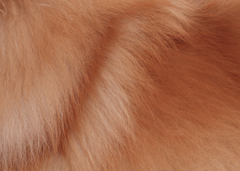
Soft frizzy hair is undercoat. sutichak/iStock

Trimming a dog’s coat keeps him cooler by removing trapped heat caught in his coat, but it doesn’t mean dogs can tolerate heat longer due to their new haircut. They still have a layer of hair covering them. We know shaving exposes your dog to different risks so it’s counterintuitive. Plus, dogs cool themselves differently. They don’t sweat like we do.

In a nutshell, trimmed dogs still get hot so use common sense and keep them away from the heat.

What Should You Do?

Most experts agree shaving is extreme, and I think this is the point of most anti-shave articles. Make informed decisions by understanding risks and your dog’s specific coat needs. Also, consider your commitment to frequent brushing and the weather of where you live. If someone chooses to trim her double coated dog’s coat, there is a reason so hold your negative comments. On the other hand, trimming doesn’t mean laziness. You must still brush and bathe often.

This was a challenging article to write due to passionate opinions on both sides of the coin. I want to personally thank each pet expert who voiced his or her thoughts during the research process. I sincerely hope this information provides you options on keeping your dog comfortable during the spring and summer. Stay cool!

Filed Under: Health Tagged With: pros and cons of shaving your dog, shaving dogs for summer, shaving dogs in the summer, shaving dogs that shed, shaving dogs with thick coats, shaving dogs with undercoat, shaving double coated breeds, shaving double coated dogs, shaving your dog, should you shave your dog, should you shave your pet, trimming double coated breeds

“Jurassic World:” Dispelling Prehistoric Training Myths

June 24, 2015 by Fanna Easter

Prehistoric Training Myths Debunked

Animal Training
geotrac/iStock

“Jurassic World” did its job. It was fast-paced and extremely entertaining. Personally, I sat on the edge of my seat in the IMAX 3D theater, holding my glasses in place as I dodged 3D effects. All the hidden messages sprinkled throughout this movie were fantastic, and I hope you chuckled and analyzed your own behavior. As a seasoned dog trainer, I just need to clear up two misunderstandings, which seemed to weave itself throughout the blockbuster hit.

First, please understand, I’m not that person–you know the fact checker who revels in finding and publicly pointing out any and all discrepancies to the world. Instead, I’m a dog trainer who teaches multiple pet parents and their dogs polite canine behavior so when a myth that I misspell on a daily basis pops up again (sigh), I need to address it.

Animal Training Myth #1: You Can Be the Alpha

My heart sank to my toes when Chris Pratt who played “Jurassic World’s” dinosaur researcher said, “I’m the alpha.” When will this myth die an agonizing death? The alpha concept has been completely dispelled even by the original author.

Humans have this thing about being alpha. It’s human nature to be on top, be an apex predator, climb to the top of the heap and so on. Let’s leave alpha syndrome with middle management at work and leave animals out of the equation. Dogs, cats and I would certainly think dinosaurs don’t see us as alphas. Instead, they learn through consequences and that’s why they comply.

Okay, here’s the truth (and I’ve included research to support my thoughts): Dogs coexist with humans because we can control resources and outcomes. They don’t bow down or listen because we’re superior (definition of alpha). Dogs know we are humans and not dogs, and they don’t secretly plot to take over the pack. New studies show multiple leaders within large groups of dogs just like humans.

Next time your dog responds to a “sit” cue, he has learned performing that behavior has consequences, such as treats, petting and happy sounds. It’s not about respect. It’s about partnerships. 

So let’s move forward from 1949 (yes, that’s when this myth started) and instead teach dogs polite manners by building bonds and partnerships. I think Chris Pratt even said this in the beginning of the movie (yes!) and then succumbed to superiority over raptors (really?). He should’ve said, “This is Blue. He’s learned he can trust me. I would never harm him and we can work together.”

Animal Training Myth #2: Continuous Clicking is Effective

Oh my word! Chris Pratt’s continuous clicking of his clicker was, shall I say, annoying. Clicking continuously to build excitement and using a clicker as a cue is misusing this powerful dog training tool. Instead, click once when an animal (dog, raptor or T-Rex) does the behavior you’re teaching and toss him a treat (hence the rat).

Rather than clicking randomly, Pratt should have clicked once when each raptor made eye contact and then tossed a treat.

Off My Soapbox

“Jurassic World” is reaching millions of people and has the power to leave a lasting message with the masses so I wanted to clear up these misconceptions, as I have painfully learned that saying nothing means you agree.

If you think only dogs can be trained by controlling resources, check out this fabulous article on training butterflies–probably my favorite article of 2015. 🙂

Check out updated information pertaining to leadership within large groups of dogs here.

Filed Under: Dogs, Training

Pros, Cons & Myths of Canned Dog Food

June 23, 2015 by Fanna Easter

Canned Dog Food

Canned Dog Food
Bet_Noire/iStock

While browsing through pet supply stores, it’s common to overhear concerned pet parents asking this exact question to store employees. Answers vary depending on employee experience and preference, but check out these unbiased canned food pros, cons and myths before making the best decision for your dog’s needs.

Pros of Feeding Canned Dog Food

There are lots of them!

Dogs Love It

Yes, they do! Canned dog food has an intense aroma due to moisture and low-temperature cooking method. Most dogs will run to the kitchen when you reach for a can opener. Use this stuff to your advantage and spoon a teaspoon or so over kibble, making sure to coat each kibble thoroughly and feed.

Lots of Moisture

Most cans of dog food contain 70 percent moisture, which keeps some urinary tract infections away. When feeding canned dog food, you’ll notice your dog doesn’t drink as much water, especially compared to feeding dry kibble. Plus, this stuff makes great Kong stuffing. Just don’t forget to freeze overnight to prevent canned food from leaking onto your carpet or bedding.

Great Way to Hide Medication

If your dog requires daily medication, canned food does a fabulous job concealing bitter tasting powder medicine with its overpowering aroma. It also makes a great hiding place for pills due to its texture and is the perfect consistency for liquid medication.

Balanced Nutrition

Unlike many palatable food supplements, canned dog food contains balanced nutrition and can be fed alone or mixed in kibble. Regardless, it’s packed with lots of vitamins and minerals. With a higher moisture content, this keeps calories lower, which is perfect for dogs watching their waistlines.

Fewer Additives Than Dry Food

If you’re worried about food additives, then push aside your guilt when feeding your pet canned dog food. Due to the canning process, which seals food in an airtight container, less additives and preservatives are needed. Now, once the airtight seal is broken, canned food has a limited shelf life (three days max). Plus, canned food is cooked at a lower temperature than kibble, meaning it contains higher amounts of naturally-occurring vitamins and minerals from its ingredients than kibble.

Easy to Eat

Canned food is easier to chew, especially for dogs missing teeth and sore gums. If you’ve ever experienced the agony of begging a sick or recovering dog to eat, you know how difficult it truly can be and are thankful when canned food easily entices sick dogs to eat.

Cons of Canned Dog Food

When boiled down, there’s not as many cons as pros. Interesting, huh?

Expensive

With an average price of $4 per 12oz can, your bill can add up quickly. Remember, kibble contains less moisture so you must feed more canned food than kibble. For small dogs, this may not be an issue. For large and giant breeds, feeding canned food can definitely deflate your wallet. As an example, Sobek (my adult Rottweiler) needs six cans of dog food to meet his daily nutritional needs. Yes, six cans! That’s $24 per day and $168 per week–ouch!

May Create Picky Eaters

Well, who wants to eat cake without the frosting, right? This can happen, but it doesn’t happen to all dogs. I recommend mixing small amounts of canned food in kibble so your typical cost averages $8-$10 per week for a giant dog breed.

Once Opened, Short Shelf Life

This is true. Once canned food contents are exposed to air, its shelf life is limited. For best results, cover with plastic zip bag or lid, and store in your refrigerator for a maximum of three days.

Myths

Many pet parents shy away from canned food because they’ve heard canned food doesn’t clean dogs’ teeth, but there’s more to the story.

This was a common belief, but it seems crunchy kibble doesn’t always clean dogs’ teeth. Think about it for a minute: If kibble scrubbed teeth clean, we wouldn’t have so many dogs needing yearly dentals. What about dogs that swallow kibble whole? Yes, there are many of them out there where kibble never touches their teeth. To clean your dog’s teeth, regular brushing with VOHC-approved products work best.

READ MORE: Homemade Diets for Dogs

Filed Under: Health, Resources

Hurricane Preparedness for Dogs: Plan Now, Worry Later

June 22, 2015 by Fanna Easter

How to Prepare Your Dogs for a Hurricane

Hurricane Preparedness for Dogs
Harvepino/iStock

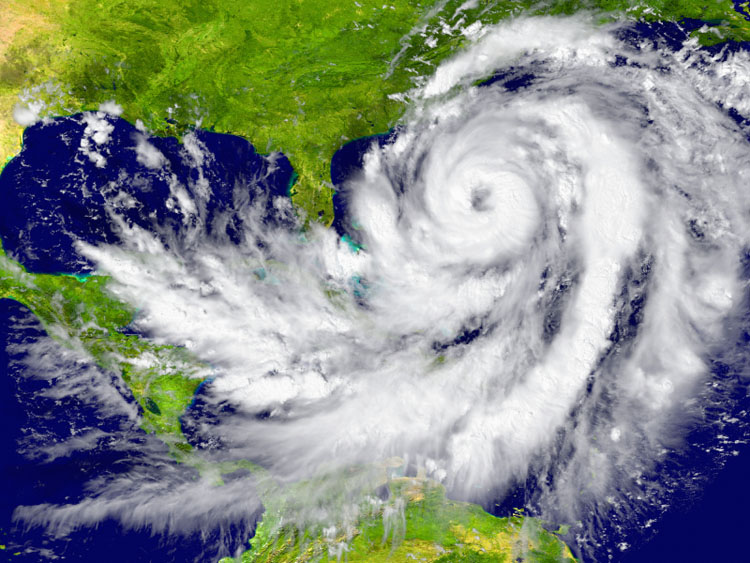
Living in Louisiana, hurricanes were unfortunately a hidden worry during the summer and fall. You enjoy the beach, but keep one eye on the Atlantic Ocean and Gulf of Mexico. Well, hurricane season is among us so it’s time to prepare or refresh your dog’s evacuation kit.

Never leave your dogs behind. It’s not fair to dump a bag of food on the ground and abandon them. You brought them into your lives, and it’s your responsibility to keep them safe. Bring all of your pets with you–there’s no excuse.

So plan now and worry later.

Evacuation Kit for Dogs

Gather these items, pack in a heavy duty suitcase and store in an easy-to-reach closet. When disaster looms in the ocean, your dog’s kit is ready to go.

  • Pet first aid kit plus two-week supply of all required dog medication.
  • Download a pet first aid app for your smartphone. It’s packed with first aid information plus it locates the closest veterinarian when traveling.
  • Flat buckle collar with current ID tags.
  • Microchip your dog and register and/or update your information with microchip manufacturer.
  • Photocopy vaccination records and any other vet information pertaining to chronic illnesses.
  • Snap updated photos and place in a plastic bag. Store in a folder just in case your dog gets lost.
  • Purchase a safety kennel lead for each dog. I recommend Mendota British Slip leads, as frightened dogs can not back out of them. The lead has a leather slip to prevent the loop from opening too wide.
  • Old towels and bedding.
  • Plastic or wire crate.
  • Bottled water (two to three day supply).
  • Dog food (one to two weeks).
    • I recommend canned food due to its long shelf life. It’s also very palatable, which encourages eating during times of stress.
    • If feeding your dogs raw food, keep a small supply frozen in the back of your freezer and switch out as needed to avoid spoiling.
  • Poop bags for cleanup.
  • Waterless shampoo for quick cleanup.

Plan Your Evacuation Route Now

Forced to leave your home within hours is scary. Many times, evacuees are forced to travel further north because pet-friendly hotels fill within minutes so keep a list of pet-friendly hotels within a 60- to 70-mile radius of your home.

Be prepared for traffic jams. It seems everyone decides to evacuate at the same time mostly due to mandatory evacuation per state officials. Your dog must ride inside your vehicle, as it’s unrelentingly hot sitting in traffic jams or just traveling during warmer months. Plan for enough space for your dog to lie down and turn around inside your car or truck.

To Leave or Ride It Out

Oh, this is a frustrating decision. It’s expensive evacuating and then returning home to limited home damage have many people tempted to ride out the next hurricane. As someone who shares her home with dogs, we leave early once we confirm our area is within the path for category 4 and 5 hurricanes! I would rather watch traffic jams from a nice cool hotel room than fight my way through.

Many of us work, and this is usually the last deciding factor on staying or leaving. Speak to your supervisor and ask about hurricane evacuation polices. Many business allow employees several days to prepare and evacuate with their families.

Hanging out and making a last minute decision can be costly. When in doubt, get out and bring your dogs with you.

You may also like: Calming Dogs During Thunderstorms

Filed Under: Equipment, Resources, Safety Tagged With: evacuating hurricane dogs, hurricane preparedness checklist pets, hurricane preparedness tips dogs, hurricane preparedness tips pets

Dog Breed of the Week: Pug

June 19, 2015 by Fanna Easter

Meet the Pug

Pug Dog Breed
Valentin Creciun/iStock

Let’s talk about the Pug this week. Pugs are a member of AKC’s Toy Group due to their size and original purpose of being a lap dog. The funny thing is they come from the Mastiff family. That is quite a difference in size if you ask me. However, you can definitely see the resemblance in their markings, extra skin and wide stature.

General Characteristics and Temperament

The Pug is considered a small dog. Pugs are about 10 to 11 inches tall and weigh between 14 and 18 pounds. I personally think they are absolutely adorable with their short and square muzzles, large prominent eyes, big round head and curled tail. This dog breed has lots of wrinkles and a perfect button face, lovingly called the “pug mug” by those who share their homes with these love bugs.

Today, the Pug is bred specifically for a companion. If you’re looking for a dog that is playful, loving and loyal, the Pug is for you! Pugs learn quickly and adapt well to many different environments. As long as Pugs are around their people, they are happy! Due to their small size, this breed is a popular choice for busy families and people who live in apartments.

Pug Grooming

A Pug’s grooming requirements are very minimal. Their smooth coat needs occasional brushing to remove dead fur. Also, frequent baths are needed to keep your dog smelling fresh and feeling great! It’s important to keep their face folds (wrinkles) clean and dry to prevent skin infections so make sure to wipe in between each wrinkle with a dry towel daily.

Teeth

Tartar tends to build up on smaller dogs’ teeth quicker than that of larger dogs. Prevent tartar buildup by brushing your Pug’s teeth every day. Be sure to use a doggy safe toothbrush and toothpaste. You can usually find these at your local pet store with no problems.

RELATED: Small Dog Dental Care Tips

Nails

Pugs have fast growing, hard nails that require regular maintenance. You should keep them clipped, using clippers or a grinder to prevent overgrowth and splitting. If you’re not comfortable trimming your dog’s nails, you can usually stop by a grooming salon and get them cleaned up pretty quickly for a fair price.

Health and Nutrition

Health

Most Pugs have a 12- to 15-year lifespan so they tend to live a long time. While all breeds have health issues, Pugs are prone to hip dysplasia, Pug dog encephalitis, eye disease, patellar luxation, breathing problems due to their small nostrils and nasal passages, and skin infections. A responsible dog breeder can educate you on the specific health concerns with this particular breed. Respectable breeders utilize genetic testing to minimize disease with their puppies, which is a must.

Due to a shorter muzzle, Pugs are super sensitive to heat and humidity, which causes heat stroke. Never leave your Pug outside. Also, expect snoring. It’s common with all short-muzzled dogs.

Nutrition

Good nutrition applies to all dogs. It’s important to feed your dog a high quality diet. Your veterinarian can advise you on which food best fits your dog’s particular needs.

Pugs love to eat so make sure not to overfeed them. With their short and wide stature, obesity can be easily achieved. When giving dog training treats, size does matter so break treats into pea-sized portions. Don’t forget to calculate treat calories given during the day and subtract them from your dog’s daily meals. Too many calories and not enough exercise play a big role in canine obesity.

Dog Training and Exercise

Training

Pugs love having fun and eating food so dog training is pretty easy! It’s a good idea to start training at a young age. Sign up for a puppy class at your local pet store or training center. Pugs also love people and other dogs so providing them with interaction is very rewarding and fun. Sometimes Pugs can be preoccupied, but that is usually fixed with removing what they want most for a couple of minutes–your attention. Once their attention is focused back on you, reward!

RELATED: Walking Two Dogs at Once Tips

Exercise

Pugs require daily exercise. Try playing a fun, lively game of fetch or going on a moderate walk around the park. Be careful though. Pugs don’t mix well with heat and humidity. Choose a cooler time of day. This is a must when setting up your exercise plan.

To get more information on Pugs, please visit any of the following websites: www.akc.org
and www.pugrescuenetwork.com.

You may also like: Dog Breed of the Week: Bulldog

Filed Under: Breeds, Dogs, Training

  • « Previous Page
  • 1
  • …
  • 83
  • 84
  • 85
  • 86
  • 87
  • …
  • 135
  • Next Page »

About

Dog Training Nation is a community of dog trainers, dog owners and dog lovers. Our mission is to provide trainers and owners valuable information to enrich dogs' lives. We cover a range of topics, from socializing puppies to dealing with aggressive dog behavior to selecting the best dog products. It is our hope you share our content to make the dog and owner world a better place.

​

Facebook

Video

Dog Training Nation is a dog training blog for pet owners and dog lovers. We cover a range of topics from puppy socialization tips to dog aggression to dog health. It is our hope you share our content to make the world a better place for dogs.

Dog Training Nation

Quick Links

Dog Training
Dog Behavior
Dog Training Videos
Become a Dog Trainer
About
Contact Us

Copyright © 2026 · Lifestyle Pro Theme on Genesis Framework · WordPress · Log in