Dog Training Nation

In Dogs We Trust

  • Home
  • Training
    • Dogs
    • Puppies
    • Clients
  • Behavior
    • Breeds
  • Health
  • Safety
  • Resources
    • Equipment
    • Books
  • Dog Training Videos
  • About
You are here: Home / Blog

Can I Feed My Dog Eggs?

May 11, 2015 by Fanna Easter

Yes, Dogs Can Eat Eggs

Can Dogs Eat Eggs

Can dogs eat eggs? Yes, you can totally give your dog an egg and he will love you for it! Eggs for dogs are an easily digestible protein packed with vitamins and minerals, and a great addition to your dog’s diet. Don’t forget about the eggshell. It’s packed with calcium and magnesium. So, in an eggshell, dogs can eat entire eggs.

Cooked or Raw Eggs for Dogs?

Dogs can eat both cooked and raw eggs. It’s about personal preference and your dog’s dietary needs.

Cooked Eggs for Dogs

If you’re worried about salmonella or your dog has a compromised immune system, I recommend boiling and peeling eggs before feeding them to your dog. Chop up the yolk plus egg whites and toss in your dog’s bowl. When it comes to cooked eggshells, I’d recommend not feeding it to your dog. Once cooked, all moisture disappears from the eggshell, which can cause digestive distress.

Raw Eggs for Dogs

Personally, I feed my dogs raw eggs several times per week and have done so for years with no issue. Some pet parents place intact eggs in their dogs’ bowls, but my dogs will carefully carry their eggs onto the living room rug and proceed to bite into it. Yuck.

Now, I crack open an entire egg into their bowls, then finely grind eggshells and mix it in with the rest of their food. When feeding eggshells, make sure they’re finely ground or they will simply pass right through your dog’s digestive tract.

How Many Eggs Can You Feed Your Dog?

As with all good things, excess is not good (except with cupcakes :)). Eggs are dense in calories, vitamins and minerals, so moderation is key.

  • For small dogs: Feed one or two small eggs per week (about 54 calories per egg). Don’t forget to adjust meal portions to accommodate extra calories.
  • For large dogs: Feed medium to large eggs two to three times per week. Again, watch their total calorie intake.

Use Eggs as a Dog Training Reward

Boil eggs, then separate egg whites from yolk. Chop up boiled egg whites into small cubes and use as a reward during dog training sessions. Toss the cooked yolk into your dog’s supper bowl that evening.

You may also like: Homemade Diets for Dogs

Filed Under: Health Tagged With: are eggs bad for dogs, are eggs healthy for dogs, can I feed my dogs eggs, cooked or raw eggs dog, dog food eggs, feed dog eggs, feeding eggshells to dogs, how many egg for dog, how many eggs for puppy, nutritional profile of eggs

How Much Exercise Do Dogs Need?

May 7, 2015 by Fanna Easter

Dog Exercise: How Much Do Dogs Need?

Dog Exercise
Dirima/iStock

We don’t have a canine surgeon general providing daily exercise requirements for dogs, but your dog requires some type of daily exercise. That’s for sure.

Dog Exercises

Walks

When we think of exercise, walking usually comes to mind. Usually two 30-minute walks daily provide plenty of physical exercise. Your dog is able to get fresh air and lots of mental stimulation for your dog (sniffing and exploring). Jogging is good too. However, veterinarians recommend jogging and running. After dogs turn two years old, their bone growth plates need to close before engaging in strenuous exercise.

Chase in the Yard

Play a game of chase, meaning your dog chases you instead of the other way around. Hide from your dog and call her name. When she finds you, celebrate! Not only is this great exercise, but it also serves as mental stimulation, builds a beautiful “come when called” cue and strengthens your bond.

Food Puzzles

Exercise your dog’s brain too! In a pinch, you can sneak in several food puzzle opportunities throughout the day. Feed meals using a Kong Wobbler and provide low calorie treats stuffed into Kongs.

Nose Work Dog Games

On rainy and cold days, hide bits of hot dogs instead of a box and mix the food box within other empty boxes. Your dog will use his nose to search and find the hidden hot dogs and have a blast doing it. Practice several times and end the game. It’s exhausting for your dog. It’s hard work using your nose. 🙂

READ MORE: Does Exercise Relieve Excess Energy in Dogs?

Filed Under: Health, Resources Tagged With: calm house dogs, dog exercise needs, dogs exercise, high energy dog exercise needs, lab dog exercise needs, large dog exercise needs, puppy exercise, small dog exercise needs

Does Exercise Relieve Excess Energy in Dogs?

May 6, 2015 by Fanna Easter

Exercising Your Dog Doesn’t Always Relieve Excess Energy

Dog ExerciseLiving with an easily excited Rottweiler and an always energetic Mini Bull Terrier, I pondered if exercising my dogs would really relieve their excess energy. Group class clients were asking me this exact question too. They would walk, jog or run their adolescent dogs for three to four hours per day (divided up) plus daily sessions at the dog park, yet their dogs still had tons of energy. Hum, what’s going on?



Provide Exercise and Mental Stimulation

Overexercising high-energy dogs can, at times, create a very fit high-energy dog who requires more exercise. With the increase in canine obesity, the pet industry is flooding pet parents with “a tired dog is a good dog” motto, which is a good thing, but this concept needs tweaking for some dogs. I’ve witnessed many pet parents go to extreme lengths to exercise their two-year-old or four-year-old Labs and they still bounced off the walls at home. However, you could bounce a quarter off their thighs–they were that fit!

RELATED: Thundershirt for Dogs

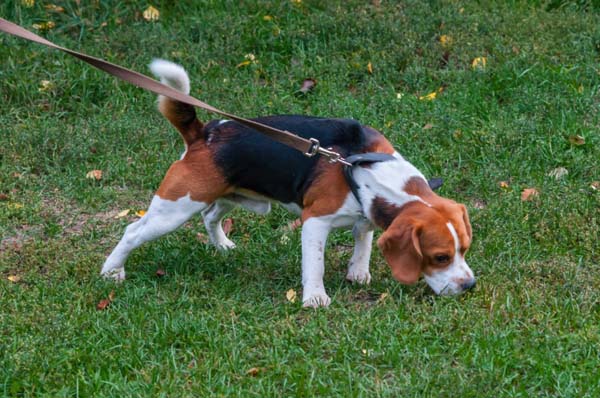
Exercise is good. We know it’s essential so I’m not saying to put away the leash and turn on the TV. 🙂 Instead of jogging your dog for an hour, take a leisurely walk in a new location and allow your dog to sniff to his heart’s content. Providing mental stimulation (sniffing, puzzle solving or playing games) is mentally and physically exhausting. Allow your dog to walk over, sniff and explore certain spots. It’s almost like your dog is posting on his Facebook page. I know it sounds absurd, but it’s true. Sniffing resembles “reading FB posts,” and some dogs decide to post back by “marking.” Instead of hurrying him along, give him plenty of time to “read and answer” back. 🙂

Teach Self-Settling

High-energy dogs thrive moving at breakneck speeds and can literally go from 0 – 100mph in a nanosecond. This is the essence of the AKC sporting group. They were bred for speed and endurance. Convincing your Labrador or Goldendoodle your living room is not a retrieving field can be quite challenging so teach your young or active dog to self-settle. It may seem challenging in the beginning, but ,trust me, every minute you spend teaching this valuable skill is money in the bank. Your dog will soon be able to walk into the living room, plop down on the floor and nap. Ah, wouldn’t this be awesome?

You may also like: Understanding Dog Nutrition

Filed Under: Behavior, Health, Resources Tagged With: calm house dogs, dog exercise needs, dogs exercise, high energy dog exercise needs, lab dog exercise needs, large dog exercise needs, puppy exercise, small dog exercise needs

Ask the Dog Trainer: How to Find an Excellent Dog Training Blog

May 5, 2015 by Fanna Easter

Finding a Dog Training Blog

Dog Blog

Blogs are a great thing. Who doesn’t enjoy the convenience of Googling an answer to your question? I don’t know how we lived without this option, honestly. But finding an excellent dog training blog can be challenging so follow these simple tips to keep you and your dog safe. 

Everyone Thinks She’s a Dog Trainer–Yikes!

Before diving knee-deep into a dog training blog, take a moment and research blog contributors. Are they dog trainers? If so, have they taught? Do they still teach group classes? Have they earned advanced dog training certifications? Earning advanced certifications is vital. This is the only way to differentiate between beginners/dabblers and dog trainers with proven knowledge of training all different types of dogs. Be careful about titles. Anyone can call herself a dog trainer or animal behaviorist, but unless it’s earned through testing councils, I would be very leery.

Take it a step further. Now, search the Internet to find more information about a dog trainer blog contributor. While doing a search, her advanced dog training certification should pop up along with any professional dog training memberships and maybe other blogs or videos.

RELATED: Dog Trainer Fanna Easter

Never Follow Harmful Training Methods

The most important tip is blog contributors should never recommend harmful training methods. I can’t say this enough. It’s much easier missing a “click and treat” opportunity than punishing your dog. If you’re not sure what you’re doing, you can certainly cause further frustration and possibly damage your relationship with your dog. Reading and watching videos are helpful, but nothing takes the place of having an expert watch and provide feedback while practicing.

Lastly, follow blogs with current and updated training methods, such as training principles founded by science. If someone recommends alpha or dominance training, run. This myth was dispelled over a decade ago. Check out my reasoning on why these methods don’t work.

Trust Your Gut

If something, or someone, sounds too good to be true, it probably is. Dogs aren’t like cars. You can’t fix them or guarantee results so ignore those promising too much. Trust your gut and do no harm. 🙂  When in doubt, find a professional and certified dog trainer in your area for best results.

You may also like: Ask the Dog Trainer: Resources for Dealing With Reactive Dogs

Filed Under: Clients, Resources, Training Tagged With: dog behavior, dog training, dog training articles, dog training blog, dog training bloggers, dog training wiki, how to teach a dog, how to train dogs, natural dog training blog, obedience training articles, obedience training blogs, professional dog trainer, puppy training blog, teach a dog, train a dog

Help Your Dogs Adjust to Your New Home

May 4, 2015 by Fanna Easter

Adjusting to Your New Home

Moving With Dogs

You’ve made it safely to your new home. Congratulations! Before unleashing the hounds, take a few days and introduce your dogs slowly and carefully to your new home.

Many times, new homeowners or renters contact me within a week of moving into their new home. Most complaints include dogs making potty training mistakes, being nervous and escaping their yard. Here’s what’s worked for us in the past.

First 24 Hours

Maintain your dogs’ eating, sleeping and potty schedules when moving in your new home. Routine means predictability, meaning less stress for both you and your dogs.

Set up your sleeping area until movers deliver your furniture. I highly recommend crating your dogs next to your bedding overnight. This keeps them safe and secured instead of exploring or escaping. Set up soothing music before bedtime and toss in food stuffed Kongs in crates. This keeps dogs busy until they fall asleep.

RELATED: Calming Music for Dogs

For homes with a backyard, I highly recommend bringing your dog potty on leash until you can fully inspect the fence for holes, loose boards, protruding nails and escape routes. On leash walks inside your yard, provide plenty of sniffing opportunities, but slowly introduce your dogs to their new surroundings. Many times, unfamiliar sounds can startle dogs, sending them straight to any and all escape routes–yikes! Keep them on leash at least for the first 24-48 hours.

Keep bed and bathroom doors closed to prevent dogs from sneaking off, pottying on, or chewing new items. If needed, you can section off an area with baby gates.

Week One

Your furniture should have arrived by now. It’s amazing to see the difference in dogs once they smell their own stuff. Most will snuggle right in their favorite chair or snooze on their comfy rug. By now, your dog is romping through his new yard unleashed, but stay close just in case.

Week Two

Everything should be pretty normal by now. Both you and your dogs are familiar with new sounds and surroundings. If your dog should have a few potty accidents, I recommend starting back at square one with potty training. Usually, this issue will be resolved within a few days.

If something should crop up, take a few steps back and follow the tips for the first 24 hours for a few days. This usually resolves most issues. If not, I highly recommend seeking a professional dog trainer in your area to provide suggestions and answer any questions.

Enjoy your new home!

You may also  like: 4 Tips for Moving With Your Dogs

Filed Under: Clients, Resources, Safety, Training Tagged With: dog adjust new home, dog pottying in new home, getting dog adjust new home, help dog adjust to new home, how to move with pets, moving out of state with dogs, moving pets, moving tips for dog owners, moving to a new home with dogs, moving with dogs, moving with pets, relocating with dogs

  • « Previous Page
  • 1
  • …
  • 88
  • 89
  • 90
  • 91
  • 92
  • …
  • 135
  • Next Page »

About

Dog Training Nation is a community of dog trainers, dog owners and dog lovers. Our mission is to provide trainers and owners valuable information to enrich dogs' lives. We cover a range of topics, from socializing puppies to dealing with aggressive dog behavior to selecting the best dog products. It is our hope you share our content to make the dog and owner world a better place.

​

Facebook

Video

Dog Training Nation is a dog training blog for pet owners and dog lovers. We cover a range of topics from puppy socialization tips to dog aggression to dog health. It is our hope you share our content to make the world a better place for dogs.

Dog Training Nation

Quick Links

Dog Training
Dog Behavior
Dog Training Videos
Become a Dog Trainer
About
Contact Us

Copyright © 2026 · Lifestyle Pro Theme on Genesis Framework · WordPress · Log in