Dog Training Nation

In Dogs We Trust

  • Home
  • Training
    • Dogs
    • Puppies
    • Clients
  • Behavior
    • Breeds
  • Health
  • Safety
  • Resources
    • Equipment
    • Books
  • Dog Training Videos
  • About
You are here: Home / Blog

Why Do Dogs Eat Grass?

April 17, 2015 by Fanna Easter

Dog Eating Grass

Tips for Discouraging Grazing Dogs
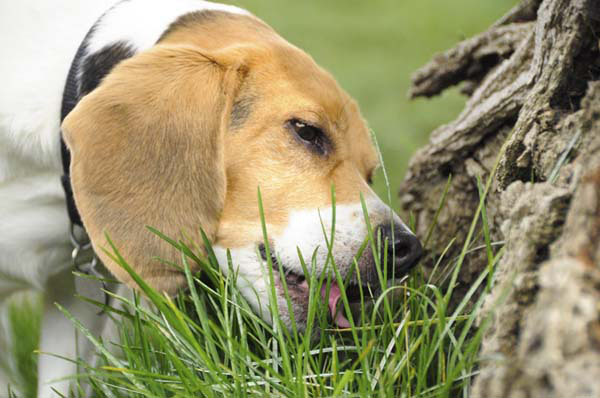
Dog Eating GrassDogs eat grass for many reasons so I wouldn’t worry. As for the reason why dogs eat grass, who knows.  Why do people eat Doritos?  So many reasons, right? 🙂  If your dog eats a lot of grass and vomits it up on your floor, try these tips.

If your dog is sick, meaning he or she refuses to eat or drink, I recommend a prompt visit to your vet.

Upgrade Kibble

Just like humans, dogs are what they eat so make sure your dog is eating high quality kibble. High quality kibble means real food is listed in your dog’s kibble ingredient list. There is nothing wrong with corn or byproducts  regardless of what specific dog food companies claim unless your dog is allergic to them. If you’re not sure, here’s a list of the most popular high quality kibbles. Or, you may want to explore cooking homemade meals for your dog. If so, check out tips here.

Add Pulped Veggies

If your dog loves eating grass and it causes digestive stress, I recommend adding pulped vegetables to your dog’s diet. By pulping or cooking veggies and fruits, you’re breaking down the plant cellulose layer so dogs can easily digest and utilize the nutrients.

For pulping, I add fruits and veggies (remove pits and seeds first) to a food processor and pulverize until finely ground (resembling pesto). Depending on your dog’s size, add one teaspoon or tablespoon to your dog’s meals. You’ll be shocked. He’ll gobble it up!

Usually, I pulp kale, apples, broccoli, carrots, sweet potatoes or cauliflower and place in plastic freezer bags for storage. All bags go in the freezer and I thaw as needed. After feeding pulped fruits and veggies for a few days, I usually notice a reduction in or elimination of grass eating so your floors are now safe. 🙂

READ MORE: Understanding Dog Nutrition
Filed Under: Health Tagged With: dog eating grass, dogs eating grass, stop dog from eating grass

My Dog’s Cruciate Ligament Repair: 4 Wonderful Outcomes That Surprised Me

April 16, 2015 by Fanna Easter

Canine Cruciate Ligament Repair

4 Surprising Outcomes From My Dog’s Surgery

Cruciate Ligament in DogsTrust me, I was just as upset as you were when our vet muttered “partially torn CCL.” My heart sank to my feet. Just envisioning weeks of crate rest made my brain throb, not to mention tear-inducing major surgery.

Sobek is eight weeks post-op TTA surgery and, as we rounded the yard yesterday during a potty break in pounding rain, I discovered the wonderful things about his surgery–the proverbial light at the end of the tunnel, I guess. And this light shined bright on this rainy day!

Deepened Our Bond

By far, this was the most rewarding of all outcomes. Sobek and I built an unbreakable bond. Don’t get me wrong, we had a strong relationship before surgery, but now we’re even stronger. He learned to trust me unconditionally.

I remember the exact moment this happened. There was a mutual understanding right there in the living room. Sobek was home maybe 24 hours after surgery and I was following vet instructions on icing his incision. Well he was clearly uncomfortable with ice touching his sensitive suture line. I listened and backed off. At that moment, he learned I would never intentionally hurt him. If he was in pain, I acknowledged and never pushed further. From then on, he happily allowed icing the next day plus incision desensitization, knee flexes and much more. I watched his body language carefully and moved as far as he was willing to go.

Immensely Improved Leash Walking Skills

Well we had plenty of time to practice–that is for sure! With 10 weeks of strict crate rest, meaning all walks (including potty ones) are on leash, he now walks beautifully on a loose leash. Now, he still gets excited and yanks when he glimpses his canine rehab expert from far away, but he’s pretty darn good 80 percent of the time. I’ll take it!

RELATED: Stop Your Dog From Biting on His Leash

Built More Confidence

This one shocked me. Sobek is a tender boy and not too keen on trying new things–you should’ve seen him in agility, oh my word. 🙂  Well now, this boy will climb on the tallest and highest physical therapy peanut (imagine a four-foot long yoga ball) with all four legs! He resembles a circus bear balancing on a ball, dangling three feet from the ground. Shoot, we have to lure him off the peanut with food. He loves it!

RELATED: Canine Hydrotherapy Training Tips

Hydrotherapy. Shoot, he makes a beeline for the tank door the moment we walk in rehab and with a huge smile. I never thought this would happen, and I’m so proud of my big baby boy. 🙂

Mastered Self Settling

Oi, I never thought this would happen either. Sobek is a young dog. He’s only two years old and a bouncy thing. Would I describe him as hyperactive? Probably so. I’ve spent countless hours teaching him to self settle, meaning learning how to calm himself. Well, during crate rest, he not only mastered self settling, he can do so quickly now too. And having a dog learn how to calm himself down is worth its weight in gold!

Hindsight is 20/20 so take a moment to recognize and enjoy all types of improvements!

You may also like: Canine Rehabilitation

Filed Under: Health Tagged With: dog cruciate ligament repair, dog torn acl, preparing for dog's cruciate ligament surgery, tips for dogs ACL, TTA surgery for dogs

Canine Hydrotherapy Training Tips

April 15, 2015 by Fanna Easter

Hydrotherapy for Dogs

Canine Hydrotherapy
“I was working out,” says Sobek.

If your dog will spend any time using an underwater treadmill, I have a few training tips for you. For the last three weeks, Sobek has been rocking hydrotherapy, but we had to make a few training tweaks so he could really love it. The week following his first hydro session, Sobek kept pulling to jump in the tank—it’s his favorite part now!


 Trust your canine rehab specialist. He has successfully introduced hundreds of dogs to hydrotherapy and water tank.

These experts will guide you along the process.


Benefits of Hydrotherapy

The difference in Sobek’s gait has been remarkable every time he finishes a hydrotherapy session. He moves fluidly and really extends out his repaired knee (post TTA surgery for ACL rupture). Now, I’m not a canine rehab specialist, but I am a dog trainer. I can certainly provide you hydro training tips for your dog. Check out this link for details on canine hydrotherapy.

Getting in the Hydrotherapy Tank

Sobek walked into, sniffed around and walked away from the hydrotherapy tank before he began his first session. Our rehab guy was so patient, as Sobek sniffed each corner from top to bottom and turned around several times. Once he walked out the tank, we asked him to walk back in and closed the door.

Sound of Water Filling Up

As the tank door closed, I started clicking and treating while Sobek stood still. As our rehab expert hit the button to start filling the tank, I clicked and gave Sobek several treats since the loud rushing sound could be scary.

As water filled the tank, Sobek would pick up a front foot so I clicked and treated when all four feet were on the ground. By pairing treats with the rushing sound, he quickly learned to relax and stay calm.

RELATED: Healthy Dog Treats

Walking Forward

Once the treadmill started moving, I positioned myself directly in front of him with treats. He could easily see me through the clear door. As he started walking forward, I clicked and treated. Now, dogs are wicked smart! Within a minute, Sobek learned to stand on the side railings preventing him from walking. Basically, he was cheating. 🙂 Using a treat, I lured him back on the moving treadmill and clicked and treated steady, forward movement.

Drinking Hydro Water

For some reason, Sobek drank the hydrotherapy water when the tank was filling up, while he was walking and when the water was draining. I think this was caused by stress. To prevent, I clicked when he stopped drinking and gave him a treat. Plus, pairing really good treats with a stressful situation will eventually decrease his stress.

VIDEO: Canine Hydrotherapy Training Tips

READ MORE: Canine Rehabilitation

Filed Under: Health, Training Tagged With: canine hydrotherapy tips, teaching dogs to love hydrotherapy, teaching your dog hydrotherapy, underwater treadmill for dogs

Canine Rehabilitation

April 14, 2015 by Fanna Easter

Why Your Dog Needs Rehabilitation

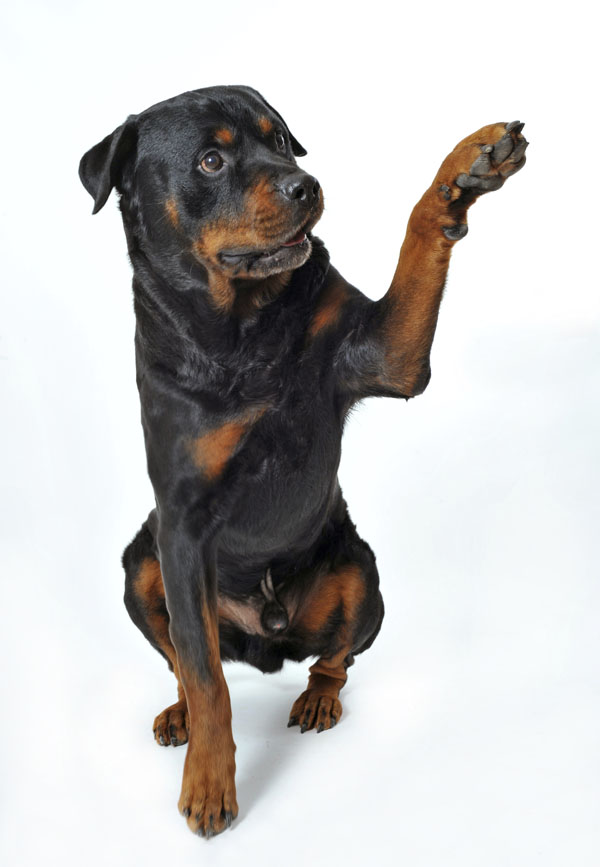
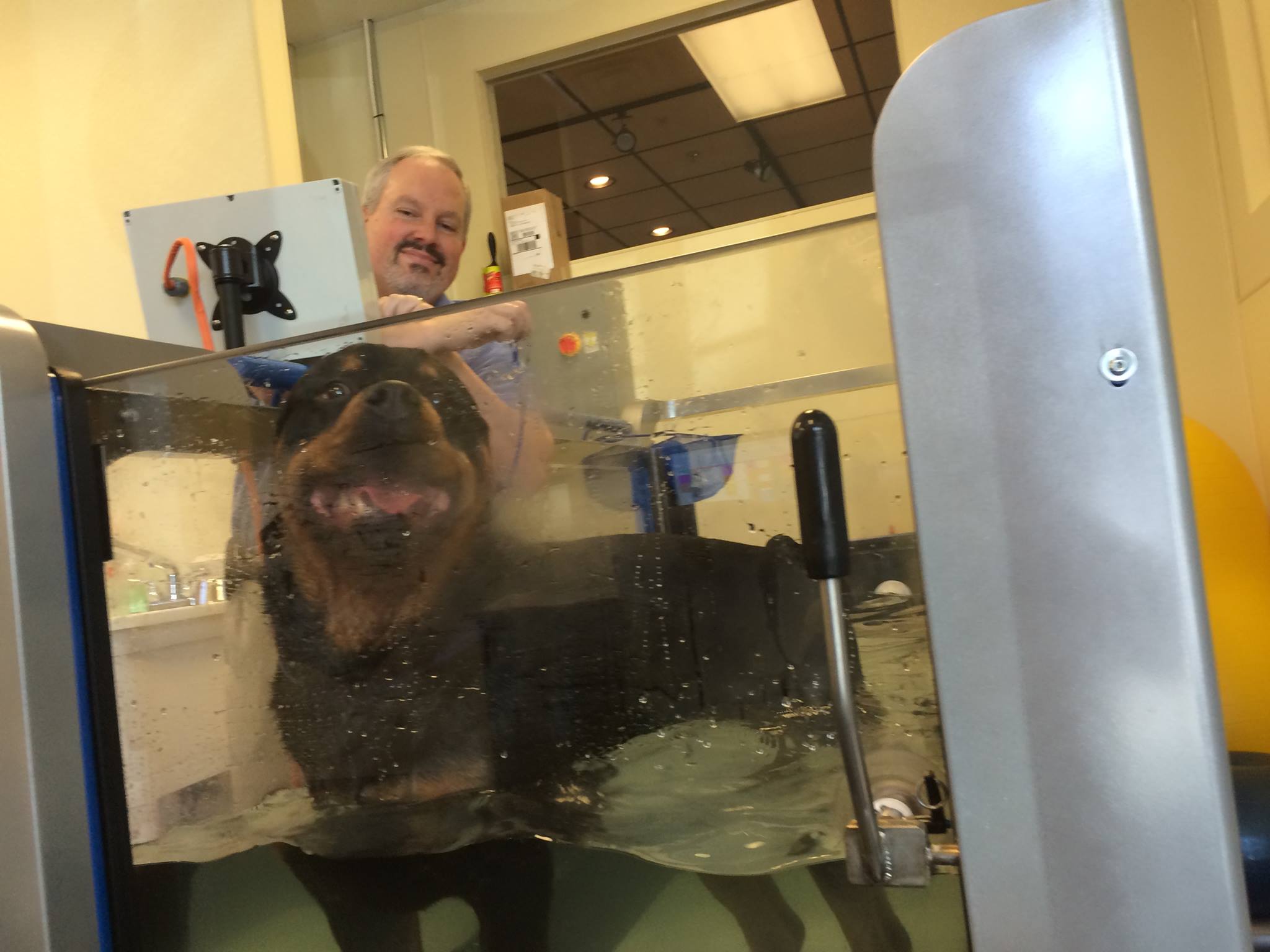
Canine RehabilitationAs our veterinary surgeon explained very delicately after Sobek’s TTA (cruciate ligament repair) surgery, “Surgery is 10 percent, rehab is the other 90 percent.” Sobek is a young dog. He’s only two years old and my goal is having him back to full function.
How Rehab Helps

If your dog is limping, he’ll have limited range of motion and decreased muscle mass in his injured leg. The old saying “use it or lose it” comes into play after an injury, but it’s easier said than done, right?

Here’s where a canine rehabilitation expert fits in. He’ll measure your dog’s range of motion and muscle mass to design a program that will rebuild and strengthen his injured leg. Plus, it’ll teach your dog to use his repaired leg again.

RELATED: Dog Cruciate Ligament Surgery

Weekly Expert Follow-Up

Just having weekly expert validation that Sobek’s knee was healing correctly gave me peace of mind. If there were any questions, he would contact my vet, which put me at ease as well. Each week, Rob Newman at Canine Rehabilitation of Nashville looked, touched and moved Sobek’s repaired knee either in ROM (range of motion) exercises or while stretching, making sure it felt normal. Today, he found an internal suture that worked itself out, which he explained is totally normal. Whew!

Physically Challenging

During each visit, Rob asked how Sobek recovered from the previous session. If he was sore, we kept the week’s exercises the same as last week. If he was better, we increased them slightly.

Now, not only did Rob listen carefully to my feedback, he also watched Sobek’s movement. During one visit, I mentioned Sobek was doing really well. However, Rob noticed he was not using his repaired leg properly so Rob customized Sobek’s weekly session to address it. Wow! Sobek did well and was much better afterwards and during the week. And folks, I consider myself a seasoned dog expert and I missed it. Thank goodness for Rob!

At Home Practice

After each rehab session, Rob provided written exercises to continue at home. He clearly explained and demonstrated each exercise, then allowed me to practice to ensure the correct muscle was engaged correctly. Trust me, having an expert watch you practice ROM exercises with your dog’s repaired leg is much better than watching a YouTube video. 🙂

You may also like: How to Choose a Dog Ramp

Filed Under: Health, Resources Tagged With: canine rehab, canine rehab worth it, canine rehabilitation of Nashville review, canine rehabilitation reviews, is canine rehab work it, rehab after TTA surgery, rehab dog cal, should my dog have rehab

Choosing a Canine Rehab Specialist

April 13, 2015 by Fanna Easter

Rehab Specialists for Dogs

Canine Rehabilitation
Rod Newman and Sobek finishing a hydrotherapy session.

Luckily, our veterinary surgeon shares her office with an excellent canine rehabilitation specialist so I didn’t have to look far. Remember, experience matters. It’s important to locate an expert in your area who can work with you and your dog, and has experience with your dog’s rehab needs.

Veterinarians Board Certified in Rehabilitation

The American College of Veterinary Sports Medicine offers canine rehabilitation certifications for veterinarians looking to specialize and offer these services in their practice. Most canine rehab certified vets are located in larger cities, which is far for most patients. If you’re lucky enough to live within driving distance, make an appointment today!

Certified Canine Rehabilitation Practitioner

A couple of veterinary schools offer canine rehabilitation courses for veterinarians and vet technicians plus human physical and occupational therapists, assistants and students. Check out:

University of Tennessee Canine Rehabilitation Certificate Program

Canine Rehabilitation Institute of Colorado State University

Sobek’s canine rehab specialist Rod Newman completed UT’s Canine Rehabilitation Course after earning his master’s degree in Exercise and Sports Science with a concentration in Rehabilitation and he rocks!

But Who’s Working With You?

Once you find a wonderful canine rehab specialist, make sure he or she will be participating during each scheduled appointment. Don’t get me wrong. Non-certified assistants and vet techs are great, however, it’s important your dog is closely monitored by a certified expert when performing exercises and hydrotherapy.

Rehab Specialist and Vet Partnership is Important

Before starting canine rehab with your dog, you’ll need a referral from your veterinary surgeon. It’s important your canine rehab specialist works closely with your dog’s veterinary surgeon who performed the surgery in case of setbacks, increased pain and progress updates.

Filed Under: Health, Resources Tagged With: canine rehab tips, canine rehabilitation choosing, canine rehabilitation of Nashville review, choosing a canine rehab person, finding a canine rehab person, how to find rehab dog

  • « Previous Page
  • 1
  • …
  • 91
  • 92
  • 93
  • 94
  • 95
  • …
  • 135
  • Next Page »

About

Dog Training Nation is a community of dog trainers, dog owners and dog lovers. Our mission is to provide trainers and owners valuable information to enrich dogs' lives. We cover a range of topics, from socializing puppies to dealing with aggressive dog behavior to selecting the best dog products. It is our hope you share our content to make the dog and owner world a better place.

​

Facebook

Video

Dog Training Nation is a dog training blog for pet owners and dog lovers. We cover a range of topics from puppy socialization tips to dog aggression to dog health. It is our hope you share our content to make the world a better place for dogs.

Dog Training Nation

Quick Links

Dog Training
Dog Behavior
Dog Training Videos
Become a Dog Trainer
About
Contact Us

Copyright © 2026 · Lifestyle Pro Theme on Genesis Framework · WordPress · Log in
