Dog Training Nation

In Dogs We Trust

  • Home
  • Training
    • Dogs
    • Puppies
    • Clients
  • Behavior
    • Breeds
  • Health
  • Safety
  • Resources
    • Equipment
    • Books
  • Dog Training Videos
  • About
You are here: Home / Blog

Feeding Multiple Dogs at Once

April 3, 2015 by Fanna Easter

How to Feed Multiple Dogs at Once

Keeping the Peace

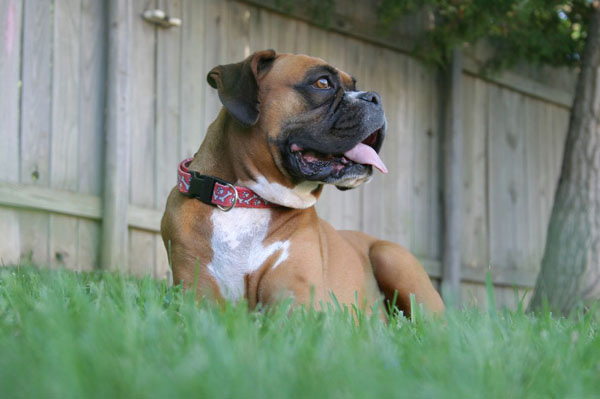
How to Feed Multiple DogsTwenty percent of pet loving homes have more than one dog and, if you’re lucky, meals times are a breeze. To keep the peace or prevent resource guarding issues, follow these best practices. Also, these tips work great if your dog is dieting. They keep him from munching your other dog’s food!

Use Separate Bowls

Dogs should eat their meals from their own bowl. This prevents squabbles and ensures each dog is eating his food. Many times, when food bowl sharing happens, you’ll notice one dog becoming fluffy and the other looking thin so it’s important each dog has his measured food portion placed into his own bowl.

Add Canned Food or Yogurt

If this happens, simply pick up his bowl and place on counter or in refrigerator. If your dog is a picky or slow eater, try adding canned food or yogurt to his meal to encourage emptying his bowl completely.

Feed Dogs in Crates

For multiple dog households, this is an excellent best practice. For 24 years, my dogs have eaten in their crates or behind a gate. This prevents squabbling over food as well as bullying behavior (staring at the other dog until he moves away from his bowl), and I know if my dogs have eaten their meals. Dog obesity is on the rise, and I find dieters will go searching for any morsels they can find so keep your dog confined until all dogs have finished their meals.

RELATED: How to Stop Bullying Behavior

Store Cat Food Away From Your Dog

Dogs love cat food and they’ll invent clever antics to get to it. Place cat food in a high place, such as a washer or dryer. If your dog can still reach it, place a tall baby gate with a small cat door opening in your laundry room. Now, your cat can eat in peace.

You may also like: Preventing Dogs From Fence Fighting
Filed Under: Health, Resources, Safety Tagged With: dog bullying over food, dog steals other dogs food, feeding dogs together, feeding multiple dogs at once, feeding multiple dogs same time, feeding several dogs tips, feeding two dogs, free feeding dogs, keeping dog from eating cat food

Preventing Dogs From Fence Fighting

April 3, 2015 by Fanna Easter

Preventing Fence Fighting Dogs

How to Teach Polite Manners

How to Stop Dogs From FightingFence fighting is frustrating. The first step to preventing fence fights from occurring is by installing a visual barrier along the fence line to prevent further fighting. Visual barriers help keep your dog below threshold, meaning you can teach him polite behaviors, such as “come when called.” Once your visual barrier is up, it’s important to begin teaching your dog polite behaviors immediately.

Associate Sounds with Treats

If your neighbor dog wears an ID tag, just the sound can trigger a fence fight. With repeated practice, your dog learns to follow the sound along the fence, beginning a new type of fence fighting. To nip this in the bud, bring your dog out in the yard on leash with lots of yummy treats. When your dog hears the neighbor dog’s ID tags jingle, give your dog a treat. You’re pairing good things with the jingle sound. Practice for a few days.

Manage

For the first two weeks, after a visual barrier has been set up, it’s important to walk your dog outside on leash. I know, this is not what you wanted to hear, but it’s so important to prevent further fence fighting and it’s much easier to put the time in now instead of starting all over again.

Teach “Come When Called”

Several times a day, while bringing your dog potty on a six-foot leash, practice “come” behaviors. Practice for a week using super yummy treats. If your neighbor’s dog distracts your dog, walk further away from that side of the fence. Now, using a long leash (10-15 feet), practice recalls. Until your dog reliably comes when called, it’s important to practice on leash and use super yummy treats.

RELATED: “Come When Called” Part 1: Intro

Talk to Your Neighbor

If all else fails, talk to your neighbor. I’m sure he or she is aware of the fence fighting situation too. Coordinate backyard times to prevent further issues. If your dog needs to potty and the neighbor dog is outside, bring her on leash.

READ ALSO: Fence Fighting Dogs – How to Stop the Madness

Filed Under: Behavior, Dogs, Training Tagged With: dog chases other dogs along fence, dog fights with another dog fence, dog runs along fence, fence fighting dog training, preventing fence fighting, stop fence fighting dogs

Fence Fighting Dogs: How to Stop the Madness

April 2, 2015 by Fanna Easter

How to Stop a Dog From Fence Fighting

Fence Fighting DogsFence fighting is so frustrating for both you and your dog. Yes, your dog too. You probably didn’t see that coming huh? Most pet owners assume dogs love fence fighting. While there may be a select few who do enjoy this type of exercise, for the most part, it’s extremely stressful for your dog.

If this happens in your backyard, I have a few tips that can curb this behavior so you and your dog can enjoy your backyard again.

Why Dogs Fence Fight

When dogs actually engage and fight with another dog through a fence, it’s called fence fighting. Both dogs go back and forth along the fence line and squabble. Usually, dogs are able to see their opponent, which starts a fence fighting session. And if you’ve ever tried to break this up, you know it’s pretty impossible–your dog runs past or around you and it can go on for a long time (sigh).

The cause of fence fighting usually begins with fear and frustration. Your dog learns to really dislike the neighbor dog. Trust me, the more your dog practices fence fighting, the worse it’ll get so it’s important to stop the behavior. Dogs can and will injure themselves too. Most dogs can reach each other and cause harm so it’s important to address it now.

Now, some dogs will run along a fence line when they’re overstimulated by people walking nearby, birds, walking dogs or any other type of distraction. Fence running is different than fence fighting, as they’re dealing with their frustration by running along a fence line.

RELATED: Preventing Dogs From Fence Fighting

Should My Dog Meet the Neighbor Dog?

Nope, they may fight or become friends outside of the fence. When a fence is in between them again and they’ve practiced this behavior for a while, it’ll start right back up.

Visual Barrier

A solid privacy fence is worth its weight in gold! If your dog can’t see a neighbor dog, then fence fighting is less likely to happen. If your privacy fence has holes, I recommend fixing them to prevent further fights. For chain link fences that your dog has learned to peek through the slits of, you’ll need to put up a visual barrier.

About 80 percent to 90 percent of the time, a visual barrier will halt fence fighting in its tracts. In the past, I’ve used and recommended rolled felt or carpet as a visual barrier. You just roll it along the bottom of the fence fight line and zip strip it in place. For larger dogs, I recommend four-foot high felt or outdoor carpet and roll it on the inside of the fence (your side), making sure the carpet touches the ground and not grass to prevent any peepholes. Every two feet, I zip strip it tightly into place.

Now, it’s not the prettiest thing ever, but it wears well and doesn’t smell with repeated exposure to sun and rain. After practicing good fence behaviors, I can remove it after six months or so.

You may also like: Appropriate Puppy Play

Filed Under: Behavior, Dogs, Training Tagged With: dog runs along fence, fence fighting dogs, stop dog from running along fence, stop dogs fence fighting, visual barrier dog fence fighting

How to Make Bath Time Fun for Dogs

April 1, 2015 by Fanna Easter

Getting Your Dog to Enjoy Baths

Dog BathWeekly or monthly baths are necessary for dogs, especially pets with allergies or skin issues. Make baths fun for dogs so you both stop dreading the inevitable.

How to Make Bath Time Fun

Choose a Non-Slip Surface

It’s important for dogs to have traction when given a bath because slipping and sliding is downright scary. A suction-cupped bath mat works extremely well. Your dog won’t slip in water or shampoo plus the suction cups keep it firmly in place. Once your dog’s bath is done, pull up the mat and voila!

Don’t forget to provide a non-slip surface for your dog outside of the tub too. Many dogs shake excess water off and slip so let’s keep bath time safe and fun.

RELATED: How to Choose a Dog Ramp

Practice

Getting in and out of the tub or shower should be voluntary and fun for your dog. When getting dressed in the morning, randomly throw treats in the tub (on top of the bath mat). Trust me, your dog will find them. Allow him to navigate the slippery sides of the tub even if only his front feet touch down in the tub. You’re teaching tubs equal treats.

Over the next week or so, toss treats further back in the tub so your dog steps in and out. Again, don’t push or pull your dog. He should voluntarily walk into the tub and investigate.

When it’s bath time, throw a few treats in the tub and say “bath time.” If your dog has practiced several times, he will walk right in and eat the treats.

Smear Peanut Butter

Smear peanut butter or cream cheese alongside the tub or shower wall. Your dog will lick away while waiting for medicated shampoo to work its magic. You can use this trick if your dog is worried about running water or dislikes bath time. Once he licks off the peanut butter, add more until your dog’s bath is complete. This is also super simple to clean after your dog’s bath. Just spray a general cleaner and wipe. If your dog has a sensitive tummy, smear a canned version of his food along the tub wall.

More: 
Insect Repellent Dog Shampoo
Deep Cleansing Shampoo for Dogs
Dog Whitening Shampoo for all Coat Colors
Does Aromatherapy Dog Shampoo Work?

Filed Under: Health, Resources Tagged With: dog bath time, dog dislikes a bath, give your dog a bath, puppy bath time, puppy training bath time, teaching a dog bath time, tips for dog that hates a bath, tips for making bath time fun for dogs

Dog Nail Trims: How Much to Trim Off?

April 1, 2015 by Fanna Easter

Trimming Your Dog’s Nails

Trimming Dog Nails

When trimming a dog’s nail, you want to trim the portion of nail without the quick. With frequent nail trims (twice weekly), nail quicks will recede, moving back toward your dog’s paws, as the quick doesn’t have to extend further to feed the nail.

White Dog Nails

With your dog standing next to you, take a peek at her nails. For white nails, you’ll notice a pink quick extending from your dog’s paw to about ¾ of the nail. The last ¼ of the nail is white and looks hollow. When viewing from the side or underneath, this is the part you’ll trim off.

VIDEO: Clipping Dog Nails – Trimming White Dog Nails

Dark-Colored Nails

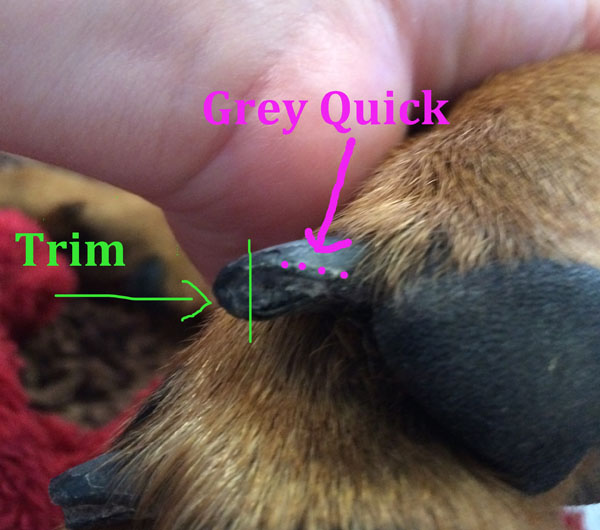
Dark-colored nails can be a challenge so to view your dog’s nail quicks, flip over your dog’s paw and look at the nails from underneath. Look under one nail, you’ll notice gummy gray matter extending from your dog’s paw to about ¾ of the nail. This is the quick. The last ¼ of the nail will probably look hollow with no gummy gray matter present. This is the portion to trim off.

VIDEO: Clipping Dog Nails – Trimming Dark Nails

How to Trim Dog Nails

In the beginning, trim off the tip of your dog’s nail. As you gain confidence, you’ll place the clippers before the quick and trim off the hollow nail. When in doubt, slip the clippers away from the quick and trim. You can always go back and buff with a dremel or shape the nail with clippers.

When trimming a dog’s nail, do it quickly. Squeezing and then releasing the nail because you’re unsure causes pain.

  1. Look at nail and find quick.
  2. Place clippers.
  3. Squeeze handles quickly.

VIDEO: How to Use Clippers to Trim Your Dog’s Nail

READ ALSO: Why Dogs Dislike Nail Trims

Filed Under: Equipment, Health, Resources Tagged With: dog nail trim tips, finding the quick dog nails, finding the quick in dog nails, how much should you trim during nail trims, how to use dog nail clippers correctly, trimming black dog nails, trimming white dog nails

  • « Previous Page
  • 1
  • …
  • 93
  • 94
  • 95
  • 96
  • 97
  • …
  • 135
  • Next Page »

About

Dog Training Nation is a community of dog trainers, dog owners and dog lovers. Our mission is to provide trainers and owners valuable information to enrich dogs' lives. We cover a range of topics, from socializing puppies to dealing with aggressive dog behavior to selecting the best dog products. It is our hope you share our content to make the dog and owner world a better place.

​

Facebook

Video

Dog Training Nation is a dog training blog for pet owners and dog lovers. We cover a range of topics from puppy socialization tips to dog aggression to dog health. It is our hope you share our content to make the world a better place for dogs.

Dog Training Nation

Quick Links

Dog Training
Dog Behavior
Dog Training Videos
Become a Dog Trainer
About
Contact Us

Copyright © 2026 · Lifestyle Pro Theme on Genesis Framework · WordPress · Log in