Dog Training Nation

In Dogs We Trust

  • Home
  • Training
    • Dogs
    • Puppies
    • Clients
  • Behavior
    • Breeds
  • Health
  • Safety
  • Resources
    • Equipment
    • Books
  • Dog Training Videos
  • About
You are here: Home / Archives for Behavior

Smiling Dogs: Are They Really Happy?

June 15, 2016 by Fanna Easter

What Dog Smiles Mean
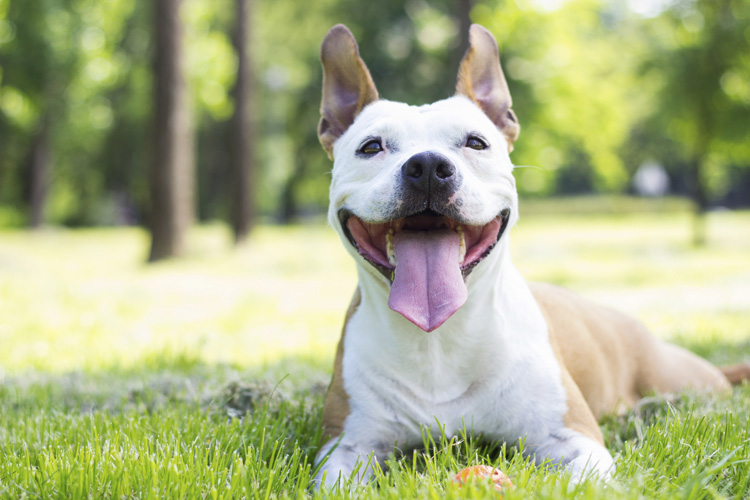
Dog Smiles
sanjagrujic/iStock

Dogs smile when they’re happy, but their smiles are different from human grins. From a human perspective, when a person displays a large, toothy, upturned, cornered grin stretching from ear to ear, this giant smile is interpreted as friendly and happy behavior. So, when a dog displays the same smiling behavior, it’s understandable why humans interpret this behavior as friendly. However, the majority of dog smiles aren’t happy ones. Here’s the difference.

Dog Smiles are Different

Taking into consideration that humans automatically interpret smiling behavior as friendliness, let’s take it a step further with an analogy. Not all dog smiles are friendly. To interpret whether or not a smiling dog is a happy dog, we must look at his body language first.

Smiling Human Body Language

Let’s assume we’re walking down a busy street and watching people interact. We notice a woman grinning from ear to ear while stiffly standing still. Her eyes are wide and round and her arms are held tightly at her sides while making direct eye contact with her greeter. Immediately, we would interpret this behavior as a bit bizarre and assume she wasn’t excited about meeting her greeter. Even though she’s smiling at her greeter, she looks a bit worried or scared. So much so, that some people would intervene in this situation by asking, “Are you okay?”

Now, if we watch a smiling woman touching her greeter’s arm and moving her neck, arms, hands and body freely, we could easily assume and interpret that she’s happy to see her greeter. With this example in mind, let’s discuss smiling dogs again.

RELATED: Why Your Dog is Shaking or Shivering When Not Cold

Smiling Dog Body Language

It’s so important to look at your dog’s entire body language before trying to understand how she feels in certain situations. Dogs will grin, which is actually called a grimace in the animal world, but this is often not friendly dog behavior.

Dog Grimace

Grimacing happens when a dog retracts the corners of his mouth backwards (toward his ears). This causes its lips to lengthen horizontally, which exposes a fair amount of teeth. Some dog experts call this a submissive grin, but I interpret a dog grimace as discomfort, stress and fear.

If you watch smiling dog videos online, you’ll notice a grimace is pretty much always accompanied by a stiff body (non-moving), pinned back ears (flat against the head), wide open eyes (white of eye showing) and firm legs. While many well-meaning pet owners assume their dog is smiling when given a verbal cue, the dog will grimace when the camera is pushed into her face. If you look within the entire video frame, the dog is usually backed up against a wall or furniture, meaning there’s no way out because a human is standing right in front of her holding a scary, flashing box.

Watch What Happens After the “Smile”

While watching smiling dog videos, watch the dog’s behavior after she smiles. You’ll notice the dog is displaying stressed behavior. She’ll turn away from the camera, yawn, constantly blink her eyes, scratch longer than 10 seconds or remain frozen in place. Thinking back to the stiff, smiling woman, we know this isn’t normal behavior.

What are Happy Dog Smiles?

Dogs smile when they’re happy and excited. They’ll also loosely wag their tails, do the happy dance (pick paws up and down quickly) and have relaxed ears (natural placement) while moving toward their greeter. In my professional opinion, this article’s photo displays a beautiful example of a happy dog smile.

Now, I’ve personally witnessed very happy dogs flash a quick grin, with front teeth showing, when their pet owners arrive home. I was there to witness each dog’s body language, and both dogs were over the moon excited. So much so, that a tooth grin just so happened to appear on one dog’s muzzle. These happy grins were quick, less than a second, and followed by happy dancing, tail wagging and friendly dog body language.

Interpreting your dog’s reaction by focusing only on a smile is like reading a sentence and ignoring certain words—you’ll never understand the whole meaning.

Filed Under: Behavior, Safety Tagged With: are dogs happy when they smile, do dogs grin, do dogs smile, dog smiling videos, the truth about dog smiling videos

Should You Treat Dogs Like Humans?

June 13, 2016 by Fanna Easter

Do’s and Don’ts of Treating Dogs Like Humans

Treating Dogs Like Humans
thisislover/iStock

It depends. There’s a long, fancy word for treating dogs like humans, and it’s called anthropomorphism. Anthropomorphism is defined as the “attribution of human traits, emotions, and intentions to non-human entities and is considered to be an innate tendency of human psychology” (Oxford Dictionary, 1885).

You’re probably wondering how anthropomorphism applies to you and your dog, which is a fair question. As a professional dog trainer, I have mixed emotions about ascribing human feelings to dogs. I think there are good and bad parts of this puzzle, so let’s discuss whether or not you should treat dogs like humans.

DO: Treat Your Dog Like a Human

Some aspects of anthropomorphism are good. In my opinion, I believe pet owners can relate to pets by attributing certain human characteristics to their puppies and dogs. As pet owners, we watch our fuzzy family member closely. We try interpreting her facial expressions, wagging tail and body positioning to understand her needs. Of course, as pet owners, we tap into the only knowledge we have, which come from our own emotions and body language.

As pet owners, when our dog or puppy whimpers, we run to console her because the sound resembles a small child in need. We want to protect, nurture and love her; it’s normal human behavior. I believe anthropomorphism creates empathy, which I feel is a good thing between pet owners and their precious dogs.

When pet owners dress their dogs in darling little dresses, place barrettes in their hair or push their dogs in baby strollers, this is an example of anthropomorphism. Some pet experts feel treating dogs like human children is taking the behavior a bit too far, but honestly, I don’t have an issue with it. When I see a dog wearing a fabulous polka dot dress or sporting a trendy bandana, I see this as the pet owner loving and caring for his dog intensely, and I feel all dogs deserve this type of love and devotion.

RELATED: What to Do When Your Dog Bites

DON’T: Attribute Guilt or Vengefulness to Your Dog

Attributing human feelings and emotions can get a bit tricky in certain circumstances, and pet owners have a difficult time understanding how dogs really think in these situations. Sometimes, a dog’s body language will portray a certain human emotion, but it’s not always what it seems.

Guilt

Guilt is a big one and probably the most challenging part of anthropomorphism toward dogs. This is the truth: dogs don’t feel guilt. I know you could swear on your life your dog was ashamed for chewing your shoe when you showed it to her, but she wasn’t feeling guilt. Instead, she was scared.

When dogs pin their ears back, freeze, walk away, blink quickly, lick their lips, flick their tongues, turn their head sideways and lower their bodies downward, they’re actually reacting to your angry body language. When you’re angry, your dog’s slinking behavior is trying to calm you down. Your dog isn’t guilty; he’s scared. You don’t even have to say a single word to your dog. Just standing still, staring and breathing deeply in front of your dog will cue her that you’re angry. Still don’t believe me? There’s plenty of research proving that dogs don’t feel guilt; and, as a human, I wish I didn’t feel guilt either. 🙂

Dogs don’t feel guilt. They just don’t think that way.

Revenge

Dogs don’t seek revenge. They don’t pee on your bed because you left them alone all day. Your dog didn’t chew, urinate and poop on your favorite shoe because you yelled at her earlier. Dogs aren’t spiteful.

When I explain how this anthropomorphism concept isn’t true during group dog training class, some pet owners will look at each other with confused expressions and then ask, “So why did my dog do that?” Dogs chew on shoes because you left them out, dogs potty on bedding or furniture because they’re scared from being alone all day or hearing thunderstorms, and dogs poop because they’re practicing marking behavior.

I know, you’re probably saying, “But my dog hasn’t chewed my shoes in over a year.” If the right opportunity presents itself, your dog will chew your shoe no matter how long it’s been since the last incident. Personally, I think this is where dog behavior supersedes human behavior, as we all know revenge and spite will eat you alive.

It’s not revenge your dog is after; it’s opportunity. 🙂

What This Means for You and Your Dog

Continue singing your dog little songs, use baby talk to convince her meal times are a good thing, dress her up in a darling dress, love her, nurture her, protect her and cater to all of her needs, but don’t assume she’s guilty or vengeful. Keep anthropomorphism in check, please. 🙂

YOU MAY ALSO LIKE: Do Dogs Like to Be Hugged?

Filed Under: Behavior, Clients, Training Tagged With: anthropomorphism dogs, do dogs seek revenge, does my dog feel guilt, dog revenge, dog training, Dog Training Tips, dogs spite, how to teach a dog, how to train a dog, is it bad to treat dogs like children, is it bad to treat dogs like kids, is my dog guilty, is my dog spiteful, teach a dog, train a dog, treating dogs like children, treating dogs like kids, why did my dog chew my shoe, why did my dog pee on my bed, why is my dog guilty

What Is Your Dog Saying? Interpreting Dog Sounds

June 8, 2016 by Fanna Easter

Understanding Dog Sounds

Understanding Dog Sounds
bpretorius/iStock

Dogs can make many different sounds besides just barking or growling sounds. Certain dog breeds will grunt, yelp, yep, yodel, rumble and howl, and some of these dog sounds are downright hilarious. What’s even more interesting is pet owners can identify their dog’s vocalizations even when intermingled with other dogs barking in the same area. Once, while showing our Rottweiler at a dog show with more than 200 other Rotties, I could hear his whine, signaling he needed to potty. Plus, we can all identify with picking up our dogs at the vet clinic (or grooming salons or kennel) and distinguishing our dog’s sounds from the other dogs in the facility.

Just remember: it’s important to interpret your dog’s body language while he is making dog sounds to make sure you understand exactly what your dog is saying.

Rapidly Repeating, High-Pitched Sound

Sounds like: “YELP, YELP, YELP, YELP!”

What your dog is saying: “I’m Scared,” “Don’t Hurt Me,” “Stop Hurting Me”

For the most part, pet owners are pretty good at interpreting loud, rapidly repeating and high-pitched yelps that signal a dog is in distress. Some dogs may growl while others yelp continuously, but in both cases they’re begging someone or something to stop hurting them. Once you’ve heard this dog sound, especially when a dog is in pain, it will haunt you.

Long Strings of Loud, Forceful Barking

Sounds like: “Booo, wooo, wooo, wooo!” Pause (dog looks around). “Wooof, woof, woof.”

What your dog is saying: “Mom! Someone is at the Door!”

Dogs alert their owners when someone is at the door with rapid and long strings of loud and forceful barking. When dogs get really excited seeing someone approach the driveway, their first bark will be loud, long and exaggerated with their front feet stomping. It almost sounds like “BOOOOOroooooo, bark, bark, bark.” Some dogs will pause and look for their pet owners and then continue barking while others will continue barking for several minutes; it depends on the dog and past experiences.

Growling

Sounds like: “Grrr, grrr.” Pause. “Grrr.”

What your dog is saying: “I’m Warning You, Stop Now!”

Growling means your dog is begging you or someone (or something) else to stop whatever is happening in that moment. Never ever punish a dog for growling. That would basically turn the safety off of a gun.

When your dog growls, stop, listen, interpret and react to your dog’s growling by stopping whatever is happening. It’s important to understand you’re not rewarding a dog for growling when you stop a situation from happening; you’re preventing aggression from escalating. If your dog is growling at an object, never force him toward the object because that will only make it worse. Check out these tips on growling.

Rumble Sounds

Sounds like: Boat motor

What your dog is saying: “I’m Friendly” or “I’m Warning You”

Some dogs will rumble, which resembles a growl. When a dog rumbles, it sounds more like a boat motor (even pitch sounds, almost monotone) than a deep throaty, fluctuating warning growl. Some dog experts claim dog rumbling is equivalent to a cat purring and I agree, depending on certain situations.

As a dog trainer for 24 years, I’ve witnessed friendly rumbling about five times. Every other time, the dog was politely asking his pet owners to stop kissing his face and hence a warning growl. When it comes to dog sounds, distinguishing between a friendly rumble and a warning growl is very tricky; it’s vital to closely watch a dog’s body language while the sound is being made. If you’re not sure whether your dog is growling or friendly rumbling, ask a professional dog trainer to watch interactions that produce this dog sound.

Short Sounds With Pauses and Wagging

Sounds like: “Woo, woo, woo.” Pause with lots of dancing and wagging. “Woo, woo, woo.”

What your dog is saying: “I’m Happy You’re Home!”

Most happy dog barks and sounds are short with lots of pauses in between vocalizations and accompanied by lots of wagging, dancing and forward movement. Happy dog sounds can vary; it all depends on your dog’s size, breed and personality. Our Miniature Bull Terrier will yodel when we arrive home, which is a short sound with lots of paw dancing (i.e. dog moves all four feet up and down while standing in place).

Sharp Whistle Sounds

Sounds like: “Meee, meee, meeep”

What your dog is saying: “I’m Worried” or “I’m Hurting”

When dogs whine, it sounds like sharp whistle sounds. Whining is one of the trickier dog sounds because it can mean a variety of things. Dogs will whine when they’re uncomfortable or in pain, such as an upset stomach or painful arthritis. Another reason dogs will whine is fear or distress from events, such as loud thunderstorms, banging firework displays or loneliness. Never dismiss whining because there’s always a cause. If you’re not sure, record your dog whining and play it for your veterinarian and professional dog trainer for their expert opinions.

Howling

Sounds like: “WOOOooooo”

What your dog is saying: “Mom’s Home,” “Company is at the Door,” or “I’m Bored”

Howling sounds like one extremely long note held for a period of time. Many pet owners often misinterpret howling and, honestly, it’s tripped me up a few times too. Some dog breeds, such as hounds (Beagles, Bloodhounds, Foxhounds), were bred to yodel loudly, which signals to the hunter that game has been cornered. With hounds, yodeling can mean, “Mom’s home,” “company is at the door” or “I’m bored.” Sometimes, howling can mean a dog’s in pain, bored and lonely. Again, you need to watch your dog’s body language when he’s howling to correctly interpret the meaning.

Filed Under: Behavior Tagged With: understanding your dog's vocal sounds, what does a dog bark mean, why does my dog growl, why does my dog howl, why does my dog whine

5 Reactivity and Aggression Tips That Will Make Your Life Easier

June 1, 2016 by Fanna Easter

How to Deal With Reactivity and Aggression in Dogs

Reactivity and Aggression in Dogs
Ljupco/iStock

Sharing your life and home with an aggressive dog is challenging; your whole world shifts a bit. As a professional dog trainer who works with reactive clients, I would like to share 5 tips that will make your and your aggressive dog’s life a bit easier.

5 Reminders You Need to Know

1. You’re Not Alone

It’s so important to know you’re truly not alone when it comes to having an aggressive dog. There are so many pet owners struggling to live within a reaction-free bubble every day, and they fear their dog is the only one with behavior issues. That’s not true.

During the first week of group reactive dog training class, usually one or two clients break down crying. They’re so relieved to see other pet owners walking in their shoes. Do know most dog trainers have lived with or are still living with a reactive dog too. I’ve had several aggressive dogs of my own, and I know exactly how your stomach drops to your knees when your dog reacts.

2. No One is Judging You

Pet owners feel a sense of guilt when their dog reacts. They feel everyone is judging and blaming them for their dog’s behavior. This is a tough one. I do feel some pet owners unknowingly reward the wrong behavior, but you do better when you know better, so seek professional help. The majority of aggressive dogs are predisposed to react, and when put in certain situations, they’re more likely to react instead of ignore it. Knowing this, even the best socialized puppy can become reactive despite doing everything right.

3. If Your Dog Reacts, Leave ASAP

It’s going to happen, and it’s your job to learn how to “unfreeze” yourself when your aggressive dog reacts. So many times, the moment a dog starts to react, the pet owner freezes up and her dog continues to bark and lunge. Instead, know your dog’s triggers, turn around and leave the area quickly before your dog reacts. If your dog does react, turn around and quickly walk away from your dog’s trigger. Don’t beat yourself up; just make a conscious effort to keep your dog away from triggers going forward.

RELATED: Can You Stop Dog Aggression?

4. Seek Professional Help

Reactivity never gets better on its own. Pet owners must seek help from a professional dog trainer immediately. Choose a dog trainer who has earned nationally recognized dog trainer certifications and who only uses positive reinforcement. Punishment will make reactivity much worse, and it doesn’t change behavior. Rewarding a dog for choosing to react differently works, so it’s worth the extra effort to find a positive dog trainer.

5. Don’t Dismiss Medication

There are many medications that will certainly reduce your dog’s reactivity, and they work quickly. For best results, ask your veterinarian to consult with a board certified animal behavior veterinarian, as she can advise correct dosages. It’s important to understand your dog doesn’t want to live in a constant state of anxiety. It’s an awful way to live, and the right medication can help. Also, medications for anxiety won’t tranquilize your dog. If it does, it’s the wrong medication. As a dog trainer, I’ve witnessed amazing results when the right medication at the right dose is added to a behavior protocol. Many pet owners wished they would’ve done it sooner.

Everyone has been there, so be kind to yourself and your dog. Seek professional help today.

Filed Under: Behavior

Can You Stop Dog Aggression?

May 26, 2016 by Fanna Easter

How to Deal With an Aggressive Dog

Stop Dog Aggression
Eldad Carin/iStock

Within the dog world, dog aggression is an extremely controversial topic. Not only is this topic hotly debated among dog trainers, but it’s also an explosive topic within the dog rescue world too. Many experts have strong lines drawn in the sand on both sides, so it’s become extremely difficult for pet owners of aggressive dogs to seek concrete answers. I’ll give my honest opinion as a professional dog trainer who has intimately worked with dog aggression cases for more than 20 years.

Aggression in Dogs Never Really Goes Away

It’s true, you can’t stop dog aggression completely. While this seems like grim news, it’s important for pet owners to understand that dog aggression never goes away. Once pet owners are empowered with this knowledge, they can positively change the majority of their dog’s aggressive behavior. However, they must know that aggression will always linger. With that said, pet owners shouldn’t become discouraged. They can certainly teach their dog to react differently in certain situations, but they must have realistic expectations.

Living in a reactive world is a tough path to follow, and I don’t believe dogs enjoy living in a constant state of anxiety, panic and fear. Anxious dogs learn that aggression works to stop a scary behavior from happening. Or they become so anxious, they just freak out and panic. Do know, aggression in dogs is genetic too. If a puppy’s parents and grandparents were fearful or reactive, there’s a high chance the puppy will be predisposed to reactivity.

Can We Rescue All Aggressive Dogs?

I don’t believe you can. Some dogs just can’t fight their anxiety demons and become a danger to society. It’s a horrible decision to make, but sometimes releasing these precious souls from their ever-haunting demons is the best thing we can do.

Have Realistic Expectations

Pet owners of aggressive dogs are probably wondering what exactly to expect from their aggressive dog during and after behavior protocols. Honestly, that’s a fair question.

Before I get into specifics, do know I’m speaking about realistic expectations for the majority of dogs. A small percent of dogs will blossom into friendly extroverts, but that’s a rarity. For the most part, the majority of aggressive dogs can successfully learn to offer a different behavior when they’re face-to-face with a trigger (i.e. thing that causes a dog to react). However, it takes time for an experienced dog trainer to coach an aggressive dog and lots of practice in a multitude of situations while keeping a safe distance away.

RELATED: When Dogs Wag Their Tails, Are They Happy?

How to Deal With Dog Aggression

Dog Aggressive Toward Other Dogs

  • If a dog has been aggressive to other dogs, don’t expect him to enjoy playing with other dogs. The dog has been pretty clear in letting you know he doesn’t like other dogs, so listen to him. 🙂
  • Never allow a dog that has been aggressive to other dogs off leash to greet another dog. If this happens, you’re playing Russian roulette with the other dog’s life, which is cruel and punishable by law.
  • Expect your dog to politely ignore another dog from a safe distance, and your dog to determine that distance. Honestly, that’s a huge win in my book, especially if a dog constantly barks and lunges every time he sees a dog anywhere.

Dog Aggressive Toward Humans

  • It’s important to understand that a dog aggressive toward humans will never become a gregarious greeter.
  • If your dog has been aggressive to men, women or children, don’t expect him to enjoy interactions with people. You may need to crate your dog in another room, away from guests, which is what your dog wants. It’s not worth unraveling all your hard work due to a scary encounter with a person, which will likely end up with a dog bite.
  • Never force a human aggressive dog to meet people; you will only make it worse. Most fearful dogs will run away, which is a good thing! When a scared dog is unable to get away from a scary situation, he will likely bite, which can permanently damage a person and is punishable by law.
  • Do expect your dog to politely ignore a person from a safe distance, and understand your dog determines that distance with lots of practice.

Pet owners should stay away from false promises and unrealistic expectations from using specific aggressive dog training methods. There are no guarantees in dog training just like there are no guarantees in permanently changing human behavior. Some people will always be afraid of spiders, snakes, heights or dark rooms, but they learn to cope around those triggers.

Don’t Be Fooled By Shut Down Dogs

Just turn on your cable TV and watch a famous dog trainer punish a dog until the dog shuts down. While it looks like the dog is learning to tolerate humans or other dogs, he’s actually learning to shut down around these triggers. You may think “shutting down” is good right? The dog stops doing the behavior, so he must be fixed right? You’re wrong.

Shutting down is a false sense of hope that never lasts, and it’s cruel to dogs. If I punished a person so harshly that he rolled up into the fetal position while spiders crawled over his body, he’s not learning to not be afraid of spiders. Instead, he’s shutting down. He’s learning that spiders are truly horrible creatures, and his fear will become worse. If you’re afraid of strangers, can you imagine being punished harshly and frequently until you allow a stranger to touch you? That’s how a shut down dog feels, and that’s an awful way to live.

When Aggression Does Rear Its Ugly Head

Dogs (and people) can learn to tolerate and react differently (instead of freaking out) around their triggers, but if a scary thing sneaks up on them, they will usually revert back to old behavior. If a dog or person suddenly rounds the corner or pops up in your dog’s face, your dog will likely react. If you allow a dog aggressive dog to meet another dog, your dog will react. If you insist someone greets your human aggressive dog, he will react. Distance is your friend here, so use it often to prevent aggression from rearing its ugly head.

Most aggressive dogs can learn to react differently—they’re actually relieved to have options when it comes to dealing with their triggers. Just never push your dog into a situation he’s unable to handle.

Filed Under: Behavior, Dogs, Training Tagged With: can you cure dog aggression, can you fix dog aggression, can you stop a dog from being aggressive, can you stop a dog from biting another dog, can you stop dog aggression, dog aggression, dog behavior, dog hate children, dog hates other dogs, dog hates people, dog on dog solutions, dog training, Dog Training Tips, how to teach a dog, how to train a dog, teach a dog, train a dog

  • « Previous Page
  • 1
  • …
  • 12
  • 13
  • 14
  • 15
  • 16
  • …
  • 33
  • Next Page »

About

Dog Training Nation is a community of dog trainers, dog owners and dog lovers. Our mission is to provide trainers and owners valuable information to enrich dogs' lives. We cover a range of topics, from socializing puppies to dealing with aggressive dog behavior to selecting the best dog products. It is our hope you share our content to make the dog and owner world a better place.

​

Facebook

Video

Dog Training Nation is a dog training blog for pet owners and dog lovers. We cover a range of topics from puppy socialization tips to dog aggression to dog health. It is our hope you share our content to make the world a better place for dogs.

Dog Training Nation

Quick Links

Dog Training
Dog Behavior
Dog Training Videos
Become a Dog Trainer
About
Contact Us

Copyright © 2026 · Lifestyle Pro Theme on Genesis Framework · WordPress · Log in