Dog Training Nation

In Dogs We Trust

  • Home
  • Training
    • Dogs
    • Puppies
    • Clients
  • Behavior
    • Breeds
  • Health
  • Safety
  • Resources
    • Equipment
    • Books
  • Dog Training Videos
  • About
You are here: Home / Archives for Behavior

Ask The Dog Trainer: Why Is My Dog Stubborn?

May 23, 2016 by Fanna Easter

Dealing With a Stubborn Dog

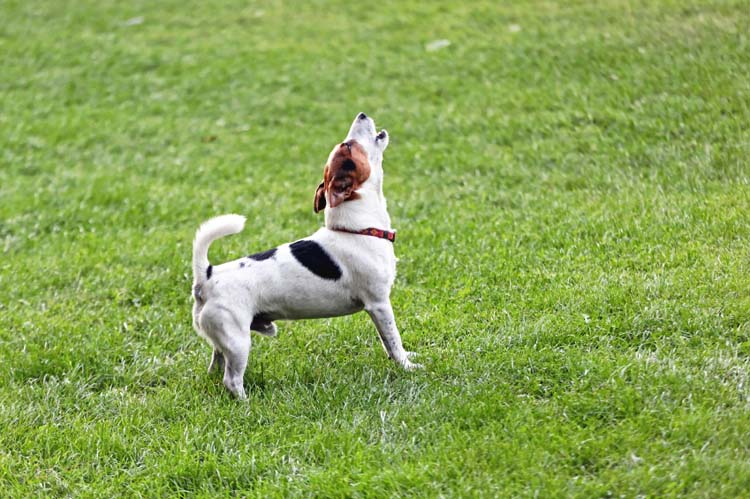
Stubborn Dog
David Baileys/iStock

It’s highly unlikely your dog is stubborn—he’s probably confused—but not stubborn. With that said, when a dog chooses to chase a squirrel instead of coming when called on cue, that’s not stubbornness; that’s lack of training around such distractions. And know that it happens to the best of us. Dogs are not robots nor should they be expected to be, but stubborn they are not. When a student starts using the word “stubborn,” I know her training message is not clearly reaching her dog.

Getting stuck during the learning process is a valuable part of learning, believe it or not. As the teacher, it’s your job to figure out what will work, so your dog understands not to jump on people, chew your hands or jump up on furniture. You probably just need a few tweaks to make sure your message is crystal clear to your dog.

The Word “No” Means Nothing

If your dog is jumping up or chewing on your hands, figure out what your dog could do differently, so they’re unable to do those annoying things. So many pet owners say “no” loudly or over and over again, which basically means nothing to their dogs.

Since I love a good analogy, let’s look at this from a human perspective. If you walk into a room and someone says “no, no, no,” you would become completely confused. What does “no” mean? Stop? Don’t walk, don’t stand, don’t look, don’t breathe, what? The word “no” is meaningless communication and can cause confusion quickly, so throw that word in the trash can. 🙂

How to Train a Stubborn Dog

Ask For Something Different

Now that we understand “no” means nothing, it’s time to reward your dog for doing something else. If your dog barks, reward him for being quiet. Here are a few other examples:

  • Reward your dog for keeping all four feet on the floor instead of jumping up. It’s impossible to jump up and keep your feet on the floor.
  • The moment you feel your dog’s (or puppy’s) teeth on your skin, leave the area or redirect him to another toy. By getting up and leaving whenever your dog’s teeth touch your skin, your dog learns to keep his teeth to himself.
  • Teach and heavily reward your dog for lying on anywhere else but furniture. Crate him when you leave, so he doesn’t learn to relax on your expensive sofa while you’re away. It won’t be forever; just until your dog learns what is expected.

Take a moment and think about what you want your dog to do instead of an annoying behavior. Usually the opposite behavior is key, such as standing still at the doorway instead of dashing out. If you can’t decide on an opposite behavior, you can always teach stationary behaviors, such as “sit,” “down” or “place.” Usually, dog movement is an underlying part of an undesirable behavior for people (e.g. pulling, running away, jumping up, dashing out doors, knocking people over, etc.).

Remember, teaching your dog an alternative behavior is much more effective than punishing him.

Make Sure Everyone is on the Same Page

To keep confusion to a minimum, make sure each family member understands how to manage a puppy chewing on his hands or what to do when a dog jumps up. Let’s use another analogy to further explain this concept. If you’re learning a new language, let’s say German, and each family member pronounces things completely different, it would be very challenging to learn German.

With that said, once you have figured out when to reward your dog, hold a family meeting to discuss and practice your dog training solution, so everyone is on the same page. I ask clients to keep homework directions in a highly visible place like the refrigerator, so each family member gets a quick refresher every time she grabs a beverage or food.

Practice, Practice, Practice

Now that you have developed a crystal clear solution for your dog’s unwanted behavior, practice it several times a week with really good rewards in a low distraction environment. Once your dog understands to stand instead of jump, keep teeth off human skin, be quiet instead of bark, or lie on his bed instead of the sofa, it’s time to practice with family members around for distractions. Expect a few hiccups until everyone gets into a rhythm and keep dog training sessions short (1-2 minutes long).

It’s impossible to be fluent in German without practicing it over and over—the same goes for dog training. 🙂

Dogs Forget Just Like We Do

Let’s take a step back to the foreign language analogy again. If you don’t practice speaking German several times a month, you’ll likely forget how to pronounce even the easiest words. Well, this applies to training your dog too. If your dog forgets, take a few steps back and practice your crystal clear solutions again. Going forward, vow to practice every week, so your dog doesn’t forget. We all forget; it’s not stubbornness. It’s either confusion or lack of training. 🙂
Filed Under: Behavior, Dogs, Puppies, Training Tagged With: dog behavior, dog training, Dog Training Tips, how to make a dog listen, how to make a puppy listen, how to teach a dog, how to train a dog, how to train a stubborn dog, how to train a stubborn puppy, my dog doesn't listen, my dog ignores me, my puppy doesn't listen, puppy training, stubborn dog, stubborn dog breeds, stubborn dog training tips, teach a dog, train a dog, training stubborn dog breeds, why does my dog not listen, why is my dog so stubborn, why is my dog stubborn

Do Dogs Like to Be Hugged?

May 2, 2016 by Fanna Easter

No, Dogs Don’t Like Hugs

Hugging Dogs
humonia/iStock

There’s a pretty good chance you’ve read the latest research showing dogs don’t like to be hugged. This message is spreading like wildfire. It was covered on our local news last night and it’s been trending for several days on social media. Personally, I’m pretty excited this message is finally getting out there because it’s actually true! Dogs don’t like to be hugged.

While there is a very small percentage of dogs that enjoy hugs from their pet owners, the majority of dogs find hugging simply rude. Humans love physical contact; it’s in our DNA and it’s pretty hard not to hug someone you love. Instead of hugging your dog, try these physical contact behaviors instead.

Hugging Dogs May Upset Them

You’re probably thinking this research about hugging dogs is exaggerated since your dog loves hugs and close contact. However, I would challenge that. As a professional dog trainer, I hear: “My dog’s bite (growl) came out of nowhere” or “My dog has no reason to become aggressive; he just turned on me” every day. Honestly, I can tell you these statements are not true. Dogs are always telling us how they feel. We just don’t listen to them and assume dogs are little furry humans. If we don’t listen and continue to push, dogs will resort to growls, nips or bites, if they can’t get away.

If your dog’s body language is happy and he seems to enjoy hugs, then hug away. But don’t expect your dog to enjoy hugs from visitors; it’s different. If you’re not sure, ask a professional dog trainer for his or her opinion.  Don’t rely on a friend’s or dog savvy person’s opinion. The person you ask for advice should be an expert (meaning he or she has earned dog training credentials) at reading dog body language.

How to Embrace Your Dog Without Hugs

Pet Your Dog’s Chest

People love to pet dogs. I’ve noticed a huge increase of pet owners petting their dogs when they’re happy, nervous or stressed. Petting your dog is fine; just do it politely. Trying petting your dog on the chest or under her neck instead of on top of her head or back. Head pats are just rude behavior from a dog’s perspective. Yes, some dogs learn to deal with it, but it’s still rude. Think about it from your dog’s perspective: would you enjoy someone patting you on the head whenever he meets you? And when you backed away, this person continued to follow you with an outreached hand trying to pat your head. Creepy, I know, and dogs feel this way too.

When petting a dog, allow your dog to walk up to you first. Slowly pet or scratch your dog’s chest while refraining from making eye contact. Some dogs enjoy scratching under their necks (under their jaw), so slowly move up. While petting your dog’s neck, refrain from bending toward your dog. This keeps your face out of her personal space. If your dog moves away, don’t take it personal and stop scratching her.

RELATED: Get Your Dog to Take Treats Gently

Scratch Your Dog’s Back

Dogs love to have the top of their rumps scratched, and will easily swing around for it. There’s nothing wrong with it. Plus, you’re politely keeping your body out of your dog’s personal space. If your dog is comfortable, scratch or rub from your dog’s rump to his rib cage, moving alongside his spine. If your dog moves away, stop scratching and don’t take it personal. 🙂

Let Your Dog Initiate Cuddling

You’re probably looking at your gregarious greeter and thinking, “My dog loves to cuddle and hug.” Well, I live with two super friendly dogs that love cuddling and neck nuzzles too, but, if I initiate cuddling or hugs, it creeps them both out.

When dogs are “creeped out,” you’ll notice their bodies stiffening, ears laying flat against their heads, eyes widening, mouths clamping shut and tails dropping to the ground. Your dog will lean his body away from you and perhaps even growl. It this happens, slowly move away when your dog backs away, and remember not to do it again.

Connect Through Training

Grab some super high value treats, a clicker and your dog, and teach her a new trick. It can be a silly or functional trick–it doesn’t matter; just have fun. What matters most is that you and your dog are bonding through training, and your dog is learning you can both speak the same language.

Dogs are different than people, so respect their space etiquette and ensure children and families do too.

Filed Under: Behavior, Clients, Training Tagged With: dog behavior, dog training, Dog Training Tips, dogs don't like close contact, dogs don't like hugs, dogs don't like kisses, how to teach a dog, how to train a dog, stop hugging dog, teach a dog, train a dog

When Dogs Wag Their Tails, Are They Happy?

April 29, 2016 by Fanna Easter

What a Dog Wagging Its Tail Means

Dog Wagging Tail
golfyinterlude/iStock

Dog tail wagging is part of a dog’s body language, but it’s only a small part. Assuming a dog is friendly because his or her tail is wagging is like reading a sentence with missing words–it’s impossible. Instead of narrowing in on tail wagging, it’s vital to read a dog’s entire body language before assuming he or she is friendly.

Before reading on, it’s important to understand my interpretation of dog body language is based firmly on scientific research and my 20-plus years of experience as a professional dog trainer. Some readers may completely disagree with my interpretations because they’ve learned something different. If that’s the case, I beg you to do further research on canine body language. Misinterpretation of a dog’s body language is a huge disservice to dogs and can be deadly. Know all the facts before assuming something is correct.

Understanding Dog Body Language

Dog body language is complex, and often difficult to interpret unless you’re a professional in the dog training industry. Shoot, many dog professionals misinterpret dog body language too! Canine body language is different than human body language, and pet owners often assume certain canine responses are friendly when they’re not. Dog tail wagging is one of these misinterpretations; tail wagging does not mean a dog is friendly.

Let’s discuss different types of tail wagging and tail positions plus additional dog body language nuances that usually follow right along with these types of tail wags. I think pet owners will be shocked at some of these interpretations.

Types of Dog Wagging Tail Behavior

Loose Wagging Tail From Side to Side

When dogs are happy and relaxed, you’ll notice a soft loose tail wagging from side to side. Usually the entire tail is wagging, including the dog’s rear end. Never just focus on a dog’s tail though; look at his or her ears, eyes, mouth and total body position too. 

For the most part, a friendly dog’s body language is soft, relaxed and loose. Friendly dogs have soft eyes; the corners are relaxed and minimal white showing. Ears are held softly in their normal position and may move back and forth softly. Friendly dog mouths are softly panting with relaxed corners–no teeth are showing and tongues are usually held inside the dog’s mouth with minimal drooling. A friendly and relaxed body position means a dog is standing equally between front and back legs with a minor shift forward.

Fast, Low Wagging and Tucked Tails

When dogs hold their tails downward or keep them tucked, and wag them quickly, they are usually worried. Fearful dogs wag the bottom half of their tail stiffly, even when tucked, but always look at the dog’s entire body language.

In general, worried, scared and fearful dogs hold their body backwards and tucked. Their ears are pulled backwards (sometimes pinned) and close to their heads. Their ears may pop up into normal position for a few seconds and then quickly lie against their head again. When dogs are worried, their eyes are round and wide with whites of their eyes showing (whale eye) and eyes sometimes darting back and forth. The corners of their mouths are usually pulled back, almost in a tight grimace, and teeth may be showing. A worried dog will usually stand with the majority of his or her weight pushed backwards away from the scary thing that’s worrying him or her. Sometimes, scared dogs will hold up a front or rear foot, freeze, shake, move slowly, sniff the ground, blink excessively, pant or hold mouth tightly shut, and look at or away from the thing that’s scaring them.

If a dog is fearful, never pet, approach or force a dog to comply. You’ll only make it worse.

RELATED: How to Talk to Your Dog Through Calming Signals

Stiffly Wagging Tail

This type of tail wag confuses people every day, and it’s never a good outcome. When dogs hold their tails up high and stiffly wag it from side to side, this means they’re highly engaged in something or someone. Usually, you’ll see this type of dog tail wagging behavior when Terriers see vermin. It gives me chills and not in a good way. As always, look at the dog’s entire body language before assuming anything.

For the most part, completely engaged dogs are stiff, erect, still and focused. Their stiffly wagging erect tail is followed with stiff and erect ears that are honed forward (sometimes they can dart from side to side quickly). Also, eyes are laser-focused, hard, staring and narrow while corners of the mouth are pushed forward into an agnostic pucker. And yes, teeth may or may not be showing. This dog’s body language is usually leaning forward–stiff and eerily still with some lunging toward whatever he or she is focused on. It’s almost like this dog is standing on his tippy toes and glaring at whatever he’s looking at. He means business.

This type of body language is hard to label. A dog could be warning someone or something to stop moving toward him or her, or it could mean a dog bite is about to happen. Never pet a dog displaying this type of body language, and never allow him or her to greet another dog (on or off leash) ever. This dog is basically saying I will hurt you if you proceed closer, and he or she has the teeth to do so.

If your dog displays this type of body language toward people, children, dogs and any other animals, get out of the situation ASAP and seek professional help. Punishing this dog behavior makes it worse. I’ve witnessed it firsthand many times, and, if someone tells you differently, find another professional dog trainer who teaches dogs different ways to react other than aggression.

As With Anything, Things Can Change

Now, just like humans, dogs can rotate between different emotions within seconds. A dog could happily be enjoying a favorite chew, but when someone tries to take it away, you’ll notice stiff body language. Dog body language ebbs and flows daily and sometimes hourly; just interrupt it and respond as needed.

Never focus on just a dog’s wagging tail. Look at the entire picture, and not just a few words. 🙂

Filed Under: Behavior Tagged With: are wall wagging dogs friendly, canine body language, dog body language, dog wagging tail, wagging dog tail, wagging tail, what does it mean when dog wags tail

Help! My Dog Barks Relentlessly At My Neighbor’s Dog

April 20, 2016 by Fanna Easter

How to Stop Your Dog From Barking at Your Neighbor’s Dog

Stop Your Dog From Barking
Baloncici/iStock

When your neighbor’s dog barks relentlessly at your dog, she will probably respond back. It’s like having someone yelling at you through a fence; eventually, you’ll become frustrated and yell back.

However, it doesn’t always have to be this way. Instead, teach your dog to ignore the rude neighbor dog’s barking. I know, you’re probably thinking you’ll have a better chance at seeing a unicorn grazing in your backyard than this working for your dog, but it works quickly and reliably! The only thing you need is a leash, super yummy treats and lots of patience.

Don’t Let Dog Barking Become a Habit

We assume barking is natural dog behavior; dogs should be allowed to speak when they want to. Well, that’s all fun and games until your dog becomes the neighborhood yapper. If dog barking behavior is practiced over and over, it becomes tougher to change.

If your dog has practiced this behavior so much that she immediately runs out and barks at anything and everything, it will take a couple of weeks to change this behavior. While this seems like a long time, think about habits for a moment. When trying to lose weight, it takes time to lose it effectively and permanently. Quick fixes never work in the long run, and weight sneaks back on.

Like all habits, it takes time and due diligence to change a behavior reliably, so it’s always best to prevent. Although I have a few dog training tips that work really well to change behavior too if it has already become a habit.

Prevention

Let’s look at prevention. This is the easiest way to keep unwanted behavior from sneaking up. First, let’s review barking a bit. Barking is a slippery slope. It’s very self-reinforcing, meaning dogs will learn to bark when bored, scared or frustrated. Interestingly, barking becomes a way for a dog to self-soothe herself like humans yelling when stuck in traffic, biting their nails or eating during stressful times.

Prevention means you’re rewarding your dog whenever she ignores your neighbor’s barking behavior. Reward with treats. Usually, I’ll toss super yummy treats away from the fence of the barking dog. This not only rewards my dog, but also teaches her she can move away from the stressful situation.

How to Stop a Dog From Barking

We recently experienced our dog barking at our neighbor’s dog when moving back into the suburbs. During the day, many dogs are left in the backyard while pet owners are at work, which teaches dogs to relentlessly bark at neighbors, dogs or the air just to hear themselves bark. Privacy fences prevent dogs from seeing each other, but dogs can still learn to fence fight, which is a horrible habit. Check out this article for tips on creating a visual barrier.

Bring Your Dog Out on Leash

As an example, I’ll share my story. Our backyard fence is made of cinder block, so dogs were unable to see each other. Stella, my little Bull Terrier is a typical Terrier; she will bark back at other dogs whenever she has a chance. The moment we moved into our new home, our neighbor’s little dog welcomed us with rapid non-stop barking whenever anyone was out in the backyard. The second Stella heard her rude doggie neighbor yelling at her, hackles went up and growling started.

For two weeks, we brought Stella out into the backyard on a retractable leash (the only place retractable leashes should ever be used) and I was armed with lots of yummy treats. Having Stella on leash prevents her from running away, engaging in barking behavior and going over threshold. Once a dog goes over threshold, she is oblivious to treats, yelling and anything else. Basically, never allow your dog to “go there” during dog training. If it happens, you’ve just taken 10 steps backwards. While it’s tempting to give quick leash corrections, it will only make it worse as your dog learns that pain happens whenever that dog barks, so your dog’s behavior will become much worse.

Ask Your Dog to “Touch”

The second I heard our neighbor’s dog start barking, I asked Stella to “touch” my hand and rewarded her generously (3-5 treats in a row). Understand, it’s hard for Stella to ignore a rude dog so close to her, but after a couple of “touches,” her hackles went down and her tail started wagging loosely.

Keeping Stella next to me sets us both up for success. It keeps her under threshold and allows change to happen. By asking Stella to do another behavior (touch) instead of letting her bark, it gives her something else to focus on rather than the barking dog next door. Additionally, it teaches her another way to react to a barking dog instead of barking back.

Our Success

Now, when our neighbor’s dog comes running out barking, Stella either ignores it completely or walks over and touches my hand. Do know, I never take her good behavior for granted, so I randomly reward her good behavior. Many pet owners set themselves and their dogs up for failure the moment they forget to reward good behavior. Always let your dog know she made the right choice.

You can use these same protocols to prevent your dog from barking at your human neighbors too!

Talk To Your Neighbor

This is easily the most difficult part. Start by keeping the conversation light and explain you want to keep the peace between both dogs. With our neighbor, she admitted she didn’t hear her dog bark anymore. She became used to it. I provided a few suggestions, and now she brings her dog indoors the moment she starts barking. You don’t have to be a dog trainer to provide suggestions. Just print these barking tips for your neighbor. Our neighbor was actually grateful.

If Habits Sneak Back In

Habits are tough to break, so expect some slip ups between both barking dogs. Take a few steps back and grab your leash and yummy treats to practice a bit more. Don’t forget to reward good behavior–that’s the key to success when tackling strong habits.

Good luck!

Filed Under: Behavior, Training Tagged With: dog barks, dog barks at neighbor, dog barks at neighbor dog, dog barks at neighbor dog how to stop, dog barks at neighbor dog through fence, dog barks at other dogs, dog behavior, dog training, Dog Training Tips, how to teach a dog, how to train a dog, my dog barks at my neighbors, neighbors dog barks, stop dog barking a neighbor, stop dog from barking at neighbor dog, teach a dog, train a dog

A Solution for the Dog Afraid of Plastic Bags

April 15, 2016 by Fanna Easter

Why Dogs are Afraid of Plastic Bags

Dog Afraid of Plastic Bags
Photobos/iStock

While working with a client and her dog at a city park, I heard a low rumbling growl from my client’s dog that was staring into a large patch of trees. A blue plastic bag was caught within the tree’s branches, causing a whipping sound, as sheer plastic dances loudly in the wind. If your dog is afraid of plastic bags like my client’s dog, we can certainly work on changing his behavior.

Why are Dogs Afraid of Dancing Plastic Bags?

Noise can be a trigger, as we know a wind-whistling plastic bag caught in a tree is loud. Movement seems to be the most common trigger though. When a billowing plastic bag floats around your backyard, some dogs will chase it, completely ignore it or run for the hills. Sometimes, when a plastic bag is left on counters and a ceiling fan causes portions of it to rise and fall, it can freak out some dogs.

Watch your dog’s reaction when he spots a scary plastic bag and note how he reacts. Does he jump back when it makes noise or growl when it moves? This will provide a ton of information when changing his behavior. In the section below, we’ll focus on noise and movement.

How to Change Dog Behavior

When dogs look at scary things, they usually react by growling, running away, displaying fearful body language, lunging, barking and so forth. When changing this fearful dog behavior, you’re teaching your dog a different way to react. He can look at what makes him afraid safely and realize it will not hurt him. Plus, he’ll learn to ignore it and look at you instead.

You’ll need lots of super yummy treats, a clicker (or verbal marker) and a plastic grocery bag. As you’re working through the process, you’ll be shocked how fast it actually goes. With that said, trust the process and don’t move too fast.

After a few practice sessions, you’ll notice your dog will look at the plastic bag and then look right back at you. That’s because he’s been rewarded for calmly looking at the scary thing and waiting for his much deserved reward. This is a huge step! This means he understands the meaning of the clicker and is confident enough to look away from the plastic bag.

Remember, your dog is learning to willingly offer a calm behavior around something scary, which is totally different than shutting down. The difference is a happy dog holds his ears up, looks alert, moves his head from the object toward you and wags his tail. A shut down dog holds his ears back, widens his eyes, freezes, flops on the ground, looks away from the scary object, shakes, blinks and remains completely still.

Step One

While holding a crumpled plastic bag in your hand (make the bag as small as possible) and keeping your hand still, hold your hand at waist height and wait for your dog to look at the bag. If he doesn’t look at it, crumple the bag to generate a small noise. The moment your dog looks at the hand holding the bag, click (or say a verbal marker) and give your dog a treat. Practice a few more times, and then end the training session.

Remember, you’re not waving the bag around yet. You’re changing your dog’s thought process when he first sees the plastic bag. If you wave the bag now, you’ll surely scare your dog and take several steps backwards.

Step Two

If your dog easily looks at the bag in your hand, it’s time to add a cue. Hide the bag behind your back. As you’re moving the bag toward your side (so your dog can’t see it), say “look at that.” Say the cue only once and wait for your dog to look at the bag in your hand. The moment he looks at it, click and give him a treat.

Step Three

Exposing more of the plastic bag, say “look at that,” as you’re moving the hidden bag from behind your back. Click the moment your dog looks at your hand holding the plastic bag. Practice a few times when your dog easily looks at the bag.

Step Four

Loop the plastic bag handle around one finger and let the bag hang. Now, the bag will move a bit now, so move slowly at first. Continue to move the bag from behind your back while saying the cue and click the moment your dog looks at the bag.

Step Five

Ask a friend to stand about 10 feet away and practice steps 1-4 from a distance. While it seems like this will take forever, it usually takes a few minutes to walk through the steps. If your dog becomes afraid of the plastic bag, ask your friend to bundle the bag in her hand again and reward at this step. After a few practice sessions, slowly pull the bag out in small increments.

Once your dog becomes comfortable with steps 1-4, ask your friend to stand further back and hold the bag over her head while waving it slightly from side to side. Ask your dog to “look at it,” click the moment he looks at it and give him a treat.

In the Real World

Regardless where you’re at in the dog training process, move away from the plastic bag and practice “look at that.” After a few sessions (4-6 times), move on and you’ll soon notice your dog looking at something scary and then looking at you. Reward this behavior!

Filed Under: Behavior Tagged With: dog afraid of plastic bags, dog barks at plastic bags, dog fearful plastic bags, dog growls at plastic bag, dog hates noise plastic bag, puppy afraid of plastic bags, why is my dog scared of plastic bags

  • « Previous Page
  • 1
  • …
  • 13
  • 14
  • 15
  • 16
  • 17
  • …
  • 33
  • Next Page »

About

Dog Training Nation is a community of dog trainers, dog owners and dog lovers. Our mission is to provide trainers and owners valuable information to enrich dogs' lives. We cover a range of topics, from socializing puppies to dealing with aggressive dog behavior to selecting the best dog products. It is our hope you share our content to make the dog and owner world a better place.

​

Facebook

Video

Dog Training Nation is a dog training blog for pet owners and dog lovers. We cover a range of topics from puppy socialization tips to dog aggression to dog health. It is our hope you share our content to make the world a better place for dogs.

Dog Training Nation

Quick Links

Dog Training
Dog Behavior
Dog Training Videos
Become a Dog Trainer
About
Contact Us

Copyright © 2026 · Lifestyle Pro Theme on Genesis Framework · WordPress · Log in