Dog Training Nation

In Dogs We Trust

  • Home
  • Training
    • Dogs
    • Puppies
    • Clients
  • Behavior
    • Breeds
  • Health
  • Safety
  • Resources
    • Equipment
    • Books
  • Dog Training Videos
  • About
You are here: Home / Archives for Behavior

How to Help a Dog Cope After Divorce

July 24, 2015 by Fanna Easter

Divorce Dog Anxiety

It’s a Sad Time For Dogs Too
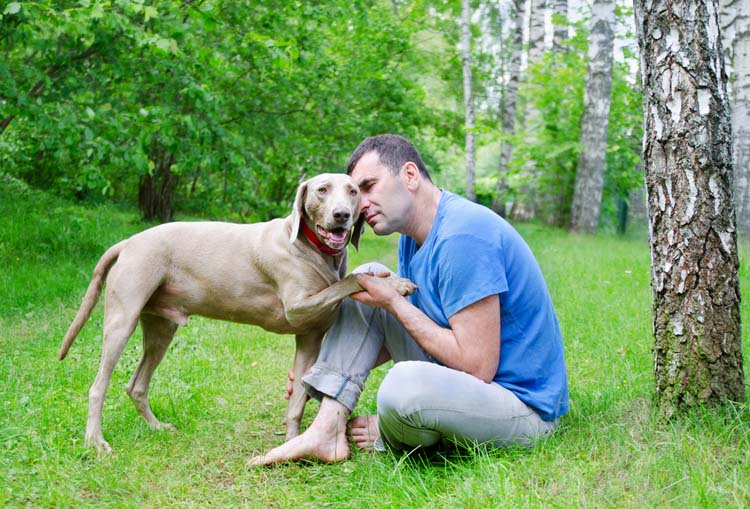
Dogs and Divorce
bit245/Deposit Photos

Divorces are brutal. They’re emotionally charged and cause massive disruptions within a family unit, including the family dog. Recently, a friend of mine went through a long divorce and was forced to move out and find a new home. The only things she had left were her clothes, some furniture and her beloved dog. So the process began for both of them, and even though my friend held her poker face firmly in place, her heart broke for her dog’s mourning.

Expect Your Dog to Mourn

Trust me, dogs know when disturbances ripple through a family. If a family member and her dog are forced to move, expect her dog to mourn. Similar to you, dogs have lost loved ones, such as other house pets, so this is their first time truly left alone.

As with humans, dogs enjoy predictability of daily routines and living within a familiar surrounding, so they need time to adjust. During the first week, your dog will become clingy. He wants to sit or sleep very close to you–you’re the one constant during this unfamiliar time. Indulge your dog’s needs and, honestly, you probably need your dog’s unconditional love right now too.

Huddle together, and you will weather the storm.

It Will Get Better

Keep Up the Normal Routine

Try to keep your dog’s daily routine as normal as possible and spend a bit of time playing and exploring the new yard and going for long walks daily. Take this time to enjoy your dog’s company with games of fetch or tug. This will keep you both occupied as time heals wounds.

Provide Your Dog With Food Toys

Start with leaving your dog home alone for short periods of time, such as leaving him to take a shower with the door closed while he chews on a bully stick. After a day or two, leave your dog inside, chewing on food stuffed toys while you mow the yard or work on a project in another room. You’re still there, but your dog is not velcroed to you. Plus, he’s learning that alone time is kind of fun with peanut butter stuffed toys.

RELATED: 4 Tips for Moving With Your Dog

Leave the House for an Hour

After a few days, run errands for an hour or so. It’s time your dog learns to enjoy being along while you are truly away from home. Don’t forget to give your dog something to do while you’re gone, so he’s not panicking. A nice long walk before you leave always helps too.

To drown out unfamiliar noise, play soft classical music in the background. Check out these tips for separation anxiety, which can promote confidence during this difficult time.

Postpone Bringing a New Dog Home

Many dog owners think it’s a good idea to adopt another dog, so your mourning dog has a friend. Before bringing home a new dog, it’s important to consider if you have enough time to care for two dogs.  About 50 percent of the time, mourning dogs react negatively to a new dog in the household–they’ve already had enough disruption for now. Also, it’s not fair to the new dog since he’ll need adjustment time too and walking into an emotional situation can be scary. Wait until your dog has grieved, and then consider adding another dog when you’re both ready.

Within a couple of weeks, you’ll notice the twinkle return to your dog’s eye. This means you’re almost over the hurdle. There may be a few hiccups along the way, but you now have solutions to address them.

If It Doesn’t Get Better

Sometimes, it doesn’t get better. If your dog panics when left alone and tries to harm himself, seek guidance from a veterinary animal behaviorist. While your local veterinarian may offer some guidance, vet behaviorists are the experts in the field and can certainly help quickly.

If progress is moving slowly, but your dog is not panicking, there are a few calming supplements that can help along the journey. Always consult your veterinarian first, especially if your dog takes other medication.

We are cheering for both of you! There is light at the end of the tunnel!

Filed Under: Behavior, Clients, Training Tagged With: divorce with dogs, does divorce affect dogs, dog divorce, dog divorce anxiety, dog issues after divorce, dog training, Dog Training Tips, how to teach a dog, how to train a dog, teach a dog, train a dog

Submissive Urination in Dogs

July 20, 2015 by Fanna Easter

Submissive Urination

It’s Not What You Think

Submissive Urination in Dogs
alexeys/iStock

One day, hopefully within my lifetime, people will learn dominance and submission between dogs and humans is a myth. Yes, I’m painfully aware that a certain TV personality is still singing this outdated tune, so I’ll continue to update our readers with the latest information. With that, shake off dog dominance thinking and, while we’re at it, let’s discuss submissive urination. It’s not what you’re thinking.

What is Submissive Urination?

Common With Younger Dogs

Younger dogs, especially puppies, are learning how to hold their urine (bladder control). It’s part of potty training. Holding it becomes a challenge when they’re super excited and urine leaks out–oops. Before you laugh, this happens to people too! 🙂

Puppies will learn how to control their bladders as they grow older. You should notice a huge difference between six to nine months of age. Now, there are a few things you can do so your precious puppy doesn’t piddle on visitors’ shoes.

Five minutes before guests arrive, bring your puppy out to potty. This ensures her bladder is empty, which decreases the chances of puppy sprinkles. Also, keep super excited greetings to a minimum until after your puppy has urinated in an appropriate place, and then bring on the excitement.

RELATED: Training Dogs Polite Greeting Behavior

You Scared the Pee Out of Them

Yup, dogs can become so scared, they eliminate their bladders. It happens. It’s important to note, it’s not submission. It’s fear. Some dogs show their bellies for various reasons, none of which are for submission though. They show their bellies so much so this topic needs its own article. Now, let’s get back to leaking urine! 🙂

Let’s look at this situation from a human perspective: have you ever been so scared you tinkled? Probably and it usually happened when you were younger, right? And it happened under different circumstances too, depending on a person’s threshold of fear. For some folks, just having something scary pop up unexpectedly will do the trick. For others, it’s when they’re being mugged, getting into a car accident or facing their scariest fear. When this happened, were you submissive? I don’t think so. You were terrified.

Now, let’s go right back to dogs. When your dog plops down with ears pulled back, eyes wide and round, mouth clinched shut and urinates, it’s fear and not submission. Many dog owners mistakenly perceive submissive behavior. When a dog rolls over and shows her belly, she is not saying, “OK, you are the boss. I give up.” What she is really saying is, “I’m so scared right now, so please don’t hurt me.”

Somehow, you’ve scared the pee out of her. Analyze your behavior to prevent this from happening again.

Also, I’ve seen dogs become fearful when meeting other dogs and urinate. It’s not submission. It’s fear. Dogs are fantastic at reading body language. They’ll effectively explain to other dogs they’re not sure about meeting them. If a rude dog continues to charge forward, a scared dog will eliminate. Remember, not all dogs want to meet other dogs.

It’s Not Guilt

Dogs don’t feel guilty. Nope, they don’t have an ounce of guilt when you come home and notice urine on the floor. They just needed to potty really bad and you weren’t home to walk or let in the yard so it happened on the floor.

When you come home and smell urine, your body language changes. That’s what your dog is responding to. You stand rigidly still, stare directly at your dog’s face with hands on your hips and start yelling. Well, your dog drops his head, looks away and slinks off to disarm you. He’s terrified of you and not sure why you’re acting crazy. Shoot, you would scare me too! If there’s urine in his bladder, it probably has been deposited on your floor because he’s scared. If it happens enough, your dog will slink away every time you come home.

Next time potty accidents happen when you’re away, greet your dog and ignore the mess. Plan to do better next time because it’s actually your fault it happened. 🙂  If you’re unable to bring your dog potty during lunch, ask a friend or better yet hire a qualified dog sitter.

If It Continues

If your dog starts having potty mistakes, it’s time to rule out illness with a thorough vet exam. Some dogs develop urinary tract infections, which is actually quite common.

Once illness has been ruled out, go back to potty training basics. Believe it or not, it’s common for some dogs to regress back a bit. They’ve peed in the house unnoticed, so they learn it’s a safe and air-conditioned place to potty. 🙂 Usually, dogs learn to potty outdoors again after a couple of days.

If your dog is so terrified of people, or other dogs, and urinates uncontrollably, then seek guidance from a veterinary behaviorist. Once his fear is controlled, you can successfully stop fearful urination.

Filed Under: Behavior Tagged With: dog excited pee, dog pee fear, dog peed scared, fixing submissive urination, puppy excitement urination, puppy urine scared, stop submissive urination, submissive dogs, submissive urination, why are dogs submissive, why does my dog pee when scared

Why Do Dogs Eat Strange Things?

July 6, 2015 by Fanna Easter

Does Your Dog Eat Strange Things?

Pica in Dogs

Pica in Dogs
fmsmarta/iStock

If your dog has ever chewed or eaten strange things, I’m sure you’ve wondered why and if it’s normal. Pica disorder is the continual consumption of non-food items, and it can be behavioral (learned) or compulsive. Do all stick-chewing dogs have a pica disorder? Thankfully, no. Let’s discuss different causes of and solutions for pica.

Is It Chewing or Pica?

Oh, this is the magic question! Before jumping to conclusions, it’s important to note pica disorder is the ingestion (swallowing) of weird things frequently (two or more times). If your puppy accidentally swallows a rock, it could be just that–an accident. If it recently happens again, it could be a red “pica” flag. It’s important to distinguish between pica and chewing because they are two totally different things, but can be linked.

Chewing

Chewing of non-food items is not considered a pica disorder. However, if your dog constantly seeks out strange objects, chews and ingests them, then I would be concerned. It’s important to redirect him to appropriate chewing items.

Let’s discuss a common scenario: dogs chewing on sticks. Most dogs enjoy chewing wood, and sticks are pretty easy to hold with two paws and find in the backyard. When chewing, some pieces are accidentally swallowed while most chards are left behind, which is most common (not pica indicative). This is normal, but should be discouraged by replacing sticks with appropriate chews items. Then, remove all access to sticks by clearing your yard of them. This prevents your dog from learning to enjoy chewing sticks.

Pica

If you’ve ever witnessed it, then you know what I’m talking about. Dogs will seek out strange things to chew and ingest. When one of my dogs has a tummy issue, he will literally gobble up grass and leaves until I bring him indoors. Once his tummy feels better, his pica behavior ends. Yes, coprophagia (ingesting feces) is considered a pica disorder. Dogs either learn to enjoy the taste of feces, have medical issue (illness) or become compulsive.

RELATED: Why Do Dogs Eat Poop?

Causes of Pica

Behavioral

A behavioral cause means dogs have learned to continuously ingest non-food items, such as rocks, sticks, clothes, leaves, grass and anything else they can fit in their mouth. If dogs are allowed to practice chewing or picking up specific items, they’ll learn to enjoy it and seek out specific objects. This usually involves the ingestion of chards or accidentally swallowing the whole thing.

We all know practice makes perfect so it’s important to curb chewing and mouthing of inappropriate items quickly. If you notice this happening, play a game of trade by offering a delicious treat for the inappropriate item. Then, provide an appropriate chew toy, such as a bully stick.

Now, behavior-induced pica is usually more common in breeds of dogs that were bred for retrieving, meaning they instinctively pick up, explore and carry items in their mouth. If you share your home with sporting breeds, you’ve probably noticed your Labrador Retriever touch just about everything with his teeth, lips and tongue. 🙂

Prevention is key!

Compulsive

Sometimes, and thankfully it happens rarely, dogs will have an irresistible urge to constantly swallow specific non-food items. Before jumping to conclusions, it’s important to rule out lack of proper nutrition or illness before deciding on a compulsive behavior diagnosis. If your dog routinely swallows rocks and has had surgery to remove the obstruction, then I highly recommend seeking advice from your veterinarian. Nutrition-induced pica usually resolves itself once your dog is provided with needed nutrition. Illness, normally  gastrointestinal based ones, is a common cause of eating strange objects. However, your vet should perform diagnostics to undercover and treat the issue.

Once nutrition and illness have been ruled out and pica behavior continues, ask for a referral to a veterinary animal behaviorist who specializes in obsessive compulsive disorders. Compulsive disorders do not halt if left untreated, and fitting your dog with a muzzle to prevent ingestion of non-food items is like putting a Band-Aid on a gushing wound–it’s not resolving the issue.

Good luck, and remember an ounce of prevention is worth its weight in gold!

Filed Under: Behavior, Health Tagged With: can dogs get pica, can my dog get pica, dog eats weird things, pica disease in dogs, pica disorder dogs, pica dog treatment, pica dogs, pica in dogs, pica in pets, puppy chews pica, puppy pica treatment, why dogs eat non food items

Help for Dogs Afraid of Thunderstorms

June 10, 2015 by Fanna Easter

New Finding to Help Dogs Afraid of Thunderstorms

L-Theanine Anxiety
alexeys/iStock

It’s that time of year again. As we broke record rainfall levels in north Texas this year, it seems thunder and lightening were the forgotten villains. Well, I’m beyond happy to share a new finding, which can reduce your dog’s anxiety during terrible thunderstorms. Drum roll please!

L-Theanine Calms Dogs During Thunderstorms

I’ve been successfully using this amino acid in the past to reduce fear and anxiety in dogs, and humans too. But now, we have scientific proof that L-Theanine works! If your dog is afraid of thunderstorms, I highly recommend taking a look at this research study.

Basically, the study proves L-Theanine reduces anxiety caused by thunderstorms. You’ll notice a decrease in fearful dog behavior such as:

  • Pacing
  • Drooling
  • Heavy panting
  • Vocalizing
  • Trembling
  • Seeking comfort from a person (e.g. waking you up, trying to get close to you and following you around)
  • Hiding in a bathroom (sometimes in the bathtub) or closet

Now, L-Theanine is not a cure. It’s a preventive, and with everything a combination approach is always best. By preventing your dog from reacting to thunderstorms, over a period of time your dog’s anxiety will decrease. However, it’s not immediate. It’s accumulative.

To learn more about calming a thunder-phobic dog, take a peek at this article. It goes into further detail.

L-Theanine Dosage

This is a bit tricky, as I’ve taken too much L-Theanine in the past and felt overly exuberant (hyper). 🙂  I was happy and not a bit stressed in the least, but I had a ton of energy! So dogs may react this way too if given too much.

It’s even trickier dosing smaller dogs. I recommend products especially made for dogs that contain L-Theanine plus other calming supplements.

By far, my favorite brand is Composure by Vetri-Science. These pills are chewable and available, depending on your dog’s weight. Also, Composure contains colostrum calming complex, which promotes well-being during high-stress situations.

Anxitane by Virbac pills were used in the study. However, this product is currently out of stock nationwide. No one knows why or when it’ll be restocked. (This always makes me nervous.)

It’s best to dose your dog at least 20 minutes before a storm appears. Now, if a storm sneaks up on you, still give your dog a dose. Preventing anxiety from creeping in works best.

RELATED: Supplements for Anxiety in Dogs

Filed Under: Behavior, Resources Tagged With: are all dogs afraid of thunderstorms, calming dogs during thunderstorms, canine thunderstorm phobia, do thundershirts work, dog afraid of lightening, dog afraid of loud noises, dog afraid of thunder, dog hates thunderstorm, dog scared of lighting, dog scared of thunder, dog shakes during storms, dog shakes during thunderstorms, dog thunderstorm melatonin, dogs afraid of thunderstorms, dogs and thunderstorm remedies, dogs anxiety thunderstorms, dogs fear of storms, dogs fear thunderstorms causes, handling thunderstorm phobia in dogs, help for dogs afraid of storms, thunderstorm dog tips

Not All Dogs Like Dog Day Care

June 3, 2015 by Fanna Easter

How to Know If Doggy Day Care is Right for Your Dog

Doggy Day Care
Get me out of here!

I’d say 30-40 percent of dogs don’t enjoy playing with other dogs. Shocking, right? It’s true. If your dog doesn’t like to play with other dogs, it’s okay. Yes, it’s totally normal. Not all humans enjoy hanging out with a large group of people, especially rowdy young ones so why should our dogs? 🙂

Wild dogs certainly don’t play in large groups. They have friends and that’s it. If someone is rude, that person is kicked out, which doesn’t always happen in doggy day care.

Signs Your Dog May Not Like Doggy Day Care

Dog is Fearful Around Other Dogs

If your dog runs away, hides, folds ears back, tucks tail or acts generally afraid of other dogs, then doggy day care is not for him. Throwing your dog into a group of playing dogs won’t help. It’ll make it worse. I see the repercussions daily. If this happens, scared dogs will usually sit away from the playing dogs and freeze (look away and become terrified) if a dog approaches.

If dogs continue to approach and pester a scared dog, he’ll learn to fight. He is freaked out and trying to defend himself (offensive aggression). If you were afraid of snakes and were thrown into a pit filled with slithering snakes, I don’t think it would help you overcome your fear. It would make it worse. It’s the same thing with dogs so don’t force them.

RELATED: Dog Aggression

Dog Acts Aggressively Around Other Dogs

“My dog is fine with other dogs during day care, but lunges and acts aggressively with other dogs everywhere else.” Oh boy, I hear this a lot from pet parents. During behavioral consults to address their dog’s aggression toward dogs, I see a frightened dog that’s learned offensive aggression to mean: “I better get them before they get me” (defensive aggression). Yes, this was probably learned during doggy day care.

Understand aggression is a symptom of anxiety. If a dog can’t get away, he will either freeze or fight. The same happens with us–remember the snake pit? 🙂

Is This Your Dog?

Don’t beat yourself up. You do better once you know better. Pull up your bobby socks and enroll in a relaxed rover class, which addresses fearful and aggression behaviors around other dogs. Now, find an excellent pet sitter for leash walks and potty breaks.

READ MORE: Dog Day Care Interview Questions

Filed Under: Behavior, Clients, Health, Resources, Training Tagged With: best dog day care, choosing a dog day care, daycare for dogs, dog day care, doggie day care, finding a good dog day care, how to find a doggie day care, interviewing dog day care, questions to ask doggie day care

  • « Previous Page
  • 1
  • …
  • 20
  • 21
  • 22
  • 23
  • 24
  • …
  • 33
  • Next Page »

About

Dog Training Nation is a community of dog trainers, dog owners and dog lovers. Our mission is to provide trainers and owners valuable information to enrich dogs' lives. We cover a range of topics, from socializing puppies to dealing with aggressive dog behavior to selecting the best dog products. It is our hope you share our content to make the dog and owner world a better place.

​

Facebook

Video

Dog Training Nation is a dog training blog for pet owners and dog lovers. We cover a range of topics from puppy socialization tips to dog aggression to dog health. It is our hope you share our content to make the world a better place for dogs.

Dog Training Nation

Quick Links

Dog Training
Dog Behavior
Dog Training Videos
Become a Dog Trainer
About
Contact Us

Copyright © 2026 · Lifestyle Pro Theme on Genesis Framework · WordPress · Log in
