Dog Training Nation

In Dogs We Trust

  • Home
  • Training
    • Dogs
    • Puppies
    • Clients
  • Behavior
    • Breeds
  • Health
  • Safety
  • Resources
    • Equipment
    • Books
  • Dog Training Videos
  • About
You are here: Home / Archives for Behavior

Do Dog Chew Deterrents Really Work?

June 2, 2015 by Fanna Easter

How to Stop a Dog From Chewing

How to Stop a Dog From Chewing
Angela Schmidt/iStock

As you’re walking down the pet store aisle, you can’t help but notice rows of chew deterrents promising “no more chewing.” But does it work for most dogs or, better yet, puppies?

50/50 Chance

After years of polling puppy and adolescent clients about the effectiveness of dog chew deterrents for their pets, I’ve found it’s almost always split down the middle. For some dogs, it works wonders. The other half of dogs love the taste–go figure.

RELATED: Puppy Proofing Your Home

Half of Dogs Will Still Chew

Puppies chew. It’s going to happen so now it’s time to prevent those furry termites from eating your baseboards. Have dogs evolved to enjoy bitter tasting sprays? Maybe, but I think there’s much more to it.

Let’s face it. The urge to chew is powerful for young dogs and puppies so most will push through the nasty taste and sink their little teeth into your soft (and gorgeous) hardwood floors. Plus, constant exposure will dull sensory senses. Have you ever been in a heavily deodorized  room? At first, you gag and then after a few minutes, you don’t smell it any  longer. 🙂  Don’t forget, chewing deterrents have a minimal residual effect, meaning the nasty taste fades over time.

Now, let’s look at our behavior. We don’t normally prevent chewing. Instead, we spray previously chewed areas with deterrents. Oops. We’re reacting instead of being proactive, as our puppies just learned how to chew on our house.

RELATED: Puppy Teething

3 Steps to Get Your Dog to Stop Chewing

A dog safety gate (baby gate) works much better in the long run. By blocking access to unoccupied rooms, you’re preventing dog chewing by supervising puppies and ensuring they have plenty of items to chew on instead.

As with anything, a multi-prong approach is always best. I rarely find a solution that works alone.

  1. Set up a barrier (dog safety gate) to block access. Now, this is not forever. You just have to block access until your dog learns to chew on appropriate items instead.
  1. Get on your hands and knees, and spray chewing deterrents on items you don’t want redecorated with puppy pinholes.
  1. Now, give your dog plenty of chew toys, which work better than chew deterrents. 🙂 Bully sticks, food stuffed toys and interactive food toys will keep your puppy or dog busy for hours, meaning your house is safe for now!

You may also like: My Dog is a Messy Eater

Filed Under: Behavior Tagged With: chew deterrent spray, chew deterrents for dogs, chew deterrents for puppies, chew spray for dogs, chew spray puppy, pet chewing deterrent, taste deterrent review, taste deterrents

Why Your Dog Is Shaking Or Shivering When Not Cold

June 1, 2015 by Fanna Easter

Shaking Dog

Shaking Dog
W1zzard/iStock

While researching articles, I usually have the TV on for background noise. Today was no different until I noticed a small dog walking into a popular daytime talk show. Well, the movement of four feet instantly causes me to look up and smile. This darling little dog was accompanied by a well-known movie star who picked her up and immediately said, “She’s shaking because she’s cold. I’m not abusing her.”

Well I certainly don’t think the dog is shaking because she’s being abused, as she looks well loved by her pet parent. One thing I want to address: shaking or shivering doesn’t mean a dog is cold, but instead it means he or she is stressed or scared.

Do I feel this darling little dog is abused? No. She willingly walked onto a stage with her pet parent. Her shaking was minor and ended within a few minutes, meaning she settled into her pet parent’s secure arms and watched the crowd. But I do want to address the cold shaking myth because it’s not entirely true.

Dog Shaking Means Stress

Shivering or shaking means a dog is stressed or fearful. Humans react the same way. It’s a natural response to stress. Shaking paired with flattened ears, bulging eyes, tucked tail, closed mouth, or slow walking, looking away, turning head means fear. The dog is trying to walk away and ignore the cause of his fear.

Now, some dogs shake with excitement, but the majority of their body language is different. When dogs are excited, their ears are up, tail wags loosely, eyes soften, body bouncing or jumping around, and engage with whatever is causing their excitement.

Shaking, trembling and shivering can be a medical issue, and usually happens when dogs are hurt, nauseous or sick. If you suspect any of these causes, contact your vet immediately.

RELATED: How to Train Fearful Dogs

Why Dispel This Myth?

Once pet parents understand why their dogs are shaking, they can address it and move on. Now, dogs can shake because they’re cold, but it’s highly unlikely when it’s warm outside. I’ve yet to notice air conditioning causing a short-haired dog to shake. Plus, look at a dog’s entire body language. Choosing one thing to focus on (shaking) is like reading a sentence with missing words—you’re missing the true meaning.

How to Address Shaking and Shivering

If your dog shakes and shivers, take note where this happens. Usually, I witness small dogs shaking at the vet’s office or during the first day of group dog training classes. Now, this is not a small dog problem. I’ve witnessed large dogs shivering too—big dogs get scared too.

If you notice your dog is shaking due to fear or stress, bring super yummy treats with you when visiting these scary places. Ask your worried dog to “touch” while waiting at the vet’s office. This gives your dog something else to do instead of worry. Notice I mentioned dogs shake and shiver during the first day of class? It’s because we keep them busy by rewarding other behavior. Soon, dogs learn scary places mean yummy treats and they’re not as worried. They’ll have had more positive experiences than scary ones, so they learn it’s not that bad.

RELATED: My Dog Refuses to Move

Typical Redirection Session

Assuming fearful dogs will get over it is like assuming your fear of spiders will subside in a room filled of fast-moving spiders. It’s not going to happen, and it will only get worse. Instead, redirect their stress or fear with a simple game.

  • Use a clicker (or say “yes”) and super yummy treats, such as cheese bits, diced baked chicken or cubed lunchmeat. Don’t be stingy with treats. Give them often (every five seconds or so). 🙂
  • Ask dog to “touch” his nose to your hand. This is super easy to do, and it redirects his attention to something else. Refrain from asking “sit” or “down,” as this is tough to do when scared. Your dog is scared and really doesn’t want to draw any further attention to himself.
  • Patience is key. Usually, a stressed dog will reluctantly “touch” your palm, eat his treat slowly and scan the room again. Say “touch” again after he’s had a few seconds to look around in his environment (he’s making sure he’s safe).
  • Don’t repeat the “touch” cue. If your dog isn’t responding, move farther back from the scary thing and try again. Repeating “touch” over and over with ever increasing volume will cause additional stress. Your dog hears you, but he’s too scared to look away.
  • After a few “touches,” you’ll notice your dog rebounds faster, meaning he’ll look back at you quicker and touch your hand with gusto. Good job!

Keep practicing in scary situations and soon dog shaking and shivering will be a thing of the past. If it happens again, you know exactly what to do!

Filed Under: Behavior Tagged With: dog is cold, dog shakes, dog shakes at vet, dog shakes during thunderstorms, my dog shakes, my puppy shakes, shaking dog, shaking dog does mean, why dogs shake

Capturing Dog Behavior

May 15, 2015 by Fanna Easter

Capturing a Dog Behavior: That’s It!

Dog Behavior
suemack/iStock

A teacher uses basic teaching fundamentals for humans, dogs, cats, fish and snails so let’s discuss capturing a behavior. This is a powerful way to teach your dog a new behavior.

What is Capturing?

Think about using a camera. When taking a picture, you’re capturing a moment in time. When capturing dog behavior, it’s the same process, except you’re using a clicker to capture a moment in time. And then giving your dog a treat so that moment in time continues.

Imagine you and I standing in a room. Then, after a few minutes of chatting, I move a chair in the middle of the room and you moved toward it to sit. As your behind touched the chair, I clicked and gave you $100. What did you just learn? Ha, that it pays to sit in that chair, right? This is capturing.


 Capturing works best for naturally occurring behaviors.


When encouraging participation during a business meeting, reward questions with small bits of chocolate or mints. At first, participants will giggle, but after 10-20 minutes, you’ll have an actively engaging meeting. For introverts, I reward with two pieces of candy. These folks are tough to engage.

If you find need to slow down participation, withhold rewards a bit and reward every third question. Capture and reward know-it-all attendees every third time because constant rewards will ensure their hand is always raised. At first, they’ll become a little perplexed, but they will learn to control their behavior and hand. 🙂

How to Capture Dog Behavior

When using a clicker to mark behaviors you like and then giving your dog a treat, you’re saying, “That’s what I want so keep doing it.”

Capturing is very powerful so be careful of what you capture. 🙂  When dogs bark at us, we look at them–you just captured that behavior. Your dog jumps up on you so you push them down. You just captured that behavior. That’s why, as dog trainers, we ask you to choose good behaviors to replace naughty ones. If your dog jumps up, wait for all four feet to touch the ground and click/treat. When your dog barks, click and treat when she’s quiet.

Naturally occurring examples are:

  • Sitting.
  • Lying down.
  • Calming down.
  • Loose leash walking.
  • Stretching.
  • Barking.
  • Not barking.
  • Picking up a paw.
  • Looking at you.
  • Whining.
  • Licking.
  • Standing.
  • Yawning.
  • Keeping four feet on the floor (not jumping up).

Capture Often

If you attend my group classes, you’ll hear this phrase often. The more you capture good behavior, the faster your dog will keep offering it. Even if you must click and treat 10 times in a row when your dog stops pulling on the leash, you’ve taught your dog that keeping the leash loose pays!

Check out these videos to watch capturing in action.

VIDEO: How to Teach a Dog to Sit

VIDEO: Teaching Your Dog to “Touch”

You really can’t give too many treats. Just make sure your dog has earned them for good behavior. 🙂

READ MORE: Shaping Dog Behavior

Filed Under: Behavior, Resources, Training Tagged With: capturing behavior, clicker training capturing behavior, dog trainer tips, dog trainer tips for puppies, Dog Training Tips, help for naughty dogs, how to reward good dog behavior, puppy training tips, rewarding good dog behavior

Does Exercise Relieve Excess Energy in Dogs?

May 6, 2015 by Fanna Easter

Exercising Your Dog Doesn’t Always Relieve Excess Energy

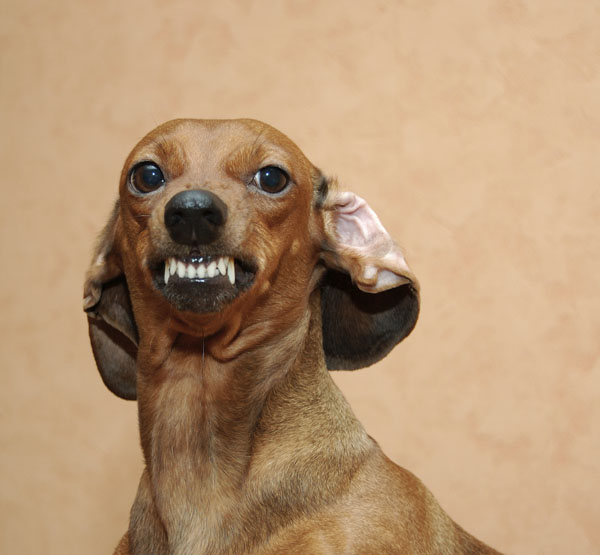
Dog ExerciseLiving with an easily excited Rottweiler and an always energetic Mini Bull Terrier, I pondered if exercising my dogs would really relieve their excess energy. Group class clients were asking me this exact question too. They would walk, jog or run their adolescent dogs for three to four hours per day (divided up) plus daily sessions at the dog park, yet their dogs still had tons of energy. Hum, what’s going on?
Provide Exercise and Mental Stimulation

Overexercising high-energy dogs can, at times, create a very fit high-energy dog who requires more exercise. With the increase in canine obesity, the pet industry is flooding pet parents with “a tired dog is a good dog” motto, which is a good thing, but this concept needs tweaking for some dogs. I’ve witnessed many pet parents go to extreme lengths to exercise their two-year-old or four-year-old Labs and they still bounced off the walls at home. However, you could bounce a quarter off their thighs–they were that fit!

RELATED: Thundershirt for Dogs

Exercise is good. We know it’s essential so I’m not saying to put away the leash and turn on the TV. 🙂 Instead of jogging your dog for an hour, take a leisurely walk in a new location and allow your dog to sniff to his heart’s content. Providing mental stimulation (sniffing, puzzle solving or playing games) is mentally and physically exhausting. Allow your dog to walk over, sniff and explore certain spots. It’s almost like your dog is posting on his Facebook page. I know it sounds absurd, but it’s true. Sniffing resembles “reading FB posts,” and some dogs decide to post back by “marking.” Instead of hurrying him along, give him plenty of time to “read and answer” back. 🙂

Teach Self-Settling

High-energy dogs thrive moving at breakneck speeds and can literally go from 0 – 100mph in a nanosecond. This is the essence of the AKC sporting group. They were bred for speed and endurance. Convincing your Labrador or Goldendoodle your living room is not a retrieving field can be quite challenging so teach your young or active dog to self-settle. It may seem challenging in the beginning, but ,trust me, every minute you spend teaching this valuable skill is money in the bank. Your dog will soon be able to walk into the living room, plop down on the floor and nap. Ah, wouldn’t this be awesome?

You may also like: Understanding Dog Nutrition

Filed Under: Behavior, Health, Resources Tagged With: calm house dogs, dog exercise needs, dogs exercise, high energy dog exercise needs, lab dog exercise needs, large dog exercise needs, puppy exercise, small dog exercise needs

Ask the Dog Trainer: What Should I Do With My Reactive Dog?

April 20, 2015 by Fanna Easter

Dealing With Reactive Dogs

Reactive Dog TrainingI received this question from a pet parent dealing with dog reactivity, a common dog behavior. This is a tough situation for both dog and pet parent so this story inspired me to write detailed articles discussing tips on living with reactive dogs. Changing behavior is difficult, but it can be done!

Q: What should I do with my reactive dog?

I have a one-and-a-half-year-old male Red Heeler named Rocky. He was fine with people and other dogs I owned when I was living on five acres. I moved to a smaller house and he was still fine with my own dogs at home and with people inside his house (he is a big baby, but can get nervous sometimes). However, whenever I take him outside for a walk, he starts to bark, growl and be just really aggressive toward other dogs and sometimes even people. Now, he’s starting to pull at kids on bikes and he is really protective of me. Sometimes, he won’t even let people come near me. I really want to be able to take him someplace without the fear of him attacking someone. He is young and I am trying to train him myself by looking up information on YouTube and Google, but nothing seems to be working that well.

RELATED: Offensive Dog Aggression

A: Consult animal experts and read up.

You’ve taken the first step, and that’s searching for answers for sweet Rocky. Good for you! As a dog trainer, it’s extremely difficult to pinpoint exactly what causes Rocky to react without meeting him in person. So I’ll make a few broad suggestions here. I hope these help.

My first suggestion is investing in an expert dog trainer partnered with a veterinary behaviorist. While it seems expensive, you’ll likely have a quicker and better outcome, meaning Rocky will respond quicker. I know this isn’t your first choice, but I want to put this out there. It’s worth every penny.

If you’re interested in learning techniques to help Rocky, I highly recommend reading a few books. You can order them online or find them at your local library. Check out their websites for videos and additional details. These books even offer a list of BAT-certified dog trainers in your area too.

  • “Behavior Adjustment Training (BAT): For Fear, Frustration and Aggression in Dogs” by Grisha Stewart
  • “Control Unleashed” by Leslie McDevitt

Lastly, dealing with fear can take some time. I highly recommend keeping Rocky away from triggers so he doesn’t practice his reactive behavior. I recommend walking Rocky in the evenings when it’s dark so he can’t easily see other dogs and people. Now, I’m not sure if Rocky is protecting you or himself. It could be both. Until you’re able to control situations, which you’ll learn by reading both books front to back, I would keep people and dogs away. Again, the more he practices reactive behavior, the worse it becomes–that I can guarantee.

Hugs to Rocky!

You may also like: 4 Tips for Renting with Large Dogs

Filed Under: Behavior, Books, Resources Tagged With: ask the dog trainer, living with a reactive dog, tips for reactive dogs

  • « Previous Page
  • 1
  • …
  • 21
  • 22
  • 23
  • 24
  • 25
  • …
  • 33
  • Next Page »

About

Dog Training Nation is a community of dog trainers, dog owners and dog lovers. Our mission is to provide trainers and owners valuable information to enrich dogs' lives. We cover a range of topics, from socializing puppies to dealing with aggressive dog behavior to selecting the best dog products. It is our hope you share our content to make the dog and owner world a better place.

​

Facebook

Video

Dog Training Nation is a dog training blog for pet owners and dog lovers. We cover a range of topics from puppy socialization tips to dog aggression to dog health. It is our hope you share our content to make the world a better place for dogs.

Dog Training Nation

Quick Links

Dog Training
Dog Behavior
Dog Training Videos
Become a Dog Trainer
About
Contact Us

Copyright © 2026 · Lifestyle Pro Theme on Genesis Framework · WordPress · Log in