Dog Training Nation

In Dogs We Trust

  • Home
  • Training
    • Dogs
    • Puppies
    • Clients
  • Behavior
    • Breeds
  • Health
  • Safety
  • Resources
    • Equipment
    • Books
  • Dog Training Videos
  • About
You are here: Home / Archives for Behavior

Preventing Dogs From Fence Fighting

April 3, 2015 by Fanna Easter

Preventing Fence Fighting Dogs

How to Teach Polite Manners
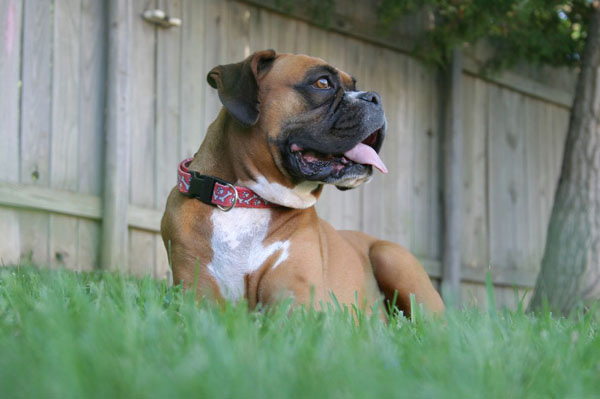
How to Stop Dogs From FightingFence fighting is frustrating. The first step to preventing fence fights from occurring is by installing a visual barrier along the fence line to prevent further fighting. Visual barriers help keep your dog below threshold, meaning you can teach him polite behaviors, such as “come when called.” Once your visual barrier is up, it’s important to begin teaching your dog polite behaviors immediately.

Associate Sounds with Treats

If your neighbor dog wears an ID tag, just the sound can trigger a fence fight. With repeated practice, your dog learns to follow the sound along the fence, beginning a new type of fence fighting. To nip this in the bud, bring your dog out in the yard on leash with lots of yummy treats. When your dog hears the neighbor dog’s ID tags jingle, give your dog a treat. You’re pairing good things with the jingle sound. Practice for a few days.

Manage

For the first two weeks, after a visual barrier has been set up, it’s important to walk your dog outside on leash. I know, this is not what you wanted to hear, but it’s so important to prevent further fence fighting and it’s much easier to put the time in now instead of starting all over again.

Teach “Come When Called”

Several times a day, while bringing your dog potty on a six-foot leash, practice “come” behaviors. Practice for a week using super yummy treats. If your neighbor’s dog distracts your dog, walk further away from that side of the fence. Now, using a long leash (10-15 feet), practice recalls. Until your dog reliably comes when called, it’s important to practice on leash and use super yummy treats.

RELATED: “Come When Called” Part 1: Intro

Talk to Your Neighbor

If all else fails, talk to your neighbor. I’m sure he or she is aware of the fence fighting situation too. Coordinate backyard times to prevent further issues. If your dog needs to potty and the neighbor dog is outside, bring her on leash.

READ ALSO: Fence Fighting Dogs – How to Stop the Madness

Filed Under: Behavior, Dogs, Training Tagged With: dog chases other dogs along fence, dog fights with another dog fence, dog runs along fence, fence fighting dog training, preventing fence fighting, stop fence fighting dogs

Fence Fighting Dogs: How to Stop the Madness

April 2, 2015 by Fanna Easter

How to Stop a Dog From Fence Fighting

Fence Fighting DogsFence fighting is so frustrating for both you and your dog. Yes, your dog too. You probably didn’t see that coming huh? Most pet owners assume dogs love fence fighting. While there may be a select few who do enjoy this type of exercise, for the most part, it’s extremely stressful for your dog.
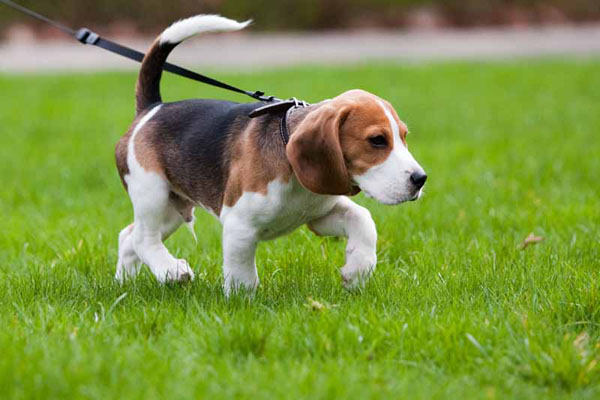
If this happens in your backyard, I have a few tips that can curb this behavior so you and your dog can enjoy your backyard again.

Why Dogs Fence Fight

When dogs actually engage and fight with another dog through a fence, it’s called fence fighting. Both dogs go back and forth along the fence line and squabble. Usually, dogs are able to see their opponent, which starts a fence fighting session. And if you’ve ever tried to break this up, you know it’s pretty impossible–your dog runs past or around you and it can go on for a long time (sigh).

The cause of fence fighting usually begins with fear and frustration. Your dog learns to really dislike the neighbor dog. Trust me, the more your dog practices fence fighting, the worse it’ll get so it’s important to stop the behavior. Dogs can and will injure themselves too. Most dogs can reach each other and cause harm so it’s important to address it now.

Now, some dogs will run along a fence line when they’re overstimulated by people walking nearby, birds, walking dogs or any other type of distraction. Fence running is different than fence fighting, as they’re dealing with their frustration by running along a fence line.

RELATED: Preventing Dogs From Fence Fighting

Should My Dog Meet the Neighbor Dog?

Nope, they may fight or become friends outside of the fence. When a fence is in between them again and they’ve practiced this behavior for a while, it’ll start right back up.

Visual Barrier

A solid privacy fence is worth its weight in gold! If your dog can’t see a neighbor dog, then fence fighting is less likely to happen. If your privacy fence has holes, I recommend fixing them to prevent further fights. For chain link fences that your dog has learned to peek through the slits of, you’ll need to put up a visual barrier.

About 80 percent to 90 percent of the time, a visual barrier will halt fence fighting in its tracts. In the past, I’ve used and recommended rolled felt or carpet as a visual barrier. You just roll it along the bottom of the fence fight line and zip strip it in place. For larger dogs, I recommend four-foot high felt or outdoor carpet and roll it on the inside of the fence (your side), making sure the carpet touches the ground and not grass to prevent any peepholes. Every two feet, I zip strip it tightly into place.

Now, it’s not the prettiest thing ever, but it wears well and doesn’t smell with repeated exposure to sun and rain. After practicing good fence behaviors, I can remove it after six months or so.

You may also like: Appropriate Puppy Play

Filed Under: Behavior, Dogs, Training Tagged With: dog runs along fence, fence fighting dogs, stop dog from running along fence, stop dogs fence fighting, visual barrier dog fence fighting

Shaping Dog Behavior

March 5, 2015 by Fanna Easter

Shaping Dog Training

You’re Getting Closer

Dog BehaviorShaping dog behavior is another extremely powerful way to teach polite manners. A teacher uses basic learning fundamentals for humans, dogs, cats, fish and snails so let’s discuss how dog owners can use shaping in dog training.

What is Shaping Dog Behavior?

Shaping means rewarding small approximations, or small steps, toward a goal behavior. When teaching complex behaviors that don’t occur naturally, shaping works wonderfully.

Think of shaping as the “hot and cold” game. When a learner is “warm,” you click and treat. When she is “cold,” the learner is ignored. In shaping dog training, reward “warm” behaviors often because we all know how discouraging it is after hearing “cold, cold, cold.” You want to quit, and it’s no longer fun.

Shaping Happens Everyday

If you want to increase the chances of your husband emptying the dishwasher, reward him with control of the remote afterwards. You don’t need to say anything. Just push the remote toward him when he enters the living room after tidying up in the kitchen. 🙂

Works at the Office Too

You can totally shape better behavior at the office. For grumpy co-workers, ignore or limit chit-chat when they’re complaining. Reward smiles and positive comments by engaging in conversations. If he should become grumpy again, disengage. Over time, you’ll notice a happier co-worker even if it’s only with you. 🙂

Bosses are different. We sometimes need to engage when they’re grumpy. Instead of grimacing or blankly staring back at your boss, try nodding often and offering direct eye contact. This will lighten the mood, as your boss is being acknowledged. When you notice the mood lighten even if slightly, smile. You may notice your boss smiling back even just a little toward the end of your conversation. 🙂

Shaping Dog Training Technique

When teaching a complex behavior, such as walking on a loose leash, spend some time figuring out what polite leash walking looks like.

Polite loose leash walking components:

  1. Leash is loose.
  2. Dog looks back at you (checks in regularly).
  3. Dog walks around within three to four feet of your legs/body.
  4. Your dog can easily ignore approaching dogs.
  5. Dog ignores approaching people.
  6. Now, she can ignore movement (bicycles, cars passing by, joggers passing you on walking trails, etc.).

That’s a lot of components, and learning all of these at the same time is like learning to ski or dance in an hour. It’s not going to happen. 🙂

Pick one component and practice during training sessions. Once your dog learns to keep a loose leash after three or four practice sessions, move onto the next component and practice. Now you’re clicking for when your dog looks back at you while keeping the leash loose.

Once your dog can do both at the same time, move to component three. If, at any time, your dog begins pulling on the leash, take a step back and work on “keeping leash loose.” It’s hard doing two things at once. Remember balancing and then squatting down on skis? If you lose your balance, take a step back and refresh.

Slowly add one component at a time until your dog walks politely on leash. Again, take one or two steps back, isolate the component your dog is struggling with, and refresh. Once she’s ready, try adding back the final behavior.

Don’t Get Overwhelmed

Shaping actually prevents that dreaded overwhelming feeling. Keep it simple, split tasks into smaller chunks and refresh often. When working on a complex project at work, you probably wrote high-level tasks in an outline, captured and categorized each task in an Excel sheet, and completed items by category–that’s shaping!

You may also like: Teach Your Dog How to Use a Ramp

Filed Under: Behavior, Clients, Training Tagged With: dog trainer tips, Dog Training Tips, how to shape a behavior, how to shape behavior, puppy training shaping, shaping dog behavior

How to Teach Your Dog to Focus

February 16, 2015 by Fanna Easter

Teaching Your Dog to Focus Around Distractions

How to Teach Your Dog to Focus
You’ll need lots of yummy treats to get started.

Once your dog reliably looks at you when she hears her name, it’s time to add distractions. This is the hard part because teaching a behavior is not easy. Now, it’s time to take it to the real world!

Introduce Distractions

You’ll need a clicker and lots of super yummy treats.

  • Practice indoors. Say your dog’s name when she’s looking at something random, such as a toy or the window. Click when she looks at you and toss the treat by your feet so she comes over to get it.
  • Outside, while on leash, practice for a few days.
  • After one to two weeks, bring yummy treats and your clicker in the backyard and practice. Squirrels and other dogs romping around are hard to resist so use yummy treats and attach her to a leash, if needed.

RELATED: Dog Training Treats

Problem Solving

When adding distractions, move slowly. If you’re a singer, just starting out, it would be tough to sing in front of a stadium full of people, right? Start slowly by singing in front of family, friends, small gatherings and such. This builds confidence and ensures you have a full understanding of expectations.

  • If your dog ignores the cue, recall her to you and reward profusely! Clip a leash to her collar and try again.
  • Distance is your friend: Practice 20 feet from other dogs and playing children, and slowly move toward the distractions over time.

Focusing at Dog Parks

This is a tough one and may take months to perfect, as dog parks are the mecca of distractions! 🙂 Again, this is equivalent to singing at Madison Square Garden. You must hone your craft before practicing it in front of the world. Personally, I’m not a fan of dog parks–too many rude dogs there. Anyhow, try:

  • Practicing outside about 20 feet from dog parks for a few sessions.
  • Slowly moving closer to the park. If your dog becomes distracted, back up and try again.

VIDEO: Teaching Your Dog Focus: Introducing Distractions

You may also like: Teaching a Dog “Look at Me”

Filed Under: Behavior, Dogs, Training Tagged With: how to train a dog, how to train a puppy, teaching your dog focus, teaching your dog look at me

Teaching a Dog “Look at Me:” Adding a Cue

February 16, 2015 by Fanna Easter

Train Your Dog to Look at You

Teaching a Dog to Look at Me
It’s time to add a cue!

Once your dog will look at you, instead of holding treats in your left hand, it’s time to move forward by adding a cue.

How to Add a Cue

It’s best and much quicker to add a cue to behavior after your dog understands what to do. Choose a cue meaning “look at me instead of everything else.” I suggest saying your dog’s name. The cue doesn’t really matter, as long as you use the same one each time.

  • Holding a treat in your left hand while the leash and clicker are in your right hand, move both hands away from your face. Basically, you’re increasing the distraction level.
  • As you move both hands away from you, say your dog’s name once. The moment she looks at you, click and give her the treat.
  • Keep practicing. Try moving your hands above your head, waist level and so on. Say your dog’s name once and wait for her to choose looking at you instead. It’s worth the wait. 🙂

RELATED: How to Train Your Dog Around Distractions

Problem Solving

If your dog ignores her name, wait for her to look at you. If she doesn’t look at you after three seconds, then she’s probably confused or really distracted.

  • Use super yummy treats. Remember, treats are your dog’s paycheck so the higher you pay, the faster your dog will learn.
  • Take a step back from distractions. You may have moved too quickly too soon. This is normal. Think about learning how to drive. It’s not fair expecting you to merge on a 16 lane highway packed with traffic during your second week of driver’s ed. 🙂
  • At times, your dog will sit and look around instead. Remember “sit” is usually your dog’s default behavior when confused. She’s thinking, “I don’t know what she wants so I’ll sit. That usually gets me treats.” Instead, wait her out. See if she will over something else, which is usually “look at me.” If, at anytime, your dog becomes confused, take a step back to “capturing look at me.”

VIDEO: Teaching a Dog “Look at Me:” Adding a Cue

You may also like: Teaching Your Dog Focus

Filed Under: Behavior, Dogs, Training Tagged With: how to train a dog, how to train a puppy, teaching a dog to look at you, teaching a puppy to focus on you

  • « Previous Page
  • 1
  • …
  • 22
  • 23
  • 24
  • 25
  • 26
  • …
  • 33
  • Next Page »

About

Dog Training Nation is a community of dog trainers, dog owners and dog lovers. Our mission is to provide trainers and owners valuable information to enrich dogs' lives. We cover a range of topics, from socializing puppies to dealing with aggressive dog behavior to selecting the best dog products. It is our hope you share our content to make the dog and owner world a better place.

​

Facebook

Video

Dog Training Nation is a dog training blog for pet owners and dog lovers. We cover a range of topics from puppy socialization tips to dog aggression to dog health. It is our hope you share our content to make the world a better place for dogs.

Dog Training Nation

Quick Links

Dog Training
Dog Behavior
Dog Training Videos
Become a Dog Trainer
About
Contact Us

Copyright © 2026 · Lifestyle Pro Theme on Genesis Framework · WordPress · Log in