Dog Training Nation

In Dogs We Trust

  • Home
  • Training
    • Dogs
    • Puppies
    • Clients
  • Behavior
    • Breeds
  • Health
  • Safety
  • Resources
    • Equipment
    • Books
  • Dog Training Videos
  • About
You are here: Home / Archives for Behavior

How to Stop a Dog From Digging

November 20, 2014 by Fanna Easter

Stop Your Dog From Digging

How to Stop a Dog From Digging
Save your backyard from your digging dog. irinafuks/Deposit Photos

Does your backyard resemble the moon’s landscape riddled with craters and holes? Well, I have some tips for keeping your dog from digging to the center of the Earth — I promise!

Why Do Dogs Dig?

  • Dogs were bred to dig:  While many folks believe this is a Terrier thing, I beg to differ. Pretty much all dogs like to dig, some more than others (hence Terriers). I would lump Dachshunds and many scent hounds in this digging group too.
  • Dogs smell vermin under the ground: This scent is mesmerizing to just about all dogs even that darling little Maltese with bows in her hair!
  • Dogs left outdoors, especially in the heat, will dig a hole to cool themselves off. To prevent this from happening, bring them indoors.
  • Bored dogs dig: If a dog is alone and bored in the backyard (and sometimes dig indoors too), he will entertain himself this way. And it’s usually digging up your petunias. 🙂 Instead, provide him with plenty of puzzle toys, or better yet, hire a pet sitter to bring him on a long walk.
  • Trying to escape or get to something: Prevent by never leaving a dog outside unattended. Cover a hole with dirt and secure fence lines, if needed. The more your dog practices digging out the yard, the better he will get at it so prevent. 🙂
  • Bury something: Sometimes dogs want to bury a bone or chew.
  • It’s fun! Who doesn’t love cool dirt running through your paws?

Pre-Dug Holes — Don’t Fill Them Yet!

Before filling holes dug by your dog, do one extra step and add poop in the hole first! Poop is a powerful deterrent for most dogs. Go ahead and try it. Add fecal chunks in the hole and let your dog out in the yard. You’ll notice his disgust once he notices what’s in the hole and he’ll meander away — bingo! Leaving poop in the hole, even if filling with dirt, will continue to deter your dog from digging in that spot again.

Now, if your dog enjoys eating stool, you just made him a buffet! Instead, add several large rocks in the hole, then cover with dirt.

Digging Pit

Actually, this idea works really really well! Dogs will dig so it’s best to teach them where they are allowed to dig and to their heart’s content!

Fill a plastic swimming pool

Place in a shady spot and fill with dirt. When choosing dirt, choose regular dirt or sand. Stay away from potting soil, which can contain chemicals. Bury toys, treats and bits of kibble within the layers of dirt and turn your dog loose. Cheer him on while he’s digging. This is very rewarding (who doesn’t love his own cheering section?).

Section off a small part of yard

Choose a shady area (who wants to dig in the heat?). 🙂 Till or shovel the digging pit area, which exposes and loosens the dirt, making digging easier and fun. While your dog watches, hide treats, chews or kibble within the loose dirt. Several times a week, hide treats in your dog’s new digging pit and cheer him on while he’s digging in his new spot.

Indoor Digging Area

Find a large box, then cut a side hole so your dog can easily enter and exit the box. Now fill the box with old towels and newspaper, then scatter treats within the layers. Turn your dog loose, show him the hole and now he has a digging pit! If he’s not sure about entering the hole, scatter a few treats next to the outside and inside entrance.

Does your dog love to dig? Mine sure does!
Filed Under: Behavior, Dogs, Training Tagged With: digging, digging dog, dog training digging, Dog Training Tips, how to create a digging pit for your dog, how to get your dog to stop digging, how to stop by dog from digging, my dog digs, prevent dog from digging, stop dogs from digging in yard, why does my dog dig

Why Do Dogs Eat Poop?

November 20, 2014 by Fanna Easter

How to Stop a Dog From Eating PoopDog Eating Poop

Before you’re completely grossed out by this topic, do know it’s quite common. When discussing this topic during Puppy and Basic Manner group classes, usually 50% of enrolled dogs have or had this issue. This issue can be fixed. However, it takes some trial and error to find out which solution works for your dogs.

Coprophagia is the technical term for stool eating and is usually due to a poor diet. Even dogs that have super healthy diets eat poop.

  • Dogs smell undigested food, such as rawhide bits and undigested supplements, in stool.
  • Some dogs lack digestive enzymes that break down their food. If a dog is unable to digest his food properly, he possesses ravenous appetites, which can include stool eating. Usually, these puppies or dogs are thin even though they eat a tremendous amount of food. Always rule this out with your vet.
  • Diet lacking essential vitamins, minerals and probiotics. In this case, upgrade to a high quality diet, which fills these needs.

How to Stop Coprophagia


100% effective way to prevent stool eating: pick up immediately after each dog poops.


Is This a Behavioral Issue?

For 90% of the dog population, I would say it’s not a behavioral issue. Changing a dog’s diet, including adding taste deterrents, probiotics, digestive enzymes or upgrading to premium dog food usually stops the issue. For persistent coprophagia, immediately picking up fecal matter prevents this behavior from being practiced. Over time, when a behavior is not practiced, it extinguishes (goes away on its own). For some dogs, this may be behavioral, especially if they’re lacking mental and physical exercise.

Don’t feel alone. We’ve all been there. 🙂

Filed Under: Behavior, Dogs, Training Tagged With: coprophagia, dog eating feces, how to stop by dog from eating their stool, how to stop dog from eating poop home remedies stop coprophagia dog eating feces meat tenderizer how to stop dog from eating poop pineapple, my dog eats poop, stop dog from eating poop, tips to stop a dog from eating poop, why do dogs eat poop, why do puppies eat poop

Supplements for Anxiety in Dogs

October 30, 2014 by Fanna Easter

Anxiety Medication for Dogs

Ways to Reduce Your Dog's Anxiety
Supplements can decrease anxiety.

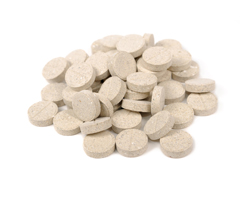
Could supplements decrease anxiety in canines? Research is catching up and, so far, there’s mixed results. Is it still worth a try? Most certainly! I’m not a veterinarian, but I’m a dog trainer who has worked with many dogs dealing with anxiety. Personally, I’ve seen significant decreases in anxiety with certain supplements in both dogs and myself. Read on for my product recommendations!

What is Anxiety?

Anxiety is a feeling of worry, uneasiness and sometimes panic when anticipating an event or outcome. Usually, anxiety develops after exposure to a fearful event. It could be a single or multi-event exposure that triggers anxiety. Let’s break this down even further with examples.

  1. Dog A meets Dog B for the first time.
  2. Dog B attacks and causes harm to Dog A.
  3. Dog A learns that dogs can be unpredictable (can happen in a single event).
  4. Dog A becomes anxious when he sees other dogs. He thinks all dogs will attack/cause him harm.

Personally, I’m afraid of clowns. As a small child, a clown picked me up at a parade, and to this day I become very anxious around clowns. I don’t want them to touch me! 🙂

Supplements for Anxiety

Can supplements cure anxiety? A supplement will not cure anxiety. It can minimize it so a dog can learn how to cope with anxiety, but it will not stop anxiety in its tracks. When dealing with anxiety, it’s important to use a holistic approach, which means looking at the whole dog. It’s best to pair supplements with additional modalities, such as soft music, Thundershirt, aromatherapy, DAP Calming Spray and massage for maximum benefits.

There are thousands of supplements to choose from, however, I’ll narrow down by discussing supplements I’ve recommended and used to reduce anxiety.

Before beginning any type of supplement, always discuss with your veterinarian first.

L-theanine

An essential amino acid that promotes concentration and calmness, and does not cause drowsiness. While this supplement promotes calmness, it can cause hyperactivity in excessive amounts so always partner with your vet before beginning any supplementation. Dosage depends on size of dog and anxiety level, and usually takes 1-4 weeks to notice a difference. Personally, I’ve used this supplement and noticed an immediate decrease in stress and anxiety.

Sources: Anxitane by Virbac, Composure by VetriScience. I’ve used both brands with great results!

Melatonin

A hormone that promotes sleep and relaxation. I’ve successfully used melatonin to prevent anxious reactions to thunderstorms, fireworks and when traveling with dogs. Before a storm or fireworks, I recommend hiding a melatonin pill in a glob of peanut butter before giving to your dog. Then, immediately pair with soft music, Thundershirt and/or massage. In the beginning, it’s probably best to use a combination approach, and once your dog learns positive calming associations with soft music, Thundershirt and massage, they will learn to calm themselves quickly.

Dosage:

  • 1 mg for dogs under 30 pounds
  • 3 mgs for dogs between 3-100 pounds

A few cautious words worth repeating:

  • Keep your dog away from the trigger that causes his anxiety (this is vital). Read why here and here.
  • Partner with your vet for dosage recommendations.
  • Give supplements daily for best results.
  • Pair with other calming modalities.
  • Watch for side effects (everything has side effects). Note anything unusual when it happens and what caused it to happen and discuss with your vet.
  • Purchase supplements from a reputable source.
  • More is not better. Follow dosage for your dog.
  • If no improvement within 2 months or anxiety worsens, seek help from a professional dog trainer and/or a qualified Animal Behaviorist  (inform your vet too!).

VIDEO: Anxious Dog Supplements

What are your results with supplements targeted to reduce anxiety in dogs? Let’s share so we are better informed.

Filed Under: Behavior Tagged With: anxiety in dogs, anxiety small dogs, anxiety treatment dogs, anxitane virbac review, calming product for dogs review, calming products for dogs, composure vetriscience review, dog behavior, dog health, dog health information, dog supplements for anxiety, l theanine for dogs, melatonin dogs, natural supplements for anxiety in dogs, separation anxiety, stress in dogs

Dealing With Learned Helplessness In Dogs

October 29, 2014 by Fanna Easter

Learned Helplessness

Shut Down Dogs
crazybboy/Adobe Stock

Learned helplessness is the condition where a dog has been repeatedly exposed to a scary stimulus and has learned he no longer has control over the adverse situation. The dog shuts down and becomes helpless, knowing he can’t change the outcome.

Dogs can shut down during group dog training classes, private lessons and even puppy playtime. As your dog’s voice, you should learn what causes dogs to shut down and how to prevent it.

What is Learned Helplessness?

Dogs either fight or flight when they encounter a scary trigger. However, there’s a new response I’m seeing more and more of during my dog training sessions. It’s freeze or shut down. Dogs that have learned to become helpless basically giving up, flop over, and hope the scary trigger goes away and doesn’t hurt them.

[perfectpullquote align=”full” cite=”” link=”” color=”” class=”” size=””]People see the dog giving up and mistakenly assume the dog has learned to stay still or behave. Oh, but it’s far from it.[/perfectpullquote]

Can you imagine being so scared, your entire body shuts down, you go limp, you roll over and you wish with everything you have that the scary thing would leave you alone? Wow. That’s terrible right!?

Well, I’m seeing an increasing amount of learned helplessness in dogs introduced to scary triggers. Many times, dogs shut down at the vet’s office, on a groomer’s table, or during class because they’re so confused or scared that they simply give up. People see the dog giving up and mistakenly assume the dog has learned to stay still or behave. Oh, but it’s far from it. The dog was pushed way too far.

What Does a Shut Down Dog Look Like?

When dogs shut down, they usually become frustrated and display calming and appeasement signals. Dogs will usually begin with subtle versions of calming signals to indicate they’re confused and scared. If the scary stimulus continues, their calming signals become more apparent, such as an increase in panting, salivation and sometimes vocalization. You may also notice their:

  • Tails tucked between their legs
  • Ears pinned back against their head
  • Body weight shrinks backwards
  • Bodies flop on the floor and become very still

What Causes Learned Helplessness in Dogs?

Any number of triggers can cause a dog to shut down, including:

  • Loud echo
  • Sound of a clicker
  • Other dogs being too close
  • Strange smell (we may never discover this one)
  • Chronic anxiety caused from past experiences during dog training
  • Combination of triggers

Shutting Down vs. Learning a Incompatible Behavior

Let’s be crystal clear here. There’s a major difference between shutting down and learning an incompatible behavior—huge difference. Teaching an incompatible behavior means teaching a dog to sit instead of jump or target your hand instead of pulling on a leash.

The dog has a choice in this situation, and is a willing participant in the learning process. Shutting down means the dog is not a willing participant in the learning process, and is so confused he gives up and flops on the floor wishing you (or whatever the stimulus causing him to shut down) goes away.

How to Prevent Dogs From Shutting Down

Whether you’re a dog trainer or dog owner, it’s so important to become fluent in dog body language and notice the nuances before the dog becomes stressed. The moment you notice your dog is stressed by a trigger, look at your dog’s environment for the trigger. What is causing your dog to stress out? Once you identify it, remove it.

If a dog is stressed with another dog too close, ask the other dog to move away from the stressed dog. If the trigger is a loud sound, move the scared dog further away from the sound or use visual barriers to calm a stressed dog.

While some stress is a good thing and is actually needed during the learning process, we’re talking about beyond normal stress levels that border into anxiety here. When you’re stressed or anxious, you can’t learn. It’s impossible. Think about it: If you’re scared of spiders and I hold a tarantula about 3 feet from you while teaching you how to recite Shakespeare, would you remember a word I said? Bingo, that’s the feeling right before you shut down. 🙂

If Your Dog Doesn’t Recover

If a stressed dog becomes even more frantic when triggers are removed, take your dog outside for a walk or remove him from the situation. Then, try to identify exactly what caused him to shut down.

If you’re a dog trainer, ask the owner to step outside the session with her dog and come back to watch until the session ends. Afterwards, ask the owner to list out any known triggers that cause anxiety and begin a simple desensitization program for each trigger. Begin slowly and remember desensitization always works. If it’s not working, it’s not being done right, so take a deeper look at the process. When in doubt, split a behavior, which means make it even simpler.

If, at anytime, a dog becomes worse or does not improve, I recommend partnering with a qualified animal behaviorist.

How do you prevent a dog from shutting down? I want to hear from you. 🙂

Related Posts: How to Train Fearful Dogs

Filed Under: Behavior, Clients, Training Tagged With: best dog trainer tips, dog behavior, dog trainer, dog trainer's corner, fearful dogs, how to train a scared dog, my dog is scared, shut down dogs, top dog trainer tips, training a fearful dog, training scared dogs

Therapy Dog Training

September 25, 2014 by Fanna Easter

Therapy DogsHow to Become a Healing Team

There is nothing more beautiful than watching a therapy dog visit a group of people. Therapy dogs almost have a sixth sense. They can single out the exact person who desperately needs attention on that day. If you’ve been privileged enough to hold the leash of a therapy dog, you know the “therapy dog sixth sense” I’m speaking about.

My first Bouvier des Flandres, Mekare, was a gifted therapy dog. She had a fondness for people who barricaded themselves from life. She would find them sitting alone in the corner and win them over with her soulful eyes. When she looked at her “selected” person, something magical happened. I could feel it. No one ever resisted her, and even the most stubborn patient learned how to use his hands again by brushing her long beard. Mekare was called many times for “shut down” patients and she worked her magic every time!

If you would like to follow this unbelievably rewarding path, I’ve got a few suggestions for you.

Your Dog Must Love People

Dogs that move people will seek attention, sit really close and look lovingly into someone’s eyes.

Train Your Dog

Train, train and train. Enroll in several group classes.

  • You and your dog need to learn how to walk through a crowded room, ignore loud sounds and wait patiently in the lobby.
  • Your dog should learn how to walk nicely on leash, ignoring items on the ground, sit and stay on cue, come when called and enjoy body handling and brushing.
  • You will learn how to approach a person, what to say and handle stressful situations.

Pass the AKC Canine Good Citizen Class

Next, take and pass the AKC Canine Good Citizen Class (CGC) together. The CGC is a wonderful standard and is often required by most facilities for polite dogs in different situations.

Get Certified

Take and pass a certification with Therapy Dogs International or Delta Society Pet Partners. Both of these organizations offer additional testing, support and liability insurance (a must have!).

Mekare and I joined Delta Society Pet Partners and the support was fantastic! They provided a list of facilities looking for therapy dogs so we got started quickly. If you and your dog love people, take it to the next step and become a therapy dog team. You will be rewarded with wonderful memories for a lifetime.

You may also like: Service Dog Certification

Filed Under: Behavior Tagged With: bringing dogs into nursing homes, certify therapy dogs, delta society, how to train a therapy dog, therapy animals, therapy dog certifications, therapy dog international, therapy dog tips, therapy dog training, therapy dogs for anxiety, therapy dogs in schools, train your dog therapy dog

  • « Previous Page
  • 1
  • …
  • 27
  • 28
  • 29
  • 30
  • 31
  • …
  • 33
  • Next Page »

About

Dog Training Nation is a community of dog trainers, dog owners and dog lovers. Our mission is to provide trainers and owners valuable information to enrich dogs' lives. We cover a range of topics, from socializing puppies to dealing with aggressive dog behavior to selecting the best dog products. It is our hope you share our content to make the dog and owner world a better place.

​

Facebook

Video

Dog Training Nation is a dog training blog for pet owners and dog lovers. We cover a range of topics from puppy socialization tips to dog aggression to dog health. It is our hope you share our content to make the world a better place for dogs.

Dog Training Nation

Quick Links

Dog Training
Dog Behavior
Dog Training Videos
Become a Dog Trainer
About
Contact Us

Copyright © 2026 · Lifestyle Pro Theme on Genesis Framework · WordPress · Log in