Dog Training Nation

In Dogs We Trust

  • Home
  • Training
    • Dogs
    • Puppies
    • Clients
  • Behavior
    • Breeds
  • Health
  • Safety
  • Resources
    • Equipment
    • Books
  • Dog Training Videos
  • About
You are here: Home / Archives for Safety

Dogs Die in Hot Cars

August 20, 2015 by Fanna Easter

Dogs Left in Hot Cars: We’re Everywhere & Watching You!
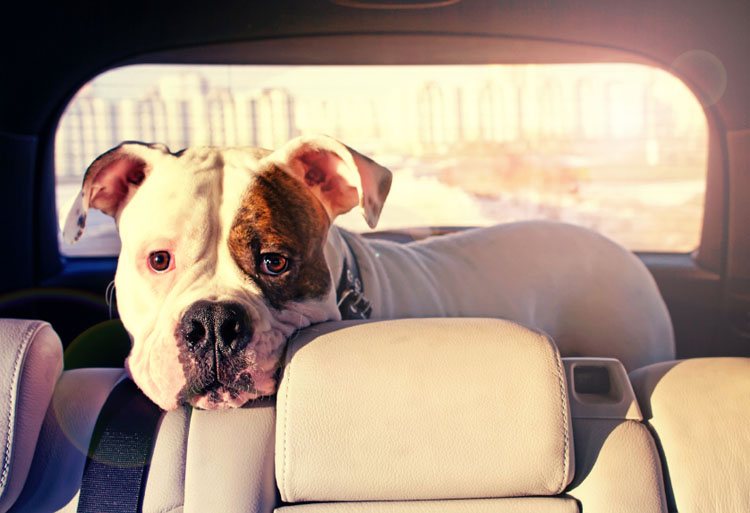
Dogs Die in Hot Cars
rezkrr/Deposit Photos

There’s an angry movement popping up in your neighborhood. It’s happening right this moment and you need to be very concerned. Don’t look away. You need to understand the consequences of leaving your dog in a hot car. Be prepared for a broken car window and confrontation with a concerned pet owner. You’ve been warned.

Why You Need to Stop Leaving Dogs in Hot Cars

It’s Cruel and Illegal

When the thought of leaving your dog in a warm or hot car pops in your brain, don’t do it. Don’t convince yourself you’ll only be a few minutes. We both know this is not true. Besides, cars can heat up within seconds. If you do decide to leave your pet, concerned pet owners will be standing right there dialing 911 because what you’ve committed is cruelty and illegal in 17 states and counting.

Never leave your dog in a hot car–not even for a second. Take an extra few minutes to drive your dog home or have a friend sit inside the car with your dog while the car is turned on and the AC is blowing.

Don’t Be Surprised If Your Car Window Breaks

Leaving any living being in a hot car while you run to fill-in-the-blank is cruelty. There’s no excuse that will rectify the situation. If your car window is broken because a concerned pet owner wanted to save your distressed pet from dying in your hot car, it’s your fault. You should’ve never caused this situation. This is not the concerned pet owner’s fault who simply noticed your panting dog locked in a warm car while you were walking toward the grocery store.

Trust me, we as pet lovers don’t relish in stumbling across a distressed dog. It’s gut-wrenching to see a dog suffer. So, when we see dogs in hot cars, we take a stand against this horrible act. Leaving dogs in hot cars needs to stop now.

What Caused This Movement?

Concerned pet owners have had enough. Countless dogs die every day due to foolish decisions made by humans. Concerned pet lovers are tired of it and finally taking a stand. Yes, we shop at your grocery store, eat at your restaurants and visit your local malls, and we will make a scene if your dog is locked in your car.

You can’t say you didn’t know about dogs dying in hot cars. Social media and daily news programs beg you to keep dogs at home during extreme temperatures. Celebrities have locked themselves in hot cars and documented their tortuous experience to raise awareness. Millions of pamphlets are distributed on car windshields and PSAs flood Facebook and Twitter feeds every day, and yet it still happens.

If you do this, don’t be surprised when you’re paged in the grocery store or return back to a mob of concerned pet lovers trying to free your dog. Don’t put the blame on anyone else. This happened because of the choice you as the suffering dog’s owner made. Save the victim act for the police. It’s your fault and you were caught.

Why Am I Angry?

I’m infuriated because people still choose to leave their dogs in hot cars at an alarming rate. Just this weekend, three dog-loving friends made a stand at their local shopping centers where they found dogs sitting in hot cars. In each instance, these concerned pet-loving citizens were met with hostility from returning dog owners who mumbled ridiculous excuses.

I’m dumbfounded that the dog owners who made these horrible decisions lash out verbally and sometimes physically toward citizens taking a stand. Is it because you’re embarrassed? You should be. Trust me, concerned pet owners will stand there and watch you make a total fool of yourself while dialing 911. We’re not scared. We’re taking a stand.

As for dog owners throwing out phrases like “Everyone is offended nowadays,” it’s not that. Concerned dog owners are not offended when we see dogs left in hot cars; we’re beyond even angry. Offended and angry are two different worlds. We’re way past insulted. We’re downright furious, which means we will take a stand. So save that excuse for the police because they are on the way.

You may also like: 11 Common Questions Dog Trainers Are Asked

Filed Under: Clients, Safety, Training Tagged With: car gets hot, dog left in car on hot day, dog left in hot car dies, dog left in hot car law, dog training, Dog Training Tips, dogs in hot cars, how to teach a dog, how to train a dog, leaving dog in hot car, never leave dog in hot car, teach a dog, train a dog

Dog Alert Wallet Cards and Stickers are a Must

August 17, 2015 by Fanna Easter

Why You Need Dog Alert Wallet Cards and Dog Rescue Stickers

Dog Emergency Cards
Mustang_79/iStock

Yes, emergencies happen and they’re scary. Personally, it’s my worst nightmare. Take a moment and ensure your pets are taken care of if something should happen to you or your home. By alerting officials with pet alert wallet cards and stickers, you’re ensuring family members and friends are contacted quickly.

ICE (In Case of Emergency): “My Dog Is Home Alone” Wallet Cards

While cruising through Facebook, a fellow dog trainer shared this wonderful idea: it’s a wallet-sized card asking emergency officials to contact family members and friends listed on the back of the card. What a great idea!

You can certainly purchase these cards online, which fit perfectly behind your driver’s license. Also, pre-made options offer laminated bright-colored key tags that alert officials to contact someone to check on your pets.

How to Create a Dog Alert Wallet Card

If you’re crafty and have access to a high quality printer, you can easily create your own. Definitely use bright primary colors to instantly make it clear it’s some type of medical alert card.

Front of Card

Across the front, clearly label “My Dog is Home Alone” in large font and add “If I’m Ill or Injured, Please Contact Someone on Back of Card to Care for My Dog.”

Back of Card

Neatly type at least two to three full names and cell phone numbers of local family and friends who live near your home. This way, it increases the chance of emergency officials speaking to someone. Also, laminating cards and key holders ensure they hold up to everyday life.

RELATED: Leaving Your Dog Home Alone Tips

Dog Inside Home Stickers

This dog rescue sticker informs emergency responders dogs are in your home and need to be rescued. List the number of dogs you have, so officials can safely rescue them all. It’s best to post these stickers near common entrances (front and back) and on doors and windows. There are many different versions of pet rescue stickers available online.

Make sure you remove the sticker when you move out. If you bring home a new dog or lose one, note that on the sticker immediately. It also doesn’t hurt to replace it often with a current date noted, so first responders are aware the sticker is up-to-date.

How to Create Dog Rescue Stickers

Red and yellow colors are most commonly used to alert officials about immediate medical needs, so I recommend using these easily recognizable colors in your design. Laminating will protect DIY rescue signs from harsh elements and can easily be taped near entrances.

Ounce of Prevention

During fall and spring, it’s best to replace all batteries in smoke detectors. Partner with neighbors to rally for your dogs and insist they’re rescued. Don’t forget to also keep your will updated with plans for your dogs.

Regardless if you create or purchase these dog emergency cards and rescue stickers, take a moment and ensure your pets are safe when you’re not home. With that, I most certainly hope these items are never needed. 🙂

READ NEXT: Pet First Aid Phone App Reviews

Filed Under: Clients, Resources, Safety, Training Tagged With: dog home alone wallet card, dog training, Dog Training Tips, how to teach a dog, how to train a dog, pet alert cards, pet alert key cards, pet alert stickers, pets inside sticker, rescue my pet sticker, save my pet card, save my pet sign, save my pet sticker, teach a dog, train a dog

4 Tips for Traveling With Dogs

August 4, 2015 by Fanna Easter

Traveling With Your Dog

Traveling With Dogs
lilu13/iStock

While summer was fashionably late this year, she showed up scorching hot and full of humidity! Traveling during extreme temperatures can be downright dangerous, especially with dogs. Take a few minutes to prepare. Just like preparing for road trips during the winter, you’ll need some essentials before heading out for summer fun.

Must Have Air Conditioner

Yes, keep your air conditioner blowing. Dogs have a built-in fur coat and need access to cool air to prevent heat exhaustion. Even if a dog’s coat has been shaved short, he still needs access to cool air. Dogs cool themselves differently. Humans sweat when hot while dogs pant, making it a bit harder to cool during extreme heat. Never travel with your dogs in the back of a truck during summer–it’s just too hot. Hot air blowing is still hot, so keep your dog inside where he’ll be safe and cool.

Bring Frozen Goodies in a Cooler

Pack a cooler with frozen water jugs and food stuffed toys topped off with ice. As water jugs defrost, offer your dog cool water every two to three hours. Also, you can purchase Kool Koats and soak them in water to wrap around your dog during extreme heat. Better yet, place them in your dog’s crate, so he can lie on them as needed. I keep my dogs’ Kool Koats in the cooler, so they’re accessible whenever I need them.

Traveling dogs need something to do, so give them a frozen peanut butter toy to enjoy while the family cools down with ice cream cones. For best results, freeze toys overnight before traveling, so they last awhile.

RELATED: Interactive Dog Toys for Car Rides

Travel Early

Temperatures are obviously lower in the early morning, so heading out before the sun comes up will help beat the heat. Plus, your vehicle has a chance to cool completely, which is easier to maintain since heat builds throughout the day.

While traveling late in the evening is a cooler option, it seems to be much cooler during early morning hours. Although traveling at 9 pm is much cooler than noon! When possible, plan to travel during cooler temperatures.

If Stuck in Traffic

It happens and it’s so frustrating, especially when it’s 103 degrees outside. It’s like your vehicle’s air conditioner just can’t keep up. Everyone becomes really grouchy and your dog starts to pant–take quick action. Give your dog cool water and a frozen toy. It probably won’t hurt to toss his Kool Koat in his crate, so he can lie on it to cool himself down. Worse case scenario when it becomes really hot, pour cool water from the cooler over your dog’s body until traffic gets moving again.

Stay cool this summer!

Filed Under: Clients, Safety, Training Tagged With: best dog travel tips, dog training, Dog Training Tips, how to teach a dog, how to train a dog, road trips with dogs, summer road trips with dogs, summer travel tips dogs, summer travel tips puppy, summer travel with pets, teach a dog, train a dog, traveling with dogs hot, traveling with dogs summer

Leaving Your Dog Home Alone Tips

July 28, 2015 by Fanna Easter

Tips for Leaving Your Dog Home Alone

Leaving Your Dog Home Alone
pitrs10/Deposit Photos

Unlike teenagers, there isn’t a specific age that marks home alone freedom for dogs. It’s more about their behavior. Usually, most dogs have learned to potty outdoors and chew on their toys instead of yours around two years of age. Some dogs learn sooner while others learn later. Plus, staying home alone should be taught and not assumed, so set your dog up for success before handing out privileges.

Potty Train Your Dog

Yes, your dog definitely needs to be potty trained first. Complete freedom in your home is earned once your dog understands to potty outdoors and not in your home. Never leave your dog home alone for long periods of time unless he knows how to use a dog door, or someone is available to bring him outdoors to relieve himself. Dogs should not be expected to hold it for eight hours–that’s a long time.

If you notice potty accidents inside your home during the home alone trial, your dog is not ready for unlimited freedom yet. Take a few steps back and focus on potty training. Once your dog is potty accident-free for two months, you’re ready to try it again.

Train Your Dog to Chew on His Toys

Chewing should be a distant memory. Your dog should enjoy chewing on his toys rather than molding or walls. If your dog has usually enjoyed plenty of time loose in the house with you and he’s learned to ignore toilet paper, shoes, rugs or anything else enticing, then maybe he’s ready to enter a trial phase.

To set your dog up for success, remove enticing items and put them away. Now, bring out your dog’s toys, so he’ll have plenty of options to entertain and keep himself busy.

Start in a Small Space First

If potty accidents are non-existent and chewing is a thing of the past, then it’s time to try leaving your dog home alone for a short period of time. Instead of allowing free rein of the house, start small and gate off small areas in the beginning.

Usually, the living room is an excellent starting place, as your dog usually spends most evenings chilling with the family. Block off doorways with secure gates. Don’t forget to close bedroom and bathroom doors, then scatter toys about in his space and leave a few frozen food stuffed toys to keep him busy. If your dog barks or goes berserk when looking through windows, close curtains and blinds, put up a barrier to keep him from pushing window treatments sideways, and gate rooms with windows.

After several successful attempts, move gates back and try a larger area. Repeat weekly until your dog is completely comfortable with freedom throughout the house. Some dogs get a bit freaked out with too much freedom too fast, so move slowly and at your dog’s pace.

Leave Your Dog Alone for Short Periods

Try leaving your dog indoors alone while you’re mowing the grass or working in the yard. You’re still around and can check in frequently. If all goes well for a week, try leaving him alone while running short errands (one to two hours long). Slowly extend alone time by 30-minute increments.

For best results, bring your dog for a long walk before you leave. This ensures he snoozes while you’re gone. Don’t forget to scatter frozen stuffed toys throughout the area. He’ll stay busy for hours and likely leave your furniture and molding alone. 🙂

Avoid Leaving Two Dogs Home Alone

Oh, this is a tough one for me. As a dog trainer, I’ve heard horror stories. I don’t want to scare you, but proceed with caution. I know dogs that have lived together and stayed home alone for years without incident until a severe thunderstorm rolled in and caused a scared dog to fatally injure his housemate. Also, there’s this nasty little thing called redirected aggression that happens between dogs when something exciting is going on, such as the ringing of doorbells. Personally, I don’t recommend leaving two dogs alone all day. If so, at least separate them with gates.

Understand Mistakes Happen

Just when all is going well, you’ll come home to a toilet paper party in the bathroom. Or you’ll find potty accidents hidden in certain rooms. If this happens, go back to confining your dog when you leave. It’s not his fault. You may have moved too fast too soon. It’s not forever. You’re spending time teaching your dog to ignore the delightfully dangling toilet paper sheet and to potty outdoors again. If all goes well, it’s time to try it again. Or, if you’re like me, I never leave my dogs loose indoors while away. I put them in their dog crates where they happily snore away. Just move slowly and set your dog up for success!

Filed Under: Dogs, Safety, Training Tagged With: dog alone at home, dog training, Dog Training Tips, how to teach a dog, how to train a dog, leaving dog home alone 8 hours, leaving dog home alone all day, leaving dog home alone while at work, leaving your dog home alone, leaving your dog home alone first time, leaving your puppy home alone, multiple dogs home alone, teach a dog, tips leaving dog home alone, train a dog, two dogs home alone

How to Safely Lift and Hold a Small Dog

June 30, 2015 by Fanna Easter

The Right Way to Lift and Hold a Small Dog

How to Hold a Small Dog
gpointstudio/iStock

Believe it or not, there is a safe way to pick up and hold a small dog. Knowing how to properly lift and hold your dog is not only safe for her, but for you too. The key is supporting a dog’s chest and rear at all times, which distributes weight evenly and keeps a dog and your back pain free.

Please take a moment and teach your children how to safely lift and hold a small dog. This prevents small dogs from being dropped on the ground and getting injured.

How to Pick Up a Small Dog

Squat down, place your dominant arm behind your dog’s back legs and place your non-dominant hand around her chest. As you’re lifting her up, her front and back legs will fold together a bit so her body is resting in your arms.

As you slowly pick her up and stand up, bring her body toward your chest to provide extra support for her body while securing her with your arms and removing excessive strain from your lower back.

Never pick up a dog by grasping under her front legs and lifting (like a small child). This is painful. Also, never pick up a puppy or dog by her scruff. It’s cruel and will cause irreparable damage. Just because puppies are carried around by their mothers in this manner, it does not give us a license to follow suit. We’re not dogs, so we should use our human arms and hands to support dogs.

WATCH: Safely Picking Up Small Dogs

How to Properly Hold a Dog

Depending on your dog’s size, weight and body length, safely hold your dog with one or two arms.

Holding a Dog With One Arm

After picking up your dog, stand still and move her body under your dominant arm (if you’re right-handed, you probably have more strength in your right arm). Now, take your dominant hand and place it under your dog’s chest (between her front legs) while securing her rear end between your side and arm. Now, you can safely carry your dog anywhere.

Now, you and your dog are facing the same way, which prevents your dog from being distracted by things going on behind or on the side of you. Plus, your other arm is free to grab your purse, hold treats, close doors or whatever else is needed.

WATCH: How to Hold a Small Dog With One Arm

Holding a Dog With Two Arms

For longer or heavier dogs, holding and supporting with two arms is beneficial. Place one arm around your dog’s chest and the other arm around her rear end. Using two arms works best for people with injured backs, especially lower back issues. Always keep both arms securely holding both ends of your dog.

Never allow a dog’s rear end to dangle unsecured. It’s extremely uncomfortable for your dog. She’ll most likely wiggle and scratch to get away, and fall down. Plus, securing both the front of her body and rear end keeps back and shoulder pressure to a minimum.

WATCH: How to Hold a Dog With Two Arms

 You may also like: My Dog Won’t Let Me Pick Him Up: Try This Tip!

Filed Under: Safety Tagged With: how to carry a small dog, how to hold a dog, how to hold a small dog, how to lift a dog, how to pick up a dog, how to properly hold a dog, how to properly lift a dog, how to safely hold a dog

  • « Previous Page
  • 1
  • …
  • 11
  • 12
  • 13
  • 14
  • 15
  • …
  • 17
  • Next Page »

About

Dog Training Nation is a community of dog trainers, dog owners and dog lovers. Our mission is to provide trainers and owners valuable information to enrich dogs' lives. We cover a range of topics, from socializing puppies to dealing with aggressive dog behavior to selecting the best dog products. It is our hope you share our content to make the dog and owner world a better place.

​

Facebook

Video

Dog Training Nation is a dog training blog for pet owners and dog lovers. We cover a range of topics from puppy socialization tips to dog aggression to dog health. It is our hope you share our content to make the world a better place for dogs.

Dog Training Nation

Quick Links

Dog Training
Dog Behavior
Dog Training Videos
Become a Dog Trainer
About
Contact Us

Copyright © 2026 · Lifestyle Pro Theme on Genesis Framework · WordPress · Log in