Dog Training Nation

In Dogs We Trust

  • Home
  • Training
    • Dogs
    • Puppies
    • Clients
  • Behavior
    • Breeds
  • Health
  • Safety
  • Resources
    • Equipment
    • Books
  • Dog Training Videos
  • About
You are here: Home / Archives for Safety

How to Puppy-Proof Your Christmas Tree
November 20, 2014 by Fanna Easter

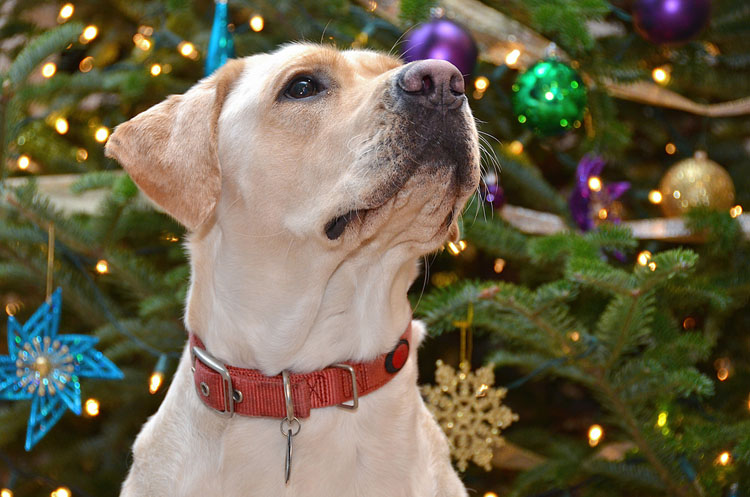
Puppy-Proof Your Christmas Tree

Puppy-Proof Your Christmas Tree
jentara/Deposit Photos

Can Christmas trees and puppies co-exist? Yes, they can live peacefully together!

Take a few moments to puppy-proof your Christmas tree and you’ll keep everyone safe and still have a beautifully decorated and lit tree. 🙂


 When in doubt, confine puppies when left alone.


Christmas Tree Location

Height

If you have a young puppy, I would recommend a four-foot tree placed on a three-foot side table covered with a holiday-themed cloth. Trust me, when having young puppies (six months and younger), it’s just not worth your time preventing puppy face plants at the bottom of a tree.

For taller trees and wildly running dogs, I would secure the middle/top of the tree to the wall. For security, choose a location that prevents visibility of the “tie down,” such as the wall behind the tree. I’ve used command mini hooks, which are strong, yet easily removed, and won’t leave wall marks.

Location

Place your tree in a low traffic area to keep decorations safely in place from romping puppies. I recommend choosing a corner or at least a location with one wall on the side or behind the tree. This provides a safe barrier to hide presents later.

Christmas Lights

Push light wires deep inside tree branches. Also, hide plugs behind the tree or place a barrier over the main outlets. If this is not an option, place lights so the main electrical strip is three to four feet from the ground or higher, depending on the size of your dog. Place the main electrical strip on a side table away from the floor.

Other Decorations

While puppy-proofing your Christmas tree is important, you may have other decorations you need to protect from your puppy. Here’s where things can quickly get crazy!

  • Refrain from using any glass or easily breakable ornaments. They now create plastic ornaments with the shine or gloss of glass.
  • Keep food off the tree. This means candy canes, popcorn, cranberries and so on. Instead, choose plastic candy canes or fill in holes with fake poinsettias flowers.
  • Tinsel is deadly for dogs. I would bundle yarn, ribbon and string right next to tinsel. This stuff is a digestive nightmare for dogs, as it can really cause major issues by blocking the intestines.
  • Holly, poinsettias and mistletoes are toxic to pets. Use artificial lookalikes instead or keep the real ones up high, so your puppy can’t reach.
  • Keep candles up high and away from dogs. Choose a location, so it’s not easily knocked over, preferably a mantle.

Keeping Presents Safe

Puppies (1 year and under)

  • Place presents on a table next to the tree.
  • Put presents out on Christmas Day (or when your family gets together to open presents).
  • Place a metal gate around tree to protect presents.
  • Always confine puppy when you leave.

Adult Dogs

  • Push presents deep into the corner under the tree.
  • If you’re gift wrapping a dog chew to place under the tree, keep hidden in a safe place until the day you open presents. This is just too tempting even for a senior dog.
  • Confine your dog whenever you leave. Don’t give him any chance to explore.

Christmas Tree Fascination Tips

It happens. Your dog finds the Christmas tree fascinating and just can’t leave it alone!

Male dog marks the tree

  • Protect the Christmas tree by placing a foldable metal gate to block your dog from marking the tree. 🙂
  • Try a Belly Band. This band fits around the waist and prevents male dogs from marking.

“I just can’t leave the tree alone”

  • When your dog is sniffing the tree, call him to you. Reward with a fabulous food stuffed Kong to enjoy. This teaches him the tree is boring, but being next to you is fun!
  • Supervised tethering works great when teaching your dog to ignore the tree.

Have a fabulous holiday and enjoy your beautiful tree!
Filed Under: Safety Tagged With: christmas tree pet proofing, dogs and christmas trees, holiday pet dangers, holiday pet safety tips, holiday safety tips for dogs, holidays and dogs, how to keep pets safe during Christmas, pet proof electrical cords, pet proofing christmas tree, pet proofing holidays, puppy and christmas tree

Road Trips With Your Dog: What to Pack?

November 7, 2014 by Fanna Easter

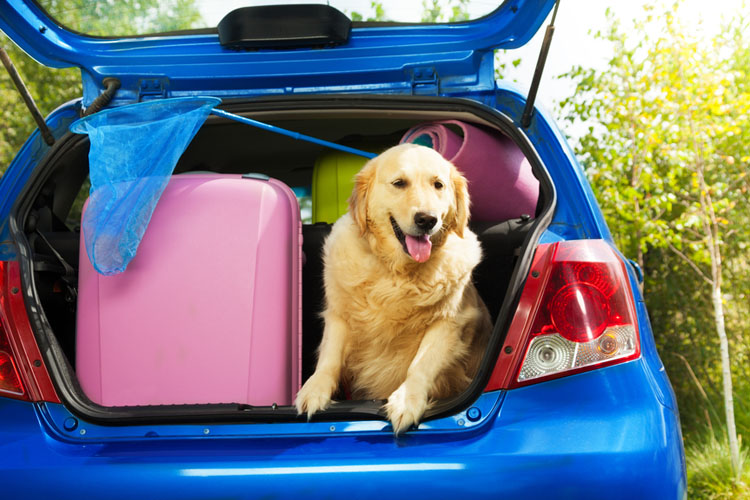
What to Pack for a Road Trip with Your Dog

Traveling With Your Dog
serrnovik/Deposit Photos

The holiday season is approaching fast. Learn several quick tips to make road trips with your dog easy as pie! If your dog is traveling with the family, let’s discuss essential items needed during road trips. Promise you’ll not be packing the kitchen sink!


 Tip: Pack all dog items in a carry-on size suitcase.

 This eliminates trying to locate multiple small items in the car when traveling and ensures all your dog’s items are unloaded upon arrival at your final destination.


Food

Calculate how many days you will be traveling, then multiple by daily food intake by cups. If you’re traveling 7 days and your dog eats 4 cups of kibble per day, you’ll need to pack 28 cups of food. As a general rule, I always add an extra 10% of kibble in case of emergency, such as when kibble is accidentally spilled or weather has forced you to travel longer.

For storing food while traveling, you can purchase an extra bag of kibble or store kibble in a container. Bringing an extra bag of food is probably the easiest, but can be the messiest, as luggage and crates can puncture the bag or your dog can chew a hole when no one is looking. 🙂 Personally, I use a container. It’s durable, easier to keep kibble dry and fresh, but it can take up valuable space in your car. Now that I feed a raw diet, I pack each dog’s daily meals into  plastic bags, freeze and pack in a larger cooler.

Don’t forget treats! Usually, I purchase several bags of dried fruit (pineapple, mango and apricots) to reward my dogs for not loading up in the car, not jumping on strangers at the rest area, not pottying on the leash and so forth.

Water

Pack several bottles of water, either purchased or refilled jugs, and a bowl.  When packing, place the water bowl and jug of water next to your dog’s crate, so it’s easy to locate during rest stops. Everyone becomes dehydrated while traveling, same goes for your dog. When you stop to potty your dog, offer him 2 to 8 ounces (amount depends on size of dog) of water in a small bowl. If he drinks all the water, offer him more. When leaving your destination, fill up your water bottles again for the ride home.

You can also leave a filled water bowl in his crate, but I’ve yet to find one that will not spill or easily be chewed. For seat belted dogs, I’ve heard the To Go Bowl works great, but I’ve not tried it yet. Basically, this is a small dog bowl that fits in a cup holder — pretty neat idea. I like giving water every 2 to 3 hours during “human” potty breaks, as I’m sure our pooches have to go too!

Vaccination Records

Print a copy of your dog’s vaccination records, especially his Rabies Certificate, as all states require up-to-date rabies vaccinations. Before a trip, I print each dog’s vaccination records, pet insurance forms, a current picture (in case something terrible happens) and medical history for dog’s with special needs, then place all this information in a pocket folder. This folder is kept on the outside zippered pocket of their suitcase.

Sound Machines (Yes, Really!)

A sound machine plugs into an outlet and plays soothing music, which drowns out unfamiliar noises and prevents dogs from barking. At night and when dogs are left alone, always confine your dog in a crate with soothing sounds from a sound machine and a food-stuffed toy. I recommend HoMedics Sound Machines and, if you choose one with an iPod dock, I HIGHLY recommend downloading Through a Dog’s Ear music, which is clinically demonstrated to calm most dogs. Personally, it’s very calming for me too, which is a nice advantage when traveling. 🙂 Don’t believe me. Try out their free music sample download!

Waterless Shampoo (You Just Never Know!)

Every time I forget waterless shampoo, I’ve regretted it! Waterless shampoo is easily sprayed and wiped off with a towel to spot clean a dog. Traveling with a pooch wet from rain is not fun so you and your car’s interior will thank me. 🙂 My fav is Nature’s Specialty Speedy Groom Waterless Shampoo.

Preventing Motion Sickness

Dogs can feel sick to their stomach while traveling in a car too! While vomiting is a tell-tale sign, dogs can drool, whine and pace back and forth and, yes, have dreaded diarrhea. To prevent this from happening, start bringing your dogs along on small trips around the city. This conditions them to car rides. If you notice any signs of motion sickness, you can prevent it with Dramamine or Bonine. You can purchase both at a pharmacy. However, ask your vet for correct dosage, as all dogs are different. I’ve had excellent luck with Bonine, not only does it prevent motion sickness, it’s also not as sedating as Dramamine. Provide a dose 20 minutes or so before everyone loads up and takes off for the trip.

While many recommend not feeding your dog before a trip, I disagree. You know how lousy you feel on an empty stomach, I usually feed them a couple of hours before a trip. Also, play soft music and keep the car cool. This will reduce nausea and anxiety, which are huge pluses to preventing motion sickness. 🙂

Toys/Chews

Bring lots of chews and a food-stuffed toy along on your trip. Just as children play with puzzles and watch DVDs while traveling, give your dog something to do also. I highly recommend food-stuffed puzzles. They’re easy to stuff, dogs can’t destroy the toy and you can stuff them a billion times! Pack a small jar of peanut butter, a food stuff-able toy and a few chews in your doggie suitcase. Not only are these awesome during car rides, they are wonderful to leave with your dog, while confined at your final destination and when left alone.

Collar/Leash with Tags (Poop Bags)

Your dog should wear a collar with updated ID tags at all times, even when riding in the car. Click here to learn the importance of ID tags and microchipping your dog. It could save his life! Bring a sturdy 6-foot leash and plenty of poop bags to pick up waste.

Crate/Seatbelt Harness

Buckle up! Dogs must be securely contained when riding in a vehicle. Click here for the safest ways to contain your dogs.

First Aid Bag

Pet first aid bags are a must, especially when traveling. Don’t forget to pack your dog’s dose of heart worm preventive if he’s scheduled for a monthly dose. Click here for a list of must-have supplies, including a Pet First Aid phone app and the best pre-packaged pet first aid bag review.

 Useful Tips:

  • Apply flea/tick preventive the day before traveling, especially during summer months or when you’re traveling through heavily infested areas.
  • Pack paper towels:  Useful for dogs and people.
  • Bring 2 large towels just in case:  Dry off a wet dog.
  • Bring a small bottle of enzymatic cleaning solution for cleaning accidents in the car or at your final destination.
  • Never leave your dog in a warm or hot car.
  • Don’t allow your dog to ride in the back of a pickup truck. Restrain him inside the vehicle instead.

Filed Under: Equipment, Resources, Safety Tagged With: best crate for cars, best crate for SUV, best dog carriers, best dog travel tips, best plastic crate, best seat belts for dogs, center for pet safety, crash tested crates, crash tested dog seat belts, dog carriers, dog travel safe, how to secure crate in car, how to travel with dogs, keeping dog safe in car, proline crates, road trip with dog, road trips with your dog, safe travel dogs, safe ways to transport your dog, safest dog seat belts, safest plastic crate for dogs, sleepypod seat belts, travel safely with your pet, traveling with dog dogs, traveling with pets, traveling with small dogs, variocage reviews

ID Tags and Microchips: Are They Necessary?

November 5, 2014 by Fanna Easter

Save Your Dog with Identification

Microchipping Your Dog

We never plan for our dogs to get lost. My heart sinks when I think about it. So let’s be prepared! Before taking road trips with your dog, let’s discuss a couple tips that could save your dog’s life!

ID Tags: A Must Wear for All Dogs

If your dog should become lost, an ID tag will quickly identify and provide valuable information to his “founder.” ID tags are attached to your dog’s collar.

What information should you add to your dog’s ID tags?

My recommendations are: dog’s name, your last name, your cell number and your dog’s medical issues (example: Stella Smith, 212-211-2222, Has Seizures). While ID tags are getting smaller, it’s tough finding space to add your address. So, why not add several ID tags?

What type of tag should you choose?

With so many options, it’s up to your dog’s activity level and your personal preference:

  • Hanging ID Tag: Most popular, hangs from the D ring of a collar, can be noisy, more likely to fall off a dog’s collar.
  • Embroidered Collar: ID information is embroidered across a collar,  popular with owners wanting a “noiseless” version, less likely to fall off than a traditional hanging ID tag, larger lettering is easily seen.
  • Belt Buckle Type Tag: Metal “belt buckle” tag, which slides on a nylon or leather collar, tag is slightly bent to curve around dog’s neck, noiseless, less likely to fall off than a traditional hanging ID tag.

If traveling, I add a temporary ID tag with my final destination. This is very helpful if traveling through many states.  To draw attention to the traveling tag, I usually print in red font, cut to fit the width of my dog’s collar width, laminate and staple to the nylon part of the collar. All other ID tags remain in place. Example:  Traveling to 211 Johnson St, Nashville TN 37444.

Microchipping: Please Chip Your Dog

Your vet places a small microchip, about the size of a grain of rice, under the skin between your dog’s shoulder blades. If your dog is found, a shelter or vet can scan the chip which provides your information. Microchips must be registered by the manufacturer so they can store your data. Plus there is usually a small yearly fee. When your vet inserts the microchip, she’ll provide you with details on registering the chip.

Yes, I highly recommend microchipping your dog too!

GPS Dog Collars?

With a surge in GPS devices and smart phones, we’re seeing GPS ID tags and collars enter the pet industry. You attach a water resistant device to your dog’s collar and it uses GPS and Google Maps to locate your runaway dog. Did I mention this device will track your dog’s activity level too!

There are a few to choose from, but from reviews, it seems bugs need to be worked out first. Devices are losing battery quickly (less than 24 hours), websites struggle to show a lost dog’s exact location, devices easily fall off a dog’s collar and disruptions in service are frequent. Alas, these devices are here to stay and manufacturers are updating their products constantly. I’m excited!

If this piques your interest, take a peek at Consumer Reports review of GPS Dog Collars. Another contender, WhistleGPS, is due out in 2015! They will unveil a smaller device, incorporating Wifi and Bluetooth capabilities, which extend battery life to over a week.

Have you tried a GPS Collar? What are your thoughts?

Filed Under: Equipment, Resources, Safety Tagged With: different types of dog id tags, dog id tags, dog travel safe, gps dog collar, how to secure crate in car, how to travel with dogs, keeping dog safe in car, microchipping, proline crates, road trip with dog, road trips with your dog, safe travel dogs, safe ways to transport your dog, safest dog seat belts, safest plastic crate for dogs, sleepypod seat belts, travel safely with your pet, traveling with dog dogs, traveling with pets

Packing a Pet First Aid Kit

November 5, 2014 by Fanna Easter

Pet First Aid Kit
Find out what should be in every pet first aid kit.

Dog Supplies

First aid kits for dogs are essential, especially if your dog needs daily medications. When heading out on road trips with your dog, toss his first aid kit in the car. You never know when you’ll need it!

Dog First Aid Kits Options

You can easily purchase a complete first aid kit or design your own. Both have benefits:

  • Purchasing a complete kit saves time and contains less. On the downside, most contain generic supplies in a limited space bag (smaller bag), preventing space for additional items.
  • Creating your own kit takes a bit more planning and time. However, you can add specific items for your dog’s needs.

Option 1: Purchasing a Complete First Aid Kit

With so many pet first aid kits out there, I’ve searched and searched and found the first best first aid kit for the price.

Pros:

  • All essential supplies included
  • Items are clearly labeled (huge plus!)
  • Great buy for price
  • Roomier bright-colored bag to add additional items

Cons:

  • Refrain from purchasing the optional stapler (no explanation needed, leave it to a vet)

Option 2: Creating Your Own Dog First Aid Kit

Print a list of contact phone numbers, laminate if possible, and place in first aid kit. Also, include an up-to-date phone number of your dog in case he gets lost. Include:

  • Animal Poison Control Center: 888-4ANI-HELP (888-426-4435)
  • Your vet’s  phone number
  • Nearest ER vet’s address/phone number
  • Dog’s microchip number
  • Copy of rabies certificate
  • Health history for dogs with medical conditions (diabetes, Addison’s disease, etc.)

Essential First Aid Supplies:

  • Download and review Pet First Aid App on your phone
  • Sterile non-stick gauze pads (2×2 and 4×4)
  • Absorbable gauze pads
  • Gauze wrap (1 inch)
  • Sterile saline solution (for rinsing wounds, found at pharmacies)
  • Antiseptic wipes (such as Hibitane)
  • Tweezers
  • 2-inch wide vet wrap (use as a protector for bandages)
  • Hydrogen peroxide (small bottle to induce vomiting)
  • Instant ice packs (reduce swelling, pain or heat exhaustion)
  • Hot packs (keeps dog warm)
  • Blunt nose scissors
  • 1 pair sterile plastic gloves
  • Rectal thermometer (dog’s normal temperature is 100-103 degrees)
  • Petroleum jelly (small squeeze tube, use for inserting the rectal thermometer)
  • 1-inch wide adhesive tape (used to secure pads and wraps)
  • General purpose triple antibiotic ointment (can purchase at a pharmacy)
  • Muzzle (even the nicest dog can bite when in pain)
  • Phazyme (Simethicone) Ultra Strength Anti-Gas gel capsules (give immediately if you suspect Bloat -Gastric Dilation-Torsion)
  • Bright-colored durable bag with multiple zipper compartments

Extremely Useful Additions:

  • Pen light
  • Tick remover
  • Diphenhydramine (Benadryl)
  • Immodium and Probiotics (ease diarrhea)
  • Wound spray (such as Vetericyn)
  • Wound cleaner (Nolvason 4 oz)
  • Large and small syringes (flushing wounds)
  • Rescue Remedy (give 2-4 drops on your dog’s tongue, helps to calm him)
  • Eye ointment (non-prescription)
  • Vet-prescribed pain medicine
  • 1 week supply of vet-prescribed medication needed for your dog
  • Paw protecter covers (keeps paw or toe wounds clean and dry). In a pinch, tape a plastic bag over the dog’s paw when bringing outside to potty. Remove afterwards so wound can breathe
  • Alcohol-free Bitter Apple (prevents dogs from chewing bandages)

 What’s in your dog’s first aid kit?

Filed Under: Equipment, Resources, Safety Tagged With: american red cross pet first aid kit, best pet first aid kit reviews, dog first aid checklist, dog first aid kit, dog first aid list, making a pet first aid kit, pet first aid, pet first aid app reviews, pet first aid certification, pet first aid checklist, pet first aid essentials, pet first aid supplies, pet tech first aid app review, pet tech pet first aid app, put together a pet first aid kit, red cross pet first aid app, red cross pet first app review, should you download a pet first aid app, what should go in your pet first aid kit, what to put in a dog first aid kit

Pet First Aid Phone App Reviews

November 4, 2014 by Fanna Easter

Review of First Aid Apps

First Aid Apps for Dogs

Really, there is an iPhone app for everything! If you’re a pet owner, I highly recommend downloading and reviewing this app before an emergency or road trip with your dog. To help you choose, let’s discuss the most popular pet first aid phone app reviews with options for each. After you download the first aid app, I highly recommend completing a pet first aid class too!

Note: Pet First Aid apps should not replace regular veterinary checks.

American Red Cross Pet First Aid App

Red Cross has been a pillar in first aid for many years and now they’ve created a pretty awesome pet first aid app.

  • Regardless of location, this app can locate the nearest AAHA (American Animal Hospital Association) accredited veterinary hospital or emergency hospital (depending on time of day) from your current location. This is a must-have if you travel often with your dogs!
  • It has simple step-by-step instructions for over 25 pet emergencies.
  • It contains short and informative videos demonstrating CPR and other pet emergencies.
  • You can create folders for multiple pets, including their veterinary information, microchip number, upload a current photo and so much more.
  • It’s packed with preventive care tips.

Pet Tech Pet First Aid App

  • Regardless of location, this app can locate nearest veterinary hospital or emergency hospital from your current location. When searching, list appears using Google Maps with contact information listed, and you’re able to directly call from list. It’s a must have!
  • Snout to Tail assessment for preventive care video
  • Create ICE Folders with important pet and veterinary information, such as microchip information and pet identification tag for multiple dogs
  • Simple step-by-step instructions
  • Information videos demonstrating CPR and other pet emergencies
  • Immediate access to National Animal Poison Contact Number


Which pet first aid app is your favorite? What are your reviews? I have still not decided which one I’ll purchase, but I’m strongly leaning on the Pet Tech app or maybe the Red Cross app. I can’t decide!

Filed Under: Equipment, Resources, Safety Tagged With: american red cross pet first aid kit, best pet first aid kit reviews, dog first aid checklist, dog first aid kit, dog first aid list, making a pet first aid kit, pet first aid, pet first aid app reviews, pet first aid certification, pet first aid checklist, pet first aid essentials, pet first aid supplies, pet tech first aid app review, pet tech pet first aid app, put together a pet first aid kit, red cross pet first aid app, red cross pet first app review, should you download a pet first aid app, what should go in your pet first aid kit, what to put in a dog first aid kit

  • « Previous Page
  • 1
  • …
  • 14
  • 15
  • 16
  • 17
  • Next Page »

About

Dog Training Nation is a community of dog trainers, dog owners and dog lovers. Our mission is to provide trainers and owners valuable information to enrich dogs' lives. We cover a range of topics, from socializing puppies to dealing with aggressive dog behavior to selecting the best dog products. It is our hope you share our content to make the dog and owner world a better place.

​

Facebook

Video

Dog Training Nation is a dog training blog for pet owners and dog lovers. We cover a range of topics from puppy socialization tips to dog aggression to dog health. It is our hope you share our content to make the world a better place for dogs.

Dog Training Nation

Quick Links

Dog Training
Dog Behavior
Dog Training Videos
Become a Dog Trainer
About
Contact Us

Copyright © 2026 · Lifestyle Pro Theme on Genesis Framework · WordPress · Log in