Dog Training Nation

In Dogs We Trust

  • Home
  • Training
    • Dogs
    • Puppies
    • Clients
  • Behavior
    • Breeds
  • Health
  • Safety
  • Resources
    • Equipment
    • Books
  • Dog Training Videos
  • About
You are here: Home / Archives for Safety

Leaving Your Dog Home Alone on New Year’s Eve

December 30, 2015 by Fanna Easter

How to Keep Your Dog Safe on New Year’s Eve

New Year’s Eve Dog Safety Tips
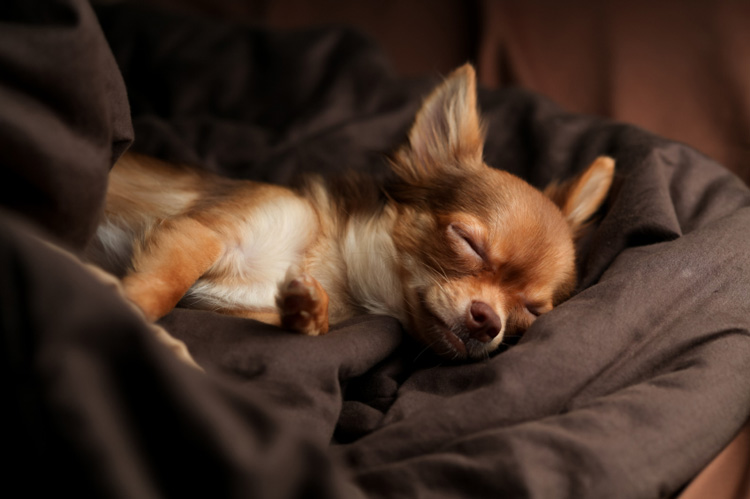
New Year's Eve Dog Safety Tips
jochoz/iStock

New Year’s Eve is mostly celebrated with champagne, food and, of course, fireworks. However, fireworks can be very scary for most dogs, so here’s a couple of tips on keeping your dogs safe and relaxed this New Year’s Eve while you’re out celebrating. Now, you’ll need a combination approach for best results, especially if your dog is afraid of fireworks or loud noises.

Freeze Food Stuffed Toys

A couple of days before New Year’s Eve, gather several of your dog’s food stuffed toys (i.e. Kongs), and fill them with a yummy food stuffing. For a holiday stuffing recipe, check out my dog’s favorite here. Once toys are stuffed, pop them into your freezer overnight (preferably freeze for two days), so they’ll last longer while you’re away.

Choose a Room

Next, it’s time to set up the area where your dog will relax while you’re away. My dogs are usually crated; however, if your dog isn’t crate trained, set him up in your bedroom with the door closed. Locate a room farthest away from rowdy neighbors or choose an interior room without windows to keep outdoor sounds to a minimum.

Keep Your Dog Indoors

Please never leave your dog outside on New Year’s Eve. Block access to the doggie door. If you’ll be gone for more than five to six hours, then I highly recommend hiring a professional pet sitter or taking your dog out to potty. This is such a serious issue that I recommend pottying your dogs on leash in your fenced backyard.

It takes just one loud pop for your dog to either go over, under or through your fence. Both of my dogs are microchipped, so I receive email alerts when a microchipped dog is lost in my area. Each description painfully reiterates the above reasons as to why you should keep your dog indoors or walk him on leash on New Year’s Eve. Take the extra step and keep your dog indoors and potty him on a leash.

Download Music

Music will help drown out loud sounds and keep your dog relaxed, so download Through A Dog’s Ear CD to play while you’re away. We live downtown and the sounds during New Year’s Eve most certainly startle me, but having soft music or the TV playing in the background is very soothing, as it’s a predictable sound. Place a wireless speaker in the room you’ll be leaving your dog alone on New Year’s Eve. It doesn’t have to be right next to them, but in the same room at least.

Provide Medication or Supplements

For dogs afraid of loud sounds, such as fireworks, I highly recommend contacting your veterinarian ahead of time for medication. If your vet recommends acepromazine, ask him or her for something else. This article explains why ace is not always best for dogs. Most vets prescribe trazodone or alprazolam (Xanax), which provide great results. However, it’s important to do a test run first by giving him a dose when you’re home and able to monitor his reactions. You don’t want your dog to have a negative reaction.

Supplements work really well too. They should be given at least 20 minutes before you leave home. For the most part, they last two to four hours. For dogs extremely frightened by loud sounds, prescribed medications may be the better choice. I recently found a fabulous supplement that works quickly and effectively. It was recommended by my holistic vet. Kemin Resources Anxiety & Stress contains melatonin and other relaxing herbs in a chewable tablet. While I’ve tried melatonin on its own as a relaxing supplement, this combination approach provided much better results.

Before Heading Out to Celebrate

About an hour before you leave home, it’s time to get your dog set up comfortably. Set up your dog’s room with lots of frozen food stuffed toys and a wireless speaker (or turn on the TV). Before leaving, feed your dogs and take him out to potty.

About 20 minutes before leaving, give your dog her prescribed medications or supplements and bring her out to potty again. Now, turn on the TV or music and adjust the volume to either medium or low. Dogs have excellent hearing, so blaring music can be a bit disjointing. Make sure it’s loud enough to drown out the sounds, but not so loud it’s downright distracting.

Toss a couple of frozen food stuffed toys in your dog’s crate, close the door, lock up the house and enjoy your New Year’s Eve!

Leaving Two or More Dogs Alone

If you’re keeping two dogs together, make sure they have their own separate areas to relax. Never leave two dogs in one crate or dogs loose in a room together when food stuffed toys are involved. Usually, I’ll crate one dog and leave the other loose in the bedroom. You can also separate your dogs into adjoining rooms by using sturdy baby gates.

Enjoy 2016. Hopefully, your dog has a nice and relaxing experience while you’re away. Happy New Year!

Filed Under: Safety Tagged With: dog afraid of fireworks, holiday pet safety tips, new year holiday pet safety tips, new year's eve dog safety tips

New Year’s Eve Dog Safety Tips

December 29, 2015 by Fanna Easter

New Year’s Eve Safety for Dogs

New Year's Eve Dog Safety
Dean_Fikar/iStock

If your dog is fearful of loud sounds, such as fireworks, then staying home and celebrating New Year’s Eve in your recliner is an excellent choice for you and your dogs. Now, staying home won’t reduce your dog’s fear of fireworks or loud New Year’s Eve noises; it’s comforting, but not a solution. For best results, follow these dog safety tips, so your entire household is relaxed and cozy while the rest of the world celebrates the New Year. Plus, you can easily rotate between food stuffed toys, chewies and games for younger dogs.

Freeze Food Stuffed Toys

A day or two before New Year’s Eve, stuff several of your dog’s food stuffed toys and freeze for at least 24 hours. Food toys keep your dog’s brain busy by making him focus on the yummy food inside the toy, which makes him forget about the fireworks and loud sounds outdoors. Don’t forget: make sure the stuffing you use inside the toy is super yummy. Check out my favorite recipe here.

On average, one frozen food stuffed toy will last your dog 15 to 20 minutes, depending on his puzzle skill level. Afterwards, your dog will usually sleep for one to two hours. It’s hard work thinking and licking a toy. 🙂 Based on this average, I would estimate two food stuffed toys for New Year’s Eve, as most fireworks begin at dusk.

Provide Yummy Chewies

Chewing provides tons of mental stimulation, which is key to keeping your dog relaxed and cozy while the world celebrates New Year’s Eve with a bang.

Since you’ll be home, try giving your dog a super yummy chew, such as a bully stick. Any and all chews must be supervised, as it’s so easy for dogs to swallow them accidentally or choke on a large piece. Skip rawhide chews and choose bully sticks instead.  Bully sticks are easily digestible and don’t break into large knots. Plus, you can easily trim any chewed fringes away before your dog swallows them.

Keep the TV On

Music and TV sounds will help keep outside noise levels to a minimum, especially during the midnight explosion. If it gets super noisy, turn your volume up a bit to drown out the sounds. If your dog looks a bit stressed, give him another food stuffed toy or chew. By pairing something fun with something scary, you’ll change your dog’s perception over time.

Leash Your Dog to Potty Outside

When taking your dog outside to potty, especially when festivities are at their peak, please leash your dog. I know you probably have a six-foot privacy fence, but it just takes a stray firecracker to pop too close to your yard, causing your dog to panic. A panicking dog won’t hear your comforting words or take treats; he is freaked out and wants to find safety now. Sometimes, finding safety means jumping over, under or through the fence. Every year, local shelters and animal controls are flooded with dogs that have escaped their own yards even when pet owners were present.

Block access to your dog’s doggie door. He shouldn’t be out in the yard without you. Instead, take him out on leash, so you can keep him calm if something scary happens.

Consider Medications and Supplements

Some dogs are very fearful of fireworks (or any loud sound), so chat with your veterinarian ahead of time. Ask for medication that will keep your dog calm, but not tranquilized during the festivities. By far, trazodone and alprazolam (Xanax) work best. Stay away from acepromazine. Ace basically traps your dog’s scared brain in a body he can’t move.

Don’t forget about supplements! They work well for mildly frightened dogs. Just make sure to give your dog the supplements at least 20 minutes before it gets dark or loud.

Following these simple dog safety tips will most certainly keep everyone safe on New Year’s Eve and keep your dog’s fears from worsening. Happy New Year!

YOU MAY ALSO LIKE: Excessive Licking in Dogs May Point to Health Issues

Filed Under: Safety Tagged With: dog afraid of fireworks, dog safety tips holiday, new years eve dog safety

Should You Take Your Dog to Dog Parks?

December 28, 2015 by Fanna Easter

To Dog Park or Not to Dog Park

Dog Park
raywoo/iStock

Some people think dog parks are all the rage while others are hesitant of them. I’ve had my fair share of dog park experiences as well as a variety of breeds and temperaments. I thought I’d give you my two cents on the pros and cons of dog parks.

Dog Park Information

Dog parks are usually made up of two different fenced areas–one side for small dogs and one side for large dogs. Most dog parks have rules and regulations posted outside the gate before you enter for safety reasons. Some of these rules include, but are not limited to, no leashes inside the fenced area, no food, dogs must be vaccinated and no aggressive dogs allowed. However, there’s no one to reinforce these rules. Many times they’re completely ignored.

Pros of Dog Parks

Dog parks allow dogs an area to play off leash with other dogs and socialize with people as well. This is especially handy for people who live in the city or apartments. They’re a great place for advanced training practice, enrichment and energy burning. In theory, this sounds great, but usually the cons outweigh the pros of dog parks.

RELATED: Stop Using Retractable Dog Leashes in Public Places

Cons of Dog Parks

In my experience, there are way more cons than pros when dealing with dog parks due to the lack of monitoring. Most dog parks don’t have someone on duty to enforce the listed rules, which leaves a lot of room for error. The dog park isn’t a good place for a dog that suffers from anxiety, fear or aggressive behaviors since the added excitement from other dogs and people could make the issues worse. You also wouldn’t want to take a puppy who hasn’t had all of his vaccinations to a dog park, as it’s not safe for his health

Choosing a Dog Park

Now that you know what you’re up against, it’s time to figure out which dog park if any is a good choice for you. First, you should evaluate your dog and his personality. If you have a friendly, confident dog with all of his vaccinations, he may be a good candidate for a dog park. If you’re hesitant of dog parks, I suggest locating dog parks in your area and visiting them. I usually bring my dog with me along with some really tasty treats on hand. During the initial visit, I don’t actually allow my dog to enter the dog park; rather I observe the goings-on from outside. This allows me to see what the dynamic of this particular dog park is like. I’m also helping my dog build a positive association with the dog park by rewarding good behaviors in the park area.

If I see dogs bullying other dogs and pet owners allowing this behavior, I leave immediately! Most dog parks have regulars from the area, so you can kind of get a feel for how things work. If I see friendly dogs with attentive owners, then this might be a dog park that I choose to try out on my next visit. The key to choosing the right dog park is making sure you and your dog are comfortable with the area.

Be your dog’s voice. When in doubt, stay away from dog parks.

READ NEXT: How to Park Your Dog

Filed Under: Behavior, Safety Tagged With: dog parks

Why are Dogs Afraid of Shiny Floors?

December 23, 2015 by Fanna Easter

Help for the Dog Afraid of Shiny Floors

Dogs Afraid of Shiny Floors
Ryhor Bruyeu/iStock

Believe it or not, this is a common issue with many dogs and puppies. Slick floors are scary, especially if your dog or puppy has slipped or skidded on them a few times. Also, elderly dogs have a tough time navigating along slick surfaces due to arthritis. It takes a lot of control to keep their feet from sliding right out from under them.

If your dog is afraid of slick floor surfaces, check out these tips that will most definitely help.

Why are Dogs Afraid of Shiny Floors?

Gosh, there are so many reasons why dogs are afraid of shiny floors. If your dog has never seen shiny, slick floor surfaces before, he’ll probably refuse to walk on it. Also, some dogs have fallen, slid into a wall, tripped, stood still when their feet splayed out from under them, or tried to walk across it by using their nails (i.e. digging nails in for traction) and it didn’t work out well. Basically, dogs have learned to be scared of slick floor surfaces due to previous bad experiences.

Common Slick Floor Surfaces Dogs Fear

Linoleum is probably the scariest slick surface for most dogs, and it’s used everywhere because it’s super easy to clean. You can pretty much guarantee your dog will be exposed to linoleum flooring during his lifetime. I’m pretty sure your veterinarian’s office flooring resembles a linoleum-lined skating rink.

Laminate wood flooring is just as slick as linoleum. I know I’ve had a few falls myself and my dogs have skidded across our living room and into the wall. Shiny ceramic tile is pretty slick too; however, grout will provide some type of traction. Hardwood flooring can be slick too, but dogs are able to dig their nails into the hardwood for traction, which is good for them, but horrible for your expensive floors. Carpeting provides the best traction, but I also know that keeping carpet clean while sharing your home with dogs is pretty darn impossible.

Never Force Your Dog to Walk

If your dog refuses to walk on shiny floors, never force or drag him across it. This will most certainly cause your dog’s fear to worsen. When you’re at the veterinary hospital, either pick him up or ask veterinary staff for a towel to sling around your dog’s waist (this helps support your dog’s entire body). While waiting to be seen, place the towel on the floor, so your dog has traction and give him lots of treats for remaining calm.

How to Get Your Dog to Walk on Shiny Floors

Introducing your dog to shiny flooring first works best. For elderly dogs, or dogs scared of shiny flooring, you may need to add a few rubber-backed mats.

Slick Surfaces Are Fun

Starting on carpet or a rubber-backed carpet mat, sprinkle tiny treats in a straight line (Hansel and Gretel style) about three feet away from the carpet. Most puppies and dogs will slowly follow the food trail and gobble up treats, as they move along shiny floors. By pairing something good with a new thing, you’re teaching puppies and dogs that slick surfaces are good and that they need to walk slowly on it.

After your puppy has eaten all his treats, make another treat trail back around to your carpeted area. Practice this a few times, and soon your puppy will learn to walk safely on slick surfaces.

Rubber Mats

Purchasing rubber-backed rugs and assembling them into a walking trail works well for dogs scared of shiny floors. You can place them toward the backdoor, in your kitchen, in front of his food and water bowls, or wherever. When Sobek tore his ACL, these rugs were a lifesaver. You can find cheaper versions at discount stores, or you can use bathroom rugs too. Another plus is they can easily be washed unlike wall-to-wall carpeting.

Traction Socks

Since lack of traction is the main concern with slick surfaces, some dogs feel more comfortable wearing traction socks. These socks have traction material sewn on the bottom and work really well. Check out this article on teaching dogs how to wear traction socks.

If Your Dog Slips on Shiny Floors

It’s going to happen, especially with young and excitable puppies and dogs, and it’s most likely going to happen when you return home from work. Try standing on a carpeted area for greetings or, better yet, bring them outside for a quick game of fetch.

When elderly dogs slip, my heart falls right along with them. Just walk over and calm them by supporting their body with your hands. Usually, older dogs will fall flat and become stuck, or try over and over to get up, so pick them up or at least support their bodies with your arms, as they walk toward a carpeted area.

Introducing shiny floors to your dog early on is key, but when your older dog begins having trouble, pick up some rubber-backed mats. They’re awesome!

Filed Under: Safety Tagged With: dog afraid of hard floors, dog afraid of shiny floors, dog afraid of slick floors, dog afraid tile, dog afraid to walk on floor, dog floor, dog scared floors, dog scared hard floors, dog won't walk on shiny floors

Best Furniture Ramps for Dogs

December 22, 2015 by Fanna Easter

How to Choose a Furniture Ramp for Dogs

Dog Ramp for Bed
MilicaStankovic/iStock

If you share your home with small or elderly dogs and they enjoy snoozing in your bed or on furniture, then you’ve probably researched dog ramps. Choosing a good furniture ramp for dogs is not hard. It’s flat overwhelming instead. With so many choices, which dog ramp is best for you and your dogs?

I know it’s hard to resist a chocolate wood stained dog ramp that would look glorious next to your bed. However, before pulling out your credit card, make sure a ramp will work for your dog’s and your home’s needs first.

Decide on Ramps or Stairs

Overall, ramps are easier for dogs to navigate on than stair-type ramps. Walking up and down stairs causes dogs to hop up from stair to stair, which can cause pain and injury, so stick with ramp-style options. Steep ramps are hard to climb up or down on, so find a longer ramp that slowly declines downward.

Ramps for Small Dogs

For little dogs, the sky is the limit on choosing a furniture dog ramp. Just make sure your chosen furniture ramp is wrapped in non-skid material and wide enough that your dog won’t fall off while navigating. If your little dog likes to jump off ramps, I highly recommend choosing one with side rails because little dogs can most certainly hurt themselves jumping off anything.

RELATED: 3 Reasons Why You Need Non Slip Socks for Dogs

Ramps for Large Dogs

Larger dogs need sturdier furniture ramps due to their heavier weight, wider body and longer body length. Stay away from stuffed wedge-type ramps. They’ll crumble and fall under the weight of larger dogs (50 pounds and over).

Measure Your Space First

If you’re like me, space is minimal when living in the city. While we all want a gorgeous wide, long dog ramp, the ramp we choose must fit into a small place first. Plus, if you’re looking for a ramp for large dogs, you really need to do your homework.

Dog Ramp for Beds

Usually, furniture dog ramps are positioned at the foot of the bed. This works best for smaller dog furniture ramps. For large dog ramps, sometimes positioning the ramp on the side of your bed–sandwiched between a wall and the bed–is a huge space saver. This way, you and your spouse have access to your bed from the foot of the bed or other side.

Now measure the space, and then start looking for furniture dog ramps at your local pet supply store or online!

Dog Ramp for Couches

For small living rooms, look for dog ramps that can easily fit in front of your sofa. If your coffee table takes up a lot of room, try replacing it with an ottoman instead. Place a furniture ramp next to the ottoman, so once your dog climbs onto the ottoman, he can easily step onto the sofa.

Yes, Furniture Dog Ramps Must Be Cute

Well, at this point, we’ve narrowed down some options for you. If you’re having a difficult time finding a sturdy furniture dog ramp that meets your specifications, I highly recommend creating your own version, especially if you’re crafty. Once you’ve found the perfect dog ramp, check out this article on teaching your dog how to use his new ramp.

For more safe and well-made ramps for dogs of different sizes, check out the links below.

  • This is, by far, my favorite furniture dog ramp because it’s wide with a low slope, contains non-skid material, and lays flush onto the floor and bed. Plus, it’ll hold up to 200 pounds!
  • For DIYers, take a peek at this site. There are many options to choose from, but honestly a creative person can easily make my favorite ramp (listed above) too.

Furniture dog ramps are expensive, so make sure you’ve chosen the perfect one for you and your dog.

Filed Under: Equipment, Resources, Safety Tagged With: bed dog ramp, dog ramp, dog ramps for beds, how to build a dog ramp, indoor dog ramps, sofa dog ramp

  • « Previous Page
  • 1
  • …
  • 7
  • 8
  • 9
  • 10
  • 11
  • …
  • 17
  • Next Page »

About

Dog Training Nation is a community of dog trainers, dog owners and dog lovers. Our mission is to provide trainers and owners valuable information to enrich dogs' lives. We cover a range of topics, from socializing puppies to dealing with aggressive dog behavior to selecting the best dog products. It is our hope you share our content to make the dog and owner world a better place.

​

Facebook

Video

Dog Training Nation is a dog training blog for pet owners and dog lovers. We cover a range of topics from puppy socialization tips to dog aggression to dog health. It is our hope you share our content to make the world a better place for dogs.

Dog Training Nation

Quick Links

Dog Training
Dog Behavior
Dog Training Videos
Become a Dog Trainer
About
Contact Us

Copyright © 2026 · Lifestyle Pro Theme on Genesis Framework · WordPress · Log in
