Dog Training Nation

In Dogs We Trust

  • Home
  • Training
    • Dogs
    • Puppies
    • Clients
  • Behavior
    • Breeds
  • Health
  • Safety
  • Resources
    • Equipment
    • Books
  • Dog Training Videos
  • About
You are here: Home / Archives for Clients

Dog Alert Wallet Cards and Stickers are a Must

August 17, 2015 by Fanna Easter

Why You Need Dog Alert Wallet Cards and Dog Rescue Stickers

Dog Emergency Cards
Mustang_79/iStock

Yes, emergencies happen and they’re scary. Personally, it’s my worst nightmare. Take a moment and ensure your pets are taken care of if something should happen to you or your home. By alerting officials with pet alert wallet cards and stickers, you’re ensuring family members and friends are contacted quickly.

ICE (In Case of Emergency): “My Dog Is Home Alone” Wallet Cards

While cruising through Facebook, a fellow dog trainer shared this wonderful idea: it’s a wallet-sized card asking emergency officials to contact family members and friends listed on the back of the card. What a great idea!

You can certainly purchase these cards online, which fit perfectly behind your driver’s license. Also, pre-made options offer laminated bright-colored key tags that alert officials to contact someone to check on your pets.

How to Create a Dog Alert Wallet Card

If you’re crafty and have access to a high quality printer, you can easily create your own. Definitely use bright primary colors to instantly make it clear it’s some type of medical alert card.

Front of Card

Across the front, clearly label “My Dog is Home Alone” in large font and add “If I’m Ill or Injured, Please Contact Someone on Back of Card to Care for My Dog.”

Back of Card

Neatly type at least two to three full names and cell phone numbers of local family and friends who live near your home. This way, it increases the chance of emergency officials speaking to someone. Also, laminating cards and key holders ensure they hold up to everyday life.

RELATED: Leaving Your Dog Home Alone Tips

Dog Inside Home Stickers

This dog rescue sticker informs emergency responders dogs are in your home and need to be rescued. List the number of dogs you have, so officials can safely rescue them all. It’s best to post these stickers near common entrances (front and back) and on doors and windows. There are many different versions of pet rescue stickers available online.

Make sure you remove the sticker when you move out. If you bring home a new dog or lose one, note that on the sticker immediately. It also doesn’t hurt to replace it often with a current date noted, so first responders are aware the sticker is up-to-date.

How to Create Dog Rescue Stickers

Red and yellow colors are most commonly used to alert officials about immediate medical needs, so I recommend using these easily recognizable colors in your design. Laminating will protect DIY rescue signs from harsh elements and can easily be taped near entrances.

Ounce of Prevention

During fall and spring, it’s best to replace all batteries in smoke detectors. Partner with neighbors to rally for your dogs and insist they’re rescued. Don’t forget to also keep your will updated with plans for your dogs.

Regardless if you create or purchase these dog emergency cards and rescue stickers, take a moment and ensure your pets are safe when you’re not home. With that, I most certainly hope these items are never needed. 🙂

READ NEXT: Pet First Aid Phone App Reviews
Filed Under: Clients, Resources, Safety, Training Tagged With: dog home alone wallet card, dog training, Dog Training Tips, how to teach a dog, how to train a dog, pet alert cards, pet alert key cards, pet alert stickers, pets inside sticker, rescue my pet sticker, save my pet card, save my pet sign, save my pet sticker, teach a dog, train a dog

How to Talk to Your Dog Through Calming Signals

August 13, 2015 by Fanna Easter

Using Calming Signals to Talk to Your Dog

Dog Calming Signals
Jolka100/iStock

Do you ever wonder what your dog is trying to say to you?

Well, dogs have a universal language that allows them to communicate with each other as well as humans. Some parts of this language have been understood by people for a long time, such as a dog growling or the positions of their tails and ears.

Other aspects of this canine language are so subtle they’re still being discovered and interpreted today. Some of these subtle body gestures were given the name “calming signals” by Turid Rugaas, a noted author and lecturer on the subject of canine body language. Ms. Rugaas identifies these body gestures in her book “On Talking Terms with Dogs: Calming Signals.” In her book, she identifies specific body gestures and behaviors that dogs use to communicate with one another.

Understanding Your Dog’s Calming Signals

Being able to recognize what your dog is trying to communicate to you will create a better relationship between you and your dog. You can do this by learning how to read the signals your dog offers. These calming signals are often given from a dog to calm nervousness and fear when he feels threatened by dogs and/or people, which can easily be overlooked or misinterpreted by humans.

Dogs, by nature, are conflict-solving animals and will usually attempt to defuse conflicts before they become serious. Sometimes, this is facilitated by offering calming signals. For example, when a dog turns his head away from you, it could mean he feels stressed due to the tone of your voice. By looking away, the dog tries to avoid conflict.

Many humans may misinterpret this calming signal and believe the dog is ignoring them, which could actually escalate the situation. If you, the owner, recognize this calming signal and removed the conflict (i.e. changed the tone of your voice), you’ll find your dog looks back.

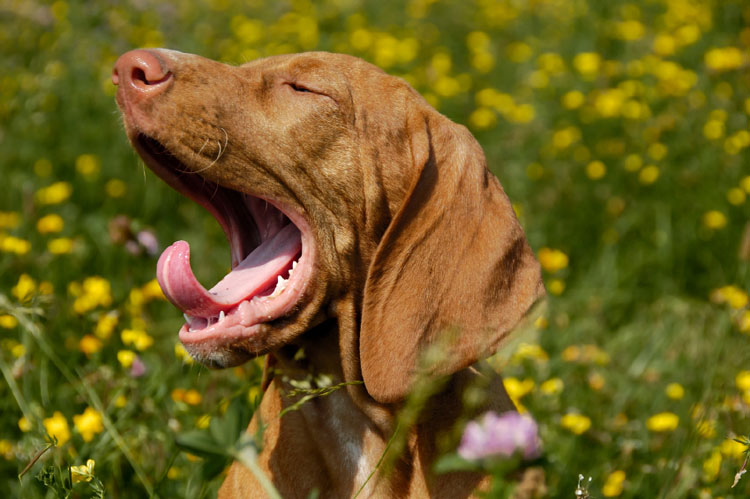
Some dogs will soften their eyes when a person or another dog tries to engage in a direct stare. This is to let the person, or other dog, know they’re not trying to be offensive or cause a conflict. Some calming signals are much more subtle, such as licking their nose, flicking their tongue, yawning and walking, or moving slowly. You’ll notice that sometimes your dog will walk or move very slowly when you holler at him to come to you. This is to encourage you to calm down unlike the common misconception that the dog is being intentionally disobedient “because he knows he’s in trouble.”

Common dog calming signals include:

• Head turning
• Softening of the eyes
• Licking the nose
• Flicking of the tongue
• Freezing
• Walking or moving slowly
• Yawning
• Sniffing
• Curving when walking
• Lying down

RELATED: Dog Socialization Tips

Guidelines When Using Calming Signals

You, as the owner, can use these signals to communicate to your dog just as he is using them to communicate with you. For instance, if your dog makes direct eye contact with you in a not-so-happy fashion, you can turn your head away to show your dog no immediate threat, as we don’t want to escalate the situation.

When your dog jumps on you, simply turn your back to let him know this behavior is not welcomed. If you’re dealing with a fearful dog, walk and move slowly to let the dog know you mean no harm. You’re really just talking to your dog with body language, which speaks louder than most words to him.

Conclusion

To become more fluent with calming signals, I invite you to read the book mentioned above written by Turid Rugaas as well as begin observing your dog as he interacts with other dogs and in different situations.

READ NEXT: How to Trim Dog Nails With a Dremel

Filed Under: Behavior, Clients, Training Tagged With: dog training, Dog Training Tips, dog understands human, how to teach a dog, how to train a dog, talk to your dog, teach a dog, train a dog

Rescue Dog Training Tips: Let Their Past Go

August 12, 2015 by Fanna Easter

You Can Train Rescue Dogs

Rescue Dog Training
Jevtic/iStock

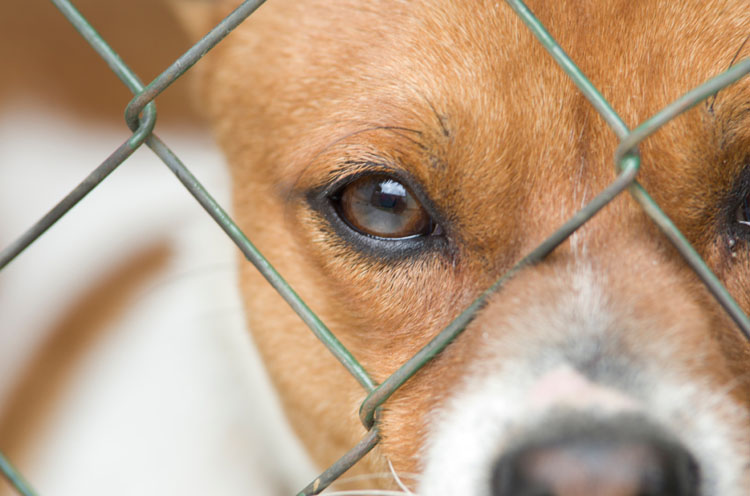
Assuming all rescued dogs are unable to learn is hogwash. Recently, a friend asked if a rescue dog with a history I cannot disclose is easier to adopt. Hmm good question. Before I could chime in, I was alarmed at many misguided recommendations by well meaning individuals.

Then I became angry. What about all the wonderful dogs found wandering the streets? They have no known history, so are they not adoptable? Plus, many dog owners limit their rescue dog’s abilities and talents due to their dog’s past.

Whoa, let’s chat about this very emotional topic. As always, I have an opinion.

Can Your Dog’s Past Haunt Him?

Yes, I believe it can.

During dog training class, many of my dog training clients brokenheartedly shared: “My rescue dog was severely mistreated, so he’s unable to (fill in the blank).” My eyes widened every time and then I replied as delicately as possible, “Don’t allow your dog’s past to haunt him. He can learn anything. It just takes some skill from me and you.”

Dogs are extraordinary creatures–so complex and so forgiving. They’ve proven time after time–even after living in deplorable conditions–they bloom into darling companions when placed in a safe, trusting and rewarding environment.

Many years ago, I was part of a rescue effort to remove a Rottweiler that had been tied to a tree all his life surrounded by dead and decaying goats as his only food source. This dog had every excuse to hate mankind. He was treated horribly. But as we approached, I could see his face softening and kindness pouring from behind his eyes. Once cleaned and fattened up, he was adopted by a lovely couple that immediately began teaching him polite manners, and eventually became a therapy dog. Yup, if someone judged his past, he would’ve never left the shelter.

Now, past bite histories can linger and some should. Before condemning a dog, experts need more information before assuming anything. Who did he bite, where and why? Many times, a dog’s past is so diluted. These answers are essentially worthless. They should never be discarded, but investigated.

RELATED: Adopting a Rescue Dog

What is the Dog Saying?

Instead of listening only to a dog’s past, it’s important to look at the dog’s current behavior in his new environment. What is his body language saying? Experts will expose him to different situations and watch his reactions and choices. This is the real test. Decisions are made after evaluations by experts.

Now, dear reader, I won’t fool you with promises of fairytale endings and pots of gold, as some dogs reveal themselves during evaluations and it’s not all roses and sunshine. When dangerous behaviors rear their ugly heads, it’s up to rescue experts to decide if these behaviors can be modified and if the dog can be safely placed in a home. Sometimes, hard decisions are made for the safety of people, dogs, communities and other pets (yes, mother nature can be cruel).

Back to my point: I think it’s unfair to deem dogs with unknown histories unadoptable. Always evaluate the dog first, and then make a decision.

Let It Go, Shake It Off

Recently, I saw a Saturday Night Live skit floating through several online communities and I’ll admit, I laughed. Dog owners were discussing their rescue dogs and trying to outdo each other’s rescue story. Trust me, I’m not giggling at the terrible situations dogs had to endure, but I am chuckling at dog owners claiming to have the worst rescue story. Why did this strike a cord, you may ask?

Because it happens every day. Someone is always trying to prove her dog was neglected more than another person’s dog. At first, when I heard this badge-of-honor banter, I was horrified and truly offended, but now I know. After many years of experience, it’s human nature. I just shake it off and listen to the true meaning that is they’ve opened their hearts to a dog in need.

This, my friends, is how a dog’s history can circle around and haunt him again. Don’t hold on to your dog’s painful past. Let it go and move forward by teaching your dog fun and new behaviors–the sky is the limit. Next time a friend says, “My rescue dog can’t do (fill in the blank) because he’s a rescue,” ask her to shake it off . 🙂

You may also like: Defensive Dog Aggression

Filed Under: Clients, Dogs, Training Tagged With: adopt a dog, adopted dog information, dog training, Dog Training Tips, finding a rescue dog, finding the right rescue dog, how to teach a dog, how to train a dog, recuse dog training, rescue dog information, rescue dog tips, rescue dog training tips, rescue dog with past, teach a dog, train a dog

What to Do When Your Dog Hates Your Spouse

August 11, 2015 by Fanna Easter

My Dog Hates My Spouse

My Dog Hates My Spouse
oneinchpunch/iStock

When your dog hates your spouse, the entire relationship dynamic is shaken. In a nutshell, this is resource guarding. Your dog sees you as a valuable resource (i.e. you provide food, water and shelter) and wants to keep it that way.

To combat this dog behavior, your new household motto should be “everything fun comes from your disliked spouse.” By pairing fun things with your spouse, your dog will learn your spouse is actually quite nice. Think of it this way: when the disliked spouse is around, all good things rain from the sky. When the spouse leaves, all fun stops.

Regardless of your dog’s history, he can certainly learn to trust and bond with new people.

Quick Note for Favored Spouse

By pairing fun things with your spouse, your dog will begin to befriend him, so prepare yourself. Many times, this process is halted because the favored spouse becomes jealous. Her dog is now lying on her spouse’s lap and she feels left out and–dare I say–abandoned. When these emotions stir, tell yourself it’s the right thing to do for your dog and your spouse. Refrain from making snarky comments and, instead, admire and encourage your spouse for bonding with your dog.

Your dog will still adore you and much more so because you’re teaching him how to bond with others, which is a priceless gift. Plus, it’s not fun being left out. As your disliked spouse can attest, it’s downright degrading. Support and encourage your spouse and, of course, still cuddle with your dog. 🙂

Your Dog is Not Protecting You

Some people feel protected and safe when their dogs growl or charge at other people, but it’s actually quite disabling to your dog. You’re teaching your dog to fear everything, so he’s constantly lashing out. Your dog’s living in a constant state of fear. Plus, dogs of all sizes can cause real harm, so encouraging this misguided behavior is downright dangerous. What if a child or elderly person approaches you and your dog tries to bite? You will be held liable per strict laws pertaining to dog bites and you can lose your dog. It’s not fair to your dog.

RELATED: Submissive Urination in Dogs

Training Your Dog to Like Your Spouse

Your Dinner is Served

Going forward, the disliked spouse should serve your dog’s meals. To make it extra fun, try adding some canned food or dollop of yogurt. If the favored spouse is preparing meals when the disliked spouse is not home, then skip the extra food stuff. Save the lusciousness for meals served by your spouse to continue pairing good things with the disliked spouse.

Shall I Feed You Hot Dogs?

Ask your spouse to teach your dog new tricks and reward with high value treats, such as hot dogs. When your dog comes when called in the backyard, your spouse should reward with a jackpot (giving two to five treats at once).

Prepare peanut butter stuffed toys for your dog to enjoy when your spouse is around. Purchase new toys and keep them hidden until your spouse arrives home. Interactive games are awesome. Your spouse and dog should play “find the treat.” Just remember: all fun should come from your spouse.

Long Walks

This is actually a great way to bond with a new dog. You’re both in a new environment with space between you. Dogs find choices just as rewarding as treats, and during walks, they can choose the space between you. The favored spouse can tag along, but ask the disliked spouse to hold the leash so he can encourage your dog and reward good behavior.

Don’t Force Love

Your spouse should build trust with your dog and forcing any type of contact can certainly fracture all trust within seconds. Move at the dog’s pace. If he quits playing, then the game is over. Don’t push it.

If your dog charges or growls at your spouse, don’t punish this behavior. It’s like teaching a child never to say “no” when he’s scared. Boundaries are important in life, so respect your dog’s boundaries too. Instead, your spouse should turn away and ignore your dog. However, there are consequences to actions. Rather than letting your dog march back to you after charging at your spouse and lie back on your lap, crate your dog in another room with a yummy food stuffed toy while you and your spouse enjoy alone time.

If It Gets Worse or Bites Happen

Disliked spouses should not endure biting or constant threats. It’s not fair to your spouse or dog. Plus, you’re allowing your dog to practice unwanted behavior, which makes it much worse. Partner with a professional dog trainer or veterinary animal behaviorist for guidance.

Filed Under: Behavior, Clients, Training Tagged With: dog doesn't get along with spouse, dog hates boyfriend, dog hates girlfriend, dog hates husband, dog hates spouse, dog hates wife, dog is scared of husband, dog is scared of wife, dog training, Dog Training Tips, how to teach a dog, how to train a dog, teach a dog, train a dog

4 Tips for Traveling With Dogs

August 4, 2015 by Fanna Easter

Traveling With Your Dog

Traveling With Dogs
lilu13/iStock

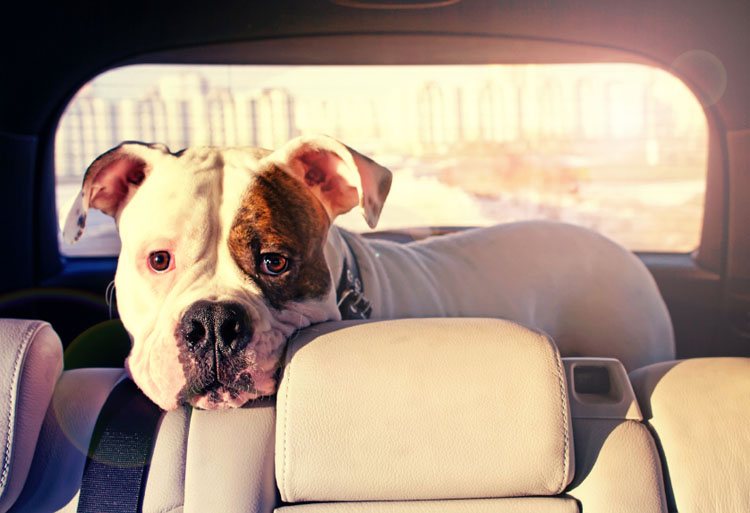
While summer was fashionably late this year, she showed up scorching hot and full of humidity! Traveling during extreme temperatures can be downright dangerous, especially with dogs. Take a few minutes to prepare. Just like preparing for road trips during the winter, you’ll need some essentials before heading out for summer fun.

Must Have Air Conditioner

Yes, keep your air conditioner blowing. Dogs have a built-in fur coat and need access to cool air to prevent heat exhaustion. Even if a dog’s coat has been shaved short, he still needs access to cool air. Dogs cool themselves differently. Humans sweat when hot while dogs pant, making it a bit harder to cool during extreme heat. Never travel with your dogs in the back of a truck during summer–it’s just too hot. Hot air blowing is still hot, so keep your dog inside where he’ll be safe and cool.

Bring Frozen Goodies in a Cooler

Pack a cooler with frozen water jugs and food stuffed toys topped off with ice. As water jugs defrost, offer your dog cool water every two to three hours. Also, you can purchase Kool Koats and soak them in water to wrap around your dog during extreme heat. Better yet, place them in your dog’s crate, so he can lie on them as needed. I keep my dogs’ Kool Koats in the cooler, so they’re accessible whenever I need them.

Traveling dogs need something to do, so give them a frozen peanut butter toy to enjoy while the family cools down with ice cream cones. For best results, freeze toys overnight before traveling, so they last awhile.

RELATED: Interactive Dog Toys for Car Rides

Travel Early

Temperatures are obviously lower in the early morning, so heading out before the sun comes up will help beat the heat. Plus, your vehicle has a chance to cool completely, which is easier to maintain since heat builds throughout the day.

While traveling late in the evening is a cooler option, it seems to be much cooler during early morning hours. Although traveling at 9 pm is much cooler than noon! When possible, plan to travel during cooler temperatures.

If Stuck in Traffic

It happens and it’s so frustrating, especially when it’s 103 degrees outside. It’s like your vehicle’s air conditioner just can’t keep up. Everyone becomes really grouchy and your dog starts to pant–take quick action. Give your dog cool water and a frozen toy. It probably won’t hurt to toss his Kool Koat in his crate, so he can lie on it to cool himself down. Worse case scenario when it becomes really hot, pour cool water from the cooler over your dog’s body until traffic gets moving again.

Stay cool this summer!

Filed Under: Clients, Safety, Training Tagged With: best dog travel tips, dog training, Dog Training Tips, how to teach a dog, how to train a dog, road trips with dogs, summer road trips with dogs, summer travel tips dogs, summer travel tips puppy, summer travel with pets, teach a dog, train a dog, traveling with dogs hot, traveling with dogs summer

  • « Previous Page
  • 1
  • …
  • 13
  • 14
  • 15
  • 16
  • 17
  • …
  • 23
  • Next Page »

About

Dog Training Nation is a community of dog trainers, dog owners and dog lovers. Our mission is to provide trainers and owners valuable information to enrich dogs' lives. We cover a range of topics, from socializing puppies to dealing with aggressive dog behavior to selecting the best dog products. It is our hope you share our content to make the dog and owner world a better place.

​

Facebook

Video

Dog Training Nation is a dog training blog for pet owners and dog lovers. We cover a range of topics from puppy socialization tips to dog aggression to dog health. It is our hope you share our content to make the world a better place for dogs.

Dog Training Nation

Quick Links

Dog Training
Dog Behavior
Dog Training Videos
Become a Dog Trainer
About
Contact Us

Copyright © 2026 · Lifestyle Pro Theme on Genesis Framework · WordPress · Log in