Dog Training Nation

In Dogs We Trust

  • Home
  • Training
    • Dogs
    • Puppies
    • Clients
  • Behavior
    • Breeds
  • Health
  • Safety
  • Resources
    • Equipment
    • Books
  • Dog Training Videos
  • About
You are here: Home / Archives for Resources

Leather Furniture And Dogs: How To Protect Your Furniture

October 5, 2016 by Fanna Easter

How to Make Leather Furniture and Dogs Work
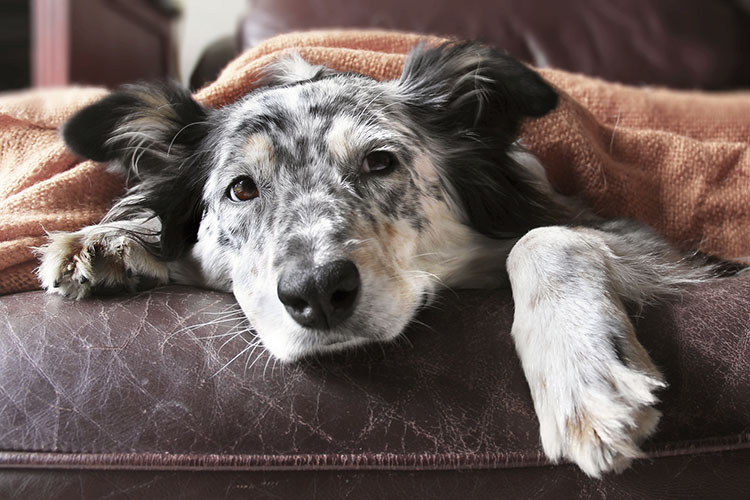
Leather Furniture and Dogs
Lindsay_Helms/iStock

If you share your home with dogs, you’ve likely searched for and purchased dog-friendly furniture. Like most dog owners, we purchased leather chairs and sofas because they’re easy to clean and puncture-resistant. After a few months though, our leather furniture looked beat up, and I soon learned leather isn’t indestructible. Vinyl and leather furniture options are certainly dog-friendly, but you have to take good care of them for maximum benefits.

Leather Furniture Care

Use a Quality Leather Cleaner

Every 2-3 months, your leather furniture needs a thorough cleaning with a good quality leather cleaner. Leather is tough, but temperamental, so I suggest only using gentle leather cleaners. Everyday household cleaners, vinegar, baking soda and water are simply too harsh and can harm leather. Remember, leather is cow skin that’s been tanned and dyed, so harsh chemicals can cause discoloration and dryness.

RELATED: Dogs and Carpets: 4 Tips to Keep Carpets Clean With Dogs

Gentle leather cleaners will remove stains, slobber and grime, and the before-and-after difference is amazing. Before using leather cleaners, it’s best to vacuum your furniture to remove any dog hair first. Then, spray leather cleaner on a soft white towel and massage the cleaner onto your leather furniture. Over the years, I’ve found small circular motions work best.

Don’t forget to clean all cushion sides and the back of your furniture. I’ve used cleaning products made especially for leather sofas in the past, however, these products either left a sticky residue or streak marks behind. We’ve used Meguiar’s Gold Class Leather & Vinyl Cleaner for years. I swear it’s magic.

Condition Leather Furniture Regularly

After cleaning your leather furniture with a gentle leather cleaner, it’s time to moisturize. If leather is allowed to dry out, it will crack, flake, discolor and become susceptible to punctures. All leather furniture needs to be conditioned every 2-3 months, especially if your furniture sits in direct sunlight, gets regular use or is located in a dry climate.

For years, we’ve used Meguiar’s Gold Class Leather Conditioner and it works wonders! Honestly, it restores leather furniture back to its original condition; I’m shocked every time. We’ve tried leather cleaning and conditioning combos in the past, and they just didn’t condition leather thoroughly. Plus, they wouldn’t last as long. If I’m doing all of this work, it must last. 🙂

Using a clean soft white cloth, pour a tiny amount of leather conditioner on the cloth and start massaging onto the leather. Use small circular strokes, and don’t forget to condition the outer sides, sides of cushions and back of leather furniture. Now, stand back and admire your work. Your leather furniture will look and feel brand new.
UP NEXT: Protect Your Car Interior From Your Dog

Filed Under: Clients, Equipment, Resources, Training Tagged With: best way to clean leather furniture with dogs, dog training, Dog Training Tips, dogs and leather sofa, how to clean dog slobber off leather, how to clean leather furniture, how to train a dog

Why Montreal’s City-Wide Pit Bull Ban Isn’t The Answer

October 3, 2016 by Fanna Easter

Pit Bull Bans: Why Montreal is Wrong

Pit Bull Bans
GregCourville/iStock

The City of Montreal passed a Pit Bull ban on Tuesday, September 27. New ownership of Pit Bulls and Pit Bull mixes are now banned from the city as of Monday, October 3. Previous pet owners of Pit Bulls or Pit Bull-type breeds are obligated to follow strict new laws.

Those laws require Pit Bull owners to:

  • Pay $150 for special permitting
  • Complete a criminal background check
  • Sterilize, microchip and vaccinate their dogs
  • Keep their dogs muzzled and leashed in public

If you’re not outraged yet, it gets worse. Montreal has mandated all Pit Bulls and Pit Bull mixes currently in rescue or animal control to be euthanized.

Yes, you read that right. Montreal just wrote a death sentence for innocent dogs, and this death sentence is based on complete ignorance. This new and absurd Pit Bull ban goes into effect today, and I’m livid about it.

I’m angry, and you should be too.

History of Breed-Specific Legislation

Over the last decade, American Pit Bull Terriers have been the target of completely biased discrimination. It started across the pond in Europe where the country began banning certain breeds to reduce dog bite incidents. The idea of banning what they considered were dangerous dog breeds trickled worldwide.

Not only were thousands of innocent dogs killed due to breed-specific legislation, but many families were also forced into expensive legal battles to keep their dogs. Unfortunately, many pet owners lost the legal fight and their furry family members had to pay the ultimate price.

When dog breed banning was introduced to the US, it had a domino effect. Banning certain breeds of dogs spread through cities and states like wildfire. Interestingly, breed banning picked up momentum when mainstream media discovered a huge bump in ratings while covering Pit Bull maulings. The media used this to their advantage and began reporting on Pit Bull incidents.

Within weeks, US media broadcasted anything related to Pit Bulls, continuing to paint Pit Bulls as dangerous dogs. When Pit Bull bites decreased, media then shifted their focus to mixed breed dogs that resembled Pit Bulls. Eventually, the media would cover other dog breeds and make them look vicious too.

RELATED: Training Pit Bulls

What is Considered a Dangerous Dog

Don’t get me wrong, there are certainly dangerous dogs in the world, but that’s based on behavior and not appearance. As a professional dog trainer, I’ve met scary dogs of all sizes and shapes. I knew these dogs could certainly do some damage if provoked. Sure, large dog bites will hurt more than bites from smaller dogs, but does that constitute banning all large dog breeds? American Pit Bull Terriers are actually smaller than Labrador Retrievers and Golden Retrievers, yet they’re the most popular dog breeds.

Pit Bulls Don’t Have More Powerful Bites

Pit Bull dogs don’t have a higher pressure per square inch (PSI) bite compared to other dogs nor do they have a “locking jaw.” Both of these ridiculous allegations are Pit Bull myths. Dr. Lehr Brisbin of the University of Georgia states: “The few studies which have been conducted of the structure of the skulls, mandibles and teeth of Pit Bulls show that, in proportion to their size, their jaw structure and thus its inferred functional morphology, is no different than that of any breed of dog.” (American Pit Bull Foundation, n.d.)

Pit Bulls Aren’t the Only Breed That Gets Banned

When breed-specific legislation became common practice, cities and countries quickly added additional breeds to their dog ban list. Within days, dog breed banning lists included Rottweilers, Bull Terriers, American Staffordshire Terriers, Dalmatians, Shari Peis, Bulldogs, German Shepherd Dogs, Dobermans, Rhodesian Ridgebacks, any type of Mastiff dogs and Chow Chows. Toso Inus, Dogo Argentinos and Fila Brasilerios were also added to breed bans worldwide despite being rare dog breeds. Are cities, states and countries jumping on the breed banning bandwagon? It sure seems so!

RELATED: Do Different Dog Breeds Learn Differently?

Mixed breeds are targets too. If a dog is mixed with any of the above-mentioned breeds, they’re subjected to dog ban laws as well. I’m not sure how those laws work because identifying Pit Bull mixes isn’t that easy. I’ve trained dogs for more than 23 years, and I can’t identify Pit Bull mixes. Plus, who am I to judge a dog’s fate by his appearance? Montreal passed a Pit Bull breed ban after a “Pit Bull” had killed a woman. The part that confuses me is the dog wasn’t even a Pit Bull. DNA results proved otherwise!

Why Breed Banning Doesn’t Work!

Laws are meant to keep everyone safe, including dogs. When breed-specific legislation spread across the world, something interesting happened. Studies found that banning certain breeds of dogs doesn’t work. Banning dog breeds doesn’t stop or decrease dog bites. Data shows dog bites continue to rise in areas where certain breeds of dogs are banned.

When city officials picked up on this data, many overturned Pit Bull bans. Entire countries even lifted their breed bans. Armed with this data, I don’t understand how the City of Montreal legally passed its new Pit Bull ban law when data clearly shows banning dog breeds doesn’t work.

Moreover, a task force found that the public’s safety hadn’t improved as a result of a Pit Bull ban. The county had spent more than $250,000 per year to round up and destroy banned dogs, yet safety levels remained the same (American Bar Association, 2009).

When researching credible dog bite data online, question the motive of certain organizations that cherry-pick data. Choose reputable sources with actual experts, such as the American Bar Association, CDC, ASPCA, HSUS and American Veterinary Medical Association.

What You Can Do to Save Innocent Dogs

“Doing nothing basically means you agree with the current situation.” This quote haunts me every time I stumble across an injustice. We need to do something and we need to do it now. When we work together, we can move mountains!

We can still overturn this Pit Bull law. Canadian veterinarians, Montreal SPCA, American Bar Association, outraged pet owners and ordinary people are voicing their opinions about this new law. Contact city officials or sign a petition here. If you’re a writer or blogger, please share your thoughts on Montreal’s horrible decision.

Dogs don’t have a voice, but we do. Please speak for all dogs today.

Filed Under: Breeds, Dogs, Resources, Safety, Training Tagged With: breed specific legislation, dog breeds, dog training, Dog Training Tips, how to stop pit bull ban, how to teach a dog, how to train a dog, montreal pit bull ban, pit bulls

5 Tips for Stress-Free Veterinary Visits

September 30, 2016 by Fanna Easter

Stress-Free Veterinary Visit Tips You Need

Stress-Free Veterinary Visits
Catherine Yeulet/iStock

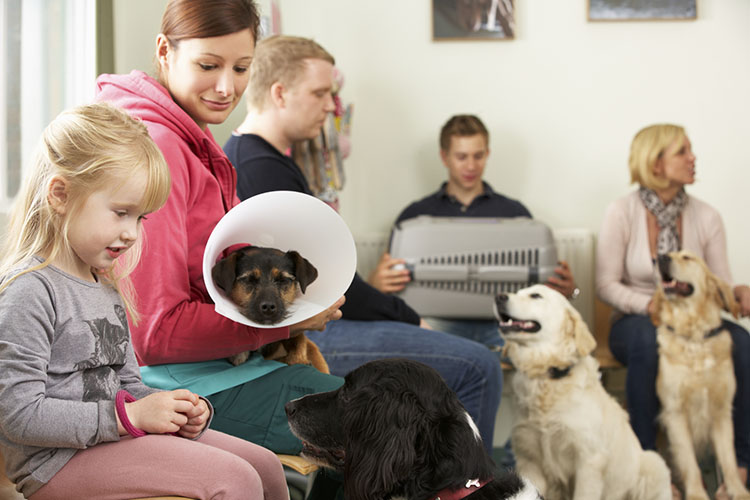
Sitting in a packed veterinary clinic waiting room is stressful. I get hives just thinking about it. As a dog trainer, pet parent and past vet tech, I’ve witnessed dog fights happen within seconds.

Some pet owners would get bitten and scratched by their own stressed dogs. Some dogs would shake, bark, drool or hide due to stress. Stress causes fear, and packed waiting rooms certainly can cause a dog to fear the vet’s office.

Give these tips for stress-free veterinary visits a try. You’ll be surprised how well they work! I know because this is exactly how I manage veterinary waiting rooms with my personal dogs and clients’ dogs.

Always Leash Your Dog

Dogs must be leashed at all times, especially when walking into and waiting in a veterinary clinic’s waiting room. Keep retractable leashes at home because they’re too unpredictable. If you don’t have a dog leash, ask the receptionist if you can borrow one before bringing your dog inside the clinic. Even if you plan to hold your small dog in the waiting room, make sure your dog is leashed.

Keep Your Distance

Dogs are stressed at the vet’s office, so it’s best to maintain at least 3 feet away from other dogs and cats. When walking into the waiting room, look for a quiet corner. If the waiting room is packed, ask the receptionist to place a chair in a quiet corner for you and your dog. Trust me, I’ve sat in the employee break room before. 🙂 While waiting, shorten your dog’s leash to prevent him from wandering around and visiting other dogs or people.

Don’t Allow Petting

Veterinary visits are already stressful, so it’s best not to allow strangers to pet your stressed dog. If a child or person walks over and asks to pet your dog, politely explain that your dog is nervous and he needs to relax before meeting the vet. Even the sweetest dog can become so stressed that he growls or snaps at a stranger. Be your dog’s advocate during stressful situations. It’s our job to keep our dogs safe.

Play Games

This is a big one! Bring plenty of super yummy treats and play a dog game while waiting. Play several sessions of “touch” by redirecting your dog’s face away from the waiting room commotion. If you’re sitting in a corner, hold your hand against a wall and say “touch.” If you’re flanked on both sides by pets, hold your hand against your chest and say “touch.”

Fun games for dogs followed by yummy food rewards will successfully redirect your dog’s attention to something fun instead of stressing over waiting room distractions.

If All Else Fails, Sit in Your Car

Some veterinary clinic waiting rooms resemble rock concerts, which is very unfortunate. If your dog’s uncomfortable around other dogs, people or children, then it’s best to wait in your car with your dog.

Bring a friend along for the ride and ask her to sit with your dog while you check in at the front desk. Explain to the receptionist that your dog is uncomfortable around other dogs, and that you’ll be waiting in your car until an exam room is open.

Ask the receptionist to walk outside and let you know when they’re ready for you and your dog. Also, ask if you can use a separate entrance, so you can completely avoid the packed waiting room. Most veterinary clinics will readily comply with your request.

Good luck!

Filed Under: Health, Resources, Safety Tagged With: dog barks at other dogs at vet's office, dog hates vet waiting room, dog is scared vet's office, dog scared vet waiting room, make vet offices fun, veterinary waiting room tips

7 Tips On Being A Responsible Dog Owner

September 28, 2016 by Fanna Easter

Responsible Dog Ownership Tips

Responsible Dog Ownership
Halfpoint/iStock

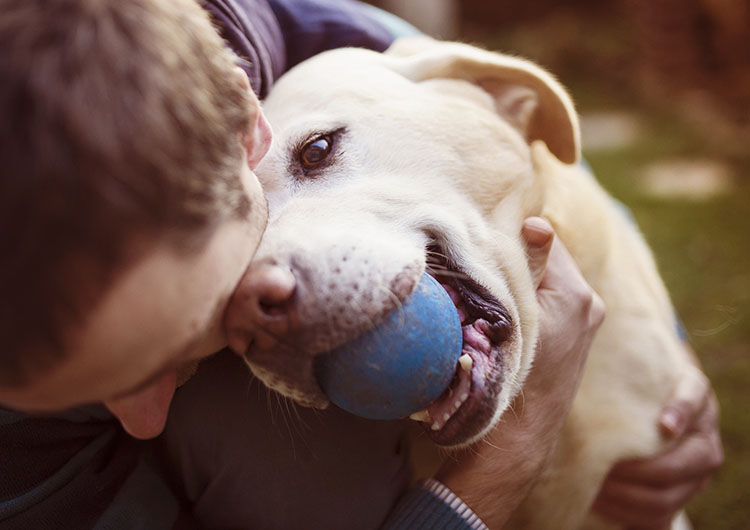
All dogs and puppies need a responsible pet owner. Responsible dog ownership goes beyond meeting your dog’s primary needs, such as fresh water, high quality food and climate-controlled shelter. Responsible dog owners need to meet their dogs’ emotional needs and keep their dogs safe and healthy too.

1. Meet Your Dog’s Emotional Needs

Dogs need more than water, food and shelter. They also need comfort, mental enrichment, kindness and compassion. It’s so important to connect with your dog daily. You can do this by taking a walk around the block, playing fetch in the yard, petting or simply talking to your dog.

When your dog is left home alone, it’s important to provide plenty of mental enrichment. Fill interactive dog toys with food, hide treats behind furniture or scatter your dog’s kibble on the floor. These simple steps will keep your dog mentally fulfilled even while you’re away.

2. Prioritize Regular Veterinary Care

Dogs are stoic, meaning it’s difficult to immediately notice that something is physically or mentally wrong with them. Even if your dog is rarely sick, you should bring your dog in for annual veterinary check-ups. During these check-ups, your veterinarian will carefully examine your dog, perform blood work and make recommendations if needed. When in doubt, have your vet check it out.

3. Keep Your Dog Leashed

Leashes are your dog’s safety lines. Dogs don’t understand that moving cars are deadly or wandering off is unsafe. Leashes keep our dogs safely with us. They prevent dogs from running off and unintentionally scaring or hurting other dogs, people or livestock.

RELATED: What to Do When Your Puppy Won’t Walk on Leash

4. Pick Up After Your Dog

No one likes stepping in dog poop. 🙂 Plus, dog poop spreads disease and intestinal parasites as well as attracts flies. Please pick up after your dog and properly dispose of your dog’s fecal matter. This responsible dog ownership tip even applies when you’re in your own backyard.

5. Train Your Dog

Just like human children, puppies and dogs need to learn polite manners. Enroll your puppy or dog into a group dog training class with a positive reinforcement dog trainer. Your puppy or dog will learn how to behave politely around other dogs and people. Plus, attending weekly group training classes will certainly meet your dog’s mental and emotional needs too. 🙂

6. Groom Your Dog

Regular dog grooming keeps your dog’s skin and coat healthy, and it provides a positive bonding opportunity between you and your dog. Remember, dogs are stoic. Responsible dog owners are more likely to notice lumps, bumps, swelling or painful areas during a grooming session. Brush your dog weekly and bathe your dog as needed. That could be weekly or monthly, depending on your dog’s coat needs.

7. Microchip Your Dog

Take 10 minutes and permanently ensure your dog can be safely returned to you if she should get lost. Collars with ID tags are great, but they can fall off or someone can take them off. It takes 5 minutes to microchip your dog and another 5 minutes to register the microchip with your contact information. Do it. It’s worth it.

Filed Under: Behavior, Clients, Resources, Training Tagged With: before you adopt a dog, dog training, Dog Training Tips, how to be a responsible pet owner, how to teach a dog, how to train a dog, pet parent duties, responsible pet ownership, what all dog owners should do

Dogs Can Benefit From Mud Baths As Well

September 26, 2016 by Fanna Easter

Mud Baths for Dogs

Mud Baths for Dogs
studioportosabbia/iStock

It’s a rare occasion when I can combine my dog training knowledge with my professional cosmetology license, but here it goes! If your dog has dry, itchy or flaky skin, a mud bath just might help. Dog mud baths have become recently popular, but humans have benefited from mud baths for thousands of years. Check out the benefits of mud baths and tips on giving your dog a mud bath.

Benefits of Dog Mud Baths

Mud baths contain mud, essential oils, minerals and moisturizers. While this seems simple, each ingredient has a special purpose for your dog’s skin. Without mud, other mud bath components, such as essential oils and moisturizers, wouldn’t be as effective.

Why Mud?

Mud contains tiny granules of dirt and clay mixed together with water. When massaging mud onto your dog’s skin, tiny granules of dirt remove dead and dry skin, which leaves soft skin behind. Once your dog’s skin is exfoliated, newer skin can be treated and conditioned with oils and moisturizers.

RELATED: 5 Grooming Tips for Short-Haired Dogs

Moisturizers

When choosing mud baths for dogs, it’s important to understand your dog’s skin and coat needs first. If your dog has dry and flaky skin, choose a mud bath containing moisturizers that will soften your dog’s skin without leaving a greasy residue behind. Exfoliating and moisturizing your dog’s skin regularly (once a month) is an excellent idea, especially if living in a dry climate or during shedding season.

Essential Oils

While mud is the powerhouse of mud baths, essential oils play an equally important role too. Essential oils begin working while you’re massaging mud onto your dog’s skin, and they work afterwards too. These oils are powerful because they are calming, have antiseptic and antibacterial properties, and can certainly remove impurities from your dog’s body. Plus, essential oils leave behind an amazing aroma that lasts for several days.

How to Give Your Dog a Mud Bath at Home

Massage

Mud baths are different than shampoos in that mud baths are made especially for your dog’s skin. Once your dog is in the tub, wet his coat thoroughly and then apply mud bath onto your dog’s skin. Once your dog is covered with mud bath, slowly massage the product onto your dog’s skin, applying light pressure. Massaging is key to giving your dog a mud bath. The light circular or linear finger movement that occurs during massages pushes and pulls mud particles against your dog’s skin, which causes exfoliation.

Rinse

Now, it’s time to rinse your dog. Using lukewarm water, start rinsing your dog from head to tail. Keep rinsing until the water running off your dog is clear. If you still feel a light residue in your dog’s coat, you can wash your dog with a mild shampoo.

Blow-Dry

After rinsing your dog’s skin and coat completely, it’s best to blow-dry his coat. When blow-drying your dog, use the least amount of heat possible and keep the dryer moving. Never dry one spot of your dog’s coat, as it can burn his skin. As you’re drying your dog, you’ll notice his skin looking clear and flake-free and his coat amazing.

Have you given your dog a mud bath? Please share your experiences below!

Filed Under: Grooming, Health, Resources Tagged With: choosing a dog mud bath, giving dog mud bath, is mud bath good for dogs, mud bath dog, mud bath pet, mud bath puppy, mud treatment dog, mud treatment puppy

  • « Previous Page
  • 1
  • …
  • 16
  • 17
  • 18
  • 19
  • 20
  • …
  • 55
  • Next Page »

About

Dog Training Nation is a community of dog trainers, dog owners and dog lovers. Our mission is to provide trainers and owners valuable information to enrich dogs' lives. We cover a range of topics, from socializing puppies to dealing with aggressive dog behavior to selecting the best dog products. It is our hope you share our content to make the dog and owner world a better place.

​

Facebook

Video

Dog Training Nation is a dog training blog for pet owners and dog lovers. We cover a range of topics from puppy socialization tips to dog aggression to dog health. It is our hope you share our content to make the world a better place for dogs.

Dog Training Nation

Quick Links

Dog Training
Dog Behavior
Dog Training Videos
Become a Dog Trainer
About
Contact Us

Copyright © 2026 · Lifestyle Pro Theme on Genesis Framework · WordPress · Log in