Dog Training Nation

In Dogs We Trust

  • Home
  • Training
    • Dogs
    • Puppies
    • Clients
  • Behavior
    • Breeds
  • Health
  • Safety
  • Resources
    • Equipment
    • Books
  • Dog Training Videos
  • About
You are here: Home / Archives for Resources

Summertime Dog Food Recipes for Interactive Toys

July 5, 2016 by Fanna Easter

Homemade Dog Food Recipes: Summer Edition

Homemade Dog Food Recipes
margouillatphotos/iStock

Are you looking for fresh and healthy dog food recipes to stuff in interactive toys? I’ve been experimenting lately, and I found a few cool recipes your dogs will love—just in time for summer. These frozen dog treats will taste fabulous, as they include fresh ingredients. In addition, stuffing these recipes into your favorite interactive dog toy will provide your dog much-needed mental enrichment.

Summer Dog Food Recipes

Sweet Potatoes, Molasses & Pears

Start with oven-roasted sweet potatoes, fresh pears, blackstrap molasses and your dog’s favorite interactive toy. No one likes to eat raw sweet potatoes, so peel and dice sweet potatoes into one-inch chunks. Cook them in the oven at 350 degrees until each chunk is completely soft in the center. Chop fresh pears into thick-cut French fry slivers and set aside.

Now, toss a few sweet potato chunks into the bottom of your dog’s toy. This will prevent other ingredients from leaking out. If your dog solves food puzzles quickly, smash the sweet potato inside the toy with your finger, which will make the food puzzle last a bit longer. Once the potatoes are in, drizzle blackstrap molasses over the potatoes; use it sparingly or it’ll leak out of the bottom. For the final layer, shove two to three slivers of pear inside the toy, so that pear ends stick out for easy snacking. Pop into your freezer overnight and voila—a healthy frozen dog treat!

Watermelon & Honey

At the grocery store, grab a container of rindless, seedless watermelon that’s been cut into large chunks and a bottle of honey. When selecting honey, I choose locally grown raw honey that’s in a squeezable bottle. It’ll make filling dog toys much easier.

Once home, gather your dog’s interactive toys and start filling with watermelon chunks. If your dog solves puzzles quickly, smash the watermelon inside the toy. Smashed watermelon will leak, so plug holes with peanut butter (it’s an excellent edible glue). Once all toys are filled with watermelon, drizzle honey on top.

To make this dog food puzzle even harder to empty, layer smashed watermelon, honey and smashed watermelon until the toy is filled. Freeze overnight, and give as treats throughout the day. Make sure your dog has plenty of potty breaks. Your dog will need to potty about 30 minutes after eating a watermelon stuffed toy. 🙂

RELATED: What Human Foods are Bad for Dogs?

Yogurt, Oatmeal & Blueberries

For this recipe, I recommend using plain low-fat yogurt, cooked oatmeal and fresh blueberries. This is a layered food stuffed toy recipe, which means you can creatively layer many different ways. I recommend placing yogurt at the bottom of the dog toy because you can easily clean up any residue left behind. For my dogs, I start with yogurt as the first layer, add a few blueberries for the second layer and add cooked oatmeal for the final layer with blueberries on top. If your dog’s unable to digest dairy, substitute with smashed bananas or canned pumpkin. Freeze overnight and serve as needed.

Fresh food is healthy for dogs, and you’ll notice it’s low in fat too. For dogs watching their waistlines, simply add less food in each toy. Happy summer!

Filed Under: Games, Health, Resources Tagged With: interactive toy recipes, kong recipes, new ideas for dog kong, safe food for interactive dog toys, safe food to put in a kong, summer recipes for dog toys

Inflammatory Bowel Syndrome In Dogs

June 29, 2016 by Fanna Easter

Cure for Inflammatory Bowel Syndrome in Dogs

Irritable Bowel Syndrome in Dogs
Lindsay_Helms/iStock

Inflammatory bowel syndrome (IBS) is a frustrating syndrome. Pet owners with dogs suffering from IBS or inflammatory bowel disease (IBD) are always reading ingredient labels like a detective, scouring the world for something that will relieve their dog’s pain, and trying to figure out how to get medication into their dog successfully without feeling like they’re paying their vet’s car payment.

Worse yet, when you explain to friends, relatives, pet sitters, vets or strangers that your dog has a very sensitive stomach, they perceive you as unhinged. I know that “it can’t be that bad” look very well. If only they knew what you go through every single day; that’s the disadvantage of an invisible symptom and disease. With that said, I finally found a holistic veterinarian in my area to address my Rottweiler’s IBS. Eastern medicine can successfully balance out Western medicine. She suggested a natural supplement that has worked wonders!

Inflammatory Bowel Syndrome Cure

Repair & Strengthen Supplement

During our first holistic vet visit, I explained all the usual symptoms of Sobek’s IBS (I’ll skip the details, as I’m sure you’re aware of them). His worst symptoms of IBS were the whining and pain that would occur a couple of hours after he ate. The pain he felt would last for hours. Our new holistic vet recommended a powdered product that would help heal his stomach and small intestines. As I’m always willing to try new things, I went for it.

Our vet not only described each ingredient, but also explained how each one works very carefully, which was much appreciated. Repair & Strengthen formula contains cold-processed whey protein isolated from grass-fed cows (filtered to remove lactose, carbs and fat), true 6-hour colostrum and organic freeze-dried aloe vera (Aloe barbadensis). The IBS natural cure is free of aloin and anthraquinone. Plus, there are no “other” ingredients, which is wonderful!

RELATED: Get Your Dog Checked for Vitamin D Deficiency

Ingredients

Cold-processed whey protein is loaded with protein and amino acids, and it’s found in the watery stuff from milk. Now, I understood the benefits of aloe vera and colostrum, but I was worried about the whey protein. However, our vet said she’s had great success with difficult to treat IBD and IBS patients in the past. So, we tried it.

Colostrum is produced in mammals within the first couple of days. Colostrum milk is packed with immunity fighting antibodies that all babies need. 6-hour colostrum means it was collected within six hours of the mother cow giving birth, and contains higher levels of beneficial proteins, fats and carbs than if it had been collected 12 hours later.

Aloe vera is known to smooth inflammation and has been documented to heal stomach ulcers (Haris, nd). One side effect of ingesting too much aloe vera is diarrhea, which is caused by anthraquinone, but anthraquinone has been removed from this supplement (Haris, nd).

Must Be Taken on an Empty Stomach

Repair & Strengthen supplement must be taken on an empty stomach because it’s absorbed in the duodenum, which is the first part of the small intestine. Each morning, we make a paste with the powder and water, and our picky dog licks away at it. Our vet says it tastes like milk. Then, we wait 30 minutes before feeding him—that’s the hard part. 🙂 During the first couple of days, Sobek would fall asleep about 10 minutes after taking the supplement, which was totally unusual. In the mornings, he’d be hungry and pester everyone until he was fed.

Results

It’s been a couple of weeks since we started Sobek on this dog supplement, and he’s doing amazing! No more episodes of abdominal pain, frequent gas or rumbling tummy. He’s also gaining weight, which has always been a struggle. His thighs are filling out with muscle and his coat is now soft and shiny. His stools are completely normal, and he no longer whines, paces, or moves in and out of prayer position. Wahoo!

It’s Worth a Try

Now, I’m not saying this product is a miracle, but it sure has helped my dog tremendously. You know your dog well. If your dog has reacted to whey protein, then maybe you need to discuss this with your holistic vet first. If your dog is diagnosed with IBS or IBD, or you even suspect it, then I would give this dog supplement a try.

Good luck, and let me know your thoughts!

Filed Under: Health, Resources Tagged With: help for ibd dogs, help for ibs dogs, ibd dogs, ibs dogs, natural tips for ibd dogs, natural tips for ibs dogs, restore and strengthen supplement, restore and strengthen supplement dogs review, supplements for ibd dogs, supplements for ibs dogs

Get Your Dog Checked For Vitamin D Deficiency

June 27, 2016 by Fanna Easter

Dogs Need Vitamin D Too

Vitamin D for Dogs
Boarding1Now/iStock

Honestly, I consider myself an educated doggie momma and dog trainer. I live for continuing education pertaining to dogs and behavior. How the importance of vitamin D for dogs skipped right passed me, I’ll never know. I’ve been checked, and I’m within normal limits, but I never thought about checking my dogs’ vitamin D levels until our holistic veterinarian mentioned testing them.

When she first mentioned testing for vitamin D deficiency, I crinkled my nose. Was she trying to upsell me? She read my expression instantly, and then explained the importance of vitamin D in a dog’s diet. I agreed to have both dogs tested. While we waited for the results, I researched the topic like a mad woman.

Wow, I learned a ton! Although both of my dogs’ tests revealed they’re insufficient in vitamin D—boo.

Why Test Vitamin D Levels in Dogs?

Both of my dogs are hyperactive, have issues digesting certain foods, and have anxiety (stress) or OCD issues. These are issues I can’t control; they’re part of my dogs’ personality and genetic makeup. Impulse control exercises help with hyperactivity, but sometimes my dogs just lose it in new situations. Also, I don’t have a clue on why they can’t digest their food properly—even with enzymes. I don’t mind hyperactive dogs. From my experience sharing a home with both hyperactive and reactive dogs, I think the former is much easier to live with. However, back to vitamin D for dogs.

When our holistic vet walked into the room, she carefully asked questions about each dog’s health history and reviewed both of their past medical records. She explained that vitamin D is extremely hard for dogs to absorb if digestive issues are present. While dogs can absorb vitamin D through their skins like humans, their coats act as a natural sunscreen, which prevents adequate amounts of vitamin D to be absorbed. Plus, she explained that dogs can eat the same food every day, but each dog would probably have a different vitamin D level due to their varying health and ability to absorb it.

While vitamin D deficiency symptoms differ between each dog, she said generally low vitamin D levels could contribute to hyperactivity, anxiety, depression and reactivity. Though, sometimes, dogs don’t show any symptoms, which is why they should be tested. Check out this article on further studies pertaining to vitamin D levels in dogs. It seems to mirror exactly what our vet said.

RELATED: Free Feeding or Scheduled Feeding Dogs: Which is Best?

Testing Your Dog for Vitamin D Deficiency

Testing your dog’s vitamin D level is a simple process that requires the drawing of blood and waiting for the lab results. We received results within 5 days, and I picked up my dogs’ Rx vitamin D liquid supplement the same day.

Interesting Facts About Dog Vitamin D

Here’s what I found most interesting throughout this entire vitamin D adventure. Stella has a very short, light-colored coat (about 50% white coat). She’s a spayed Bull Terrier and a sun-worshipper; she “bully bakes” daily for at least 10 minutes. Sobek, my Rottweiler, has a longer jet black coat and avoids the sun like a vampire. Guess who had the lowest vitamin D level? Stella! Her levels were dangerously low while Sobek’s levels were insufficiently low.

Check out these facts pertaining to vitamin D levels in dogs. These facts were attached to the last page of our dogs’ lab test results, and I found them so interesting.

  • Spayed female dogs are 10% lower in vitamin D than intact females (Sharp, 2015 BMC Res Notes).
  • Dogs with IBD have significantly lower vitamin D levels (median 25 ng/mL) than healthy dogs (Gow, 2011 J Small Animal Pract).

Vitamin D Supplementing

Both dogs consume vitamin D supplements in the form of liquid drops right after a full meal every day. We add these drops into caffeine-free chamomile tea and mix it in with other powder and liquid supplements. It’s been a couple of weeks of supplementation, and I’ve already noticed both dogs sleep deeper and are able to relax quicker when around distractions.

Retesting for vitamin D deficiency is a must! Dogs can overdose on vitamin D with potentially deadly consequences, so monitoring vitamin D supplementation is required by your vet. So many articles suggest throwing in eggs and salmon to supplement your dog with vitamin D, but avoid doing that until you’re certain your dog is vitamin D deficient. Otherwise, vitamin D poisoning in dogs may occur. Digestion plays a huge role in absorption, and a holistic vet can help heal your dog’s tummy.

Once we began supplementing our dogs with vitamin D, we were required to have them both rechecked in 30 days. Time will tell, and I’ll update everyone with another article.

Spend the $75 and get your dog’s vitamin D level tested. It’s worth it. 🙂

Filed Under: Health, Resources Tagged With: dog vitamin d deficiency, how to test dog for vitamin d, is my dog getting enough vitamin d, low levels vitamin d dogs, should my dog get tested for vitamin d, testing dogs for vitamin d, vit d dog, vitamin d dog levels, vitamin d dogs

Reactive Dog Resources You Need to Get Started

June 24, 2016 by Fanna Easter

Reactive Dog Resources

Reactive Dog Resources
alexandrshevchenko/iStock

As a reactive dog owner, you should stay up-to-date on reactive dog resources and training tips. Dealing with a reactive dog can be difficult, which is why you should seek help from qualified professionals who will provide support, listen to you throughout the entire process, use positive reinforcement training and provide results.

While positive results are important, teaching you how to handle a stressful situation quickly and how to positively change your dog’s behavior is much more valuable in the long run. If you’re looking for answers, check out these resources below. You’ll find plenty of reactive dog resources and dog training solutions. 🙂

RELATED: 5 Reactivity and Aggression Tips That Will Make Your Life Easier

Veterinary Behaviorists

Finding a veterinary behaviorist should be the first step pet owners take when dealing with a reactive dog, but unfortunately many pet owners seek these professionals as a last resort. A veterinary behaviorist is a veterinarian who’s board certified in animal behavior. These professionals treat reactive dog cases every day. Plus, they’re up-to-date on the latest behavior protocols, tests and medications. To find a veterinary behaviorist in your area, check out American College of Veterinary Behaviorist.

If you’re fortunate to live near a veterinary behaviorist, it’s worth scheduling an appointment with that person face-to-face. Now, some pet owners aren’t that lucky. If you’re unable to speak directly to a vet behaviorist, do know that all veterinary behaviorists will consult with your regular veterinarian by phone. There are so many benefits to bringing a veterinary behavior expert into the mix. For example, she can recommend a local qualified dog trainer and point you in the right direction.

Qualified Dog Trainers

Not all dog trainers are qualified to work with reactive dogs; actually, most of them aren’t qualified. Keep in mind there’s no such thing as an animal behaviorist. This is a made-up term in the dog training world. Anyone can call herself an animal behaviorist, as there’s no certification or requirement to do so.

When searching for a qualified dog trainer, you can ask your veterinary behaviorist for a referral. In most cases, she’ll know local dog trainers who have experience working positively with reactive dogs. Seek a dog trainer who is Behavioral Adjustment Training (BAT) certified. These dog trainers know how to use counter-conditioning and desensitization for reactive dog training, and they clearly explain their process to pet owners.

If your veterinary behaviorist doesn’t know of any dog trainers in your area and you’re unable to find a BAT-certified dog trainer nearby, then I suggest searching for a professional dog trainer who specializes in dog reactivity or aggression. The dog trainer you choose should have a minimum of 5 years of experience—not counting school—because it takes years of hands-on experience and continuing education to learn how to successfully change a reactive dog’s behavior.

Check out Karen Pryor Academy of Dog Trainers, Pet Professional Guild, International Association of Animal Behavior Consultants (IAABC) and Animal Behavior College.

RELATED: How to Choose a Good Dog Trainer

Books & DVDs

There are a ton of books that discuss dog behavior and dog reactivity, but many are too difficult to read. I’ve compiled a few must-have books for reactive dog training below. Each book is different and reading them all will help you interpret dog body language and understand why reactive dogs act a certain way and how to change their behavior.

“Calming Signal – What Your Dog Tells You” by Turid Rugaas

This easy-to-read booklet gives you the foundation to both successfully interpret your dog’s body language and change his behavior. If you can’t identify when something bad is about to happen, you can’t prevent it from happening.

“Feisty Fido: Help for the Leash-Reactive Dog” by Patricia McConnell and Karen B. London

This quick read will teach you the importance of an emergency U-Turn as well as how to handle situations when your dog reacts.

“Behavior Adjustment Training 2.0: New Practical Techniques for Fear, Frustration, and Aggression” by Grisha Stewart, M.A., CPDT-KA

This book, which also comes in a DVD set, will teach you how to change your dog’s behavior. Now, this book will be a bit challenging to read for most pet owners, so I highly recommend referring to this book when working with a veterinary behaviorist and qualified dog trainer.

Hopefully, these reactive dog resources will help you get started in your quest for answers. Good luck on your journey. Many of us have taken it with great success. 🙂

Filed Under: Behavior, Books, Clients, Resources, Training Tagged With: dealing with dog aggression, dog aggression, dog aggression tips, dog barks at other dogs, dog barks at people, dog dislikes other dogs, dog dislikes people, dog lunges at other dogs, dog lunges at people, dog trainer dog aggression, dog training, Dog Training Tips, help for dog aggression, help for dog reactivity, how to teach a dog, how to train a dog, stop dog aggression, teach a dog, train a dog

Why You Should Get Certified In Pet First Aid

June 17, 2016 by Fanna Easter

Pet First Aid Certification: Why and How You Should Get It

Pet First Aid Certification
zoran simin/iStock

“Should I become certified in pet first aid?”

You probably know the answer to this question already, which is yes! Just like human CPR, learning how to do pet CPR is a skill you’ll hopefully never need, but if the situation arises, you’ll know exactly what to do. When it comes to obtaining your pet first aid certification, there are a couple of programs to choose from and, as always, I have recommendations for you. 🙂

What You’ll Learn in Pet First Aid

Pet first aid certification is not just CPR anymore. In pet first aid certification programs, you’ll learn how to identify critical situations, such as shock and heat stroke. Plus, you’ll learn how to locate and check your dog’s vital signs, which is an essential skill required during any emergency situation or illness. You’ll also learn how to perform CPR on dogs of different sizes and what to do if a dog is choking. They’ll even train you on how to take care of a dog that is bleeding, impaled or has fractured bones. Some pet first aid courses also discuss management of insect bites too. It’s difficult to discuss, I know, but learning how to manage different emergency situations is a skill all pet owners should learn. With pet first aid training, you’ll learn how to maximize those precious moments while a dog is rushed to a veterinarian.

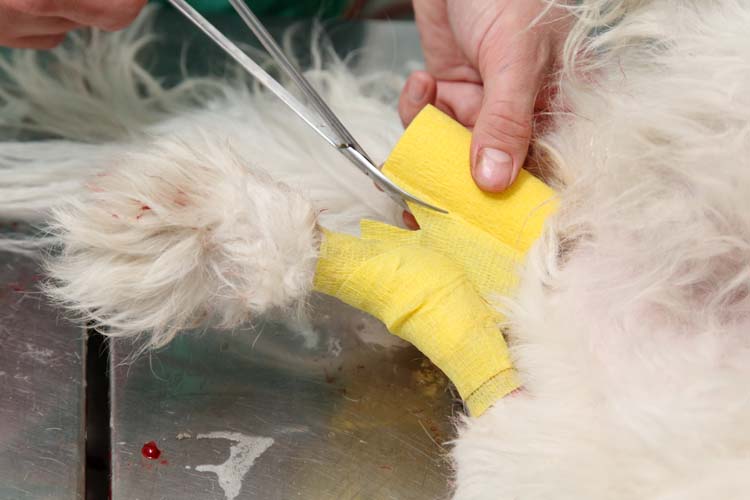
You may also be interested in: Treating Your Dog’s Paw Pad Injury

Pet First Aid Courses

There are several options to choose from. Here are the largest and most reputable pet first aid certification courses currently being offered.

Pet Tech

By far, this is the best pet first aid course out there due to its extensive hands-on workshops. I firmly believe students learn quicker and retain more information in a hands-on classroom environment with a qualified instructor.

Many years ago, I took a Red Cross pet first aid course that had an instructor who covered emergency situations from a book. Several years later, I attended an eight-hour Pet Tech course where I learned so much more and felt confident that I could calmly handle a situation. The hands-on portion was key!

Pet Tech Instructors have all completed an extensive course before teaching hands-on seminars. They work with you during group exercises and one-on-one practice sessions. Also, Pet Tech offers a smartphone app that can be used for reference during emergencies in case you forget exactly what to do.

During the course, I learned:

  • How to perform CPR for dogs of different sizes
  • How to identify and monitor vital signs (identification isn’t easy)
  • What to do if your dog is choking (whether he’s conscious or unconscious)
  • How to identify and handle heat stroke or hypothermia
  • How to control bleeding
  • How to stabilize fractures
  • How to treat minor insect bites
  • How to identify and mange a dog that goes into shock

All of this information teaches an average pet owner how to handle emergency situations when he’s rushing his dog to an emergency veterinarian.

American Red Cross

After doing some research, I don’t think the American Red Cross offers seminars or meetings on pet first aid anymore. They do, however, offer a rather large workbook and DVDs that can be purchased online as well as a smartphone app.

The app covers pet CPR, emergency situations and many other emergency topics. My favorite part of the app is that it can locate a veterinarian near you. This is an invaluable app if you travel with your dogs. The organization also offers pet first aid bags too. If you’d like to take the DIY approach, learn what to pack in a pet first aid kit here.

Which Pet First Aid Certification is Right for You?

Basically, it’s your choice. I do believe the Pet Tech program is far more superior due to its hands-on workshops. On the other hand, if you don’t have a Pet Tech Instructor in your area, downloading a Pet Tech or American Red Cross app will most certainly help you during emergency situations.

Filed Under: Resources, Safety Tagged With: getting certified in pet first aid, how to get certified in pet first aid, pet first aid for pet owners, pet tech review, red cross pet first aid

  • « Previous Page
  • 1
  • …
  • 22
  • 23
  • 24
  • 25
  • 26
  • …
  • 55
  • Next Page »

About

Dog Training Nation is a community of dog trainers, dog owners and dog lovers. Our mission is to provide trainers and owners valuable information to enrich dogs' lives. We cover a range of topics, from socializing puppies to dealing with aggressive dog behavior to selecting the best dog products. It is our hope you share our content to make the dog and owner world a better place.

​

Facebook

Video

Dog Training Nation is a dog training blog for pet owners and dog lovers. We cover a range of topics from puppy socialization tips to dog aggression to dog health. It is our hope you share our content to make the world a better place for dogs.

Dog Training Nation

Quick Links

Dog Training
Dog Behavior
Dog Training Videos
Become a Dog Trainer
About
Contact Us

Copyright © 2026 · Lifestyle Pro Theme on Genesis Framework · WordPress · Log in