Dog Training Nation

In Dogs We Trust

  • Home
  • Training
    • Dogs
    • Puppies
    • Clients
  • Behavior
    • Breeds
  • Health
  • Safety
  • Resources
    • Equipment
    • Books
  • Dog Training Videos
  • About
You are here: Home / Archives for Resources

When Giving Your Dog Coconut Oil, Always Listen to Your Dog

May 4, 2016 by Fanna Easter

Coconut Oil for Dogs
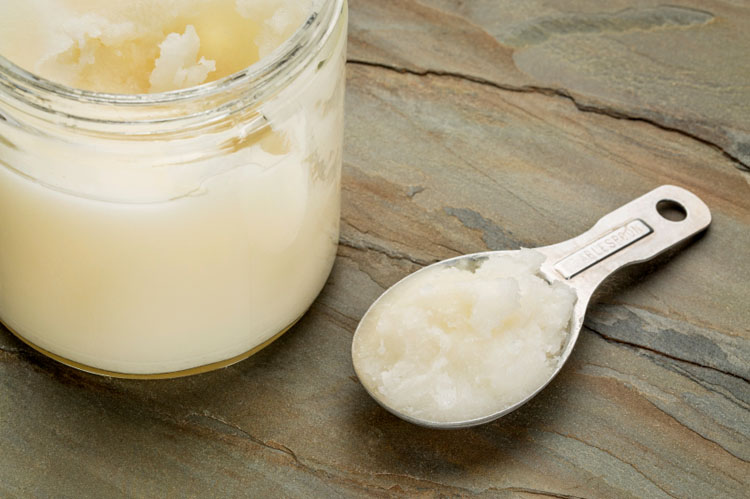
Coconut Oil for Dogs
marekuliasz/iStock

When the coconut oil for dogs craze started, I did not immediately jump on the bandwagon. In fact, I was extremely skeptical. People were putting coconut oil in their hair and their dog’s hair, claiming it cured allergies and was an excellent weight loss/gain product. I watched and listened to pet owners’ results over the years, which seemed to vary greatly.

Then, I decided to give my dogs coconut oil after moving to an extremely dry climate. I did notice a difference, but there’s one huge obstacle to be aware of when starting to give dogs coconut oil. I’m not a veterinarian; I’m a concerned pet owner and dog trainer who will do anything to provide the best for my dogs. With that said, here’s my story and honest opinion about coconut oil for dogs.

It Worked Well, But There’s a Learning Curve

We recently moved to a desert environment. Our previous home was located in the damp and extremely humid South. My dogs and I struggled with the vast climate change, and my Rottweiler started shedding beyond words. His skin, nose and pads were extremely dry, so I decided to give coconut oil a try.

Using Dr. Karen Becker’s recommended dosage of coconut oil for Sobek’s weight (more than 100 pounds), he would need 1-2 tablespoons per day. As with any supplement, I started introducing very small amounts slowly during one meal per day. During the first week, I gave Sobek  ¼ teaspoon of coconut oil once a day during his evening meal. We were trucking along well, so after seven days, I increased the amount to ½ teaspoon for another week. After the second week of feeding coconut oil, I increased his amount to ½ teaspoon during both his AM and PM meals. Sobek was actually starting to look really good. He was filling out a bit, which was an accomplishment in it and of itself since it was extremely difficult to add weight on his slim physique. However, his dry skin was still there and his shedding continued, but he had more energy. Wonderful, right?

Well, here’s where the learning curve kicked me in the teeth. I was too focused on the end goal of 1-2 tablespoons per day, so I continued to increase his daily supplementation slowly. When we reached 1 teaspoon for each meal (twice a day), I noticed Sobek had digestive issues, such as loose stool and upset tummy. We were nowhere near his recommended dosage amount and he was already showing digestive discomfort. Hmm, did I move too fast? Was it too much? What happened?

Listen to Your Dog, Too Much Fat is Painful

Poor Sobek, I immediately reduced his coconut oil dosage to 1/2 teaspoon and limited the frequency to once a day. After a couple of days, and several Pepto tablets, he luckily felt much better. I had continued feeding this amount for a couple of weeks, then increased it to 1/2 teaspoon of coconut oil for each meal. If I tried to increase this amount ever so slowly, he would have digestive issues. Finally, I listened to Sobek and realized 1 teaspoon per day is what his body needs.

Coconut oil dosage varies wildly, so I recommend listening to your dog and sticking with an amount that agrees with him. When increasing amounts, move slowly and watch your dog’s poop and body language. If your dog acts differently and/or his poop becomes soft, immediately reduce the amount. If your dog doesn’t feel better within a day or two, you’ll need to schedule an appointment with your veterinarian.

Many pet owners are focused on the end goal and not what their dog’s body needs. Always listen to your dog. I learned a tough and stinky lesson! 🙂

YOU MAY ALSO LIKE: Turmeric for Dogs

Filed Under: Health, Resources Tagged With: coconut oil dogs, coconut oil puppies, how much coconut oil to feed puppy, how much to feed coconut oil dogs, how to feed coconut oil to dogs, tips on feeding coconut oil dogs

Best Store Bought Dog Training Treats: Dog Trainer Recommendations

April 22, 2016 by Fanna Easter

Best Store Bought Dog Treats

Best Store Bought Dog Training Treats
BettinaSampl/iStock

As a professional dog trainer, super yummy treats are a must-have during dog training sessions. Dog treats are your dog’s paycheck for choosing a polite behavior, and we all work for paychecks. The better the paycheck, the faster good behavior will happen. Fresh soft dog treats are easily the best option for training dogs. Check out why and which dog treat brands are best.

Soft or Hard Store Bought Dog Training Treats?

Oh, there’s a huge difference between soft dog treats and hard dog treats! When teaching new behaviors, you want fun and exciting sessions with lots of yummy treat rewards, but some treats will hold back the process.

I don’t recommend adding low value (dry pieces of kibble or biscuits) with high value treats. When teaching a new dog behavior or changing a dog’s perspective on something, always use high value dog treats every time. When weaning a dog from treats, using a variable schedule of reinforcement (i.e. rewarding the best “sits, downs or whatever” instead of every attempt) works much better once a dog understands a cue in all situations.

Soft Fresh Training Treats

From my experience training thousands of dogs, fresh training treats work best! When selecting dog treats, “fresh” means treats that contain higher moisture content that enhances aroma (smells strongly) and heightens taste. Additionally, fresh dog treats can be easily broken into pea-sized portions, quickly chewed and safely swallowed whole. Most fresh dog treats contain high percentages of meat, which means meat is usually the number one ingredient with a small percentage of vegetables or grains sprinkled in.

RELATED: Pros, Cons & Myths of Canned Dog Food

Dry Training Treats

Dry training treats can become a nuisance during training. They have little smell. If you don’t believe me, take a whiff of freeze-dried cow liver; it smells like nothing. No one enjoys eating scentless food because there’s a pretty good chance it will be tasteless too (hence rice cakes, yuck). Plus, store bought dry dog treats crumble easily, especially when breaking them into small portions for dog training sessions. There’s nothing worse than asking your dog to “down” and he’s busy hunting each and every dropped crumb instead of focusing on you.

If you’ve ever used dry training treats with an easily excited dog, you’ve probably witnessed your dog coughing or hacking after he swallows a dry treat whole. For smaller dogs, they will take their sweet time chewing a dry treat, which quickly deflates a high-energy training session.

Lastly, some pet owners swear their dogs love dry treats, but when I offer a fresh treat instead of a dry treat to their dog, the fresh treat is always gobbled up quickly. Plus, dogs tend to focus on other pet owners carrying fresh treats instead of their owners holding dry treats in their bait bag. Still don’t believe me? Place dry kibble or biscuit next to a chunk of tuna fish–case closed. 🙂

Recommended Dog Training Treats

As promised, check out a couple of brand names I highly recommend. All recommendations can be purchased at your local pet retailer and even large chain versions.

Freshpet

By far, Freshpet is my favorite! Due to an upsurge interest in cooked and raw food, Freshpet hit the pet and grocery store markets several years ago with a bang. Basically, this is a refrigerated cooked dog food with chicken as it’s first ingredient and a bit of vegetables and brown rice mixed in. Also, there’s a grain-free option for dogs watching their carbs. 🙂 Fresh Pet is a balanced dog food, which means it meets a dog’s daily needs if fed as a meal. It’s also made in the U.S.

Personally, I like the resealable bag option of Fresh Pet because it’s super convenient. No chopping needed. Just dump in your bait bag and go! If chopping is your thing, then choose from grain-free or regular rolls options. Now, Fresh Pet needs refrigeration, so I recommend freezing it a bit (1-2 hours max) during warmer months before heading out to group dog training class. As you arrive at the dog training facility, you’ll notice these treats will thaw a bit, but still remain cool during training sessions. Discard any remaining treats. I dump my bait bag contents on the floor for my dog to enjoy as class wraps up. Always wash your hands thoroughly afterwards, and don’t forget to wash your bait bag too.

Natural Balance Rolls

These rolls have been around for a long time, and I still use them during training. Meat is the number one ingredient in each role variety. Natural Balance rolls are nutritionally balanced, meaning these rolls can be fed as your dog’s regular meal (it would get expensive really quick though!).

Unfortunately, Natural Balance tweaked their roll recipe recently, which causes treats to crumble a bit when chopping. A tip: when chopping pea-sized treats, make sure the roll is nice and cold before cutting. This will keep crumbling to a minimum. I must say, dogs love this stuff–crumbs and all! Plus, there’s many protein options if your dog is unable to tolerate chicken or beef.

Natural Balance rolls must be refrigerated too. Freeze chopped treats (about 1-2 hours max) before heading out for training during warmer months. After training, discard any leftover treats. I usually dump my bait bag contents on the floor for my dog to enjoy at the end of class. Always wash your hands thoroughly and your bait bag too.

Regardless of which brand you choose, make sure your dog absolutely adores his or her treats. Fabulous dog treats make training dogs much easier!

Filed Under: Dogs, Equipment, Puppies, Resources, Training Tagged With: best dog training treats, best store bought dog training treats, dog trainer recommended training treats, dog training, Dog Training Tips, dog training treats store, fresh pet dog training treats, how to teach a dog, how to train a dog, natural balance roll dog training treats, teach a dog, train a dog

Dog-Friendly Floor Cleaners That Really Work

April 18, 2016 by Fanna Easter

Natural Floor Cleaners Safe for Dogs

Natural Floor Cleaners
damedeeso/iStock

Over the years, I’ve tried to limit chemicals used in our home due to my severe allergies and, of course, my dog’s health. Keeping my allergies in check means minimal carpet that can easily be cleaned thoroughly. Searching for a chemical-free floor cleaner was challenging, but I finally found a few options.

How to Clean With Natural Floor Products

When choosing a natural floor cleaner, I had a couple of requirements: it must be easy to use and work. Oh, I’ve tried every gadget imaginable until I stumbled upon the Bona Hardwood Floor mop at a local discount store. This mop can be purchased alone, meaning you don’t have to purchase the Bona floor care products to get the mop. Thankfully, this mop contains a wide cloth pad that can easily be removed for washing once floors have been cleaned.

Before mopping my floors, I sweep up or vacuum debris and dog hair. Then, I wet the attachable mop pad using hot water, wring out any excess water and attach it to the floor mop. Now, I spritz floor cleaner in small sections on the floor and follow up with the mop to clean the surface thoroughly. As I move through each room, I rinse the mop pad and squeeze out any extra water. Once all the floors are clean, I toss it in the washer.

RELATED: Hypoallergenic Dogs Don’t Exist

Natural Floor Cleaners That Work

From my experience, I’ve learned which products cleaned floors well and didn’t harm my dog’s feet or skin. So far, in 10 years, I’ve never left a streak on dark chocolate brown hardwood floors or a sticky film on ceramic tile. 🙂

Seventh Generation Multi-Surface Disinfectant Cleaner

Floors are germ magnets. We walk on them and so do our dogs. With that in mind, I scoured the cleaning world for a gentle, yet effective disinfectant that would clean floors without leaving a sticky film or streaks on very dark hardwood floors. This product did an amazing job and it killed 99.99% of household germs without bleach. Instead, this natural floor cleaner contains thyme oil, oregano oil, citronella and lemongrass, which leaves a lightly scented smell behind while it zaps germs into oblivion.

Good Old Vinegar and Water (With a Dash of Essential Oil)

In a pinch, this works really well too. Pour one cup of distilled white vinegar into a gallon of warm water and add 1-2 drops of your favorite essential oil. Personally, I strongly dislike the smell of vinegar, so the essential oil makes the smell much more pleasant. Dunk the mop pad into the mixture and wring out excess water. As you’re cleaning, rinse the mop pad as needed. Or you can cheat like I do, and pour this mixture into a spray bottle and clean as you go.

Use this mixture on vinyl and ceramic flooring. I would not recommend using on hardwood floors. I tried it once and it left a horrible film, which the Seventh Generation floor cleaner promptly removed.

Once you’ve started using a new floor cleaner, check your dog’s paws and skin (elbows, tummy and chest) daily for irritation. Now, sit back and enjoy your gleaming chemical-free floors! 🙂

YOU MAY ALSO LIKE: Flea Products for Dogs With Seizures

Filed Under: Health, Resources Tagged With: ceramic tile safe for pets cleaner, diy dog safe floor cleaners, dog safe floor cleaners, pet safe hardwood floor cleaners, safe household cleaners for dogs

Which Pool Fence Is Best For Dogs? I Did The Research For You

April 13, 2016 by Fanna Easter

Best Swimming Pool Fencing for Dogs

Swimming Pool Fence for Dogs
Keith Muratori/iStock

When house hunting, I did not want a swimming pool, which made searching for the perfect home difficult. Then, the perfect home fell into our laps. It was love at first sight until I noticed the pool. We have a Miniature Bull Terrier and the breed is terrible at swimming. Most sink straight to the bottom, which is why I adamantly did not want a pool.

However, we purchased our beautiful home with the pool, so I started researching best pool fencing for dogs immediately. Shockingly, tips on choosing the right pool fencing for dogs were scarce online, so I emailed and called top-notch pool fence companies for recommendations. Here’s what I found!

Wrought Iron Fence

Wrought iron fences were the most expensive swimming pool fence costing between $1,000-$5,000, depending on length. When speaking with several pool fence companies, wrought iron fencing offers limited options for fence height (standard is 5 feet tall) and spacing between railings (standard is 4 inch wide). For really small dogs, standard spacing between each bar may be a bit too wide and they can slip right between the bars. I highly recommend measuring the front of your dog’s chest (at the widest point) before purchasing.

Also, after viewing several pictures, I just didn’t like the look of the wrought iron fence around the pool. Our pool was in the middle of the backyard, and a wrought iron fence would’ve been an eye sore. Plus, it had a rather large gap under the fence. A determined Bull Terrier could easily dig under if the fence was mounted on dirt.

RELATED: 4 Tips for Moving With Your Dogs

Mesh Pool Fence

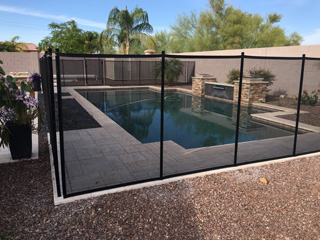
Probably the most popular and less expensive option, mesh pool fences consist of mesh panels that are pressure-mounted to evenly spaced poles installed in tile, cement or dirt. Mesh panels are flush against the ground, keeping critters out of the pool, and offered in a variety of heights. We chose a 4-foot tall mesh pool fence. Additionally, there are a few colors to choose from (we chose black) and most reputable companies offer a warranty on color fading and construction. One of the best features of mesh pool fences is they can be removed and easily reinstalled after a pool party.

Mesh Pool Fence for Dogs
My pool 🙂

At first, I was convinced mesh pool fences would not hold back a determined Bull Terrier, so I inquired about its stability and sturdiness with different pool fence companies. As with anything, choose a reputable mesh pool brand because strength comes from the poles and not mesh panels. Cheaply made poles will bend and fall over with moderate amounts of pressure while reputable brand poles will absorb impact and bounce back into place. If you need further proof, search for “mesh pool fence videos” and you’ll watch children using different brands of mesh fencing as vertical trampolines and bowling balls knocking over cheaply made options. 🙂

Lastly, I think it looks really nice too!

How to Find a Reputable Pool Fence Company

Believe it or not, this was the easy part. I looked up pool fence companies using the Better Business Bureau website and called each company to ask for their recommendations and warranties on swimming pool fences for dogs.

Good luck, and I hope this helps!

Filed Under: Resources, Safety Tagged With: best pool fence for animals, best pool fence for bull terriers, best pool fence for dogs, best pool fence for dogs that can't swim, best pool fence for pets, best pool fence options

Moving Cross-Country With Dogs? Read This First

April 11, 2016 by Fanna Easter

How to Move Cross-Country With Dogs

Cross Country Moving
wojciech_gajda/iStock

I’ll admit it. I was a bit too confident when moving cross-country with my dogs. We travel with our dogs a lot, so I thought our cross-country journey would be a piece of cake–I was wrong. Recently, we moved across the country and I learned some valuable lessons while stuck in a car with my husband and two dogs during a 17-hour road trip that never seemed to end (it should’ve been a 15-hour trip). If you’re traveling longer than 10 hours, it pays to be proactive and plan before the big trip.

Stop Every 3-4 Hours

I know you want to get there as fast as possible, but trust me take 15 minutes and potty your dogs every 3-4 hours. Our cross-country road trip presented many obstacles, including a horrendous sandstorm and ridiculously long traffic jams that extended our journey by 2 long hours. When humans and dogs haven’t pottied in 5 hours, it quickly becomes a painful experience, especially when the delay was completely involuntary. Set a timer on your watch and stop at safe rest areas. You never know what can happen during your journey.

Freeze Lots of Food Stuffed Toys

This is a must-have. Just like children, dogs can get restless during long drives. Travel savvy dogs mostly sleep, but when stuck in a car for extended amounts of time, they become agitated just like their pet owners. Give your dog something to do while traveling.

Plan to bring one food stuffed toy for every 4 hours traveled per dog. So, you’ll need 2-3 frozen food stuffed toys per dog for a 10-hour drive. And pack extra frozen food stuffed toys! I learned my lesson when I didn’t pack enough food stuffed toys. I had to improvise while traveling, so I stuffed toys with nuts and crackers from the gas station.

Keep Your Dog’s Regular Meal Schedule

You have a few feeding options here, but make sure your dogs eat at their regular time per your past time zone (the time zone at your starting location). It can become confusing quickly when traveling through several time zones, so beware when crossing into different time zones. It’s posted on the interstate.

As for feeding, I recommend stuffing your dog’s meal in a food stuffed toy. If you feed kibble (dog food), layer kibble and peanut butter over and over until the toy is filled, then freeze over night before your trip. Keep frozen toys in your cooler and toss in your dog’s crate when it’s meal time. If your dog is larger, than divide meals into several food stuffed toys and feed every 4 hours after each rest area stop.

Don’t Forget Your Dog First Aid Kit

Thankfully, we packed our dog first aid kit, but we’ve never needed it until this cross-country trip. We stopped to potty our dogs at night when one dog cut his pad on a sharp rock. We promptly cleaned up the area using a flashlight packed in the first aid kit, wrapped it up and were on our way. Make sure your dog first aid kit is packed in an easily accessible area; you don’t want to unpack to find it.

Play Soothing Music For Dogs & People

Oh my gosh, this helped us so much! Whenever we were stuck in traffic or stopped during a sandstorm, we played soft music. Whenever someone (dogs included) became restless, we switched to our soft music CD. Within minutes of soft music playing, our dogs would settle down and sleep. As for humans, we slowly chugged caffeine drinks, but settled in nicely too.

While you can’t plan for everything, it’s pretty satisfying having everything you need while traveling across the country. Good luck during your journey. May roads be clear and the weather perfect!

Filed Under: Resources Tagged With: tips for traveling cross country with dogs, tips on long car rides with dogs, tips on traveling long distances with pets, traveling by car with dogs, traveling cross country with dogs, traveling with dogs

  • « Previous Page
  • 1
  • …
  • 24
  • 25
  • 26
  • 27
  • 28
  • …
  • 55
  • Next Page »

About

Dog Training Nation is a community of dog trainers, dog owners and dog lovers. Our mission is to provide trainers and owners valuable information to enrich dogs' lives. We cover a range of topics, from socializing puppies to dealing with aggressive dog behavior to selecting the best dog products. It is our hope you share our content to make the dog and owner world a better place.

​

Facebook

Video

Dog Training Nation is a dog training blog for pet owners and dog lovers. We cover a range of topics from puppy socialization tips to dog aggression to dog health. It is our hope you share our content to make the world a better place for dogs.

Dog Training Nation

Quick Links

Dog Training
Dog Behavior
Dog Training Videos
Become a Dog Trainer
About
Contact Us

Copyright © 2026 · Lifestyle Pro Theme on Genesis Framework · WordPress · Log in