Dog Training Nation

In Dogs We Trust

  • Home
  • Training
    • Dogs
    • Puppies
    • Clients
  • Behavior
    • Breeds
  • Health
  • Safety
  • Resources
    • Equipment
    • Books
  • Dog Training Videos
  • About
You are here: Home / Archives for Resources

Cons of Using a Double Dog Leash

March 29, 2016 by Fanna Easter

Double Dog Leashes May Cause More Harm Than Good

Double Dog Leash
Jonah_M/iStock

Walking two dogs at once can be daunting, especially if one or both dogs like to pull on leash. Many pet owners attach a coupler at the end of one leash, which then forms a prong, so two dogs can be walked on the same leash. While double dog leashes seem like a fabulous idea, they do have some drawbacks.

Cons of Using a Double Dog Leash

Not Enough Space Between Dogs

Most dog leash couplers provide 1-2 feet of space between two dogs during walks, which can be a bit tight for some dogs. That’s a pretty small space for dogs during long or even short walks, and some dogs can get a bit anxious having to walk that close to another dog even if they live together. As a human example, walking two dogs on a coupler is equivalent to asking two children to walk arm-in-arm. It can get a bit too close for them. 🙂 Sometimes, I witness redirected aggression between two dogs on a coupler, especially when something scary or exciting happens.

RELATED: Should You Take Your Dog to Dog Parks?

Couplers are Inconvenient for Dogs

Remembering the small space between dogs on a coupler during walks, it’s almost impossible for a large and small dog to walk comfortably together. Large dogs have longer strides, and it’s exhausting for smaller dogs to keep up during walks. Plus, the height gap will cause a constant tugging on the larger dog’s collar, which can make him uncomfortable too.

Not Much Control When Using a Coupler

Controlling two pulling dogs on a coupler, even when they’re attached to one leash, is nearly impossible. It’s downright dangerous and difficult to prevent propulsion. While it seems having both dogs attached to one leash would give the pet owner a bit more control, it has the opposite effect. Applying simple physics principles can quickly explain how two dogs pulling forward or in opposite directions can force a single pet owner to move forward uncontrollably.

What to Use to Walk Two Dogs

While it’s so tempting to try out a dog leash coupler, I would recommend walking both dogs on separate leashes. Fumbling and untangling two leashes is a bit cumbersome, but you will have more control, especially if you’re holding one leash in each hand. I highly recommend holding the larger dog’s leash in your dominant (most used) hand. This will give you the most control.

If both dogs pull on their leashes, teach each dog to walk politely on leash before walking both dogs at once. Adding leash training behaviors during a short walk for one dog will not only physically exhaust him, but mentally too. For details on teaching two dogs to walk politely and safely together, check out that article.

Now, I’m not saying dog leash couplers don’t work. I’m just saying there are drawbacks all pet owners should be aware of before using them.

YOU MAY ALSO LIKE: My Dog is Afraid of Passing Cars

Filed Under: Equipment, Resources, Safety Tagged With: 2 dog leash coupler, 3 dog leash coupler, coupler dog leash, double dog leash, small dog coupler, swivel dog leash coupler, using a dog leash coupler, walking two dogs on leash

Why Group Dog Training Classes are Worth It

March 25, 2016 by Fanna Easter

Cost of Group Dog Training Classes: Worth the Tiny Investment

Group Dog Training Classes
Pamela Marks/iStock

I’m often asked if the cost of group dog training classes is really worth it. As a dog trainer, and pet owner, it’s worth every penny and actually a tiny investment that provides a huge impact. Allow me to explain a bit further.

What are Group Dog Training Classes?

Group dog training classes are structured for pet owners and their dogs. They’re usually held once a week on a specific day and designated time. Most group classes range between 6-8 weeks; however, many group classes are now 4 weeks with a condensed curriculum. Personally, I teach 4-week classes because most pet owners have a difficult time committing to 6-8 week courses. Keep in mind that just because a group class is shorter, it doesn’t mean you’ll learn less. It’s actually the opposite. Since it’s condensed, you can expect more homework.

Cost of Group Dog Training Classes

With that said, group dog training classes can range between $85-$200, depending on how many weeks are included. Generally, 4-week classes are less expensive because they’re shorter while longer group classes can cost more. Additionally, special focus classes may cost a bit more due to an increased dog trainer skill level, different location or limit on participants.

Now, let’s do a bit of math. If a 4-week class costs $85, that’s $21 per class. That’s pretty cheap considering pet owners and their dogs learn 3-4 new polite behaviors per class. Also, if your dog chews the sofa or a pair of your shoes, it will likely cost way more than $85 to replace or repair it. For 6-8 week classes that cost more, each class averages around  $25 per session.

What You and Your Dog Will Learn

For the popular Adult Manners group classes (for dogs 6 months and older), expect to learn at least 10-12 new polite behaviors, such as sit, down, walking on a loose leash, stay, heel, sit-stay, down-stay, touch, leave it and come when called. Also, pet owners learn how to manage digging, chewing, barking and jumping up behavior plus answers to any questions they’ll likely have at home.

Puppy and Adult Manners group classes provide many distractions (i.e. other dogs, people, sounds, smells and movement) with a skilled dog trainer to navigate you both successfully, which is worth every penny. Remember, dog trainers are teaching pet owners how to teach their dogs polite behaviors, so they’re able to continue progress at home. Additionally, many skills take several weeks to perfect, so pet owners will have plenty of time to practice with the guidance of the dog trainer.

When pet owners claim their dogs already know how to sit, down and walk on a loose leash, can their dogs do all of that around distractions? That’s a huge benefit of signing up for group dog training classes.

Where to Find Group Dog Training Classes

Now you understand the importance of group dog training classes. Find a professional dog trainer in your area by using these resources and websites. Tell your dog trainer I sent you!

Filed Under: Clients, Resources, Training Tagged With: cost of dog training, dog training, dog training class prices, Dog Training Tips, how much does dog training class cost, how much for group dog training classes, how much for puppy classes, how to teach a dog, how to train a dog, is the cost worth it for dog training, teach a dog, train a dog, why take a dog training class

Stop Sharing Outdated Posts About Rescue and Foster Dogs

March 21, 2016 by Fanna Easter

Social Media Etiquette: Sharing is Caring Only If It’s Updated

Social Media Etiquette
DGLimages/iStock

We are flooded with pitiful images of dogs needing to be rescued on social media every day, which can quickly become depressing. With that said, social media has certainly brought awareness to dog rescue and helped many abandoned dogs find their forever homes, but there is a secret social media etiquette on sharing these posts. Check out these social media tips that will make it much easier to narrow down dogs in need while minimizing posts.

Verify a Post is Current Before Sharing

As we’re scrolling through our social media feed, most of us are overcome with sadness when stumbling across a picture of a defenseless dog staring back at us. Immediately, our fingers migrate to the share button, but don’t share yet!

Always verify a post first. Outdated dog rescue and foster dog posts are shared way too often. As an example, at least half of the posts on my social media page are outdated. Before forwarding the post, click on the picture and scan the feedback. Make sure the dog is still available for adoption and the post is current. Too many posts are recycled over and over again for years due to a horrific photo.

Maybe it’s a pet peeve of mine, but sharing outdated posts clogs ups social media feeds and desensitizes people to the faces of dogs truly in need. When someone continuously sees the same tragic photo pop up over a period of time, she eventually learns to ignore it. Then, only the most horrific photos are given attention.

Make sure a post is current and the dog is still up for adoption before sharing with your friends and family.

Add Context Before Sharing

Most people notice the photo, but most will ignore it if details are not readily provided. When sharing posts, add the dog’s location (especially state) and why he or she needs help. Also, note the post is up-to-date and ask others to pass it along.

Please Forward It

So many people choose not to forward posts of dogs in need, which is completely baffling! As an example, my social media page is filled with dog-loving people, yet 1 out of 10 people will share a post of a dog currently in need. This blows my mind!

Please take two seconds of your time to verify a post is updated, add a bit of text and share (even if the dog’s not in your state). You never know who will see it. Every time a rescue dog is shared or tweeted, you’re giving that dog a voice.

YOU MAY ALSO LIKE: Proper Pet Store Etiquette for Dogs

Filed Under: Clients, Resources, Training Tagged With: dog rescue social media, dog training, Dog Training Tips, Facebook dog rescue, helping rescue dogs social media, how to teach a dog, how to train a dog, teach a dog, train a dog, twitter dog rescue

Avoid Lip Fold Pyoderma With Weekly Cleanings

March 16, 2016 by Fanna Easter

Lip Fold Pyoderma Prevention Tips

Lip Fold Pyoderma
Wavetop/iStock

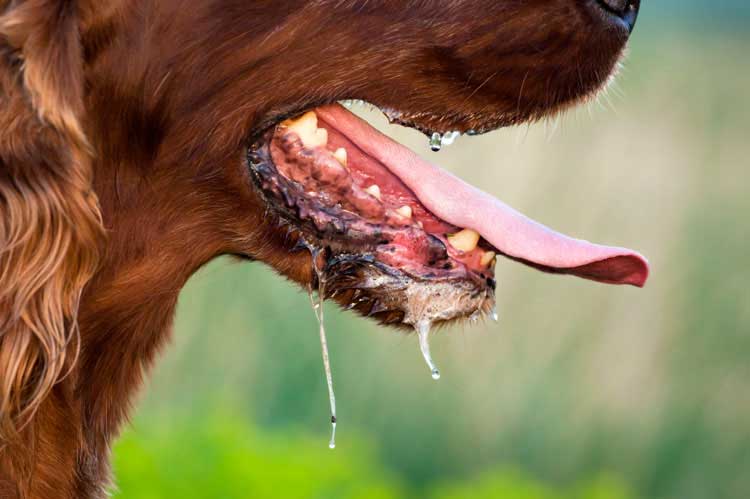
When the sides of a dog’s bottom lips fold up onto itself, it can trap food and moisture and certainly smell awful. In our house, we call it “stinky lips,” but the condition is called lip fold pyoderma or dermatitis.

Lip fold pyoderma is pretty common in dogs with loose skin, short noses or long hair around their mouth areas (including beards or mustaches). To prevent your dog from developing lip fold pyoderma, check out these dog grooming tips for weekly cleanings.

How to Check for Lip Fold Pyoderma

Usually, pet owners notice a sour or mildew smell around their dog’s mouth. They think the smell is coming from their dog’s teeth. To check your dog’s lips, have someone sit in front of your dog with yummy treats in her closed hand. Sit on the floor near the other person and face your dog. You’ll get a better view by looking at the side of your dog’s mouth.

Using your fingers, gently slide the front half of your dog’s lip forward. Basically, you’re opening up the pouch by sliding your dog’s bottom lip toward the front of his mouth. If your dog has lip fold pyoderma, you’ll probably see and smell it.

Lip fold pyoderma looks like hair coated with some type of mucous or film, and sometimes the skin is inflamed too. If you’re not sure, take a whiff and you’ll soon know for sure. Now, check the other side since lip fold pyoderma can occur on both sides of the mouth if the skin is loose.

If it smells, then the area needs to be cleaned weekly.

Preventing Lip Fold Pyoderma

There are a couple of ways to keep your dog’s mouth area clean, but it really depends on how often you bathe your dog. If you don’t bathe your dog weekly, you’ll need to spot clean the area every week.

RELATED: Are Dog Wipes Worth It?

Spot Cleaning

Grab a bowl of warm water, a couple of clean paper towels (or a clean washcloth) and medicated dog shampoo. By far, my favorite medicated dog shampoo for lip fold pyodermas is Nolvasan medicated shampoo. Nolvasan contains a disinfectant called chlorhexidine and can be purchased on Amazon. Your veterinarian can also prescribe a medicated shampoo to clean the area if that’s what you prefer.

Ask your friend to sit in front of your dog with yummy treats and offer your dog a treat for allowing mouth handling and standing still. In between treats, pull your dog’s lip forward and clean the area with a wet paper towel and medicated dog shampoo. Afterwards, rinse the area with a clean paper towel, then pat the area dry. If your dog has long hair in the area, you may need to clip the hair shorter. Your groomer can do this for you too.

Check the lip fold pyoderma area daily to make sure it’s clean. These daily checkups are an excellent opportunity to reward your dog for mouth handling. If your dog walks away, pulls his head away from your hands or freaks out when you touch his mouth, check out this article on teaching your dog to say “ah.” It has tips on teaching your dog to enjoy mouth handling.

Weekly Baths

If your dog is bathed weekly, use that time to clean his lip fold pyoderma thoroughly and rinse with warm water. Follow the same directions for spot cleaning, making sure to open up the lip pouch, clean and rinse well. If your dog is bathed less often, you’ll need to spot clean the area weekly to remove trapped food and moisture.

When to See a Vet

If the infected area smells really bad, looks inflamed and/or contains pus, or your dog refuses to allow you to look in the area, I would set up an appointment with your veterinarian. Your vet can rule out dental issues and confirm it’s actually lip fold pyoderma.

Now, body handling is so important. If your dog refuses to have his mouth touched, continue teaching your dog body handling skills. It’s not fair to your dog to be pinned down at the vet clinic either. Body handling skills are a must for all dogs, so grab your treats and get busy.

Lip fold pyodermas happen. Since dogs are not candidates for facelifts, it’s up to pet owners to keep the area clean. 🙂

Filed Under: Grooming, Health, Resources Tagged With: dog lip fold pyodermas, dog lip smells, dog lip sores, natural treatment lip fold pyoderma

Dangers of Dogs Hanging Their Heads Out Car Windows

March 11, 2016 by Fanna Easter

Why You Shouldn’t Let Your Dog Hang His Head Out Car Windows

Dog Hanging Out Car Window
belchonock/Deposit Photos

In an effort to sound realistic, instead of resembling a “helicopter doggy mom” that hovers and assumes the worst, allow me to explain why dogs should keep their heads inside the car. Dogs hanging their heads out car windows is just plain dangerous, and I’m sure your children keep their heads inside the car too, right? Allow me to explain further.

Dogs Do Jump/Fall Out of Cars

Dogs jumping or falling out of cars happens more often than you think; pet owners just don’t want to admit it. It doesn’t take much for a small or medium-sized dog to fall out a half-open car window when pet owners swerve or turn sharply. Plus, your dog can easily get tossed outside of the car when a car accident happens–even if it’s just a fender bender. During dog training classes, I’ve witnessed dogs jumping or wiggling out of open car windows when they notice something exciting like another dog or person walking close by.

RELATED: Protect Your Car Interior From Your Dog

Eye and Nose Injuries Can Occur

If dogs hang their heads out of a moving car window, their eyes and nose are being exposed to wind-filled debris at 35 mph. Debris can be anything–sand, glass, bits of rubber or plastic pieces stirred up by passing cars. If you’ve ever had sand in your eye, you know how frustrating and painful it can be even after a couple of days. Oh and your dog’s nose. It never stops inhaling all those delicious scents, so a bug or shard of glass can easily get wedged inside. Even though it’s not mentioned, your dog’s ears are susceptible to ear flap hematomas (pockets of blood stuck between skin layers), which can easily be caused by ears flapping against each other or against the car.

How to Keep Your Dog’s Head Inside

Honestly, I could go on and on about the dangers of dogs hanging out car windows, but I’d rather give you advice on keeping your dog entertained and safe. Crack your car window, so your dog can experience all the different scents, yet keep her head inside the car. When cracking the window, as a general rule, the window should only be cracked wide enough to prevent the dog’s nose from poking outside. Usually, this means cracking the car window about half an inch for smaller dogs and one inch for larger dogs, but it depends on your dog’s muzzle length too. When in doubt, choose a smaller crack. By keeping their noses inside the car, dogs are still able to smell all those delicious scents while keeping them safe.

Allowing your dog to stick his head outside of a moving car window is not considered enrichment; it’s just too dangerous.

READ NEXT: Dogs Die in Hot Cars

Filed Under: Resources, Safety Tagged With: dog hands head out car window, dog head car window, dog head window bad, dog sticks head out car window

  • « Previous Page
  • 1
  • …
  • 26
  • 27
  • 28
  • 29
  • 30
  • …
  • 55
  • Next Page »

About

Dog Training Nation is a community of dog trainers, dog owners and dog lovers. Our mission is to provide trainers and owners valuable information to enrich dogs' lives. We cover a range of topics, from socializing puppies to dealing with aggressive dog behavior to selecting the best dog products. It is our hope you share our content to make the dog and owner world a better place.

​

Facebook

Video

Dog Training Nation is a dog training blog for pet owners and dog lovers. We cover a range of topics from puppy socialization tips to dog aggression to dog health. It is our hope you share our content to make the world a better place for dogs.

Dog Training Nation

Quick Links

Dog Training
Dog Behavior
Dog Training Videos
Become a Dog Trainer
About
Contact Us

Copyright © 2026 · Lifestyle Pro Theme on Genesis Framework · WordPress · Log in