Dog Training Nation

In Dogs We Trust

  • Home
  • Training
    • Dogs
    • Puppies
    • Clients
  • Behavior
    • Breeds
  • Health
  • Safety
  • Resources
    • Equipment
    • Books
  • Dog Training Videos
  • About
You are here: Home / Archives for Resources

Should You Use a Waterless Dog Shampoo?

February 18, 2016 by Fanna Easter

Waterless Dog Shampoo: Benefits & Uses

Waterless Dog Shampoo
Sasiistock/iStock

In a nutshell, waterless dog shampoo absorbs oil, cleans skin and fur, and leaves a fresh scent behind. Now, I’m not exactly sure why it’s called waterless, as waterless shampoo does contain water and leaves hair wet afterwards. However, waterless dog shampoo really does work. Check out these tips on choosing and using this essential dog grooming product.

Benefits of Waterless Dog Shampoo

Great for Spot Cleaning

Dogs will get dirty. That’s just what happens, and sometimes giving your dog a complete bath is not going to happen, especially when traveling. That’s where waterless shampoos for dogs come in handy. Waterless dog shampoo can be used to clean paws after a romp through the yard, remove urine sprinkles from long-haired male dogs, wipe away pollen and clean up after a bout of diarrhea.

RELATED: How to Stop Your Senior Dog From Slipping

Waterless dog shampoo also works well on senior dogs or dogs recovering from surgery. Sometimes, it’s just too hard to completely bathe an older dog, so weekly washing of his face, feet and rear with a waterless dog shampoo will keep your senior dog clean and stress-free. For dogs recovering from surgery, it’s risky putting them in a tub for fear of getting their incision wet. Waterless shampoo helps keep your dog feeling and smelling fresh during his recovery.

How to Use Waterless Dog Shampoo:

  • If your dog gets dirty, spray waterless dog shampoo liberally on the area, massage into skin and coat, and wipe with a dry towel. Afterwards, comb or brush your dog’s coat and repeat once the area has dried. You can certainly blow dry the coat until it’s dry too.
  • If dirt (such as mud) has already dried, or your dog has longer fur, spray waterless shampoo onto your dog’s coat and brush his hair to loosen up any dried mud. Wipe the sprayed area with a clean dry towel and repeat the process until fur is free of dried dirt. Again, brush afterwards and then again once dried.

Tearless Dog Shampoo for Faces

Having lived with long-coated dog breeds for years, I’m well aware these dogs constantly dunk their beards into water bowls every day. With all this water and hair, their beards start to smell like a dirty mop really quickly. Every other day, I would wash their beards with a waterless dog shampoo that not only removed that sour smell, but also removed food particles and dirt. Honestly, waterless shampoo for dogs did a pretty good job! Now, I did have to wash their beards weekly, but a waterless shampoo made it much easier by removing excessive gunk beforehand.

Make sure you choose a tearless waterless shampoo on your dog’s face. Even for small dogs, or dogs that eat raw meals daily, a good waterless shampoo will spot clean muzzles and leave them sparkling clean and smelling super fresh until their next full bath.

My Favorite Waterless Dog Shampoo

Wow, I’ve used so many waterless dog shampoo brands that it makes my head spin. By far, my favorite waterless shampoo for dogs is Nature’s Specialty Speedy Groom Waterless Shampoo. It can be easily sprayed onto a small or large area, massaged into skin and, most importantly, wiped away. Plus, it smells heavenly like sweet plums. Your dog’s coat will gleam afterwards, which is not too shabby for a waterless shampoo.

My favorite tearless brand is Espree’s Plum Perfect Facial Cleanser. It’s more of a mousse than a spray, but it does a great job removing food particles while cleaning the fur on your dog’s face. In addition, it doesn’t leave a sticky residue like most waterless shampoos and, of course, it smells amazing. Before you assume I have a plum scent addiction, Espree also makes a rainforest scent too. 🙂

Keep a bottle of waterless dog shampoo handy. It’s worth every penny!

YOU MAY ALSO LIKE: Shaving Your Dog? Brush or Trim, But Show No Skin

Filed Under: Equipment, Grooming, Resources Tagged With: best waterless dog shampoo, waterless dog shampoo, waterless dog shampoo reviews

Are Dog Wipes Worth It?

February 16, 2016 by Fanna Easter

Dog Wipes: Your Questions Answered

Dog Wipes
Zeki035/iStock

We’ve all wondered if dog wipes are safe for our pets and if they even work. For years, I rolled my eyes at dog wipes. I was convinced it was a waste of money and harmful to the environment. Then, I saw dog bath wipes on sale at my local salon and decided to try them. I’m still on the fence.

Dog Wipes Do Have a Purpose

Dog wipes are not a substitute for a good dog bath. I want to make that super clear. However, you can use dog bath wipes for quick cleanups. Dog wipes work well on surface dirt, or dirt floating on top of your dog’s coat. They’re also helpful for cleaning small areas, such as dirty paws or mud on your dog’s muzzle. In short, dog wipes are great for spot cleaning.

By far, dog wipes are mostly used for wiping dirty paws clean after a romp in the yard. It’s also a good idea to wipe your dog’s paws down after a walk in the park. You never know what his feet may have come into contact with. If you don’t wipe off his feet, his paws will track inside your home.

Dog bath wipes are an excellent choice if someone is allergic to dog dander. Weekly baths with a gentle shampoo is a must, but daily wipe downs with dog wipes are smart because they’ll remove outdoor allergens from your dog’s coat, which usually causes a reaction for most allergy prone people.

Dog Wipes Vs. Baby Wipes

As with anything, it’s always best to use products made specifically for dogs because dogs have a different pH than humans. With that said, dog wipes can easily cost twice the price of regular baby wipes, so I understand the temptation. Plus, I understand the thought process of “If it’s good enough for a newborn baby, then it must be fine for my dog.” Hold on though. Dogs are different than babies; babies don’t normally lick themselves after a baby wipe down.

Not all dog wipes are safe for regular use either, so choose bath wipes carefully. Personally, you choose should dog wipes that are fragrance-free and chemical-free. These substances can certainly cause skin irritations on your dog and be harmful if ingested. Here’s a list of safe baby wipes, which I think would be OK to use on your dog. Most baby wipes are larger than conventional dog bath wipes, which is always helpful.

If you’re still uncertain, try making your own dog wipes. There are dog wipes that are easy to make, using products from around the house.

Environmentally Conscious Option

If you envision landfills stuffed to the brim with baby wipes, try using a tried-and-true method that’s completely old-school. Apply a dollop of gentle dog shampoo into a moist hand towel and wipe away. Avoid using too much shampoo, as you’ll leave residue. If this happens, wipe the area with a wet towel that only contains water. After wiping your dog, rinse the hand towel under hot water (or hand wash with a tiny bit of fragrance-free detergent), hand dry and voila!

If your dog develops a rash or any other skin issue from dog wipes, please discontinue use immediately. All dogs are different, so they react differently to products.

Filed Under: Equipment, Grooming, Resources Tagged With: can you use baby wipes on dogs, dog bath wipes, dog paw wipes, dog wipes allergies, dog wipes feet, dog wipes vs baby wipes

How to Stop Your Senior Dog From Slipping

February 12, 2016 by Fanna Easter

Prevent Your Senior Dog From Slipping on Slick Surfaces

Senior Dog
Atlantagreg/iStock

Sharing your home with a senior dog is a privilege. So many of our beloved dogs pass away too soon. Increased age does bring about a few obstacles, yet patience and prevention always helps. When your senior dog starts slipping and sliding on slick floors, it’s time to take action.

Non-Slip Rugs

Scattering rubber-backed slip rugs on slick surfaces is a must. Usually, I create a non-slip pathway toward the back door, my older dog’s food and water bowls, our bedroom and other frequently visited areas. When in doubt, cover an area with a rubber-backed non-slip rug.

When selecting non-slip rugs, look for rugs at least two feet wide. For larger dogs, choose rugs at least three feet wide to accommodate their wider stance. Make sure each rug is covered with non-slip rubber backing and that it’s washable.

Traction Socks

Many years ago, I purchased a pair of Woodrow Wear Traction Socks and they were amazing! Each sock has an elastic band that tightens around your dog’s wrists and hocks just enough to keep the socks in place. At the bottom of each sock are traction pads, which prevent dogs from slipping on slick floors. And yes, you can most certainly leave these on your dog when you’re not at home and wash them as well.

RELATED: 3 Reasons Why You Need Non-Slip Socks for Dogs

Toe Grips

Toe grips are hollow rubber ovals that slide onto each of your dog’s nails. The entire nail isn’t covered–just the portion closest to the paw. Personally, I’ve never tried toe grips on my senior dogs, but reviews are overwhelmingly positive. Plus, toe grip designs make total sense, so I think it’s definitely worth a try. As with non-slip socks, you can keep them on your dog while you’re away.

Remember to Trim Your Dog’s Nails

This seems like common sense, but we don’t want to stress out our senior dogs with nail trims. Their nails continue to grow and to really long lengths, which is painful. Keeping your senior dog’s nails trimmed to an acceptable length will ensure the success of non-slip rugs, traction socks and toe grips. An acceptable nail length is when your dog’s nails don’t touch the floor, so you don’t hear tick-tick sounds when your dog walks on hard surfaces.

RELATED: Teaching a Dog to Use a Nail Scratchboard

Products That Don’t Work Well

Regular socks (with no traction pads), paw wax and booties just don’t work well on slick surfaces. Paw wax for traction works, but its effectiveness is temporary and requires frequent reapplication. Most booties are rubber-based, but don’t provide enough traction on slick floors.

It’s tough watching our senior dogs struggle, so take a few moments and set up their areas for safety.

Filed Under: Grooming, Resources, Safety Tagged With: dog slides across floor, dog slides on hardwood floors, dog slides on wood floors, old dog slides on floor, senior dog falls on floor, senior dog needs traction, traction for older dogs, traction for senior dogs

Best Water Filters for Dog Owners

February 10, 2016 by Fanna Easter

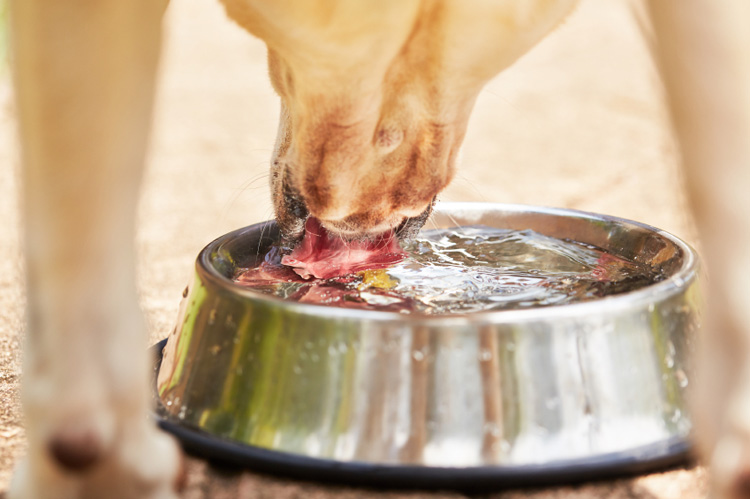
Choosing the Right Water Filter For Your Dog

Best Water Filters
Chalabala/iStock

Choosing to provide your dog with filtered water is a personal decision. As a general rule, if pet owners are drinking filtered water, then their dogs probably should too. With so many different types and brands of dog water filters, it can be hard to choose the right one to buy for your dog. Below, I share tips on choosing a water filter that benefits you and your dog. And yes, I’ve used each one of these personally.

Types of Dog Water Filters

Reverse Osmosis Water Filter

By far, reverse osmosis water filter system is the easiest way to get filtered water. It’s basically always available. Pet owners can purchase reverse osmosis units from local hardware stores and install themselves. If you’re not particularly handy, there are companies that can install the system for you.

Pros

  • Continuous supply of filtered water.
  • Filters are changed yearly.
  • Easy installation and access to new units from local hardware stores.
  • Works great for larger dogs or homes with multiple dogs.
  • Great tasting water.

Cons

  • Units can cost between $150-$300.
  • Filters can cost $50-$80.

Carbon Water Filters

Carbon water filters are available in many different formats. Some attach to kitchen faucets, some are built into refrigerator water systems and others are attached to water containers. All varieties can be easily found at your local hardware center or large retail chain.

These products contain carbon filters, which remove some harmful bacteria, chemicals and trace metals. Some brands remove fluoride and chlorine while others don’t, so always research each brand before purchasing. If you have large dogs, a carbon water filter is neither cost nor labor effective. As for taste, I think the reverse osmosis system does a much better job.

Pros

  • Water filters and replacements are easy to find and purchase.
  • Extremely easy installation.
  • Price is low to moderate, depending on unit purchased. (Under $50.)

Cons

  • Doesn’t remove all harmful bacteria, chemicals, fluoride and chlorine.
  • Must replace filters often; sometimes monthly.
  • Neither cost nor labor effective for large dogs or multiple dog homes.

Dog Water Fountains

Yes, there really are dog water bowls that filter water continuously! I was a bit skeptical at first, but having dogs that refuse to drink water if a blade of grass was floating in it, I purchased one immediately.

Dog water fountains contain carbon filters and water is constantly recycled through the attached water filter. Not only is tap water filtered, but water is also automatically filtered after your dog drinks, removing grass, dirt, hair or whatever else your dog may have come into contact. Keep in mind, some water filters can be noisy, which can scare some dogs away from the water bowl.

My favorite dog water fountain brand is Drinkwell Zen Fountain by Petsafe. I highly recommend stainless steel or glass bowls because they’re less likely to cause allergic reactions (see details here). Having a large dog, it’s difficult to find bowls that my dog doesn’t trip over or take up too much space in my home. However, the Drinkwell Zen Fountain bowl was a great solution for this problem. For homes with multiple small dogs, I highly recommend the Drinkwell 360 Multi-Pet Stainless Steel Fountain.

Pros

  • Products are easily accessible online or at large pet retailers.
  • Extremely easy installation. All you have to do is fill the bowl with water, then plug it in.
  • Most dogs enjoy drinking from it; you’ll soon notice dogs licking water from the running fountain.

Cons

  • Cost ranges between $50-$110, depending on the size you choose.
  • Water filters need to be replaced often; sometimes monthly for large dogs or multiple dog households. Costs range between $5-$10.
  • You have to add water to the fountain daily. If water levels dip, the system will make a horrible sound, which can scare dogs. Plus, it will ruin the device.
  • Some dogs refuse to drink out of them. I had one dog that refused to walk into the kitchen once we installed our fountain, so choose a quiet version.

Regardless of the water filter you choose, providing your dog with filtered water is the right thing to do!

Filed Under: Equipment, Health, Resources Tagged With: best dog water fountain, best water filter, best water filter for dogs, dog water dispenser, dog water filter fountain, dog water purifier, giving your dog filtered water, pet water fountain, petsafe water fountain, should you give your dog filtered water, water filters dog

Flea Products for Dogs With Seizures

February 3, 2016 by Fanna Easter

Choosing a Flea Product for Epileptic Dogs

Flea Products for Dogs
pixbox77/iStock

Interestingly, there’s not much information about controlling fleas on epileptic dogs online. The little information there is about flea treatments points to a few topical flea control products, such as Frontline Plus, that no longer works.

I have a dog with seizures, and I’ve done a ton of research on safe flea products for my epileptic dog. Honestly, I agonized over the decision to use a flea product given my dog’s health. I most certainly consulted with my dog’s veterinarian, several veterinarian friends of mine and then a few more vets who all had different suggestions. Here’s what I discovered, but it’s up to you to choose the best product for your dog.

Always consult with your veterinarian first. 

RELATED: Hypoallergenic Dogs Don’t Exist

Topical Flea Products

These products are applied to your dog’s skin usually for 30 days. If your flea and tick population is under control, then these products may work well for you. Personally, I haven’t had good luck with Frontline Plus, Advantage or Advantix living in the deep South. Also, there are some dogs that have experienced seizures within a couple of days after use, so always ask your veterinarian first.

Several friends of mine with seizure-prone dogs have used Vector 3D topical flea control without incidents. The effectiveness of Vector 3D is a bit questionable though, according to Amazon reviews. It takes six hours to kill fleas that hitch a ride on your dog, but it’s definitely worth a try!

Natural Pest Control

I’ve had great results using cedar oil to control fleas. With several dilutions available, you can most certainly treat your yard and house successfully. Plus, there’s a diluted version that you can apply directly on your dog’s coat. If you don’t like the smell, there’s cedar flea spray with lemongrass as well. Check out more tips on using cedar oil to kill fleas.

Flea Collar

We think of flea collars as outdated and ineffective, but there’s a really good one out there now. We bought the Seresto Flea and Tick collar, and have been quite pleased with the results. This flea control product has been very effective in killing and repelling fleas quickly. In addition, Sobek (a Rottweiler) has been seizure-free (knock on wood!) since putting the collar on. If my dog does experience an adverse reaction later on, I can simply take the collar off.

Oral Flea Products

There are so many oral medications that kill fleas and ticks quickly once they bite your dog. However, several brands should be used cautiously with epileptic dogs. NexGard, Comfortis and Trifexis have been known to cause seizures in dogs shortly after dosing, so use cautiously.

There’s a new oral flea product in town. It’s only been on the market for a year, but it has fast-acting results. Bravecto works for three months and has by far the fastest flea-killing time compared to other oral flea products. I know several seizure-prone dogs that have safely taken Bravecto with no side effects.

Choose a flea control product you and your veterinarian feel is safe for your dog’s needs. Hopefully, these tips and research help in your decision.

YOU MAY ALSO LIKE: Insect Repellent Dog Shampoo

Filed Under: Grooming, Health, Resources Tagged With: flea collar dog seizures, flea products for seizure dogs, fleas dog seizures, frontline seizure dog

  • « Previous Page
  • 1
  • …
  • 27
  • 28
  • 29
  • 30
  • 31
  • …
  • 55
  • Next Page »

About

Dog Training Nation is a community of dog trainers, dog owners and dog lovers. Our mission is to provide trainers and owners valuable information to enrich dogs' lives. We cover a range of topics, from socializing puppies to dealing with aggressive dog behavior to selecting the best dog products. It is our hope you share our content to make the dog and owner world a better place.

​

Facebook

Video

Dog Training Nation is a dog training blog for pet owners and dog lovers. We cover a range of topics from puppy socialization tips to dog aggression to dog health. It is our hope you share our content to make the world a better place for dogs.

Dog Training Nation

Quick Links

Dog Training
Dog Behavior
Dog Training Videos
Become a Dog Trainer
About
Contact Us

Copyright © 2026 · Lifestyle Pro Theme on Genesis Framework · WordPress · Log in