Dog Training Nation

In Dogs We Trust

  • Home
  • Training
    • Dogs
    • Puppies
    • Clients
  • Behavior
    • Breeds
  • Health
  • Safety
  • Resources
    • Equipment
    • Books
  • Dog Training Videos
  • About
You are here: Home / Archives for Resources

Walking Two Dogs at Once: Choose the Best Equipment

June 15, 2015 by Fanna Easter

Equipment for Walking Two Dogs at the Same Time

Dog Walking
DmitriMaruta/iStock

With so many options out there, let’s discuss the easiest and best equipment for walking two dogs at once. As you’re probably aware, equipment is a huge part of setting you and your dogs up for success.

Dog Leashes

Each dog should walk using his separate leash that attaches to a body harness, collar (with ID tags) or head halter. If walking different sized dogs, or senior dogs, I recommend choosing dog leashes of varied lengths.

For young or large dogs, choose a six- to 10-foot leash. This provides more room to move quicker than their slower counterparts. For smaller or older dogs, choose a four- to six-foot leash. Now, some small dogs keep up with the big dogs so it’s all relative to your dog’s needs.

RELATED: Best Dog Training Leash and Treat Pouch

What Doesn’t Work

I don’t recommend two dog couplers, which attach to one leash and two dogs. This just doesn’t work. Dogs vary in size and bump into each other constantly. It’s equivalent to locking elbows with another person while walking. Give your dog some space to move about. 🙂

Keep your flexi leads at home. Walking one dog at a time is difficult, and walking two dogs on flexi leads is a nightmare. Flexi leashes should only be used for dogs, which have learned how to walk politely on leash already.

Dog Collars

For daily walks, I recommend body harnesses or head halters. This prevents constant neck pressure for pullers wearing a collar. Now, don’t forget your dogs’ regular collars, as they usually contain their ID tags.

What Doesn’t Work

Collars that tighten as dogs pull just don’t work. Dogs have learned to pull through the pain, which is counterintuitive to polite leash matters. Plus, constant tightening pressure around your dog’s neck will cause reddening of your dog’s eyes, neck pain and even strangulation.

Need More Hands?

Yes, please! Sometimes it’s easier to attach your dogs’ leashes to a waist belt instead of holding them, but I’ll provide a bit of advice. Both dogs should walk politely on leash before using this type of equipment. Strong pulling or startled dogs can lunge, propelling you forward. It’s hard to pull back using the truck of your body.

Now, you can attach leashes to a waist belt, yet still hold leashes. It just takes some pressure off your hands. This is my preferred way to walk two dogs at once, as my favorite waist belt contains clasps for holding a water bottle and poop bags.

My Favorite Waist Belt

Over the years, I have tried several different types and I always come back to my heavy duty High Sierra Walk-A-Belt. It’s made of wide and heavy duty webbing, yet lined with fleece inside to prevent it from riding up my waist during walks. Plus D-ring attachments are metal and sewn onto the belt for added strength.

When wearing this belt, it’s best to position it around your hips instead of your waist. By wearing it lower, you’re protecting your back. Let’s face it: our center of gravity is usually our hip area. Think about it, when holding your dogs pulling on their leashes, most of us bend our bodies forward for additional strength.

Filed Under: Equipment, Resources Tagged With: best way to walk two dogs, best way to walk two dogs at once, how to walk 2 dogs at same time, how to walk multiple dogs at once, tips for walking two dogs, walking big dog and little dog at once, walking older dog and young dog at once, walking two dogs at once

Help for Dogs Afraid of Thunderstorms

June 10, 2015 by Fanna Easter

New Finding to Help Dogs Afraid of Thunderstorms

L-Theanine Anxiety
alexeys/iStock

It’s that time of year again. As we broke record rainfall levels in north Texas this year, it seems thunder and lightening were the forgotten villains. Well, I’m beyond happy to share a new finding, which can reduce your dog’s anxiety during terrible thunderstorms. Drum roll please!

L-Theanine Calms Dogs During Thunderstorms

I’ve been successfully using this amino acid in the past to reduce fear and anxiety in dogs, and humans too. But now, we have scientific proof that L-Theanine works! If your dog is afraid of thunderstorms, I highly recommend taking a look at this research study.

Basically, the study proves L-Theanine reduces anxiety caused by thunderstorms. You’ll notice a decrease in fearful dog behavior such as:

  • Pacing
  • Drooling
  • Heavy panting
  • Vocalizing
  • Trembling
  • Seeking comfort from a person (e.g. waking you up, trying to get close to you and following you around)
  • Hiding in a bathroom (sometimes in the bathtub) or closet

Now, L-Theanine is not a cure. It’s a preventive, and with everything a combination approach is always best. By preventing your dog from reacting to thunderstorms, over a period of time your dog’s anxiety will decrease. However, it’s not immediate. It’s accumulative.

To learn more about calming a thunder-phobic dog, take a peek at this article. It goes into further detail.

L-Theanine Dosage

This is a bit tricky, as I’ve taken too much L-Theanine in the past and felt overly exuberant (hyper). 🙂  I was happy and not a bit stressed in the least, but I had a ton of energy! So dogs may react this way too if given too much.

It’s even trickier dosing smaller dogs. I recommend products especially made for dogs that contain L-Theanine plus other calming supplements.

By far, my favorite brand is Composure by Vetri-Science. These pills are chewable and available, depending on your dog’s weight. Also, Composure contains colostrum calming complex, which promotes well-being during high-stress situations.

Anxitane by Virbac pills were used in the study. However, this product is currently out of stock nationwide. No one knows why or when it’ll be restocked. (This always makes me nervous.)

It’s best to dose your dog at least 20 minutes before a storm appears. Now, if a storm sneaks up on you, still give your dog a dose. Preventing anxiety from creeping in works best.

RELATED: Supplements for Anxiety in Dogs

Filed Under: Behavior, Resources Tagged With: are all dogs afraid of thunderstorms, calming dogs during thunderstorms, canine thunderstorm phobia, do thundershirts work, dog afraid of lightening, dog afraid of loud noises, dog afraid of thunder, dog hates thunderstorm, dog scared of lighting, dog scared of thunder, dog shakes during storms, dog shakes during thunderstorms, dog thunderstorm melatonin, dogs afraid of thunderstorms, dogs and thunderstorm remedies, dogs anxiety thunderstorms, dogs fear of storms, dogs fear thunderstorms causes, handling thunderstorm phobia in dogs, help for dogs afraid of storms, thunderstorm dog tips

Best Burrowing Bed for Dogs

June 9, 2015 by Fanna Easter

Best Burrowing Dog Bed Ever

Best Dog Beds
Fly_dragonfly/iStock

Does your small dog adore burrowing under blankets and pillows? Won’t you like to find a bed made for your burrowing beauty? Well I found it and it rocks!

Menusha’s Slipper Bed

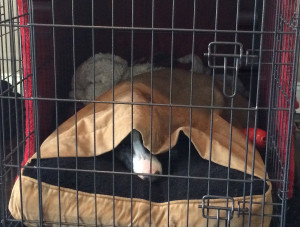
This made-in-America bed is perfect for dogs seeking to tunnel and hide in complete comfort. Basically, Menusha’s Slipper Bed has a thick cover sewn on top of an ultra thick cushioned pad and the whole thing is wrapped in microsuede and lined with faux fur.

Let’s chat about the sewn cover, as this is the crème de la crème of this dog bed. The cover’s top is covered in microsuede and the underneath is lined in faux fur. It attaches to the pillow on two sides so your dog can easily tunnel under or pop out. No instructions needed. If your dog loves to burrow, he’ll figure it out in seconds. You’ll giggle watching your dog’s feet sticking out one end or, better yet, slipping upside down with his head and feet poking out each end. 🙂

If that’s not enough, you can choose from designer colors, such as butter, hot fudge, coffee, camel, navy or red. And boy not only does this bed wash well, but it’s also a snap to put the pillow back into place. Honestly, I think the fabric gets softer after every wash. Since the makers understand the antics of most Terriers, they’ve hidden the zipper because, as we all know, Terriers know how to zip just about anything!

Menusha BedPrices start at $86 for smaller slipper beds. Don’t let the price scare you away. They are worth every penny. I can’t tell you how many cheap beds have been destroyed or simply fallen apart within weeks. When tallying $30 per pop, it would’ve been cheaper purchasing a well-made bed in the beginning.

A bit about the bed’s maker: these folks are extremely reputable breeders who actively participate in rescue every day. Before bringing a Menusha Mini Bull Terrier home, you must pass a lengthy, challenging interview process and sign a contract. These folks are the real deal. They take back one of their puppies with no questions asked plus they’re always fostering and transporting rescues to their forever home.

Is this Bed for Puppies?

Yes, but I would introduce it after a year of age, as it will most likely be chewed on. For puppies, I toss old towels and blankets in as bedding. Once chewing subsides, I introduce a well-made bed in their crate.

Choosing a Dog Bed Size

Stella Mae is 28 pounds and 13 inches at the shoulder, and she fits perfectly in the medium slipper bed. She has room to turn around and sprawl out under her cover. The small slipper bed is probably best for dogs under 20 pounds. When in doubt, go a size up. No one likes a tiny bed. 🙂 Dogs more than 30-35 pounds would enjoy the larger slipper bed.

Do know, I don’t make any money off these beds. My goal is to share products that really work, as this is a rarity these days.

You may also like: Choosing a Dog Crate

Filed Under: Equipment, Resources Tagged With: best bed for burrowing dogs, best bed for small dogs, best bed for terriers, dog sleeps under blanket, menusha's slipper bed review, my dog crawls under covers, my dog loves to sleep under covers, small dog beds with removable cover

Dog Gates for Safety

June 4, 2015 by Fanna Easter

Dog Safety Gate Tips

Dog Gates
maxximages73/iStock

Want to know a quick way to prevent most naughty dog behavior? Ever wonder quick ways to teach dogs polite behaviors? Want an easy tip to help during puppy stage? Install a dog safety gate.

Yes, it’s that simple. Management is often overlooked. Instead, we focus on the grandeur of instant behavior changes in dogs. Well, we all know it’s not that simple. I wish I’d quit eating cupcakes, but that behavior hasn’t changed yet. 🙂 If I didn’t buy cupcakes, then I would not eat them, and folks that’s what you call management!

With all the attractive models to choose from, you can’t go wrong! I’ll tell you another secret: I have three safety gates in my home right now because they’re invaluable safety and management tools. 🙂

Dog gates prevent dogs from:

  • Chewing walls, furniture and shoes.
  • Making potty accidents.
  • Running outdoors.
  • Knocking over guests.
  • Jumping on furniture.
  • Barking out windows.
  • Digging in trash.
  • Eating cat poop.
  • Resource guarding.

RELATED: Dog Time Out

Where to Install a Dog Safety Gate

Entryway

Blocking access to other rooms keeps dogs and puppies from wandering around unsupervised, chewing or pottying indoors. Try placing the dog gate in the entryway to prevent your dogs from jumping on guests or running out an open door.

Garage and Window

Use the dog safety gate as a barrier to keep your dogs in a specific area to prevent garage raiding or barking at neighbors, dogs, cats and squirrels through a window. At night, keep all dogs in the bedroom with you. Use a gate to separate your dog from the kitty litter box. Most cats jump over a gate. If not, choose a gate with a cat-sized opening.

Kitchen

Separating dogs while they’re eating is vital to prevent resource guarding (guarding food). It’s also a good idea to separate dogs when they’re chewing on high value items, such as bully sticks or food-stuffed toys.

Introducing Dog Gates

Easy, just install. Management works many different ways. It prevents your dog from practicing a behavior, which is a huge win! It’s half the battle when teaching your dog polite behaviors. Now, you can teach your dog what to do instead like potty outside, chew bully sticks instead of mold or cat poop, ignore movement outside, and most importantly self settle.

If your dog whines or tries to push through a safety gate, ignore him. He’ll learn it won’t budge. If your dog is persistent, give him a food stuffed Kong instead so he forgets what’s on the other side. Make sure it’s tall enough for your dog’s height so he doesn’t learn to jump over it.

Lastly, introduce a new safety gate when you’re home at least for the first week or two. This way, your dog learns to ignore it instead of figuring out ways around it or panicking due to space restrictions. It’s never a good idea to introduce anything new when you’re not home to monitor.

Best Dog Gate Brand

My favorite brand is pressure mount KidCo Safety Gates. I’ve had them for 15 years and they still work and look great. I’ve not had a dog knock one over yet (knock on wood!)–not even Sobek, my bouncing Rottweiler. With a 4.2-star rating on Amazon, I think you get the point.

KidCo gates range between $60-$150, depending on length and height, with many options to choose from. I’ve purchased cheaper brands and they all ended up in the garbage. My dogs either pushed past or destroyed them.

When in doubt, use a dog safety gate!

Filed Under: Equipment, Resources Tagged With: best gate for dogs, best gate for puppy, dog gate, dog gate tips, dog safety gate, introducing dog to gate, kidco gate review, pet gate, stop dog from eating cat poop

Not All Dogs Like Dog Day Care

June 3, 2015 by Fanna Easter

How to Know If Doggy Day Care is Right for Your Dog

Doggy Day Care
Get me out of here!

I’d say 30-40 percent of dogs don’t enjoy playing with other dogs. Shocking, right? It’s true. If your dog doesn’t like to play with other dogs, it’s okay. Yes, it’s totally normal. Not all humans enjoy hanging out with a large group of people, especially rowdy young ones so why should our dogs? 🙂

Wild dogs certainly don’t play in large groups. They have friends and that’s it. If someone is rude, that person is kicked out, which doesn’t always happen in doggy day care.

Signs Your Dog May Not Like Doggy Day Care

Dog is Fearful Around Other Dogs

If your dog runs away, hides, folds ears back, tucks tail or acts generally afraid of other dogs, then doggy day care is not for him. Throwing your dog into a group of playing dogs won’t help. It’ll make it worse. I see the repercussions daily. If this happens, scared dogs will usually sit away from the playing dogs and freeze (look away and become terrified) if a dog approaches.

If dogs continue to approach and pester a scared dog, he’ll learn to fight. He is freaked out and trying to defend himself (offensive aggression). If you were afraid of snakes and were thrown into a pit filled with slithering snakes, I don’t think it would help you overcome your fear. It would make it worse. It’s the same thing with dogs so don’t force them.

RELATED: Dog Aggression

Dog Acts Aggressively Around Other Dogs

“My dog is fine with other dogs during day care, but lunges and acts aggressively with other dogs everywhere else.” Oh boy, I hear this a lot from pet parents. During behavioral consults to address their dog’s aggression toward dogs, I see a frightened dog that’s learned offensive aggression to mean: “I better get them before they get me” (defensive aggression). Yes, this was probably learned during doggy day care.

Understand aggression is a symptom of anxiety. If a dog can’t get away, he will either freeze or fight. The same happens with us–remember the snake pit? 🙂

Is This Your Dog?

Don’t beat yourself up. You do better once you know better. Pull up your bobby socks and enroll in a relaxed rover class, which addresses fearful and aggression behaviors around other dogs. Now, find an excellent pet sitter for leash walks and potty breaks.

READ MORE: Dog Day Care Interview Questions

Filed Under: Behavior, Clients, Health, Resources, Training Tagged With: best dog day care, choosing a dog day care, daycare for dogs, dog day care, doggie day care, finding a good dog day care, how to find a doggie day care, interviewing dog day care, questions to ask doggie day care

  • « Previous Page
  • 1
  • …
  • 35
  • 36
  • 37
  • 38
  • 39
  • …
  • 55
  • Next Page »

About

Dog Training Nation is a community of dog trainers, dog owners and dog lovers. Our mission is to provide trainers and owners valuable information to enrich dogs' lives. We cover a range of topics, from socializing puppies to dealing with aggressive dog behavior to selecting the best dog products. It is our hope you share our content to make the dog and owner world a better place.

​

Facebook

Video

Dog Training Nation is a dog training blog for pet owners and dog lovers. We cover a range of topics from puppy socialization tips to dog aggression to dog health. It is our hope you share our content to make the world a better place for dogs.

Dog Training Nation

Quick Links

Dog Training
Dog Behavior
Dog Training Videos
Become a Dog Trainer
About
Contact Us

Copyright © 2026 · Lifestyle Pro Theme on Genesis Framework · WordPress · Log in