Dog Training Nation

In Dogs We Trust

  • Home
  • Training
    • Dogs
    • Puppies
    • Clients
  • Behavior
    • Breeds
  • Health
  • Safety
  • Resources
    • Equipment
    • Books
  • Dog Training Videos
  • About
You are here: Home / Archives for Training

Stop Walking Your Aggressive Dog In Public

January 22, 2018 by Fanna Easter

Why You Shouldn’t Walk Your Aggressive Dog

Aggressive Dog
Art_man/Adobe Stock

Yes, this is a very strong statement, but allow me to explain why you shouldn’t walk your aggressive dog in public. As a professional dog trainer, who works mostly with reactive dogs, there’s a reason for this strong position. Of course, it’s a free country and you can make your own decisions, but are your choices making things worse? If you share your home with a reactive dog that displays aggression in public, take a moment and think twice before leashing your dog up.

Do Public Walks Help Your Dog?

Think about this question from your dog’s perspective. If your dog lunges, barks, growls, shakes, refuses to walk forward and displays fearful body language, then your dog doesn’t like public walks. Most pet owners walk their fearful dogs in public, hoping their dogs will overcome their fears.

This is a tough way to change your dog’s behavior; it’s equivalent to asking a fearful person to walk along a bed of snakes, so he learns snakes are safe. When dogs are afraid of people or other dogs, yet are asked to walk amongst them, they are just as terrified. Plus, walking a fearful dog in public will only deepen a dog’s fearful behavior, so she will react aggressively more often.

Change Behavior With Minimal Distractions First

Pet owners wanting to change their dog’s fears is completely understandable, and what’s best for the dog. Start in a quiet environment with a certified positive reinforcement dog trainer, and move at your dog’s pace. Think about it this way: It’s best to teach a fearful person snakes are safe by introducing one snake at a time. Hold the snake far away, while giving the person $100 bills when he chooses to look at it without freaking out.

Pairing good things with scary things works, but must happen in a controlled environment to be effective. Once a dog learns that scary things make good things appear, she will become less fearful—however, this takes time.

Your Dog’s Aggression Causes Ripples in Public

When dogs bark and lunge at other dogs or people in public, it sends out a negative ripple effect. No one enjoys being barked at by a scared dog—not even other dogs. When this happens, dogs, puppies, people and children learn that dogs are scary and learn to avoid them. Soon, they become fearful of other dogs all because a dog behaved aggressively to them once. Yes, it can take one bad situation to scare a dog, puppy, person or child permanently.

Walking an aggressive dog in public definitely makes the situation worse for everyone, especially your fearful dog.

Filed Under: Clients, Safety, Training Tagged With: aggressive dog, aggressive dog in public, barking dog during walks, dog behavior, dog scared during walks, dog training, Dog Training Tips, fearful dog, how to train a dog, my dog barks at strangers during walks, teaching a dog, training a dog, walking fearful dog, walking scared dog in public

How To Start Volunteering For Dog Rescue Groups

January 18, 2018 by Fanna Easter

Becoming a Dog Rescue Volunteer

Dog Rescue Volunteer
Okssi/Adobe Stock

Everyone wants to help a dog in need, but many are not sure of how to get involved or even where to start. Take it from a fellow dog lover and dog rescue volunteer: All dog rescue groups need manpower. Yes, donations to rescue groups are wonderful, but rescue groups need boots on the ground to assist in transporting dogs, fostering and interviewing potential adopters. It’s a new year, so get involved with dog rescue. Here are a few tips to becoming a dog rescue volunteer.

Find a Dog Rescue Group Near You

With the Internet, it’s much easier to locate a local dog rescue organization within seconds. On Google, search for a dog rescue in your area and type in “dog rescue (your city and state).” Most reputable dog rescues will pop up on the first page. You could also use the Petfinder’s website, as that is a well-known and trusted organization.

If you have a favorite breed of dog, you can find a local breed rescue by searching “(name of breed) rescue (your city and state).” Most links, including Petfinder, will redirect you to a rescue’s webpage or offer a contact email. Trust me, rescue organizations follow up quickly with emails sent to them, especially those offering help. If you don’t hear anything back within a week, send another reminder email with “volunteer” in the email subject line. Persistence is key, and much appreciated by overworked rescue folks.

Complete and Submit Online Volunteer Forms

Once a rescue group reaches out to you, they will send you a dog rescue volunteer form. Thoroughly complete the form and send it back within a week. Every volunteer must complete some type of paperwork before volunteering. Some rescue organizations have volunteer form links on their website. If so, complete the form online and send an email to their contact person informing them of your desire to volunteer.

On a rare occasion, if you don’t hear back from your chosen rescue, send a reminder email. If you still don’t receive a response, contact another local rescue in your area. Rescues are non-profit and run by volunteers that are probably overloaded with surrenders.

Change Your Schedule to Accommodate

When rescue groups need a foster home or transportation, it happens quickly. As an example, within a 24-hour notice, I drove 3 hours one way to pick up a mama dog and her 8 newborn puppies. Each transport volunteer had to change her schedule immediately since a young mother was in the process of having puppies in 15-degree weather outside. Think about it this way: Carving out 2-3 hours to help a dog in need means a new life for this dog. Be flexible. 🙂

Please volunteer for a dog rescue group. They certainly need your assistance and donations.

Filed Under: Clients, Resources, Training Tagged With: animal rescue volunteer, become a dog rescue volunteer, dog behavior, dog rescue volunteer, dog training, Dog Training Tips, dog volunteer work, find dog rescue volunteer, how do you become a dog rescuer, how to teach a dog, how to train a dog, how to volunteer for dog rescue, rescue dogs, teaching a dog, training a dog, volunteer for dog rescue

New Help For Dogs Scared During Veterinary Exams

January 10, 2018 by Fanna Easter

Fear Free Pets Announces New Program

Fear Free Pets
WavebreakmediaMicro/Adobe Stock

When great things happen, it’s pure joy announcing them to pet owners across the world! Fear Free Pets, whose mission is to take “pet” out of petrified, has launched a new program that will teach dogs (and other pets) to enjoy veterinary visits. Drum roll, please! They’ve launched a Fear Free Animal Trainer Certification Program for qualified dog trainers, which is a huge step in the right direction for everyone.

Fear Free Animal Trainer Certification Program

Yes, there are now expert dog trainers who can complete an intense program to learn how to help dogs (and puppies) stress less when visiting the vet’s office. To qualify for this course, dog training experts must earn a national dog training certification first and pass a very difficult entrance exam before enrolling into the program.

Once accepted, dog trainers must complete six lengthy modules and pass assessments along the way. Each module builds upon itself and focuses on reducing stress before, during and after veterinary exams. Once dog trainers complete this course, they become qualified to partner with veterinary clinics to implement fear free practices and offer group courses (or one-on-one training) to teach dogs and puppies that veterinary clinics are fun.

How This Program Helps Your Dog

Before, there were limited resources and loose standards for dog trainers offering stress-free vet visits, leading to questionable results. As a dog trainer, this is why I’m so excited about this massive breakthrough! Dogs (and cats) hate visiting the vet’s office, and pet owners have learned to strongly dislike bringing their stressed pet to see a vet too.

Certified Fear Free Animal Trainers teach puppies to enjoy every aspect of vet visits and exams, and can certainly reduce stress for dogs that already dislike visiting the vet’s office as well. As a professional dog trainer completing this certification program, I find it to be very thorough. It also provides scientific research showing stress is certainly damaging to pets. If your dog hates going to the vet, demand a fear free certified veterinary clinic and partner with a certified fear free animal trainer. Additionally, these folks will ensure your dog learns that vet offices are fun! Find a qualified fear free veterinary clinic and animal trainer here.

Be your dog’s advocate. Choose fear free vet clinics and training!

Why Pet Owners Should Choose Fear Free For Pets

Filed Under: Behavior, Training Tagged With: dog bites vet, dog growls at vet, dog hates going to vet, dog hates vet, dog scared of vet, dog training certification, dog training certification program, dog training program, fear free animal trainer certification program, fear free animal trainer certification review, fear free animal trainer review, fear free pets, fear free pets review, help dog at vet's office, puppy hates vet

Help! My Dog Hates Riding In The Car

January 9, 2018 by Fanna Easter

Why Dogs Hate Riding in Cars & What to Do About It

Dog Hates Car Rides
Csák István/Adobe Stock

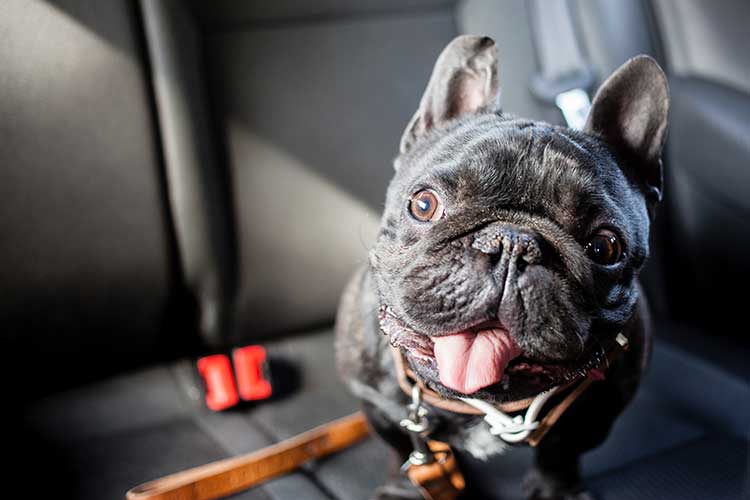
Many dogs hate riding in cars for numerous reasons. Some dogs will bark, howl, lunge at the window, drool and even throw up. These dogs are clearly uncomfortable, so they learn to hate riding in cars. Before addressing car riding woes, it’s important to understand exactly what is causing your dog’s discomfort first.

Motion Sickness

Nausea is the worst, especially when you’re unable to get away from the cause. Motion sickness is extremely common in dogs. It’s best handled with over-the-counter medication, such as Dramamine and Bonine. For correct dosage, depending on your dog’s age and weight, partner with your veterinarian. Additionally, keep your car’s temperature on the cool side and ensure an AC vent is near your dog. Once motion sickness is prevented, it’s time to take short car rides with lots of treats, so your dog looks forward to riding in a car.

Restlessness

This is a common behavior when dogs are uncomfortable, nauseous or unfamiliar with riding in cars. It’s safest for dogs to ride inside plastic crates or secured with a crash-tested harness. Make sure your dog is comfortable first. Ensure your dog has plenty of space to lie down, stand up and turn around inside your car.

Place a soft bed or thick blankets in your dog’s crate or car seat, and provide plenty of cool water. Play soft music, such as Through A Dog’s Ear, to keep your dog relaxed. If your dog has motion sickness, address it immediately. Take short car rides, while your dog licks away at a super yummy food stuffed toy, and soon your dog will love car rides.

Scared

If your dog is scared to ride in a car, it’s vital to teach your dog that car rides are fun. Not all dogs enjoy car rides since it’s not natural for dogs to ride in cars. Start slow and reward your dog for jumping into the car first. Once loaded inside his crate, give your dog a food stuffed toy to lick, close car doors and turn on the engine while you’re sitting in the driver’s seat.

In the beginning stages, don’t drive anywhere—just let your dog learn that cars make peanut butter stuffed toys appear. After a few minutes, turn the car off and unload your dog. Practice several times a week. Once your dog will happily relax and lick at his toys, then it’s time to take a spin around the block. Continue to add a bit more distance and time while driving, and always bring food stuffed toys along for the ride. This teaches your dog that good things happen during car rides.

Dislikes Seeing Dogs or People

By far, this is the toughest car ride challenge. When dogs are afraid of other dogs and people, they will bark and lunge when these scary things become visible. Teach your dog to ride inside of a crate, and cover the crate with large towels or sheets to block your dog’s view. Additionally, play soft music to drown out dogs barking or people talking while driving. If visual barriers and soft music don’t work, it’s time to reach out for professional help.

When to Get Help

Motion sickness and restlessness due to unfamiliarity with car rides can be easily addressed with medication and dog training. Scared dogs or dogs that dislike people, that panic when riding in cars, may need additional help from a professional dog trainer and veterinary behaviorist.

When in doubt, seek help sooner rather than later.

Filed Under: Dogs, Puppies, Training Tagged With: dog aggressive car rides, dog barks at people during car rides, dog barks during car rides, dog behavior, dog car anxiety, dog car travel, dog hates car rides, dog hates riding in car, dog hates riding in the car, dog scared of car rides, dog training, how to teach a dog, how to train a dog, puppy hates car rides, puppy throws up during car rides, teaching a dog, training a dog, training dogs

My Dog Refuses To Walk Up Or Down Stairs

January 2, 2018 by Fanna Easter

How to Help a Dog Scared of Stairs

Dog Scared of Stairs
zhitkov/Adobe Stock

Walking up and down stairs seems like an easy task; however, traversing stairs can be scary for some dogs and puppies. A few stairs are easy to navigate for most dogs and puppies, but it’s when it’s a full flight of stairs that can be downright spooky for them. If you live in an apartment building or have a second floor in your home, it’s important to teach dogs and puppies that stairs are fun and safe. Below are dog training tips to help a dog scared of stairs.

First, Add Non-Slip Rugs

Most dogs and puppies dislike walking up or down stairs because they’re slippery. It takes balance and coordination to maneuver four legs within small spaces that suddenly incline or decline, and coordination has to be learned. To set your puppy up for success, place non-skid rugs in the center of each step and the top and bottom of each landing space.

Decorative stair rugs are available online for indoor stairs. For outdoor stairs, use remnants of rubber-backed rugs. Either way, providing traction is an important step before teaching your dog that stairs are fun.

Walking Upstairs

Walking upstairs is a little easier for most dogs and puppies. They can take their time placing paws strategically to pull themselves forward. While getting your puppy to walk upstairs is easier than downstairs, she may still find it scary at first. This is why it’s so important to teach puppies that treats can be found on each step.

Sprinkle a few super yummy treats on the first step, while your puppy watches you, and stand about 3-4 feet away from the step. Your puppy will likely walk over and eat the treats off the step. Next, sprinkle a few treats on the first and second step, and let your puppy find the treats. She may find getting to the treats on the second step a bit challenging, but she will figure it out and self-reward herself. After a few minutes of sprinkling treats on two steps, end the puppy training session.

Heading Downstairs

Walking downstairs is downright scary for dogs and puppies. It takes lots of balance and courage to maneuver four legs downstairs carefully while gravity is pulling you downward. Practice teaching your dog or puppy how to walk up one or two stairs first. When your puppy is standing on the second stair, sprinkle a few treats on the first stair and the bottom landing spot. If she becomes scared, while walking downstairs, pick her up and bring her down the stairs. Continue practicing daily by adding one or two stairs until your puppy is comfortable climbing up and downstairs.

When Dogs Refuse Stairs

It’s common for dogs and puppies, that haven’t encountered stairs before, to hesitate walking up and downstairs. However, if a dog suddenly becomes scared of stairs, then it’s time for a veterinary visit. Older dogs may develop arthritis, which causes severe pain while stepping up or climbing downstairs. If a younger dog refuses stairs, she may have an injury, congenital issue (hip dysplasia) or torn pad. Some dogs slip when walking up and downstairs, and become afraid to navigate stairs again. If this happens, follow the above recommendations for teaching your dog that stairs hide treats.

Take it one step at a time, and reward all progress.

Filed Under: Dogs, Puppies, Training Tagged With: dog afraid of stairs suddenly, dog hates walking down stairs, dog hates walking up stairs, dog scared of stairs, dog training, Dog Training Tips, how to get a dog to use stairs, how to teach your dog, how to train dogs, puppy scared of stairs, puppy stairs, teach puppy to climb down stairs, teach puppy to climb stairs, why puppy is scared of stairs

  • 1
  • 2
  • 3
  • …
  • 60
  • Next Page »

About

Dog Training Nation is a community of dog trainers, dog owners and dog lovers. Our mission is to provide trainers and owners valuable information to enrich dogs' lives. We cover a range of topics, from socializing puppies to dealing with aggressive dog behavior to selecting the best dog products. It is our hope you share our content to make the dog and owner world a better place.

​

Facebook

Video

Dog Training Nation is a dog training blog for pet owners and dog lovers. We cover a range of topics from puppy socialization tips to dog aggression to dog health. It is our hope you share our content to make the world a better place for dogs.

Dog Training Nation

Quick Links

Dog Training
Dog Behavior
Dog Training Videos
Become a Dog Trainer
About
Contact Us

Copyright © 2026 · Lifestyle Pro Theme on Genesis Framework · WordPress · Log in