Dog Training Nation

In Dogs We Trust

  • Home
  • Training
    • Dogs
    • Puppies
    • Clients
  • Behavior
    • Breeds
  • Health
  • Safety
  • Resources
    • Equipment
    • Books
  • Dog Training Videos
  • About
You are here: Home / Archives for Clients

The Ultimate Dog Training Reward For Your Dog

August 8, 2016 by Fanna Easter

Dog Training Rewards Don’t Always Have to Be Food

Dog Training Reward
Josh Solar/iStock

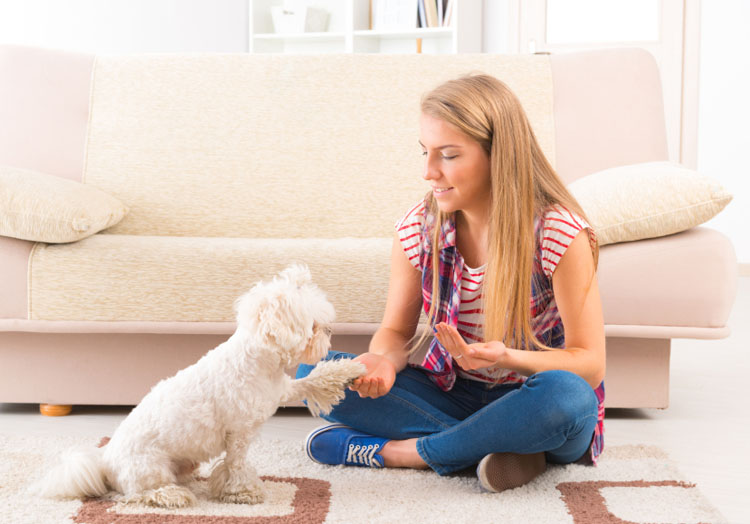
Rewards are a vital part of dog training; they’re basically your dog’s paycheck for a job well done. Dogs must be rewarded whenever they choose to perform a desired behavior. Giving your dog a reward tells your dog he’s on the right track and to keep doing the rewarded behavior.

Dogs must choose their own rewards. Since each dog is different, he will find certain foods, toys and games more rewarding than others. Finding a dog’s ultimate reward isn’t always easy, but once discovered it makes learning new dog behaviors quick and fun. Finding a dog’s ultimate reward is so important that I ask pet owners this question during our first dog training session. So here it goes: what does your dog love more than anything?

Dog Training Rewards

Food Rewards

All dogs love food—even picky ones. It’s our job to experiment and find food rewards that will cause our dogs to drool, dance, offer a sit behavior or climb countertops to get to their favorite food rewards.

Dogs like fresh food. The more moisture a dog training treat contains, the better. High percentages of moisture make the treat smell stronger, and you can never go wrong with meat foods. When looking for your dog’s ultimate reward, don’t limit yourself to certain types of food. Try a variety of moist foods, such as:

  • Baked chicken (if you’re in a hurry, try store-bought rotisserie chicken)
  • Canned sausages (Vienna sausages)
  • Roast beef lunch meat
  • Cheese chunks
  • Tuna fish (tuna fish pouches work best)
  • Hot dogs

RELATED: Raw Dog Food: Not All Dogs Can Eat It

Toy Rewards

Many years ago, I remember watching a dog working for food treats during a dog training session, but he was missing that “Oh my gosh, I got it right!” excitement. Hmm, I asked the pet owner what his dog loved most in the world and he said, “Catching a tennis ball.”

I asked him to bring a tennis ball to class next week and keep it in his bait bag. The following week, whenever his dog chose to sit, down, heel, leave it or whatever, he would take out the tennis ball and play a game of “toss and catch the tennis ball” for a few seconds. Wow! A tennis ball was this dog’s ultimate reward and, from that moment on, this darling dog learned quickly.

If your dog enjoys toys more so than food rewards, try using a toy as a reward. Some dogs love to chase a ball, bite a squeaky toy or pull on a tug toy, so experiment with different toys and games. When my Rottweiler was introduced to an underwater treadmill for physical rehabilitation after having his ACL repaired, he worked for food, but still disliked the treadmill.

One day, our physical therapist brought out a yellow tennis ball and Sobek smiled with glee. He totally enjoyed mouthing and holding a tennis ball in his mouth while walking in a tank filled with water. I was left scratching my head, but it didn’t matter. We finally found Sobek’s ultimate reward for this situation. Oh, and it helped tremendously that tennis balls float in water. 🙂

A Bit About Praise

Back in the dark ages (or the ’80s), dogs were only rewarded with praise. It was thought that food was bribery back then. Now that we know better, food rewards are an important part of a dog’s learning process. Eventually, praise fizzled out as a reward.

Honestly, I cringe when someone still says his dog only works for praise. I don’t completely buy it. I’ve worked with dog training clients who swear their dogs work for praise as a reward and it seemed effective in the beginning, but fizzled out when making the decision to perform the desired behavior became harder. If you believe your dog works for only praise, you should try other dog training rewards. You might be shocked at your dog’s decision.

Praise is good as a reward, but it shouldn’t be the only reward. Think of praise as the icing on a cake—it works best when paired with food or toy rewards. We all love praise. It’s nice being verbally recognized by your boss, but you still need your paycheck, right? It’s the same for your dog.

Use praise as a maximizer for food or toy rewards, and use praise during breakthrough or difficult decision-making moments. Oh, and praise shouldn’t be limited to pats and “atta boy.” You need to have a party! Clap, jump, sing, make smoochie sounds, say “puppy, puppy, puppy,” pat your dog quickly and smile! Dogs love high-pitched, rapidly repeating sounds. Make praise count.

RELATED: What Is Your Dog Saying: Interpreting Dog Sounds

Ultimate Rewards Can Change

This is totally true! Your dog may love spoonfuls of peanut butter, but suddenly a floating tennis ball becomes an object of desire during a certain moment. It happens. Don’t assume you’ve chosen the wrong dog training reward. Embrace your dog’s newfound love and use it as a reward.

Reward your dog often, and reward yourself too!

Filed Under: Clients, Resources, Training Tagged With: best dog treats, dog training, dog training treats, how to find a dog's ultimate reward, how to find treats your dog loves, how to teach a dog, how to train a dog, puppy training, should I use treats dog training, teach a dog, train a dog, treat training tips dogs, treat training tips puppies, using toys in dog training, using treats in dog trainer

Do Dog Boarding and Training Programs Work?

July 12, 2016 by Fanna Easter

Think Twice About Dog Boarding and Training Programs

Dog Boarding and Training Programs
filrom/iStock

Pet owners want fast dog training results, so they choose to board their dog with a dog trainer (i.e. dog lives with dog trainer) and the dog trainer trains their dog to a certain level of training. Sounds quick and simple right? Even though this is an extremely fast growing segment of dog training, not all dog trainers agree with dog boarding and training philosophies. There are so many bad things that can happen when you choose this route, so know the facts first before dropping your dog off at someone’s house for weeks of boarding and training.

Typical Dog Boarding and Training Options

As mentioned above, pet owners drop their dog off at a dog trainer’s facility or home, and the dog trainer teaches their dog specific agreed upon behaviors. Length of stay with a dog trainer depends on the behaviors that will be taught to the dog, so it can vary between 2-6 weeks.

Learning takes times, especially when teaching challenging behaviors, such as walking on a loose leash in public and coming when called around tons of distractions. It’s important to understand dogs aren’t furry little computers; we can’t download information into their brains. If only it were that easy for dogs and humans! 🙂 Be prepared for sticker shock as well: boarding and training programs are extremely expensive. A two-week program can cost more than $500—that’s an insane amount of money.

How to Find a Good Dog Boarding and Training Program

Oh, this is where board and train programs can get really sticky. Finding the right dog trainer is key! There are several excellent board and train dog trainers out there and some rotten ones too. Learn how to stay clear of the rotten ones.

Research Good Dog Trainers

Choose a dog trainer who uses only positive reinforcement, meaning he doesn’t use punishment (physical or verbal), choke chains, pinch collars and/or electronic collars.

Look for dog trainers who will:

  • Reward good behavior
  • Redirect/ignore bad behavior
  • Only use flat buckle collars, Martingale collars, harnesses, head halters, clickers and yummy treats.

Check out my article on finding a good dog trainer. It lists websites that will help you in your search and point you in the right direction.

Don’t fall for the hype. Reward-based dog trainers can teach behaviors just as fast as punishment-based dog trainers. I know this personally, as I was a punishment-based dog trainer during the first 10 years of my dog training career. I switched to positive reinforcement because it was the humane thing to do for dogs, pet owners and myself. Also, it just works faster. Yes, I’ve been a positive reinforcement dog trainer for more than 15 years now and I’ve seen results from both sides of the dog training fence. Positive reinforcement is the clear winner by a landslide.

If a punishment-based dog trainer claims his methods work faster, ask for scientific research to back up those claims. Do know his personal experience is biased and wrong. Check out the multiple studies done on the effectiveness of positive reinforcement here.

Check Out the Facility

If a dog trainer offers a dog boarding and training program, ask to view where your dog will live while under his care. Ask how often your dog will be trained per day, if she’ll be crated and if she’ll go on daily walks. Ask if the dog trainer will follow your feeding instructions.

In addition, ask for contact information of previous clients and ask them for their reviews. You’re leaving a living and defenseless being in the care of this person. Interview the dog trainer ruthlessly and view the dog training facility thoroughly.

Dog Boarding and Training Program Horror Stories

Every day, I hear horror stories about dog boarding and training programs that will make you nauseous. I’m only sharing this information to inform you about the terrible possibilities that can happen to your dog. I’ve witnessed dogs starve during board and trains, as the dog trainer insisted dogs must earn all of their food or he simply forgot to feed them.

Some dogs would be left in their crates for 23 hours and forced to potty on themselves, which would cause large open sores. Other dogs were beaten and shocked with electronic collars so much so that the dogs would develop huge wounds. Others would be sent home with broken toes, legs and spines from physical abuse. I’ve also heard of dogs being left in extreme weather conditions that caused permanent damage; I could go on and on.

This stuff happens more than you think. I’ve witnessed these poor dogs being rushed into a veterinary clinic where I worked. Once you’re aware of the bad, you know what to look for during the interview phase and when visiting the dog training facility.

Don’t worry about offending a dog trainer either. An honest dog trainer actually admires and respects pet owners searching for the very best person to train their dog. We love it! If a dog trainer is rude, dismissive, unprofessional, lies or appears offended during your interview, end it and continue with your search.

Will Pet Owners Learn How to Train Their Dogs Too?

Professional board and train dog trainers will require pet owners to attend several dog training sessions with their dogs. While board and train dog trainers will teach your dog certain behaviors and put her on cue for you, you should still learn how to ask and reward cues, and know what to do if your dog becomes confused.

If a board and train facility doesn’t offer this option, or charges you more for it, this dog trainer and facility is not for you. Find someone else.

Final Thoughts

If you want a fast and effective way to train your dog, attend group training classes with your puppy or dog. Not only will you both learn together from a skilled dog trainer, but you will also build an unbreakable bond with your dog that will last a lifetime. If group class isn’t an option, choose private lessons in your home with a professional dog trainer. Working and learning together is key to success. Plus, you’ll save lots of money in your pocket. 🙂

Filed Under: Behavior, Clients, Dogs, Puppies, Resources, Training Tagged With: board and train costs, board and train dog trainers, board and train dogs, board and train prices, board and train puppies, board and train training, dog boarding for training, dog training, Dog Training Tips, how to teach a dog, how to train a dog, puppy training, should I board and train my dog, should I board my dog for training, should I board my puppy for training, teach a dog, train a dog

Reactive Dog Resources You Need to Get Started

June 24, 2016 by Fanna Easter

Reactive Dog Resources

Reactive Dog Resources
alexandrshevchenko/iStock

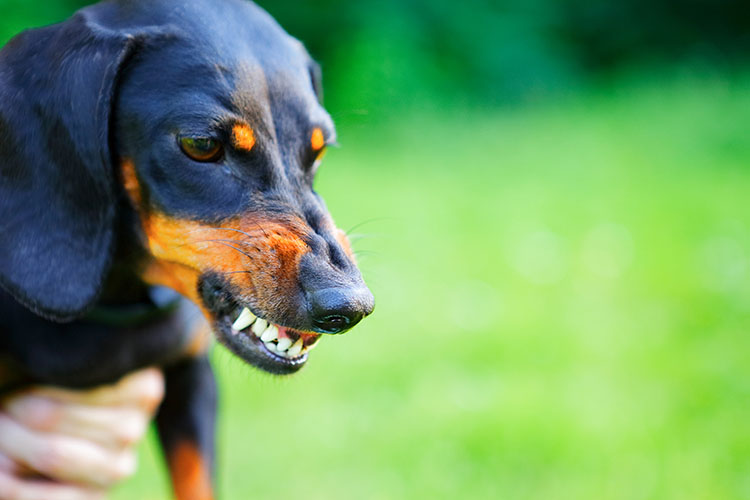
As a reactive dog owner, you should stay up-to-date on reactive dog resources and training tips. Dealing with a reactive dog can be difficult, which is why you should seek help from qualified professionals who will provide support, listen to you throughout the entire process, use positive reinforcement training and provide results.

While positive results are important, teaching you how to handle a stressful situation quickly and how to positively change your dog’s behavior is much more valuable in the long run. If you’re looking for answers, check out these resources below. You’ll find plenty of reactive dog resources and dog training solutions. 🙂

RELATED: 5 Reactivity and Aggression Tips That Will Make Your Life Easier

Veterinary Behaviorists

Finding a veterinary behaviorist should be the first step pet owners take when dealing with a reactive dog, but unfortunately many pet owners seek these professionals as a last resort. A veterinary behaviorist is a veterinarian who’s board certified in animal behavior. These professionals treat reactive dog cases every day. Plus, they’re up-to-date on the latest behavior protocols, tests and medications. To find a veterinary behaviorist in your area, check out American College of Veterinary Behaviorist.

If you’re fortunate to live near a veterinary behaviorist, it’s worth scheduling an appointment with that person face-to-face. Now, some pet owners aren’t that lucky. If you’re unable to speak directly to a vet behaviorist, do know that all veterinary behaviorists will consult with your regular veterinarian by phone. There are so many benefits to bringing a veterinary behavior expert into the mix. For example, she can recommend a local qualified dog trainer and point you in the right direction.

Qualified Dog Trainers

Not all dog trainers are qualified to work with reactive dogs; actually, most of them aren’t qualified. Keep in mind there’s no such thing as an animal behaviorist. This is a made-up term in the dog training world. Anyone can call herself an animal behaviorist, as there’s no certification or requirement to do so.

When searching for a qualified dog trainer, you can ask your veterinary behaviorist for a referral. In most cases, she’ll know local dog trainers who have experience working positively with reactive dogs. Seek a dog trainer who is Behavioral Adjustment Training (BAT) certified. These dog trainers know how to use counter-conditioning and desensitization for reactive dog training, and they clearly explain their process to pet owners.

If your veterinary behaviorist doesn’t know of any dog trainers in your area and you’re unable to find a BAT-certified dog trainer nearby, then I suggest searching for a professional dog trainer who specializes in dog reactivity or aggression. The dog trainer you choose should have a minimum of 5 years of experience—not counting school—because it takes years of hands-on experience and continuing education to learn how to successfully change a reactive dog’s behavior.

Check out Karen Pryor Academy of Dog Trainers, Pet Professional Guild, International Association of Animal Behavior Consultants (IAABC) and Animal Behavior College.

RELATED: How to Choose a Good Dog Trainer

Books & DVDs

There are a ton of books that discuss dog behavior and dog reactivity, but many are too difficult to read. I’ve compiled a few must-have books for reactive dog training below. Each book is different and reading them all will help you interpret dog body language and understand why reactive dogs act a certain way and how to change their behavior.

“Calming Signal – What Your Dog Tells You” by Turid Rugaas

This easy-to-read booklet gives you the foundation to both successfully interpret your dog’s body language and change his behavior. If you can’t identify when something bad is about to happen, you can’t prevent it from happening.

“Feisty Fido: Help for the Leash-Reactive Dog” by Patricia McConnell and Karen B. London

This quick read will teach you the importance of an emergency U-Turn as well as how to handle situations when your dog reacts.

“Behavior Adjustment Training 2.0: New Practical Techniques for Fear, Frustration, and Aggression” by Grisha Stewart, M.A., CPDT-KA

This book, which also comes in a DVD set, will teach you how to change your dog’s behavior. Now, this book will be a bit challenging to read for most pet owners, so I highly recommend referring to this book when working with a veterinary behaviorist and qualified dog trainer.

Hopefully, these reactive dog resources will help you get started in your quest for answers. Good luck on your journey. Many of us have taken it with great success. 🙂

Filed Under: Behavior, Books, Clients, Resources, Training Tagged With: dealing with dog aggression, dog aggression, dog aggression tips, dog barks at other dogs, dog barks at people, dog dislikes other dogs, dog dislikes people, dog lunges at other dogs, dog lunges at people, dog trainer dog aggression, dog training, Dog Training Tips, help for dog aggression, help for dog reactivity, how to teach a dog, how to train a dog, stop dog aggression, teach a dog, train a dog

Should You Treat Dogs Like Humans?

June 13, 2016 by Fanna Easter

Do’s and Don’ts of Treating Dogs Like Humans

Treating Dogs Like Humans
thisislover/iStock

It depends. There’s a long, fancy word for treating dogs like humans, and it’s called anthropomorphism. Anthropomorphism is defined as the “attribution of human traits, emotions, and intentions to non-human entities and is considered to be an innate tendency of human psychology” (Oxford Dictionary, 1885).

You’re probably wondering how anthropomorphism applies to you and your dog, which is a fair question. As a professional dog trainer, I have mixed emotions about ascribing human feelings to dogs. I think there are good and bad parts of this puzzle, so let’s discuss whether or not you should treat dogs like humans.

DO: Treat Your Dog Like a Human

Some aspects of anthropomorphism are good. In my opinion, I believe pet owners can relate to pets by attributing certain human characteristics to their puppies and dogs. As pet owners, we watch our fuzzy family member closely. We try interpreting her facial expressions, wagging tail and body positioning to understand her needs. Of course, as pet owners, we tap into the only knowledge we have, which come from our own emotions and body language.

As pet owners, when our dog or puppy whimpers, we run to console her because the sound resembles a small child in need. We want to protect, nurture and love her; it’s normal human behavior. I believe anthropomorphism creates empathy, which I feel is a good thing between pet owners and their precious dogs.

When pet owners dress their dogs in darling little dresses, place barrettes in their hair or push their dogs in baby strollers, this is an example of anthropomorphism. Some pet experts feel treating dogs like human children is taking the behavior a bit too far, but honestly, I don’t have an issue with it. When I see a dog wearing a fabulous polka dot dress or sporting a trendy bandana, I see this as the pet owner loving and caring for his dog intensely, and I feel all dogs deserve this type of love and devotion.

RELATED: What to Do When Your Dog Bites

DON’T: Attribute Guilt or Vengefulness to Your Dog

Attributing human feelings and emotions can get a bit tricky in certain circumstances, and pet owners have a difficult time understanding how dogs really think in these situations. Sometimes, a dog’s body language will portray a certain human emotion, but it’s not always what it seems.

Guilt

Guilt is a big one and probably the most challenging part of anthropomorphism toward dogs. This is the truth: dogs don’t feel guilt. I know you could swear on your life your dog was ashamed for chewing your shoe when you showed it to her, but she wasn’t feeling guilt. Instead, she was scared.

When dogs pin their ears back, freeze, walk away, blink quickly, lick their lips, flick their tongues, turn their head sideways and lower their bodies downward, they’re actually reacting to your angry body language. When you’re angry, your dog’s slinking behavior is trying to calm you down. Your dog isn’t guilty; he’s scared. You don’t even have to say a single word to your dog. Just standing still, staring and breathing deeply in front of your dog will cue her that you’re angry. Still don’t believe me? There’s plenty of research proving that dogs don’t feel guilt; and, as a human, I wish I didn’t feel guilt either. 🙂

Dogs don’t feel guilt. They just don’t think that way.

Revenge

Dogs don’t seek revenge. They don’t pee on your bed because you left them alone all day. Your dog didn’t chew, urinate and poop on your favorite shoe because you yelled at her earlier. Dogs aren’t spiteful.

When I explain how this anthropomorphism concept isn’t true during group dog training class, some pet owners will look at each other with confused expressions and then ask, “So why did my dog do that?” Dogs chew on shoes because you left them out, dogs potty on bedding or furniture because they’re scared from being alone all day or hearing thunderstorms, and dogs poop because they’re practicing marking behavior.

I know, you’re probably saying, “But my dog hasn’t chewed my shoes in over a year.” If the right opportunity presents itself, your dog will chew your shoe no matter how long it’s been since the last incident. Personally, I think this is where dog behavior supersedes human behavior, as we all know revenge and spite will eat you alive.

It’s not revenge your dog is after; it’s opportunity. 🙂

What This Means for You and Your Dog

Continue singing your dog little songs, use baby talk to convince her meal times are a good thing, dress her up in a darling dress, love her, nurture her, protect her and cater to all of her needs, but don’t assume she’s guilty or vengeful. Keep anthropomorphism in check, please. 🙂

YOU MAY ALSO LIKE: Do Dogs Like to Be Hugged?

Filed Under: Behavior, Clients, Training Tagged With: anthropomorphism dogs, do dogs seek revenge, does my dog feel guilt, dog revenge, dog training, Dog Training Tips, dogs spite, how to teach a dog, how to train a dog, is it bad to treat dogs like children, is it bad to treat dogs like kids, is my dog guilty, is my dog spiteful, teach a dog, train a dog, treating dogs like children, treating dogs like kids, why did my dog chew my shoe, why did my dog pee on my bed, why is my dog guilty

Do Dogs Like to Be Hugged?

May 2, 2016 by Fanna Easter

No, Dogs Don’t Like Hugs

Hugging Dogs
humonia/iStock

There’s a pretty good chance you’ve read the latest research showing dogs don’t like to be hugged. This message is spreading like wildfire. It was covered on our local news last night and it’s been trending for several days on social media. Personally, I’m pretty excited this message is finally getting out there because it’s actually true! Dogs don’t like to be hugged.

While there is a very small percentage of dogs that enjoy hugs from their pet owners, the majority of dogs find hugging simply rude. Humans love physical contact; it’s in our DNA and it’s pretty hard not to hug someone you love. Instead of hugging your dog, try these physical contact behaviors instead.

Hugging Dogs May Upset Them

You’re probably thinking this research about hugging dogs is exaggerated since your dog loves hugs and close contact. However, I would challenge that. As a professional dog trainer, I hear: “My dog’s bite (growl) came out of nowhere” or “My dog has no reason to become aggressive; he just turned on me” every day. Honestly, I can tell you these statements are not true. Dogs are always telling us how they feel. We just don’t listen to them and assume dogs are little furry humans. If we don’t listen and continue to push, dogs will resort to growls, nips or bites, if they can’t get away.

If your dog’s body language is happy and he seems to enjoy hugs, then hug away. But don’t expect your dog to enjoy hugs from visitors; it’s different. If you’re not sure, ask a professional dog trainer for his or her opinion.  Don’t rely on a friend’s or dog savvy person’s opinion. The person you ask for advice should be an expert (meaning he or she has earned dog training credentials) at reading dog body language.

How to Embrace Your Dog Without Hugs

Pet Your Dog’s Chest

People love to pet dogs. I’ve noticed a huge increase of pet owners petting their dogs when they’re happy, nervous or stressed. Petting your dog is fine; just do it politely. Trying petting your dog on the chest or under her neck instead of on top of her head or back. Head pats are just rude behavior from a dog’s perspective. Yes, some dogs learn to deal with it, but it’s still rude. Think about it from your dog’s perspective: would you enjoy someone patting you on the head whenever he meets you? And when you backed away, this person continued to follow you with an outreached hand trying to pat your head. Creepy, I know, and dogs feel this way too.

When petting a dog, allow your dog to walk up to you first. Slowly pet or scratch your dog’s chest while refraining from making eye contact. Some dogs enjoy scratching under their necks (under their jaw), so slowly move up. While petting your dog’s neck, refrain from bending toward your dog. This keeps your face out of her personal space. If your dog moves away, don’t take it personal and stop scratching her.

RELATED: Get Your Dog to Take Treats Gently

Scratch Your Dog’s Back

Dogs love to have the top of their rumps scratched, and will easily swing around for it. There’s nothing wrong with it. Plus, you’re politely keeping your body out of your dog’s personal space. If your dog is comfortable, scratch or rub from your dog’s rump to his rib cage, moving alongside his spine. If your dog moves away, stop scratching and don’t take it personal. 🙂

Let Your Dog Initiate Cuddling

You’re probably looking at your gregarious greeter and thinking, “My dog loves to cuddle and hug.” Well, I live with two super friendly dogs that love cuddling and neck nuzzles too, but, if I initiate cuddling or hugs, it creeps them both out.

When dogs are “creeped out,” you’ll notice their bodies stiffening, ears laying flat against their heads, eyes widening, mouths clamping shut and tails dropping to the ground. Your dog will lean his body away from you and perhaps even growl. It this happens, slowly move away when your dog backs away, and remember not to do it again.

Connect Through Training

Grab some super high value treats, a clicker and your dog, and teach her a new trick. It can be a silly or functional trick–it doesn’t matter; just have fun. What matters most is that you and your dog are bonding through training, and your dog is learning you can both speak the same language.

Dogs are different than people, so respect their space etiquette and ensure children and families do too.

Filed Under: Behavior, Clients, Training Tagged With: dog behavior, dog training, Dog Training Tips, dogs don't like close contact, dogs don't like hugs, dogs don't like kisses, how to teach a dog, how to train a dog, stop hugging dog, teach a dog, train a dog

  • « Previous Page
  • 1
  • …
  • 8
  • 9
  • 10
  • 11
  • 12
  • …
  • 23
  • Next Page »

About

Dog Training Nation is a community of dog trainers, dog owners and dog lovers. Our mission is to provide trainers and owners valuable information to enrich dogs' lives. We cover a range of topics, from socializing puppies to dealing with aggressive dog behavior to selecting the best dog products. It is our hope you share our content to make the dog and owner world a better place.

​

Facebook

Video

Dog Training Nation is a dog training blog for pet owners and dog lovers. We cover a range of topics from puppy socialization tips to dog aggression to dog health. It is our hope you share our content to make the world a better place for dogs.

Dog Training Nation

Quick Links

Dog Training
Dog Behavior
Dog Training Videos
Become a Dog Trainer
About
Contact Us

Copyright © 2026 · Lifestyle Pro Theme on Genesis Framework · WordPress · Log in