Dog Training Nation

In Dogs We Trust

  • Home
  • Training
    • Dogs
    • Puppies
    • Clients
  • Behavior
    • Breeds
  • Health
  • Safety
  • Resources
    • Equipment
    • Books
  • Dog Training Videos
  • About
You are here: Home / Archives for Clients

How To Greet A Dog For The First Time

August 25, 2017 by Fanna Easter

Politely Greeting a Dog

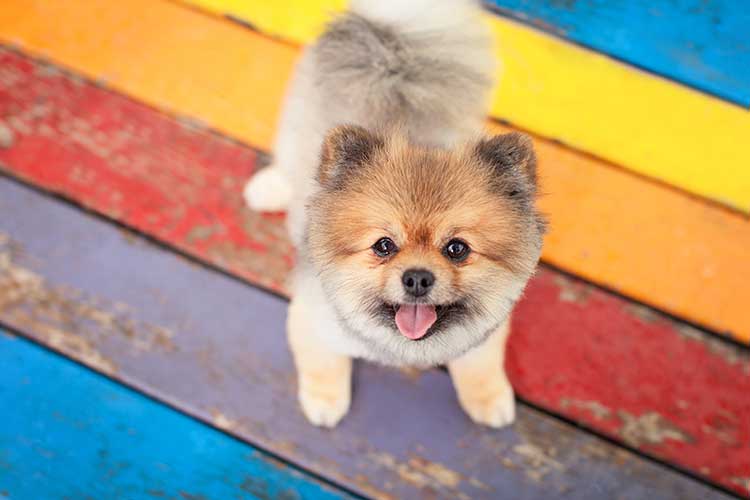
Greet a Dog
innervisionpro/Adobe Stock

As a dog lover, it’s hard to resist a furry face. The moment I see a dog or puppy, I suddenly stop in my tracks and grin from ear to ear. As I adore the dog from afar, I fight the urge to run up and pet the darling. Yes, my dog trainer self steps in and immediately reminds my dog lover side that not all dogs like to greet people and other dogs. So, I smile and walk away. It’s the best thing for the dog.

Within the dog world, polite greetings have recently changed. Instead of approaching a dog, and holding out your closed fist for a sniff, there’s a safer way to greet a dog for the first time. Not only is this greeting safer for people, but it’s also much safer for and more respectful to dogs.

What’s the Big Deal About Petting Dogs?

Many dogs strongly dislike greeting strangers; it’s just their personality. When people greet dogs, they walk straight over and start petting them. While some dogs love greetings, many dogs find greetings uncomfortable due to unwanted physical contact.

Many fearful dogs try backing away, but their leash prevents them from moving, so dogs learn to bite to stop greetings. Think about it this way: Would you be comfortable having complete strangers walk over and pat your head? That’s exactly how some dogs feel, so respect their personal space.

RELATED: Should You Treat Dogs Like Humans?

When Greeting a Dog for the First Time

When you see a darling dog, stand still and don’t make eye contact with the dog. Look over at the pet owner and ask if you can pet her dog. Pet owners who listen to their dog’s choices will promptly let admirers know their dog is not comfortable with greetings.

The pet owner may say “My dog is not friendly” or “He will jump on you.” If that’s the case, respect the pet owner’s decision to not allow greetings. Trying to convince a pet owner that you’re a dog wizard will only make the situation awkward. Just say, “Your dog is gorgeous, and I admire you for standing by your dog’s choices.”

Let the Dog Choose to Greet

If a pet owner agrees to let her dog meet you, it’s important to ask the dog first. Let the dog make the first move while you stand still. If a dog moves toward you, let the dog walk toward you and sniff your legs and shoes. Don’t bend over and pet the dog; instead bend down and let the dog greet you first.

When petting a dog, rub his chest slowly and ask the pet owner if you can give her dog a treat. Slowly stand back up, while chatting with the pet owner, and let the dog continue to sniff you.

If the dog chooses to ignore or walk away from you, respect the dog’s decision. Just say, “It’s okay, I can adore you from over here.” Forcing close physical contact will only frighten the dog even more, and he will learn humans are unpredictable. Just stand still and make light of the situation, and know you taught a fearful dog that people can be trusted. 🙂

As dog lovers, it’s so important to make good impressions, especially to all dogs.

Filed Under: Clients, Safety, Training Tagged With: dog behavior, dog training, Dog Training Tips, greet a dog, how to greet a dog, how to greet a dog for the first time, how to greet a puppy, how to meet a dog, how to teach a dog, how to train a dog, safe way to meet a dog, teach a dog, train a dog

How The Delta Air Lines Incident Could Have Been Prevented

June 21, 2017 by Fanna Easter

Man Attacked By Emotional Support Dog

Emotional Support Dog Attacks Passenger
bychykhin/Adobe Stock

On June 4, an emotional support dog attacked an Alabama man inside a Delta Air Lines plane prior to takeoff.

When Mr. Jackson boarded the plane to take his assigned seat, he found Mr. Mundy sitting in the middle seat with his 4-year-old chocolate lab-pointer mix on his lap. Immediately after Jackson took his window seat, the emotional support dog started growling at him.

Shortly after, the approximately 50-pound dog lunged at Jackson and started biting his face. Mundy, a military service member, tried to pull his emotional support animal off from Jackson, but failed. Jackson received severe lacerations and 28 stitches.

Mundy was re-assigned to another flight, but with his emotional support animal in the kennel that time.

Why This is So Tragic

This incident could’ve been prevented. However, with loose emotional support animal laws and regulations, it’s easier said than done.

Service Dogs vs. Emotional Support Animals

Service dogs and emotional support animals are completely different. It’s so important to land this point. Service dogs are specifically trained to perform a function for a person with a disability. Emotional support dogs have minimal training.

Honestly, the level of training emotional support dogs have are equivalent to everyday pets living with their family. Many pet owners enroll their dogs as fake emotional support animals online so they can fly with their dogs on a plane at no cost.

Mundy’s dog should have never been put in that situation. He wasn’t trained for it. Dogs bite when they’re scared, and obviously that situation was too stressful for this dog.

Usually, airlines place service and emotional support dogs in the first row, so a large dog has room to lie down and move around. Allowing a 50-lb lab-pointer mix to sit in his pet owner’s lap during a flight is ludicrous. But who is to blame? We don’t know the full details yet.

Airlines

Let’s look at this situation from an airline’s perspective. They were following the Americans with Disabilities Act (ADA) pertaining to service dogs. These laws are very strict, but there’s a huge gray area that is not discussed in the ADA regulations—and that’s emotional support animals.

Until emotional support dogs are addressed, airlines will continue to assume all dogs are fully trained to follow service dog requirements. As a result, service and emotional support animals, regardless of size, are allowed to fly on a plane unconfined for free.

Military Service Member

Many veterans suffer from post-traumatic stress disorder (PTSD), and bring a service dog into their homes for comfort and to perform specific tasks. It’s unknown why this military service member was assigned or purchased an emotional support dog, but I’m sure there’s a reason.

So many veterans become extremely attached to their new canine friend because there’s no judgment—just pure unconditional love. Folks with disabilities tend to purchase service dogs and emotional support animals for $20,000 per dog, which is usually fund-raised.

Unfortunately, there’s no training standard for an emotional support animal, so it’s a potluck what type of training each dog receives. Most reputable service dog organizations have a long waiting line for dogs while minimally trained dogs are always available (which is a red flag). Unless you’re in the dog training industry, it’s easy to believe slick marketing claims. Without a doubt, Mundy will fear for his emotional support dog’s fate when lawsuits ensue.

The Gap: Dog Trainer?

Nothing was mentioned about the dog trainer or organization that trained this service member’s emotional support dog. Maybe this dog never received formal training at all, or was trained by a novice dog trainer. As a professional dog trainer, I’m not blaming the dog trainer by any means, but I seriously wonder why a dog was put into this situation if he wasn’t ready.

What You Can Do

If you need an emotional support animal, only acquire a highly trained dog from a reputable organization. Refrain from training your own emotional support dog because it’s impossible. Only experienced service dog trainers are able to equip both pet owner and dog for extreme situations that are common for emotional support dogs.

Filed Under: Clients, Resources, Training Tagged With: dog training, emotional support animal, emotional support animal laws, emotional support dog attacked man, emotional support dog letter, emotional support dogs, esa, fake emotional support animals, fake service dogs, how to train a dog for emotional support, register emotional support dog

What Every Dog Owner Should Know

June 19, 2017 by Fanna Easter

7 Things Dogs Want You to Know

Dog Facts
micajoy104/Adobe Stock

If dogs could speak, this is what they would tell their pet owners. As a professional dog trainer with more than two decades of experience, I often explain these concepts to pet owners every day during consultations. Before you continue reading, throw away your perceived notions of how dogs should think and behave and remember they are dogs. These are 7 things dogs want you to know. 🙂

1. I’m an Individual

Regardless of breed, every dog is an individual. While dog breeds can determine some characteristics, it’s not always a given. Many times, pet owners will have shared their homes with a specific breed for years that they become shocked when their new chosen breed behaves differently than their previous dogs.

During dog training consults, I hear, “He’s not like my last _____ (fill in the blank with a breed). He’s totally different.” That’s because each dog is an individual, and require different needs to be met. Never assume every German Shepherd Dog will be the same. Some may be friendly, others nervous and a few completely lazy. Similar to humans, dogs have their own personalities.

2. I Don’t Want to Meet Every Dog

Please hear this request, and honor it because it’s true. Not every dog wants to meet other dogs or people. Your dog would rather walk away and ignore the other dog than walk over and meet her. Do you greet everyone at the grocery store? I think not, and it should be the same for your dog.

Never drag your dog over and force her to meet other dogs. This is a recipe for disaster. Eventually, your dog will learn to act aggressively to stop you from forcing her to meet other dogs—and that’s a tough dog behavior to change.

3. I Like Choices

Choices are just as rewarding as food treats for dogs, and this applies to people too. Using positive reinforcement dog training to reward your dog for good choices is powerful and an extremely successful dog training technique.

Dogs hate force, yelling and physical corrections because they’re scary and confusing. I mean, do you like them? Your dog feels the same way too. How do you provide your dog more choices? Reward good behavior and redirect unwanted behavior.

4. I Can Bite

Every dog can bite—even small dogs. While small dogs may leave a smaller bite, it’s still dangerous behavior. All breeds of dogs, even mixed breeds, are capable of biting when they’re pushed too far. If someone is pushing, pulling, teasing or hitting you, then you have the right to defend yourself, right?

Dogs are not toys. They have teeth, and will defend themselves when pushed. Never allow anyone, including children, to pester dogs until they’re forced to defend themselves because it won’t end well.

RELATED: Dogs and Children

5. I’m Not Spiteful

Studies have proven that dogs don’t feel spite. They’re not trying to punish you for leaving them home alone by chewing on your favorite shoes. Dogs chew your shoes because they were available to chew, and made of super soft leather, which is fun to chew. Dogs potty on rugs because they need to potty, or haven’t been taught to potty outside. Throw spite and vengeance away.

6. I Don’t Come With a Manual

[perfectpullquote align=”right” cite=”” link=”” color=”” class=”” size=””]Don’t complain, train.[/perfectpullquote]

Puppies and dogs are not pre-programmed with polite manners, and they certainly don’t come with a manual. If you want a well-behaved puppy, you should enroll her into a puppy group class and basic manners group class. Just like children, pet owners must teach puppies and dogs polite manners. There’s a saying in the dog training industry: Don’t complain, train. 🙂

7. When I’m Scared, Back Me Up

Everyone gets scared, including dogs. While dogs may look a bit different when they’re scared, always back up your dog’s choice. If your dog is fearful of a situation, leave the area immediately. When a person or dog is bullying your dog, speak up and say something. Dogs know and appreciate when their pet owners listen to their needs instead of fitting into social situations. When in doubt, leave. Your dog will love you for it!

Filed Under: Clients, Training Tagged With: best dog training tips, best way to train a puppy, dog training, Dog Training Tips, dogs spite, dogs want you to know, how to train a dog, how to train a puppy, if dogs could speak, things dog owners should know, things dogs want you to know, things dogs wishes they can tell you

What You’ll Need To Fly With A Small Dog In-Cabin

June 9, 2017 by Fanna Easter

Flying With a Small Dog In-Cabin

Flying With a Small Dog In-Cabin
esben468635/Adobe Stock

When traveling, it’s nice to bring your small dog along for the adventure. But before flying with a small dog in-cabin, there’s a bit of planning that should be done at least two months prior to your flight. If you plan to fly with a small dog, such as a puppy, follow these tips before boarding the plane.

Airline-Approved Pet Carrier

Two to three months before purchasing flight tickets, you should check each airline’s pet policies. Ensure your dog meets size and weight restrictions to fly, then purchase an airline-approved small dog carrier that you can bring with you on the plane.

A dog should be able to lie down, stand up and rest comfortably inside a small dog carrier. If the pet carrier is too small, you will be turned away during check-in, so double-check beforehand.

In the past, I’ve had excellent results with Sherpa and SleepyPod pet carriers, and both are airline-approved. Just to be safe, contact the airline directly and ask if these brands or the carrier brand of your choice meets the airline’s pet carrier restrictions.

Dog Training Skills

For a safe and stress-free flight, it’s important to teach your dog a few valuable skills. Even small dogs flying inside the cabin should learn a few dog training skills before a flight. It’s not very pleasant traveling with a barking dog on a plane filled with strangers. Check out these tips on teaching a dog to enjoy flying.

Health Certificate

Depending on where you’re traveling, your dog may need a health certificate from a veterinarian. You should get your dog’s health certificate either 30 days or 5 days before a flight, depending on an individual airline’s restrictions. A health certificate verifies your dog is in good health and is up-to-date on vaccinations before traveling. Bring the original health certificate that is signed by your veterinarian to the airport.

Items to Bring

You should always have the following on hand and in easy access when traveling with your dog, especially inside the cabin:

  • Veterinary health certificate
  • Six-foot leash (no retractable leashes)
  • Plastic water bowl
  • Bottle of water
  • Snacks
  • Paper towels

Your dog should wear a collar with up-to-date ID tags, and have an updated microchip. Several canine pheromone brands sell pheromone-scented towelettes, which are lightweight and super easy to transport. Grab a few and tuck into your purse or bag. Pheromones will keep your dog calm during a bumpy flight, so lightly wipe inside your dog’s carrier.

What You Should Not Do

Flying with a small dogs in-cabin is becoming increasingly popular. So much so airlines are complaining about inappropriate pet owner and dog behavior. Here are a few reminders, so please plan ahead.

No Fake Service Dogs: Please don’t register your dog as a service dog unless he or she has been specifically trained. Airplanes are packed with fake service dogs lately, and it’s causing quite a commotion due to passenger complaints. If you fly with your dog (non-service dog), follow polices and procedures for all pets and not service dogs.

Never Walk Your Dog Through the Airport: Keep your dog inside his or her carrier. Walking your leashed dog through an airport is asking for trouble. Airports are packed with people moving really fast, and small dogs can easily become injured by suitcase wheels and shoes. I recently witnessed a small dog bite a child while walking past her in a super busy airport.

Keep Your Dog Inside the Carrier During the Flight: Per airline restrictions require dogs to be inside their carriers at all times. If your dog becomes sick, pick up the pet carrier and bring it inside the bathroom. From there, you can remove your dog to clean up any mess.

Plan ahead, teach your dog valuable skills and safe travels!

Filed Under: Clients, Safety, Training Tagged With: airline approved pet carrier, dog airplane, dog training, flying with a large dog, flying with a small dog, flying with a small dog in cabin, how to take a dog on a plane, large dog airplane, pet carrier, small dog carrier, taking dog in a airline cabin, what you should do before flying with a dog

Flying With A Large Dog? We’ll Help You Prepare

June 7, 2017 by Fanna Easter

Tips for Flying With a Large Dog

Flying With A Large Dog
chalabala/Adobe Stock

Many decades ago, we were living in a foreign country for several years. When it came time to move back to the U.S., we knew we wanted to bring our dogs back with us. One was a Rottweiler and the other was a German Shepherd Dog.

While it was challenging importing dogs into the U.S., knowing my dogs were traveling as checked baggage freaked me out even more. For the most part, airline travel is safe for dogs, but there are a few precautions every pet owner should follow before flying with a large dog.

Consider the Weather

Airlines have strict pet restrictions now due to previous accidents or deaths from traveling pets, unfortunately. One such restriction is weather. Many airlines won’t fly dogs over or under certain temperatures since they will be kept in the storage area of the plane.

While a plane’s storage area is pressurized, tarmacs are extremely hot during the summer and frigid during the winter. Depending on your destination and current location, choose a cooler time to fly with a large dog. As an example, fly to the southern states during winter and northern states during early spring or fall. Before scheduling a flight with your dog, check for pet weather restrictions by contacting the airline directly.

Wait, Your Dog’s Nose!

Many airlines won’t transport brachycephalic dogs because they react to extreme temperatures and pressure changes very quickly. Dogs with short muzzles and pushed-in noses have narrower nostrils and very large plates, which makes breathing during hot or cold temperatures more difficult.

Pugs, Boxers, Shih Tzus, Bulldogs, Pekingese, Boston Terriers and French Bulldogs are a few brachycephalic dog breeds. Before scheduling a flight, make sure your chosen airline will transport your dog as checked baggage. Be honest about your dog’s breed and anatomy because you and your brachycephalic dog will be turned away during check-in.

Purchase an Airline-Approved Pet Carrier

Make sure you have an airline-approved pet carrier for your dog. Because your large dog is flying as checked baggage, you’ll need a sturdy, plastic carrier with bolted sides.

For the most part, Petmate Vari-Kennels are approved by most major airlines. These dog carriers contain the necessary food and water dishes, and has “live animal” stickers for the sides and top of your dog’s crate.

The dog carrier you choose should be spacious enough for your dog to stand up and lie down comfortably. Check out this article on choosing a crate for your dog, but always verify airline regulations first. Of course, you can add bedding inside the carrier too to make it a little more comfortable for your dog.

Teach Your Dog A Few Skills

Remember the first time you flew on a plane? It was stressful, right? It will be for your dog as well. About two months before your flight, teach your dog to love his crate and how to load up inside his crate quickly. For more skills, check out these dog training tips.

Bring Your Dog’s Health Certificate

Before a dog can board a plane, he must have a health certificate from a veterinarian. Depending on your chosen airline’s requirements, most health certificates must be completed 30 days to 5 days before a dog’s flight.

Health certificates verify a dog is in good health and is up-to-date on vaccinations during his examination. You’ll need the original copy during check-in and you’ll most likely need to tape it to the top of your dog’s carrier, depending on the airline.

Items You’ll Need

It’s important to bring:

  • Six-foot nylon leash (no retractable leashes)
  • Ziplock bag of dog food
  • Bottle of water
  • Duct tape
  • Health certificate
  • Poop bags

Attach a flat buckle collar with ID tags to your dog, but remember to remove them once he’s securely crated in his carrier. Ensure your dog is microchipped too.

Place “live animal” and arrow stickers on your dog’s carrier as instructed. Then, spray a calming pheromone on your dog’s bedding and provide a few toys from home. This will help keep your dog calm.

It’s best not to sedate your dog before a flight, as many dogs have had horrible reactions. Training your dog to love his crate and taking extra steps and precautions will ensure he has an uneventful flight.

Finally, when you arrive on the plane, ask a flight attendant to verify your dog has been boarded.

Sit back and relax. Safe travels to you both!

Filed Under: Clients, Safety, Training Tagged With: airline pet restrictions, dog airplane, dog training, flying with a dog, flying with a large dog, flying with a small dog, how to take a dog on a plane, large dog airplane, taking dog in a airline cabin, what you should do before flying with a dog

  • « Previous Page
  • 1
  • 2
  • 3
  • 4
  • 5
  • …
  • 23
  • Next Page »

About

Dog Training Nation is a community of dog trainers, dog owners and dog lovers. Our mission is to provide trainers and owners valuable information to enrich dogs' lives. We cover a range of topics, from socializing puppies to dealing with aggressive dog behavior to selecting the best dog products. It is our hope you share our content to make the dog and owner world a better place.

​

Facebook

Video

Dog Training Nation is a dog training blog for pet owners and dog lovers. We cover a range of topics from puppy socialization tips to dog aggression to dog health. It is our hope you share our content to make the world a better place for dogs.

Dog Training Nation

Quick Links

Dog Training
Dog Behavior
Dog Training Videos
Become a Dog Trainer
About
Contact Us

Copyright © 2026 · Lifestyle Pro Theme on Genesis Framework · WordPress · Log in