Dog Training Nation

In Dogs We Trust

  • Home
  • Training
    • Dogs
    • Puppies
    • Clients
  • Behavior
    • Breeds
  • Health
  • Safety
  • Resources
    • Equipment
    • Books
  • Dog Training Videos
  • About
You are here: Home / Archives for Clients

6 Benefits Of Adopting An Older Dog

April 14, 2017 by Fanna Easter

Adopting an Older Dog Has Its Benefits

Adopting An Older Dog
lpictures/Adobe Stock

Sad photos of older dogs needing homes have been surfacing social media lately. How someone could drop off his beloved senior dog at Animal Control is something I’ll never understand. Thankfully, adopting senior dogs have become a huge trend lately! Let’s discuss the benefits of adopting an older dog because there are many.

[perfectpullquote align=”full” cite=”” link=”” color=”” class=”” size=””]Remember, bringing a dog into your home is for life. [/perfectpullquote]

1. Already Potty Trained

Older dogs are much easier than new puppies. On average, it takes a full month of potty training before a puppy learns to potty outdoors. When you adopt an older dog, they’re potty trained already! Plus, senior dogs are crate trained and know how to relax in your home with no accidents. They will also let you know when they need to potty, relieve themselves quickly and head right back inside to lounge on the sofa. How easy is that?

2. Have Polite Manners

Looking for a calm and polite dog? Older dogs have learned and practiced polite manners in a myriad of situations already. They know how to sit, down, come when called and walk politely on leash.

Puppies and adolescent dogs are full of energy while senior dogs prefer to relax quietly. Before assuming older dogs are solely couch potatoes, do know they still enjoy chasing a thrown ball, happily greeting their pet owners and walking in the park.

3. Make for the Perfect Cuddle Buddy

Oh, older dogs make create snugglers. They’re happiest snoring away while you’re binge watching Netflix episodes, chatting on the phone or revealing your darkest secrets. Senior dogs will comfort you when you’re sad, and lick away your tears. There’s nothing better than a gray muzzle kissing your face. 

4. Have Minimal Health and Temperament Issues

For some reason, potential pet owners assume older dogs are riddled with health issues, but that’s simply not true. Time and time again, senior dogs are passed up for a new puppy. Pet owners assume a new puppy will be a blank slate and senior dogs carry baggage. Allow me to set that record straight now: This is a complete myth.

Puppies aren’t blank slates. They carry their own genetic baggage, of which most potential pet owners are unaware. With older dogs, what you see is what you get—and that’s a fabulous and friendly dog. As for medical issues, most older dogs are healthy with minimal health issues.

5. Can Learn New Tricks

Older dogs are always learning, and adapt to new situations quickly. Bringing your newly adopted older dog to a group dog training class provides mental stimulation and bonding time for both you and your dog. You’ll both sharpen your skills, and soon your senior dog will show the youngsters how it’s done in class. 🙂

6. You Saved a Life

Even if it’s a few years or a month, adopting an older dog in need and bringing her into your home will provide her a warm, soft and safe place. All dogs deserve to live out their golden years in comfort, and providing a senior dog these comforts is well worth it. Revel in the fact that you saved a life while enjoying the perfect addition to your family. 🙂

Filed Under: Clients, Training Tagged With: adopt old dog, adopt senior dog, adopting a 5 year old dog, adopting a 6 year old dog, adopting a dog from a previous owner, adopting an older dog from a breeder, adopting an older dog vs a puppy, benefits of adopting older dog, dog training, how to teach a dog, how to train a dog, reasons to adopt a senior dogs, reasons to adopt an older dog, should I adopt an older dog

How To Break Up With Your Veterinarian

April 12, 2017 by Fanna Easter

What’s Involved When Changing Vets

Changing Vets
Syda Productions/Adobe Stock

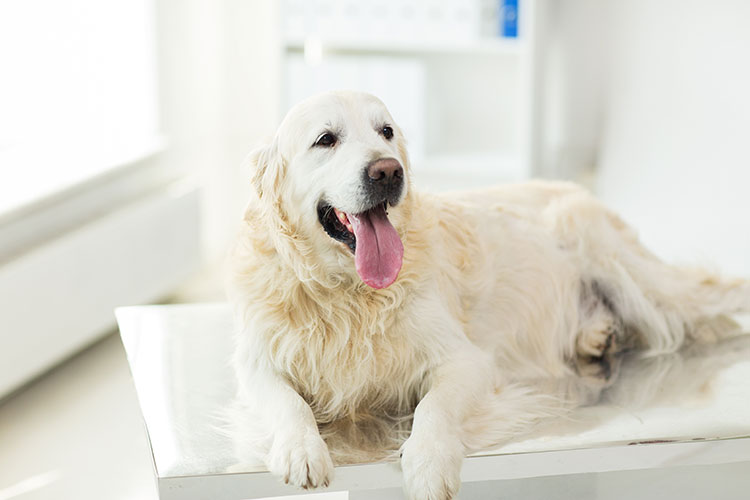
Breaking up with anyone is difficult. Choosing to leave your current veterinarian, regardless of the reason, is extremely uncomfortable. Many pet owners put off this decision, hoping something changes soon, but it rarely does. If your gut is screaming that you and your dog need a new vet, then it’s time to pull up your socks and get it done. Yes, switching veterinarians can be done painlessly and graciously. 

Trust Your Gut

It’s easy to second-guess your gut feeling, but that feeling is there for a reason. If your previous vet left your vet clinic, you’ve moved or you had a difficult time scheduling an appointment, then breaking up with your vet is easy.

When you’re dissatisfied with your dog’s health care or staff members are rude, then that’s when it gets tricky. Many times staff members are rude because there was a misunderstanding. In that case, speak with your veterinarian or practice manager about it. However, sometimes those discussions just don’t work and it’s time to move on.

Trust and listen to your gut, and start looking for a new vet before something happens to your dog. Ask dog friends or your dog trainer for referrals and look into force-free vet clinics.

Transferring Vet Records

This is the point where most pet owners chicken out. While it’s easy to start from scratch with a new vet, it’s not fair to your dog. Your dog’s previous health records are extremely valuable to your new vet.

[perfectpullquote align=”right” cite=”” link=”” color=”” class=”” size=””]Remember, you don’t owe anyone an explanation.[/perfectpullquote]

There are two ways you can transfer vet records. One way is to ask your previous vet to transfer your dog’s health records to your new vet. The second way, which may be a little less uncomfortable for you, is to contact your new vet’s office and have them request your dog’s medical records from your previous vet. What’s most important is your new vet receives those health records.

Remember, you don’t owe anyone an explanation unless you want to. Do tread carefully though and explain why you’re searching for a new vet. Maybe mention that you’re seeking a more integrative approach, you need a vet closer to your home or you received a referral from a fabulous dog-savvy friend. Never burn bridges, so handle this situation politely.

Meeting the New Vet

Assuming you’ve completed extensive research, it’s time to meet your new vet. Keep an open mind and refrain from bashing your previous vet. When pet owners speak negatively about others, it’s uncomfortable for everyone in the room. Switching vets is explanation enough; your new vet knows there was a reason. Instead of explaining why you left, provide details of your dog’s medical history that your vet may need to know.

Also, observe how your new vet and her staff handle your dog, how she explains your dog’s health, and how she answers your questions.

Never Give Up

Hopefully, your new vet fulfills your and your dog’s needs. Sometimes, it just doesn’t work out and that’s OK. Remember, you’re your dog’s voice, so never give up until you find the best veterinarian and support staff. Yes, it’s difficult and uncomfortable, but it’s completely worth it. You’re your dog’s advocate, so speak up. 🙂

Filed Under: Clients, Health, Training Tagged With: breaking up with your vet, can I switch vets, changing vet's moving, changing vets, divorcing your vet, dog training, Dog Training Tips, finding a new vet, how to change vets, how to switch veterinarians, pet vet records, should I change vets, transferring vet records

How To Use Facebook To Help Dogs In Need

March 23, 2017 by Fanna Easter

Help Dogs in Need the Right Way

Help Dogs In Need
Bojan Pavlukovic/Adobe Stock

In a perfect world, social media would be packed with wagging tails, adorable puppy faces and darling dog tricks. Unfortunately, this isn’t always possible. Eventually, a dog lover will stumble upon a desperate-dog-in-need post, and it will tear at her heartstrings. Before you hide the post or tag your friend in a comment, learn how to use Facebook to help dogs in need.

Verify the Dog’s Status

When desperate pleas pop up on your social media feed, take a few moments and verify the dog is still in need. Verify by clicking on the original picture and scroll through the comments for updates. Once a dog has found a foster home, or has been safely pulled from Animal Control, someone usually updates the entire group. If nothing is noted, this dog is probably still in desperate need.

After checking if a dog still needs help, please share the post publicly with your Facebook or Twitter family. When sharing, take a moment to copy and paste the original message including the dog’s location (city and state), specifics about the dog (breed, age, gender, contact person) and verification that the dog is still in need. If you’re unable to foster or donate to help the poor dog, the very least you can do is share his or her story.

Comment Only If You Can Help

There’s no question that Facebook has certainly benefited dogs in need. Many dogs have been adopted due to lightning fast viral attention. However, there’s a downside too. Many well meaning dog lovers write comments that aren’t helping the dog in need. These excessive comments clog up Facebook posts and worse yet provide a false sense of safety.

We all want to help these dogs, but posting “Someone please help this dog now,” “I wish I could help, but I have 4 dogs already” or “This dog looks just like my dog” or tagging a friend within a comment actually delays help. Instead, comment only if you’re able to offer help.

Better Ways of Helping Dogs in Need

Foster, transport, donate or offer your skills. Most rescue shelters accept donations through PayPal or post an Amazon wish list on their websites. If nothing is posted, message the shelter and ask how to send donations. Then, share this link to friends and family on Facebook.

You can also start a fundraiser or make cute hats for shelter dogs. Many years ago, a Pit Bull rescue created beautiful flower hats to showcase available dogs up for adoption. If you’re crafty, offer to create beautiful adornment pieces, such as sequin ties for male dogs or hats. Be strategic with your social sharing, and offer help.

Don’t Scroll Past It

Simply put, seeing sad dogs hurts. Over the last year or so, I’ve noticed a sharp decline in social media shares for posts about dogs in need. I’ll use my social media friends and followers as an example.

I have more than 500 dog-obsessed friends and followers, but maybe only one of my friends will repost a plea for a dog in need. About 3 to 4 years ago, at least 40 people would’ve shared the post. Why such a huge gap now?

From my perspective, it’s gut-wrenching and exhausting to see animals in desperate need every day. Some days, between 5 to 10 pitiful furry faces pleading for help pop up on my newsfeed. Some posts rip my heart into pieces due to unimaginable animal cruelty. I scroll past quickly, telling myself that not seeing it makes it not happen. But then I remind myself that these poor dogs have no voice and that I do.

Social media is powerful, but dog lovers must be strategic to help dogs find their forever home.

Filed Under: Clients, Resources, Training Tagged With: dog training, Dog Training Tips, social media dog rescue, social media dog rescue tips

Psychic Readings For Dogs: I Want To Believe

March 20, 2017 by Fanna Easter

My Experience With Pet Psychic Readings

Animal Communication
Monkey Business/Adobe Stock

Whether or not you believe in the supernatural, pet psychic readings are certainly an interesting topic. After polling pet owners on their supernatural beliefs, I found results were split right down the middle. I’m from south Louisiana and our culture strongly believes in supernatural powers and psychic abilities. While I mostly believe in science-based principles, sometimes I encounter tiny gray areas that allow supernatural power to seep in. Here’s my experience with psychic readings for my dogs. (It just might leave you scratching your head!)

Why I Turned to a Pet Psychic

Many years ago, I shared my home with an extremely aggressive dog. Since he was a young puppy, he was troubled, but had made tremendous strides during his adolescent years. Just when we had reached our dog training goals, he regressed.

After exhausting several veterinary behaviorists and fellow dog trainers for advice, a very good friend of mine recommended a pet physic reading. Honestly, if this recommendation had been from someone else, I would’ve scoffed at the idea. However, this person is world-renowned in animal behavior, is extremely accomplished in the pet industry and had great results from a recent psychic reading for her dog. Hum, could this work?

During the Psychic Reading

After waiting three weeks for an opening, I finally got on the phone with my friend’s highly recommended pet psychic. She was extremely pleasant, but kept small talk to a minimum and asked very few questions. Within 30 seconds of our call, she asked if I was calling about a big fluffy dog to which I answered yes. She said he’s a smart boy, but he suffered from really bad headaches. It’s important to note, I never reveled my dog’s gender during our call. I felt goosebumps run down my spine.

The psychic told me my dog’s exact age, gender and described him completely. She also mentioned specifics about his personality that no one knew except for me and my husband. She said my dog had an issue with his neck, and that was causing his headaches. We were advised to find a good chiropractic veterinarian and have his neck adjusted in a specific spot. After writing down the exact adjustment location, she said, “Hang on a minute, your little dog is so sad.” How did she know I had another dog?

Apparently Stella, my Miniature Bull Terrier, was sad about our recent move. We had moved into our new home about six weeks ago. To help Stella through this adjustment period, the psychic said she would talk to Stella and explain our move was for the best. As I waited on the phone for a few minutes, I could hear Stella’s tail wagging underneath my desk. After a few closing pleasantries, we ended our call.

After Our Psychic Call

During our entire conversation, I took notes. After hanging up, I sat and cried. Honestly, I was shocked how accurate the animal communicator was about my dogs’ conditions. Stella was a different dog after my conversation with the pet psychic; she was back to her old self and played for hours. I found an amazing veterinary chiropractor and scheduled an adjustment for Santiago, my large Bouvier. As you guessed it, his painful area was exactly where the psychic recommended. While Santiago’s aggression never really went away, regular chiropractic adjustments sure helped.

Before pointing to social media or the Internet as hints during our psychic reading, I wasn’t on social media at the time. I had used rescue dogs as demo dogs in articles and videos back then, so it was impossible for the pet communicator to know specifics about my dogs. Trust me, I didn’t say much during our conversation, as I was too busy taking notes.

Other Dog Experts’ Encounters

Over the years, several dog behavior experts confided in me about their personal experiences with pet psychics and animal communicators. Some called because their dogs acted oddly during conformation shows, refused to jump or climb over certain agility equipment, had mysterious illnesses, or had recurring pains that vets were unable to detect. Regardless of the reason, most dog behavior experts were very satisfied with their pet psychic reading results. While this is an unconventional subject, it’s certainly interesting and food for thought if you really want to know what your dog is thinking. 

Have you consulted a pet psychic? If so, what was the outcome?

Filed Under: Behavior, Clients, Training Tagged With: animal medium psychic, are pet communicator real, are pet mediums real, are pet psychics real, dog training, Dog Training Tips, medium for deceased pet, pet medium, pet medium talk to decease pet, pet psychic after death, psychic reading pets, psychic readings dogs

Why You Should Avoid Pet Stores Selling Puppies

March 13, 2017 by Fanna Easter

Puppy Mills & Pet Store Puppies

Puppy Mills
sommai/Adobe Stock

Over the last couple of years, passionate dog lovers have successfully brought attention to a sore spot in the pet industry—pet store puppies. It seems like this movement is finally picking up momentum, as many large cities are now banning pet stores from selling puppies and dogs. This is certainly a win for dog lovers everywhere, and here’s why.

[perfectpullquote align=”full” cite=”” link=”” color=”” class=”” size=””] Puppy mills are run by heartless individuals looking to raise dogs cheaply and make a quick profit.[/perfectpullquote]

What are Puppy Mills?

Puppy mills are deplorable dog breeding factories. They mass produce purebred and designer dogs to fill demand for new puppies. Puppy mills ship very young puppies to any location regardless of distance.

Why Puppy Mills are Bad

Puppy mill dogs are kept in tiny cages where they’re forced to live in their own feces and urine. They don’t have access to veterinary care, are skinny from lack of nutrition, and have matted coats and severely overgrown nails due to lack of basic care.

Breeding stock aren’t health or temperament tested. Instead, they’re forced to have litter after litter to feed consumer demands from pet stores and unknowing pet owners. Puppy mills are run by heartless individuals looking to raise dogs cheaply and make a quick profit.

RELATED: Finding a Dog Breeder: How to Find the Right One

Looking at pictures of puppy mills is sickening enough, but witnessing a puppy mill in person is gut-wrenching. The stench will knock you off your feet and burn your eyes. These poor dogs are barely able to turn around in their cages and are left in dark rooms with no access to sunlight. Most puppy mill dogs have never walked on grass.

Watching these sickly momma dogs covered in mats and feces feeding tiny puppies just makes your heart hurt. Since these dogs have been handled and treated this way, puppy mill dogs are completely terrified of humans.

Given these horrible conditions, it’s easy to see why puppy mills are bad. Unfortunately, puppy mills are everywhere. Most are hidden in rural areas. When one is shut down due to animal cruelty laws, another one pops up to fill demand for puppies. It’s a never-ending battle, and dogs are the victims.

Pet Store Puppies

High consumer demand for puppies is the reason pet stores turn to puppy mills. Pet stores selling puppies are looking to fill inventory quickly, and puppy mills are the most convenient way to fulfill these needs.

Pet stores don’t help these poor puppies out. Pet store puppies are kept in crates 24 hours per day with no access to the outdoors and are forced to potty where they sleep. Potty training a puppy mill puppy is beyond challenging because they’ve learned to potty anywhere. Puppies are little sponges until they’re 16 weeks old, so keeping a puppy in a crate with limited interaction with the world is detrimental. In addition, pet stores don’t properly screen prospective pet owners. This means these innocent pet store puppies could end up anywhere.

Just Say No

Nothing will be done until we do something about it. As a concerned pet owner, I urge you not to buy pet store puppies and educate prospective dog owners on why puppy mills are bad. Don’t shop at pet stores that sell puppies and don’t purchase dog treats from pet stores that don’t sell dogs or puppies. At the very least, please share this article to educate others.

Don’t feed puppy mills. Just say no.

Filed Under: Breeds, Clients, Resources, Training Tagged With: dog training, pet store bans puppies, pet store puppies, pet stores selling puppies, puppy at pet store, puppy mill bans, puppy training, where not to buy a puppy, where to buy a puppy

  • « Previous Page
  • 1
  • …
  • 3
  • 4
  • 5
  • 6
  • 7
  • …
  • 23
  • Next Page »

About

Dog Training Nation is a community of dog trainers, dog owners and dog lovers. Our mission is to provide trainers and owners valuable information to enrich dogs' lives. We cover a range of topics, from socializing puppies to dealing with aggressive dog behavior to selecting the best dog products. It is our hope you share our content to make the dog and owner world a better place.

​

Facebook

Video

Dog Training Nation is a dog training blog for pet owners and dog lovers. We cover a range of topics from puppy socialization tips to dog aggression to dog health. It is our hope you share our content to make the world a better place for dogs.

Dog Training Nation

Quick Links

Dog Training
Dog Behavior
Dog Training Videos
Become a Dog Trainer
About
Contact Us

Copyright © 2026 · Lifestyle Pro Theme on Genesis Framework · WordPress · Log in
