Dog Training Nation

In Dogs We Trust

  • Home
  • Training
    • Dogs
    • Puppies
    • Clients
  • Behavior
    • Breeds
  • Health
  • Safety
  • Resources
    • Equipment
    • Books
  • Dog Training Videos
  • About
You are here: Home / Archives for Dogs

How To Stop A Dog From Running Out The Front Door

September 27, 2017 by Fanna Easter

Stop Your Dog From Running Outside
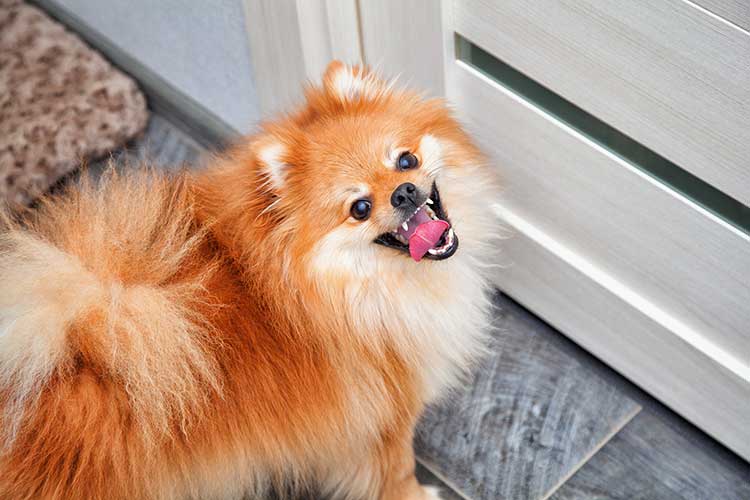
Front Door Dog Gate
Yuli/Adobe Stock

Ding-dong, the pizza man is here! Your dog rushes to the front door while barking loudly. As you carefully crack the front door open, your dog pushes his head through the crack and runs out the front door. The pizza man freaks out and drops your pizza while you go out to chase your dog through the neighborhood. Yikes, how can you stop your dog from running out the front door?

Set Up a Pet Barrier

Prevention is key until a dog learns how to respond to the opening of the front door, so set up a pet barrier to block your dog from the door. While it’s impossible to add a regular gate to the front door, you can place a secure front door dog gate inside your home.

Choose a well-made gate that can be expanded around the front door area and one that your family can easily step over. For large dogs that have a history of gate crashing (knocking over gates), choose a wall-mounted version with a hinged door. Gates that are at least 4 feet high prevent excited dogs from jumping over them when the pizza man arrives.

Keep your front door barrier in place permanently; it’s an added safety piece until your dog learns to wait at the door. Also, it’s a great safety measure if neighborhood children walk in and out of your house. This management tool will keep your dog safely contained inside.

Change Your Dog’s Behavior

Placing a front door barrier is an excellent management tool, but it’s important to teach your dog how to positively react when the front door opens. Grab lots of super yummy treats, put a leash on your dog and crack open the door.

When your dog chooses to back away from the door, click (or say “yes”), close the door and then give your dog a treat. Continue to practice with your dog leashed by slowly opening the front door a bit wider. If your dog tries to rush out the door, wait until she stops and click/treat. For more details, check out how to teach your dog polite door behaviors here.

WATCH: How to Stop Your Dog From Running Out the Front Door

Filed Under: Dogs, Safety, Training Tagged With: dog front door, dog pushes out front door, dog pushes through doors, dog runs out front door, dog rushes doors, dog rushes through front door, dog training, Dog Training Tips, front door dog gate, how to keep dog inside, keep dog indoors, pet door barrier, stop dog from running away, stop dog from running out front door, stop dog from running outside

Does Your Dog Pull On Leash? Ditch The Leash

August 31, 2017 by Fanna Easter

Dog Training Tips for Strong Pulling Dogs

Stop Dog Pulling on Leash
Marcella Miriello/Adobe Stock

When dogs pull on leash like freight trains, it’s frustrating, exhausting and downright dangerous. It feels like your shoulder is dislocated during and after each walk, and your back muscles scream for mercy. Pulling strongly on leash is painful for dogs too, especially if they’re wearing a collar. While it may not seem painful to your dog, it’s important to note that his neck hurts just as bad as your shoulder. Over time, strong pulling dogs develop permanent shoulder and neck issues and so do their pet owners.

As pet owners, it’s our job to teach our dogs that hanging out with us is more fun than pulling on leash. While it may seem impossible, it’s actually very easy to teach.

If It Hurts, Why Does My Dog Pull on Leash?

Dogs pull on leash because they don’t know what to do instead of pulling. Dogs get excited, so they pull forward and their pet owners follow. This starts a vicious leash pulling cycle, which isn’t safe for anyone. If your dog pulls on leash, it’s important to teach your dog polite leash manners.

Ditch Your Leash

Until your strong pulling dog learns that staying next to you is rewarding, ditch your leash. Strong pulling dogs get really excited when leashes appear, and they immediately pull once the leash is attached. Plus, it’s difficult to manage your pulling dog, provide treats and reward good behavior at the same time. Since you’re ditching the leash, make sure to only practice this behavior in your home first.

Hanging Out With Me is Fun

Grab super yummy treats, such as cheese sticks, and practice in a low distraction area of your home. Practice while children are napping and other dogs are happily licking food stuffed Kongs in another room. Remember, you don’t need a leash for this exercise.

  • Holding treats in your hand, take one step forward and wait for your dog to return to you. Don’t worry, your dog will likely hang out with you because treats are present. This sets you both up for success.
  • When your dog chooses to walk back to you, say “yes” the moment he walks next to your shoes and give him a treat. When handing him an earned treat, drop the treat next to your shoes.
  • Take another step and wait for your dog to stand next to you. If your dog hangs out with you, while you’re taking a step, immediately say “yes” and drop a treat at your feet.
  • Take a step backwards, and reward when he returns or stays with you.
  • Continue one step at a time.
  • Keep dog training sessions short about 1-2 minutes long.

Take More Steps

Once your dog will remain with or return to you 90% of the time, it’s time to take three steps forward. Continue adding one step at a time, and walk around your home. If your dog chooses to hang out with you, while you’re walking around your home, say “yes” and reward often. Practice daily and keep training sessions short.

Time to Add a Leash

Once your strong pulling dog learns that hanging out with you is rewarding, it’s time to add a leash. Some dogs may regress a bit, because their leash is super exciting, so start with one step at a time. Check out this article and video for teaching your dog polite leash manners while wearing a leash. Usually, most strong pulling dogs zoom through this process because they’ve already learned that hanging out with their pet owners makes treats rain from the sky!

Reward this behavior often, and it will stick around!

WATCH: Dog Training Tips for Strong Pulling Dogs

Filed Under: Dogs, Training Tagged With: dog horrible on leash, dog pulling on lead solutions, dog pulls on leash, dog terrible on leash tried everything, dog training, Dog Training Tips, how to teach a dog, how to train a dog, how to train a dog to walk on leash besides you, polite leash manners, stop dog pulling on harness, strong pulling dog leash, teach a dog, teach dog how to walk on leash, train a dog

How To Teach Your Dog Polite Leash Manners

August 21, 2017 by Fanna Easter

Polite Leash Walking

Polite Leash Manners
Christin Lola/Adobe Stock

Dogs pull on leash because they haven’t been taught differently. It’s up to pet owners to positively teach dogs polite leash manners, and it’s actually much easier than most pet owners think. All you need are: a clicker (or marker word), 4-foot nylon leash, body harness, your dog and lots of super yummy treats. These tips will help your dog learn polite leash manners in no time!

What are Polite Leash Manners?

Polite leash manners are when dogs are able to walk on leash without pulling. This behavior is different than “heel” in that a dog is able to walk around his pet owner and sniff. Heel is very formal, which requires the dog to walk next to his pet owner’s right leg. Polite leash manners let dogs explore while staying close to their pet owners.

Choosing Dog Training Treats

Using super yummy treats will greatly increase your chances of success. Treats are your dog’s paycheck for a job well done, so reward generously. Use baked chicken, cheese cubes, hot dogs or deli meat as rewards. These treats won’t upset your dog’s tummy if given in pea-size bites during training sessions.

Also, giving your dog human food won’t teach dogs to beg. Dogs learn to beg when people give them food from their plates. 🙂

RELATED: 6 Ridiculous, Yet Common Dog Myths

My Dog Pulls Like a Freight Train

This is common, especially with larger dogs that have learned to pull on leash. Leash pulling is dangerous because strong pulling dogs can easily knock their pet owners over. If your dog pulls, try using a front clip harness. This piece of equipment will give you control during walks until your dog learns polite leash manners.

One Step at a Time

Teach your dog polite leash manners slowly until your dog understands that walking on a loose leash is rewarding. Practice indoors and start by taking one step forward and wait until your dog stops pulling on the leash. Many pet owners are so used to their dogs pulling on leash that they have a hard time understanding when to reward their dogs.

Zone in on the pressure of the leash in your hand instead of the dog’s position to you. When you feel any tension on the leash, stop and wait for your dog to release this pressure. The moment you feel this pressure release, say “yes” and give your dog a treat reward.

Pro tip: Hold your dog’s earned treat next to your leg, so he returns to you for his treat. Feeding your dog earned treats next to your leg teaches your dog that hanging around you is rewarding.

Practice taking one step forward at a time while waiting for a loose leash (i.e. no leash pressure) and always reward generously. It’s best to practice for 10 single steps forward (10 times to practice good behavior) each day. Soon, your dog will learn that a loose leash pays well!

Take 3 Steps Forward

Take 3 steps forward and wait. Usually, most dogs will pull at first, but wait for a loose leash.  Say “yes” the moment you feel leash pressure release and reward your dog. If your dog doesn’t pull on the leash during and after taking 3 steps forward, immediately click and reward good behavior. YAY!

Continue practicing for 1-2 more minutes, then end the training session. Once you’re able to walk around your home or backyard, with minimal leash pulling, it’s time to practice one step at a time in your neighborhood. Remember, neighborhoods are distracting, so take a step back to set your dog up for success. Practice daily for 1-2 minutes, then end your training session.

Reward Good Behavior Every 4 Steps

Once your dog learns to walk politely on leash, it’s important to continue rewarding good behavior or you’ll lose it. Pet owners get into a groove and forget to reward their dogs for good behavior, so set up a strategy for success.

Bring treats along during your walks, and reward your dog every 4 steps for a week. During walks, stopping and rewarding your dog after 4 steps forward provides a high rate of reinforcement and a reminder to pet owners to reward good behavior. In the following week, reward your dog every 5 steps and so on. When rewarding your dog, mark your dog’s good behavior and hold his earned treat next to your pant leg.

Give Dogs Plenty of Sniffing Time—With One Rule

Sniffing opportunities are a vital part of walks. They’re an excellent form of mental enrichment and a great reward for good behavior. Dogs have an amazing sense of smell, and they really enjoy sniffing where bunnies were playing or dogs posted “pee” social media mail. Dogs should have plenty of sniffing opportunities, but with one rule.

If your dog pulls you toward a certain spot, stop and wait for your dog’s leash to loosen. The moment you feel slack in your dog’s leash, start walking toward your dog’s sniffing spot. Once your dog is done sniffing, continue your walk.

Polite leash manners are a learned skill, so practice and reward often to maintain it!

WATCH: How to Teach Your Dog Polite Leash Manners

Filed Under: Dogs, Training Tagged With: dog pulls on leash, dog training, Dog Training Tips, how to teach a dog, how to train a dog, polite dog leash manners, polite leash manners, polite leash walking, puppy pulls on leash, stop dog pulling on leash, teaching your dog, training your dog, training your dog to give kisses

Use A Positive Interrupter Cue To Stop Bad Dog Behavior

August 18, 2017 by Fanna Easter

How to Stop Bad Dog Behavior

Dog Behavior
Christian Müller/Adobe Stock

Dogs will be dogs. They bark, run away, chase squirrels, dig, rough house and get super excited. Interestingly, these unwanted behaviors are natural dog behaviors; they’re part of being a dog. Dogs don’t understand why humans find these fun behaviors so annoying.

To stop bad dog behaviors, many pet owners tend to scream “no” or physically punish their dogs. However, there’s a more positive way to interrupt your dog’s behavior. Interrupter cues stop unwanted behaviors by having your dog do something else. Learn how you can incorporate this cue in your training.

Choose a Positive Interrupter Cue

An interrupter cue stops unwanted behavior, so you can redirect your dog’s attention. Yelling “no”or “stop it” doesn’t work, and it will likely frighten your dog. Plus, pet owners tend to become angry when saying “no,” which snowballs into an angry hot mess.

Using a positive word as an interrupter makes a huge difference. Try screaming “no” out loud; it’s a bit scary as it echoes out of your mouth. Now scream “cupcake” out loud. Can you hear and feel the difference? It’s hard to be angry when screaming “cupcake” unless that’s your dog’s name and she’s running away from you. 🙂 This tiny difference is why it’s so important to choose a positive and fun word as an interrupter cue.

An interrupter cue can be a verbal cue (“treat”) or physical cue (one finger touches dog’s body). When choosing a verbal cue, pick something fun and quick, such as:

  • Treat
  • That’ll do
  • Woohoo
  • Cupcake
  • Sprinkles
  • Tequila
  • Beer
  • Cookie

While it’s tempting to use your dog’s name, many pet owners have used it so much that their dogs ignore it. Some pet owners sound like they’re screaming “no” when saying their dogs’ name too, so use a new cue. For hearing impaired dogs, a simple finger touch on their back works beautifully as an interrupter cue.

Once you’ve chosen a positive interrupter cue, pair it with super yummy food.

How to Introduce an Interrupter Cue

Grab lots of super yummy treats, such as baked chicken, chopped up hot dogs or cheese cubes. Treats are your dog’s paycheck, so skip commercial dog treats and use the good stuff! The better the treat, the faster your dog will respond to an interrupter cue.

Start Indoors First

An interrupter cue stops your dog from doing a specific behavior. When your dog is walking forward or looking out of a window, an interrupter cue will stop this behavior. Once a behavior is stopped, it’s important to reward your dog for doing something else like stopping the previous behavior and looking at you.

Start with your dog in the living room and say your interrupter cue. The moment your dog turns around and looks at you, say “yes” (marker word) and give your dog a treat. Practice this behavior 5 times in a row, and then end it. Continue to practice in short training sessions indoors and reward your dog every time he responds to the interrupter cue.

Once your dog responds to the interrupter cue 90% of the time, use the interrupter cue randomly throughout the day. While watching TV, if your dog barks out the window, say “treat” and generously reward your dog when she stops barking and looks at you. Drop your dog’s earned treat at your feet, so your dog walks over to get the treat. This teaches your dog to hang around you instead of the window.

Practice Outdoors

When your dog becomes really good at this behavior indoors (i.e. responds 90% of the time), it’s time to practice the behavior outdoors. Leash your dog and practice saying the interrupter cue, marking and rewarding this behavior for 1-2 minutes. Practice daily for 1-2 minutes with your dog on leash.

Keeping your dog on leash during the first steps of the learning process prevents your dog from wandering off and increases your chances of success. Once your dog will respond quickly to your interrupter cue, take your dog’s leash off and practice saying your interrupter cue and generously reward good behavior.

Using an Interrupter Cue With Multiple Dogs

If you share your home with multiple dogs, practice introducing an interrupter cue indoors with one dog first. Once the first dog responds to your interrupter cue 90% of the time, bring another dog into the mix. Mark and reward each dog when she responds. Once all dogs respond quickly, it’s time to practice with one leashed dog at a time outdoors.

When to Use an Interrupter Cue

Once your dog consistently responds to an interrupter cue, it’s time to use this valuable cue when your dog is barking, playing roughly or digging. Remember, an interrupter cue will only stop bad dog behavior, so ask your dog to do something else.

When indoors, most dogs will stop and look at you once they hear the interrupter cue, so reward this behavior generously. If your dog is in another room or outdoors, say the interrupter cue and toss the reward next to your feet. This will stop your dog’s unwanted behavior and teach him to come to you for the treat. When dogs are playing too roughly, say the interrupter cue and reward each dog the moment she stops playing and looks at you.

It’s important to note that an interrupter cue is different than the “look at me” cue because the interrupter cue is used to stop your dog’s unwanted behavior (barking), so you can redirect him to do something else (look at you). Of course, you can certainly reward your dog the moment she stops barking with a marker word and toss a treat next to your feet. Usually though, unless the dog walks away from the window or digging pit, the unwanted behavior will quickly resume.

What If the Unwanted Behavior Happens Again?

Sometimes, barking, playing and chasing squirrels resumes immediately after hearing an interrupter cue. When this happens, say the interrupter cue again and remove your dog from the situation. Close blinds for window barking, separate rough playing dogs temporarily and bring your dog indoors. This prevents dogs from reengaging in the behavior.

Make interrupter cues more fun than barking, digging and playing, and you’ve hit the jackpot!

Filed Under: Dogs, Puppies, Training Tagged With: dog behavior, dog training, Dog Training Tips, how to stop bad puppy behavior, how to stop dog doing bad things, how to stop unwanted dog behavior, how to teach a dog, how to train a dog, stop bad dog behavior, teach a dog, train a dog

How To Teach A Dog To Ask You To Potty

August 9, 2017 by Fanna Easter

Training Your Dog to Ask You to Potty

Dog Training Tips
brusnikaphoto/Adobe Stock

Potty training is a difficult part of sharing your home with a dog. If only puppies and dogs were pre-programmed to potty outside. 🙂 But that’s not the case, and it’s the pet owner’s job to teach a dog to potty outdoors.

Crate training and following a schedule are the foundations of potty training, but sometimes puppies and dogs need to potty regardless of a schedule. In this case, teach your dog a cue that tells you he needs to potty. Here’s how to teach your dog to ask you to potty and a few easy cues to use.

“Hello, I Need to Potty” Cue Ideas

Pick an easily visible behavior that your dog does often, and teach your dog that this specific behavior means “I’ll open the door, so you can potty.” Picking a cue is the hard part, so pick something easy. Here’s a list of easy cues that most dogs and puppies offer daily.

  • Sitting by the back door. This cue only works if you’re able to see your dog sitting next to the door.
  • Dog walks over and sits in front or side of you. (Dog trainer recommended!)
  • Puppy or dog looks at you, then the back door.
  • Walking toward the back door.
  • Sitting on a special mat placed in an easily visible area like in the living room or in front of the TV.
  • One or two barks at the door.

Choose only one cue and stick with it, and make sure you’re able to see your dog offer this behavior or it will become meaningless.

RELATED: Why Your Potty Trained Dog Pees in the House

How to Reinforce “I Need to Potty” Cue

Once you and your entire family have chosen a “I need to potty” cue, it’s time to teach your dog what the cue means. Every time your dog offers this cue, immediately get up and let your dog outside to potty.

When cooking dinner, keep an eye on your puppy and immediately bring your puppy out to potty when he offers this behavior. If you’re unable to keep an eye on your dog or puppy, put him inside his crate with a food stuffed toy.

For example, when potty training my Rottweiler, I noticed a peculiar behavior. He walked over and pushed the mini-blinds with his nose, which I assumed meant, “I need to go outside now.” I jumped up and let him out to potty.

From then on, he pushes the blinds when he needs to potty. 🙂 He learned that lightly pushing a specific blind in the living room with his nose would make me get up and open the back door for him. While this can become a pestering issue later, it’s an easy fix. Right now, it’s important to teach your dog how to ask you for a potty break.

Continue to reinforce this dog behavior, and soon your dog or puppy will learn how to tell you, “Hey, I need to potty.”

Filed Under: Dogs, Training Tagged With: best tips for potty training, dog behavior, dog potty training tips, dog training, Dog Training Tips, how to potty train a older dog, how to potty training a puppy, how to teach a dog, how to train a dog, my dog will not potty train, puppy potty training tips, teach a dog to ask me to potty, teach dog to tell you to potty

  • « Previous Page
  • 1
  • 2
  • 3
  • 4
  • …
  • 32
  • Next Page »

About

Dog Training Nation is a community of dog trainers, dog owners and dog lovers. Our mission is to provide trainers and owners valuable information to enrich dogs' lives. We cover a range of topics, from socializing puppies to dealing with aggressive dog behavior to selecting the best dog products. It is our hope you share our content to make the dog and owner world a better place.

​

Facebook

Video

Dog Training Nation is a dog training blog for pet owners and dog lovers. We cover a range of topics from puppy socialization tips to dog aggression to dog health. It is our hope you share our content to make the world a better place for dogs.

Dog Training Nation

Quick Links

Dog Training
Dog Behavior
Dog Training Videos
Become a Dog Trainer
About
Contact Us

Copyright © 2026 · Lifestyle Pro Theme on Genesis Framework · WordPress · Log in