Dog Training Nation

In Dogs We Trust

  • Home
  • Training
    • Dogs
    • Puppies
    • Clients
  • Behavior
    • Breeds
  • Health
  • Safety
  • Resources
    • Equipment
    • Books
  • Dog Training Videos
  • About
You are here: Home / Archives for Dogs

How to Teach Your Dog to Focus

February 16, 2015 by Fanna Easter

Teaching Your Dog to Focus Around Distractions

How to Teach Your Dog to Focus
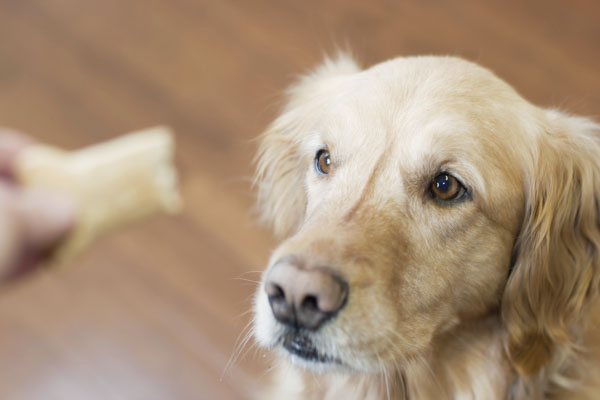
You’ll need lots of yummy treats to get started.

Once your dog reliably looks at you when she hears her name, it’s time to add distractions. This is the hard part because teaching a behavior is not easy. Now, it’s time to take it to the real world!

Introduce Distractions

You’ll need a clicker and lots of super yummy treats.

  • Practice indoors. Say your dog’s name when she’s looking at something random, such as a toy or the window. Click when she looks at you and toss the treat by your feet so she comes over to get it.
  • Outside, while on leash, practice for a few days.
  • After one to two weeks, bring yummy treats and your clicker in the backyard and practice. Squirrels and other dogs romping around are hard to resist so use yummy treats and attach her to a leash, if needed.

RELATED: Dog Training Treats

Problem Solving

When adding distractions, move slowly. If you’re a singer, just starting out, it would be tough to sing in front of a stadium full of people, right? Start slowly by singing in front of family, friends, small gatherings and such. This builds confidence and ensures you have a full understanding of expectations.

  • If your dog ignores the cue, recall her to you and reward profusely! Clip a leash to her collar and try again.
  • Distance is your friend: Practice 20 feet from other dogs and playing children, and slowly move toward the distractions over time.

Focusing at Dog Parks

This is a tough one and may take months to perfect, as dog parks are the mecca of distractions! 🙂 Again, this is equivalent to singing at Madison Square Garden. You must hone your craft before practicing it in front of the world. Personally, I’m not a fan of dog parks–too many rude dogs there. Anyhow, try:

  • Practicing outside about 20 feet from dog parks for a few sessions.
  • Slowly moving closer to the park. If your dog becomes distracted, back up and try again.

VIDEO: Teaching Your Dog Focus: Introducing Distractions

You may also like: Teaching a Dog “Look at Me”
Filed Under: Behavior, Dogs, Training Tagged With: how to train a dog, how to train a puppy, teaching your dog focus, teaching your dog look at me

Teaching a Dog “Look at Me:” Adding a Cue

February 16, 2015 by Fanna Easter

Train Your Dog to Look at You

Teaching a Dog to Look at Me
It’s time to add a cue!

Once your dog will look at you, instead of holding treats in your left hand, it’s time to move forward by adding a cue.

How to Add a Cue

It’s best and much quicker to add a cue to behavior after your dog understands what to do. Choose a cue meaning “look at me instead of everything else.” I suggest saying your dog’s name. The cue doesn’t really matter, as long as you use the same one each time.

  • Holding a treat in your left hand while the leash and clicker are in your right hand, move both hands away from your face. Basically, you’re increasing the distraction level.
  • As you move both hands away from you, say your dog’s name once. The moment she looks at you, click and give her the treat.
  • Keep practicing. Try moving your hands above your head, waist level and so on. Say your dog’s name once and wait for her to choose looking at you instead. It’s worth the wait. 🙂

RELATED: How to Train Your Dog Around Distractions

Problem Solving

If your dog ignores her name, wait for her to look at you. If she doesn’t look at you after three seconds, then she’s probably confused or really distracted.

  • Use super yummy treats. Remember, treats are your dog’s paycheck so the higher you pay, the faster your dog will learn.
  • Take a step back from distractions. You may have moved too quickly too soon. This is normal. Think about learning how to drive. It’s not fair expecting you to merge on a 16 lane highway packed with traffic during your second week of driver’s ed. 🙂
  • At times, your dog will sit and look around instead. Remember “sit” is usually your dog’s default behavior when confused. She’s thinking, “I don’t know what she wants so I’ll sit. That usually gets me treats.” Instead, wait her out. See if she will over something else, which is usually “look at me.” If, at anytime, your dog becomes confused, take a step back to “capturing look at me.”

VIDEO: Teaching a Dog “Look at Me:” Adding a Cue

You may also like: Teaching Your Dog Focus

Filed Under: Behavior, Dogs, Training Tagged With: how to train a dog, how to train a puppy, teaching a dog to look at you, teaching a puppy to focus on you

Teaching Your Dog to Wait for His Food Bowl

February 13, 2015 by Fanna Easter

Teaching Your Dog Table Manners

Teaching a Dog to Wait for Food
Good boy! He’s waiting as the food bowl lowers.

Does your dog gobble his food down before you’re able to put his food bowl on the ground? Check out our tips and video focused on teaching dogs to wait for meals. Polite behavior is a good thing!

Why Does This Happen?

When you’re hungry, you’ll inhale your meal the moment the plate hits the table. Dogs are the same way plus they never read the pet parent guide for polite dog manners so let’s teach them. If your dog is a resource guarder, meaning he guards his food bowl, then teaching him to wait for meals is a huge plus. Not only is teaching dogs to wait for meals polite behavior, it also teaches hyper dogs how to calm themselves.

How to Teach Your Dog Table Manners

It’s pretty simple to teach. All you need is a food bowl with a few treats in it and your dog. Remember: When your dog tries to mug the food bowl, it goes away. When he waits, he’s rewarded with the bowl on the floor with treats.

  • Lower the food bowl slowly toward the ground. If your dog tries to get the treats, pick the bowl up so he can’t get the treats.
  • Try again and lower the bowl again. Same boundaries apply. If your dog mugs the food bowl, it goes away.
  • You’ll notice your dog sitting or lying down. This is not required, but he may choose to perform these behaviors instead. He’s trying to figure out what will make the food bowl lower. Plus, “sit” and “down” keep your dog’s nose out of the bowl so it’s a win-win.
  • Now, you can ask your dog to “sit” or “down” before lowering the food bowl. It’s up to you. Personally, I prefer the appearance of the food bowl as the cue for polite meal behavior.
  • Practice each meal and make sure the entire family is on board. Consistency is important.

Check out this video, which demonstrates how to teach Sobek, my Rottweiler, polite meal behavior. You’ll notice him hopping when I pick up the food bowl. He’s getting a tad frustrated and hence the hopping. This is the first time I taught him this behavior.

VIDEO: Teaching Dogs to Wait for Meals

READ ALSO: Keep Your Dog From Pulling

Filed Under: Dogs, Puppies, Training Tagged With: dog wait food, excited dog tips, hyper dog tips, polite dog meal behavior, puppy wait food, teach your dog to wait for the food bowl, teaching dogs to wait for meals, train your dog to sit and wait for food, training a hyperactive dog to calm down, training an excited dog

Training Dogs Polite Greeting Behavior

February 9, 2015 by Fanna Easter

Stop Your Door-Dashing Dog

Training Dogs Polite Greeting BehaviorIf your dog thinks the door threshold is the Indy 500 line, then check out these door-dashing dog tips. Plus, check out demo videos that teach large and small dogs.

What is Door Dashing?

Door dashing is about excitement on the other side. Dogs can’t wait to see what’s happening. Have you seen children piling out a doorway, trying to get into Chuck E. Cheese or Disneyland? That’s door-dashing at its finest. 🙂

Door dashing has nothing to do with aggression, mate seeking or dominance. This is totally unproven. If your dog barks and lunges at guests coming through the door, this is totally different than door dashing. This sounds like defensive aggression, meaning he is afraid of what’s coming through the door.

RELATED: Dog Aggression

Teaching Polite Door Manners

It’s all about consequences. If you push or rush toward the door, it closes. If you move away from the door, it opens —  voila! Dogs pick up on this quickly too. Even the best door dashers can learn polite manners within minutes.

Opening and Closing the Door

Before we start, let’s chat about opening and closing the door. Never close your dog’s nose in the door. This will teach him to be afraid of the doorway. By slowly closing it, you’re keeping the door from opening further. Close the door as your dog moves his nose from the open crack. If your dog’s nose remains in the crack of the door, hold the knob to prevent the door from opening further. After a few seconds of sniffing or patiently waiting for you to open the door further, your dog will walk away. He knows it’s not working. This is a good thing since your dog is learning that door rushing is not working.

Rewards

Most dogs love playing in the yard, going for walks or having guests visit so they get super excited about going through a door. Use this excitement as a reward! If you want, you can toss a treat just outside the open door for a super nice reward.

Front Door Precautions

Living in an urban area, about 40% of my clients don’t have backyards so they reward with walks. Plus, door dashing happens when guests come over when dogs wait for the moment to dash through the door and romp the neighborhood. Yikes! When practicing polite greeting manners using the front door, make sure your dog is leashed.

Adding a Cue

When teaching polite door manners, you can use a verbal cue, such as “wait” at the door. Think of a “wait” cue as a pause button when your dog remains with you until released. Personally, my cue for “wait” at the door is my hand touching the doorknob. Then, I say “yes” or “OK” to release them. Now, you can say “wait” if you like. It’s up to you.

How to Stop Your Dog From Door Dashing

Practice each step until your dog will wait patiently for the door to open all the way.

  1. Place your hand on the doorknob. If your dog rushes toward the door, remove your hand from the knob. Note, the door has not opened yet. Most dogs will launch toward the door when you touch the knob. 🙂
  2. Now, slowly open the door to leave a tiny crack. Keep practicing until your dog moves away from the cracked door. Once he ignores the opening door or moves away from the door as it opens, say “yes” or “OK” and open the door.
  3. Open the door further, working in small increments. When your dog waits, moves away from the door, sits, lays down or whatever, say “yes” or “OK” and let him out in the backyard.

Door-Dashing Dogs: Tips for Small Dogs Video

Personally, I find teaching polite greeting manners a tad more difficult with smaller dogs. Small dogs can fit through small door cracks and between your feet so it’s probably best to leash them during the first steps.

Teaching Door Manners to Big Dogs Video

Larger dogs are pretty easy to teach polite door manners. If you’re unsure, leash your dog during the first steps.

Happy training!

You may also like: My Dog Refuses to Move

Filed Under: Behavior, Dogs, Training Tagged With: dog runs out door, door dashing dogs, how to teach polite door manners for dogs, how to teach your dog to wait, how to teach your puppy wait, my dog always runs of door, my dog charges through the door, my dog keeps running out the door, my dog runs of the door, preventing dog door dashing, puppy runs of door, teach your dog to wait at the door, teaching dogs not to run out the door, tips for dog dashing dogs, tips for teaching your dog not to run of the door

Stop Your Dog From Biting on His Leash

February 9, 2015 by Fanna Easter

How to Stop Leash Biting

How to Stop Dog From Biting on Leash
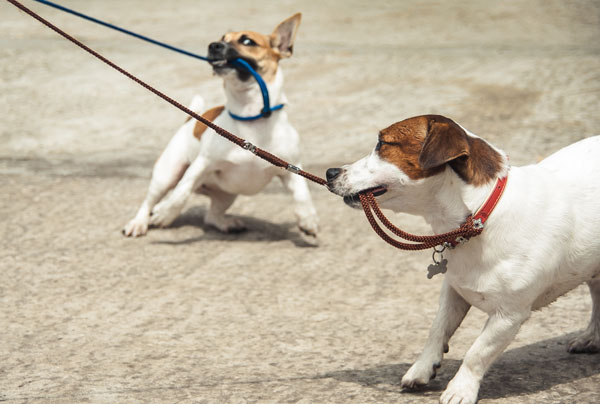
“We don’t want to go home yet!”

Watching a dog, or puppy, using his leash as a tug toy makes me giggle. I know it’s frustrating so I’ve compiled causes and dog training tips to prevent leash biting.

Causes and Tips

When dogs pull on their leashes using their mouths, they are usually overly excited. Now, a few dogs will bite and tug on their leash when frustrated. I’ve witnessed this during group class. The pet parent is chatting away with her neighbor and her pooch is saying, “Um, I want to keep playing” or “I just sat and laid down. You missed it. Where’s my treat?” Sometimes, dogs will stand still and chew their leashes. This usually happens with puppies and adolescent dogs. They’re totally bored. 🙂

Frustration

When teaching your dog skills, stay with him through the process. If you become sidetracked by a chatting neighbor or an adorable puppy, still click and treat your dog for good manners using the below tips.

RELATED: Parking Your Dog

At home, when dog training sessions are done, say “all done” and put away your clicker and give your dog the rest of the treats. Basically, you’re asking your dog to punch out so he can go play or relax.

Excitement

Click and treat your dog when he lets go of the leash. By rewarding this behavior, your excited dog will learn two things: it pays to stop biting the leash and self-control.

RELATED: Teaching Dogs Self-Control

When your dog starts leash biting, stand still and refrain from pulling against the leash. When you become quiet, dogs will usually become quiet too. Bingo! Reward good behavior. If you pull the leash, fuss at your dog. Your dog will continue to become more excited, which means stronger leash biting.

Start a game of touch. This gives your dog something else to do with his mouth instead of leash biting. Plus, jumping into a fun game redirects excited dogs and puppies from the leash.

Sometimes, dogs will bite and tug on their leash when it’s time to turn around and go home from a fun walk. Wait until your dog stops biting the leash and click. Then, toss several treats ahead of you. Once your dog eats his treats, say “let’s go” and click/treat for loose leash walking.

VIDEO: Leash Biting

Happy training!

You may also like: Stop Your Dog From Pulling on the Leash

Filed Under: Dogs, Puppies, Training Tagged With: biting leash, dog bites leash, dog biting leash, dog chews on leash, dog pulls on leash with mouth, dog training leash biting, get dog stop biting leash, how can I stop my dog from biting the leash, how can I stop my puppy from biting the leash, leash biting, puppy bites on leash, puppy biting leash, puppy chews leash, stop dog biting leash

  • « Previous Page
  • 1
  • …
  • 19
  • 20
  • 21
  • 22
  • 23
  • …
  • 32
  • Next Page »

About

Dog Training Nation is a community of dog trainers, dog owners and dog lovers. Our mission is to provide trainers and owners valuable information to enrich dogs' lives. We cover a range of topics, from socializing puppies to dealing with aggressive dog behavior to selecting the best dog products. It is our hope you share our content to make the dog and owner world a better place.

​

Facebook

Video

Dog Training Nation is a dog training blog for pet owners and dog lovers. We cover a range of topics from puppy socialization tips to dog aggression to dog health. It is our hope you share our content to make the world a better place for dogs.

Dog Training Nation

Quick Links

Dog Training
Dog Behavior
Dog Training Videos
Become a Dog Trainer
About
Contact Us

Copyright © 2026 · Lifestyle Pro Theme on Genesis Framework · WordPress · Log in