Dog Training Nation

In Dogs We Trust

  • Home
  • Training
    • Dogs
    • Puppies
    • Clients
  • Behavior
    • Breeds
  • Health
  • Safety
  • Resources
    • Equipment
    • Books
  • Dog Training Videos
  • About
You are here: Home / Archives for Training

Fake Service Dogs Do a Disservice

July 16, 2015 by Fanna Easter

The Problems With Fake Service Dogs
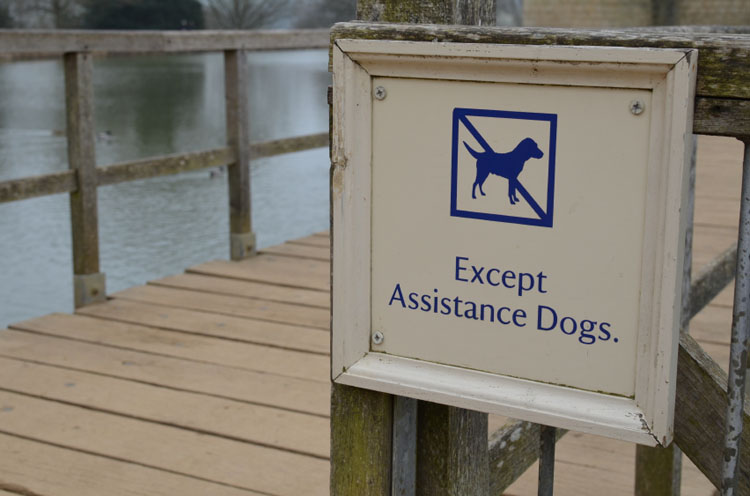
Fake Service Dogs
martin meehan/iStock

If you’re wondering where to find a service dog vest and paperwork, you probably want to bring your dog in public. As a dog lover, I totally understand. I would love to bring my dogs inside restaurants, hold them in my lap during flights, dodge airline pet carrying fees and landlord restrictions, but finding service dog paperwork to be able to bring your dog with you in public is wrong. Before you click past this article, please take a moment. Hear me out first, then make your decision. I’m not judging. Just allow me to explain the other side of the coin.

It Makes It Harder for Actual Service Dogs

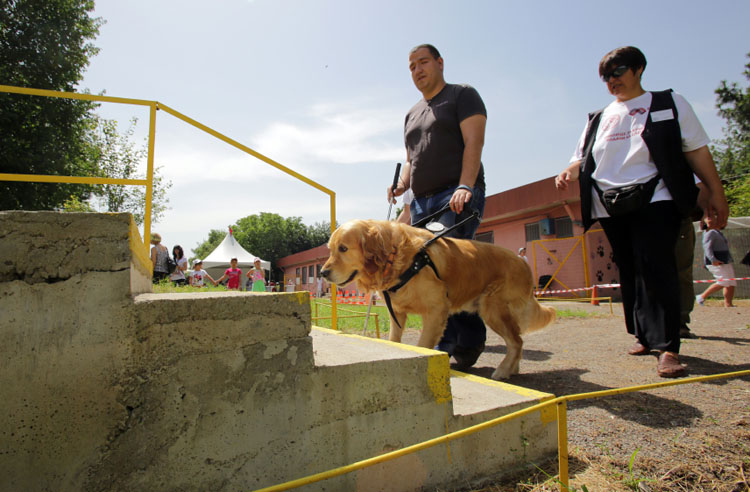
Rigorously trained service dogs go virtually unnoticed in public places. They are quietly working. When they’re not working, they’re comfortably lying at their person’s feet. This is why they’re allowed in public places. They perform a specific task per ADA regulations for their disabled friend and mingle with society politely.

Untrained dogs that have acquired a service dog vest and paperwork by purchasing online do not perform a specific task for their owners, which is an ADA requirement. While some dogs are polite, the majority are disruptive–barking, growling and even lunging at other dogs, children and adults.  These outbursts chip away at the well-respected and trained service dogs. Please, let’s not botch this up for them. Disabled people need their service dogs, so let’s preserve their right.

RELATED: Types of Service Dogs

Unfair for Your Untrained Dog

When polled, dog owners purchased service dog vests and paperwork online because they want to bring their dogs with them everywhere. For clarification purposes, when I mention untrained dog, I’m talking about a dog that has zero training or has only graduated from basic group classes with a dog trainer. In short, these dogs have not been exposed to stressful situations in small doses to teach polite manners per service dog training protocols.

Instead, untrained dogs are brought onto airplanes flooded with scary situations. Some dogs shut down while others become terrified and begin to bark, whine, howl and show other signs of discomfort in stressful situations. On a flight to San Diego, an adult Yorkie that was sitting on her dog owner’s lap had diarrhea and pooped all over her owner’s dress, seat, purse and other passengers in mid-flight. The entire plane smelled of feces. As the poor dog owner cleaned up the mess, she kept saying loudly, “This is not like her. She’s never done this before. She’s a service dog, you know.”

And Yes, We Can Tell He’s Not a Service Dog

Puppies drowning in large service vests, show dogs pulling on leash, dogs jumping on passengers, dogs having a hard time settling on a plane, dogs constantly whining under the table at restaurants don’t go unnoticed. It’s pretty obvious. Sorry.

Unfortunately, most offenses reported are due to dog aggression instances where untrained service dogs become afraid, begin to growl, lunge or even bite. During or after these fearful displays, you’ll hear his dog owner say, “Wow, this is not like him. He likes people and children.” He may tolerate people and children at home in a calm situation, but when exposed to them during stressful situations, he’s unable to cope.

Do know concerned citizens report these instances to authorities and the ADA with pictures and video.

Before You Order a Vest

Now that you’ve heard our side of the story and how untrained service dogs are detrimental to the public, hopefully I’ve convinced you to put down your credit card and make plans to keep your dog at home. It’s not that I think it’s unfair. It’s just morally wrong and you could face hefty fines and jail time. It’s not worth it.

If you do decide to move forward with the purchase, there’s an uprise, as millions of people are angry with fake service dogs. And these folks will report it. Many states have passed fake service dog bills, so there’s legal merit to stand on.

It’s not worth it.

READ MORE: Service Dog Certification
Filed Under: Clients, Resources, Training Tagged With: assistance dog, buying service dog vest, can dog trainer teach service dogs, fake service dogs, finding a service dog, finding an assistance dog, hearing dogs, how to find a service dog, i need a service dog, my child needs a service dog, psychiatric service dog vest, service dog, service dog certification, service dog mesh vests, service dog patches, service dog supplies, service dog vest, service dog vest for sale, service dog vest patterns, service dog vests, service dogs, service dogs autism, small service dog vest, take your dog anywhere, tips on locating a service dog, us service dog vest kit

Service Dogs: Where to Look

July 15, 2015 by Fanna Easter

Where to Look for a Service Dog

Service Dogs
Cylonphoto/iStock

There seems to be a humongous gray area within the service dog world. I discovered this black hole when a family member began her search for a diabetic alert dog, which became very personal. I jumped in to help her navigate between options, but I became so confused and frustrated. Even service dog training experts had differing opinions, so I gathered, compiled and made an informed decision on processes for finding a service dog.

While some may disagree, I whole heartily believe these options will help point you in the right direction. You still need to complete extensive research on your end, but at least you’re armed with valuable information to filter imposters.

My Family Member’s Story

My cousin has type 1 diabetes and, lately, her blood sugar levels have been constantly plummeting to dangerous levels for unknown reasons. Unable to identify the cause, her doctors suggested adding a diabetic alert dog to her family. The dog would alert her when her blood sugar levels begin to drop, so she is able to find a safe place and medicate.

Finally, she found help and began searching online. When she Googled “service dog,” several promising options quickly appeared. These promising options clearly explained that their service dogs cost upwards of $20,000 and she should hold a fundraiser to secure this amount, as insurance will not reimburse for service animals.

Does this sound familiar? Oh boy, I became angry. This didn’t sound right so I began my investigation.

Beware of Imposters

Unfortunately, there are so many swindlers who prey on people needing a service dog, which results in untrained frightened dogs and upset human partners. Reputable service dog organizations spend a minimum of one to two years searching for the perfect puppy and training a dog for specific needs, which causes a long waiting list. Imposters capitalize on these waiting lists with slick promises of quickly trained dogs that are guaranteed for life. And unfortunately, the service dog is riddled with them.

Let’s back up a minute and discuss service dog guarantees. Dogs are living beings, and you can’t guarantee behaviors–that’s not possible. Can you guarantee you’ll return all phone calls within 10 minutes? You can’t. Life gets in the way. But you can promise reliability, meaning service dogs are able to perform behaviors nine out of 10 times. If someone guarantees a service dog, that dog is not for you. Just as the old saying goes, “If it sounds too good to be true, it probably is.”

Where Can You Find a Service Dog?

With so much misinformation out there and no set guidelines or standards, where should you start?

Non-Profit Organizations

These organizations depend upon fundraising and donations, meaning they are not for profit. Dog trainer salaries, dog food, veterinary care and anything else needed depends on donated funds. This is a great option if your funds are limited. Most organizations do a great job training service dogs. Now, some organizations won’t place trained service dogs in other states, so this is something to consider while researching.

But, as with anything, not all non-profits are the same. Training is a huge part of any service dog organization. Without it, dogs lack required skills to detect low blood sugar, alert of any sights and sounds, provide comfort, and politely interact in public. Unfortunately, some organizations skip critical steps or use harsh training methods, so it’s important to do your homework first. Also, it never hurts to check the Better Business Bureau for complaints.

Service Dog Trainer

Not all dog trainers are able to teach service dog skills, so seek qualified individuals who use positive reinforcement, have completed service dog schooling, have acquired certifications and have previous service dog training experience. Check references of past service dog pet parents, and inquire on training methods and processes. Not only can service dog trainers assist with training, but they can also help select the right puppy and guide you through the process.

Finding the right service dog trainer is key! Everyone claims to be an expert, but it’s your job to verify first. Service dog trainers should have a complex understanding of animal behavior paired with experience teaching behaviors to a variety of dogs, including service dogs. To narrow down your search, check out this article on finding a dog trainer with an understanding of animal behavior.

If someone offers service dog training, he’ll likely note that on their profile, as this is a hot and lucrative topic lately. With so many service dog schools popping up, it’s difficult to recommend any since they’re still new. I haven’t personally witnessed their service dogs working.

Now, this option will likely cost more than a non-profit organization, so be prepared to spend several thousand dollars, as it takes a minimum of 1-2 years to train a service dog. You should not pay $20,000 though. That’s an absurd amount of money. Also, it never hurts to ask and check past service dog clients, and take a peek at their BBB standing either.

My Recommendation

Personally, I would choose a reputable non-profit organization because they more than likely have highly experienced trainers due to a higher demand. Plus, most organizations have met the stringent requirements to earn 501 (c) (3) status and won’t charge disabled persons seeking service dogs.

If you’re unable to find a reputable organization, then seeking an experienced and qualified dog trainer is an option–but always do your research. Unfortunately, there are no service dog standards, so choosing the right person or organization is key. For more information about service dog standards, check out the ADA’s website.

Please Inform Your Referring Doctor About Options

Many times, well meaning doctors recommend searching for service dogs online. However, they’re not aware of scams, reputable organizations or service dog trainers. Take a moment to inform them of options and explain how to locate a reputable service dog source. This is a great way to pay it forward for the next person in need.

And by gosh, donate to your local reputable non-profit service dog organization. They need every penny! 🙂

Filed Under: Clients, Resources, Training Tagged With: assistance dog, can dog trainer teach service dogs, finding a service dog, finding an assistance dog, hearing dogs, how to find a service dog, i need a service dog, my child needs a service dog, service dog, service dog certification, service dog vest, service dog vests, service dogs, service dogs autism, tips on locating a service dog

Choosing a Service Dog Organization

July 14, 2015 by Fanna Easter

Service Dogs: Researching Tips & Interview Questions

Service Dog
Cylonphoto/iStock

Yes, I’ll gladly share my research strategy, interview questions and best practices when narrowing down reputable service dog organizations and dog trainers.

With that said, be prepared to ask lots of questions, research, and then ask more questions. Resist the urge to choose an organization within the same day. Look around and become familiar with additional options, depending on your specific needs.

Step One: Locate Reputable Sources

Begin your search and don’t limit research to only online. Ask your local dog trainer, folks with your same needs  and veterinarians for recommendations. Now begin by following up by researching online, reading websites and identifying legitimate organizations while weeding out imposers.

Narrow Down Further

For additional information, check out the American Disabilities Act (ADA) and Assistance Dogs International (ADI) websites for service dog requirements. ADI lists specific standards expected for service, hearing and guiding dogs. I would certainly print out and use that while interviewing prospective organizations and dog trainers. Plus, their program search option can narrow down ADI-accredited sources in your area.

Don’t forget to check the Better Business Bureau’s website to discover any complaints and resolutions, if any. BBB accreditation is good, but several complaints is not good and unresolved complaints is terrible.

Step Two: Prepare

Before reaching out to several organizations, read their requirements for applicants and familiarize yourself with their application process first. If you don’t meet the requirements, then it’s time to reflect–maybe a service dog is not the best fit.

If you decide to move forward, think through the process and prepare your thoughts and answers for each requirement because lack of preparation not only slows down the process, but it also wastes valuable time.

You’ll probably need references too, so start collecting letters of recommendation from colleagues and doctors. Let them know they’ll probably be contacted.

Gut Check

On average, yearly costs to properly take care of a service dog can range between $1,500-$3,000. Yes, sharing your life with a service dog is expensive. He or she needs regular grooming, annual vet visits, and pest and heartworm preventives. Before completing any paperwork, make sure you’re financially and emotionally capable of taking excellent care of your service dog.

Also, let’s chat about service dog expectations. Dogs are living beings and will make mistakes, so patience and understanding are important virtues. Having a service dog partner means regularly practicing learned behaviors, doing what’s best for the dog every time even in public and treating your dog with unbridled respect.

Step Three: Reach Out

After you’ve thoroughly read and understood applicant expectations, reach out by email or phone. Usually, you’ll receive a thank you email with additional guidelines, questions and processes. Don’t be discouraged. Many introductory emails provide FAQs that further answer your questions.

There will probably be a fair amount of paperwork. Before you become frustrated with additional red tape, understand that reputable organizations receive hundreds of daily requests. They need to be able to filter through applications quickly in order to identify applicants and streamline the process. Be patient and remember imposters offer instant gratification at a terrible price.

Plus, reputable organizations are looking for commitment. If you’re impatient when completing required paperwork, will you have patience to learn and work with a service dog? If not, then maybe a service dog is not for you.

Step Four: Ask Questions

After reading additional paperwork received during step three, ask any unanswered questions. Most reputable service dog organizations will answer the below questions on their website or documents, but still it never hurts to ask specific questions again. You’re still looking for imposters (many look legitimate online, but in person reveal their true intentions). Lastly, during the interview, jot down answers for easy reviewing later.

Important Questions

Q: What certifications and experience do your service dog trainers complete? How many service dogs are trained yearly?

A: Trainers should have extensive knowledge and have trained several service dogs. Now, not all dog trainers are able to train service dogs, so dig deep.

Q: What happens if my dog stops responding to cues? Or starts barking at other dogs?

A: Remember, dogs are not machines. They are living beings and may need issues addressed by a qualified dog trainer. Reputable organizations will send someone to your home to help manage or teach polite manners instead. Plus, it’s your job to continue practicing behaviors at home.

Q: Can I visit your training facility?

A: Yes! You should be able to tour a service dog facility. If not, they are hiding something–usually poor living conditions, lack of training and so forth. Plus, it should be required you travel to the training center or the dog trainers travel to you to learn how to work with a service dog.

Q: Should service dogs be protective?

A: No. Service dogs are trained to help with tasks. They should never growl, bite or attack. If an organization makes this promise or even states it, run.

Q: Will I have an opportunity to train with my service dog too?

A: Yes, it’s vital you learn how to work with your new service dog.

Q: Can I choose my service dog?

A: No. During the application process, reputable organizations will identify your needs stated by your referring doctor and application. Each dog is different. During the puppy raising phase and training process, experienced service dog trainers can identify the right match between you and the dog.

Q:  What happens to retired service dogs?

A:  Reputable organizations will place retired dogs into homes per applications and screening.

Q:  What will my service dog learn?

A: Reputable organizations should quickly list required behaviors, depending on your needs. If they say, “We’ll work together” or “Let’s play it by ear,” they probably don’t have enough  service dog experience, as they’re not familiar with service, hearing or guide dog needs.

Q: What is the cost?

A: Most reputable organizations will charge application and transfer fees while others won’t charge a dime. If you’re given a high price tag (ranging between $10,000 and even as high as $75,000), I would not recommend them.

Narrow It Down Further

Ask for references and check them out. Ask how the application, training and at-home work process goes. Is this organization readily available with any questions? Did they attend initial training with their new service dog?  What are their thoughts on the organization? What is their experience?

Step Five: Choose

It’s time. By now, you probably have a favorite, so follow your instincts and move forward. Please share your experiences so we can help others. I most certainly hope these tips and questions help narrow down your service dog choices. 🙂

Good luck and stay in touch!

Filed Under: Clients, Resources, Training Tagged With: assistance dog, can dog trainer teach service dogs, finding a service dog, finding an assistance dog, hearing dogs, how to find a service dog, i need a service dog, my child needs a service dog, service dog, service dog certification, service dog vest, service dog vests, service dogs, service dogs autism, tips on locating a service dog

Dog Breed of the Week: Nova Scotia Duck Tolling Retriever

July 13, 2015 by Fanna Easter

Meet the Nova Scotia Duck Tolling Retriever

Nova Scotia Duck Tolling Retriever
mariakbell/iStock

Nova Scotia Duck Tolling Retriever is a mouthful, but it matches this complex dog. These dogs originated from Nova Scotia in the 1800s and were once known as the Little River Duck Dog or the Yarmouth Toller. The Nova Scotia Duck Tolling Retriever is a part of the AKC Sporting Group, specifically from the gun dog retriever family whose main function is duck tolling and retrieving.

This breed’s job is very complex, luring out curious ducks with their silly, playful antics, to allow the human hunter to shoot the duck for retrieval by the toller (their commonly used nickname). Let’s see what we can retrieve by tolling this breed!

General Characteristics and Temperament

With the Toller standing at about 18-21 inches for males and 17-20 inches for females and weighing at about 45-55 pounds for males and 35-42 pounds for females, they are smaller and more agile than most Retrievers. These dogs swim as much as they run when hunting. They’re strong although their compact built allows them to hurry about tirelessly while frolicking and retrieving with a happy wagging tail.

Remember, Nova Scotia Duck Tolling Retrievers were bred to play and retrieve so you can expect lots of energy and playfulness from them. Their passion, yet semi-calm demeanor makes them versatile in many situations, including hunting, agility, obedience and even companionship. This light, playful attitude usually makes them pretty affectionate and gentle, which is a good choice for a family with children or other pets. However, the younger Tollers can be a little rambunctious at times.

Health and Diet

The Nova Scotia Duck Tolling Retriever has an 11- to 13-year life span and doesn’t have any major health concerns except CHD and PRA. Whether you are pairing with a breeder or rescue organization to find your Toller, you should gather as much information about the dog’s background and family line as possible.

If this information is not available, take your dog to the veterinarian for a checkup and additional testing, such as hips and eyes, to give you a better idea of any possible health issues. Your veterinarian can also assist you with any dietary questions you may have with your dog. As for your dog’s diet, his activity level, age and health needs determine the best diet for him.

RELATED: Understanding Dog Nutrition

Dog Grooming Needs

Nova Scotia Duck Tolling Retrievers have a water-repelling double coat of medium length, which allows them to work in icy waters. If you live in an area with cold climate, don’t expect your dog to stay out of the water. Monthly or bi-weekly baths will be just fine for this dog breed in addition to brushing with a soft metal bristled brush regularly to prevent matting.

Ears

While those soft floppy ears your Toller has require minimal attention, you should check them regularly for any buildup, especially if your dog hunts or swims often. I can tell you from experience, tics love those floppy ears, so keep an eye out for them during high tic months.

Teeth

This dog has a nice set of choppers with a strong enough jaw to carry a duck. Keeping them clean and healthy will allow your dog to enjoy some of his favorite activities–retrieving!

Nails

Fun fact: the Toller has webbed feet. This doesn’t require any additional attention to grooming, but it does contribute to why they’re such great swimmers. It’s important to trim your dog’s nails regularly to prevent any cracking or overgrowth, as this can be very painful to your playful pet.

Dog Training and Exercise

Exercise requirements for this particular breed are quite high, but can be achieved in many ways. This dog has a natural desire to retrieve things and engage in playful activity. A great way to facilitate this is with a nice long game of fetch. You can even get creative and use a toy duck!

Tollers also benefit from mental stimulation, such as dog obedience training. A great way to get them out and socialized would be to join a local club or an obedience class. This will provide you and your dog with some human-animal bonding time while giving him the stimulation and socialization he needs.

Conclusion

This is a very fun loving, full-of-life dog with lots to offer in a wide range of situations. If you are considering this dog breed, I invite you to do some more research and find the dog that fits your needs best.

Source: www.akc.org

Filed Under: Breeds, Dogs, Large, Training Tagged With: nova scotia tolling retreiver, toller dogs

Dog Breed of the Week: Afghan Hound

July 9, 2015 by Fanna Easter

Meet the Afghan Hound

Afghan Hound
raywoo/iStock

Afghan Hounds are primarily a sight hound, which were bred to chase fast-moving game by sight. Having descended from a group of Middle Eastern sight hounds that were bred and trained to trail rabbit and gazelle, Afghan Hounds often worked with falcons trained to swoop down at game. The Afghan’s stamina and gracefulness continued to grow, as they evolved through generations of hunting dogs in the Afghanistan mountainous terrain.

These beautiful hounds date back to Egyptian times. Their pictures were discovered etched into walls, depicted as working partners and pets. The first Afghan Hound was imported in England in the early 1900s as a standard of perfection–elegant and fancy. Their popularity slowly grew, and was sought after by the more glamorous of people. However, their popularity really skyrocketed in the show ring. Today, the Afghan Hound ranks 90 in the AKC Hound Group, meaning they are not very common. Let’s dig a little deeper into this flashy breed and see if it is right for you.

General Characteristics and Temperament

Male Afghan Hounds stand about 27” tall (measured at the shoulder) and weigh about 60 lbs. Females stand about 25” tall and weigh about 50 lbs, and have a long silky coat. This breed is built for speed given their long legs, large paws, long narrow muzzles, and long and thin tails that curl up at the end. They radiate elegance.

Don’t let their elegant appearance fool you. These dogs were bred for hunting. They require daily activity that allows them to expel their energy and stretch their long legs. You will find these dogs are independent, but sensitive and reserved with strangers. Yet, they still have a fun and goofy side. And boy, they are fast.

Health and Nutrition

Afghan Hounds live about 12 to 14 years, which is a pretty long lifespan for a medium to large-sized dog. With limited major health concerns, it’s important to watch for cataracts and necrotic myelopathy. Partnering with a good breeder who does genetic testing on their dogs is definitely a good idea, as this can prepare you for any health concerns.

Feeding Afghan Hounds a premium, well-balanced diet will aid in longevity. As with all dogs, you should have a veterinarian who does regular checkups and shots and provides you with guidance on your dog’s individual health needs.

RELATED: Homemade Diets for Dogs

Dog Grooming Needs

Your Afghan Hound will require some commitment in the grooming department since they have long silky coats. Most adult coats need thorough brushing every two to three days to keep their coats mat-free, frequent bathing to remove excess oil and conditioning of their fine coat.

And yes, they shed. However, brushing with a pin brush (long and widely spaced teeth) easily removes tangles and dead coat. Pin brushes work wonderfully without putting too much stress on an Afghan’s coat.

Nails and Paws

With the Afghan having such large paws and long fur, you should tend to their paws regularly. You should also keep their nails trimmed to prevent cracking and breaking. While working on their nails, it’s a good idea to make sure the fur on their paws is trimmed as well to prevent slipping on slick surfaces.

Teeth

Afghans have a long muzzle that narrows toward the nose and nice pearly white teeth. You can keep them that way by regularly brushing their teeth. Brushing not only keeps your dog’s teeth pearly white, but it also has a positive effect on their health.

Dog Training and Exercise

Afghans need daily exercise. You can exercise them by either taking them for longs walks with some running at the end or leaving them in a safe fenced location where they can run at full speed. Make sure to keep small animals separated, as they are bred to chase vermin and game. Living quietly indoors is usually not an issue. They can co-exist peacefully with smaller animals in the house.

These dogs are best suited living indoors with outdoor access. They tend to be gentle, moderately playful and pretty calm. As with any dog, Afghan Hounds are easily trainable. You just need to figure out what motivates your Afghan. You might encounter some challenges with the recall cue, as they are usually very focused on what is in their line of sight. You can overcome this quickly by always making it rewarding for your dog to come when called and using the most high-value reward possible when working on this behavior.

Conclusion

While the Afghan Hound is not as common as some of the other breeds I have discussed, they are a marvelous, history-rich and present-day elegance. If the Afghan Hound is a breed you have been considering, I highly suggest checking out some of the additional links below for more information.

Sources:
www.akc.org/dog-breeds/afghan-hound
www.afghanhound.net

Filed Under: Breeds, Dogs, Training

  • « Previous Page
  • 1
  • …
  • 33
  • 34
  • 35
  • 36
  • 37
  • …
  • 60
  • Next Page »

About

Dog Training Nation is a community of dog trainers, dog owners and dog lovers. Our mission is to provide trainers and owners valuable information to enrich dogs' lives. We cover a range of topics, from socializing puppies to dealing with aggressive dog behavior to selecting the best dog products. It is our hope you share our content to make the dog and owner world a better place.

​

Facebook

Video

Dog Training Nation is a dog training blog for pet owners and dog lovers. We cover a range of topics from puppy socialization tips to dog aggression to dog health. It is our hope you share our content to make the world a better place for dogs.

Dog Training Nation

Quick Links

Dog Training
Dog Behavior
Dog Training Videos
Become a Dog Trainer
About
Contact Us

Copyright © 2026 · Lifestyle Pro Theme on Genesis Framework · WordPress · Log in
