Dog Training Nation

In Dogs We Trust

  • Home
  • Training
    • Dogs
    • Puppies
    • Clients
  • Behavior
    • Breeds
  • Health
  • Safety
  • Resources
    • Equipment
    • Books
  • Dog Training Videos
  • About
You are here: Home / Archives for Training

Learn How to Park Your Dog

September 6, 2014 by Fanna Easter

How to Train Your Dog to Stay

How to Train Your Dog to Stay
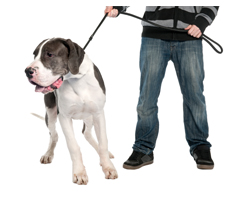
Learn the “Park Your Dog” behavior.

Parking your dog is a dog training behavior that can really help as a strong foundation to build on.  In a nutshell, the “parking your dog” behavior teaches the dog to sit and stay with you while you are doing something else, such as:

  • Talking to someone at the park
  • Having guests over
  • Dining outdoors
  • Paying at the pet store or vet’s office
  • Listening to instructions during group class lecture

How Parking Your Dog Applies to Your Dog Training Behaviors and Progressions

This behavior can be used when your dog becomes overwhelmed by another barking dog or excited in a new situation. Teaching your dog to stay with you shows him that it is time to bring his arousal level down.

Think of it like asking your dog to take a “yoga breath.” When teaching hyperactive dogs to be calm, many folks will ask their dogs to sit still. As you know, when your dog is aroused by other dogs, this can be a difficult thing to do.

As you train your dog to manage his extra energy and excitement, parking your dog is the perfect way to practice. Give him the chance to learn to “park it” as a cue in a non-stressful situation.

When training your dog, set him up for success. Teach your dog to sit and then build it up to “stay” and again to “park it.” Park it is a rock solid way to train your dog to stay or wait patiently.

Reinforce the positive behavior with positive actions like a click of the clicker and a great reward or treat for your pet. Using the word “park” as the indication to your dog that he is doing what is being asked of him is a great cue word.

Let’s look at it from a human perspective. Have you been with a friend who meets up with another friend and you are not part of the conversation? It’s awkward, but it happens. Now, relate that to thinking from the dog’s perspective: Would he get bored or feel awkward?

I bet your dog would. Approaching someone to have a conversation while needing your dog to wait patiently is the perfect application for this dog training behavior. Parking your dog is not the same as the “wait” cue, as you are not asking your dog to sit in one spot.

Why Train Your Dog to Park It?

  • Self control (teaching your hyper dog to relax)
  • Polite greetings to people (not to jump on people)
  • Polite leash manners (not pull on the leash)
  • Bark prevention

How to Teach Park Your Dog

  1. Step on your leash about halfway up to your dog. He should have 3-4 feet of extra leash.
  2. Click and treat your dog the instant the leash becomes loose. Example: Your dog is pulling to visit another dog. Wait until the leash becomes loose and click/treat!
  3. Bingo. You are rewarding calm and quiet behavior!

VIDEO: How to Train Your Dog to Park It


Tell us other ways to use this behavior in your life in the comment section below.

READ ALSO: Training Your Dog to Leave It

Filed Under: Dogs, Training Tagged With: dog training, Dog Training Tips, how to train your dog to park it, how to train your dog to stay, park your dog, train your dog

Excessive Dog Barking: How to Stop It

August 15, 2014 by Fanna Easter

How to Stop Excessive Dog Barking

Excessive Barking
daviles/Adobe Stock

Each dog is an individual. While dog breed and age play a small role, dogs have their own personalities. Within a litter of 10 puppies, personalities range from shy to outgoing to bossy. There’s always a noisy one, or the puppy that whines and barks more than the other puppies. This also applies to people. I talk a lot, but my sister is super quiet—same genes, but different personalities. 🙂

Dogs bark to communicate and, at times, we can inadvertently reward this behavior. Barking, whining and howling are normal canine behaviors. However, excessive barking can be frustrating and, if loud enough, can become a problem for your neighbors.

What is Excessive Dog Barking?

Excessive barking is when a dog barks more than necessary in a specific situation. There’s a reason your dog is barking, and it’s our job to find the trigger, so we can dial down the barking and reduce his frustration as well as ours. 🙂

If you ask your dog to stop barking, and your dog continues to bark, this means your dog didn’t understand what “stop barking” meant, so you need to teach him. Ready to learn more? Let’s get busy!

Training Your Dog to Stop Barking

Before we fix the issue, we need to dive deeper to find out what is causing your dog to bark. When, where and what causes your dog to bark?

Once you’ve identified the trigger, it’s so important to catch your dog not barking around the trigger instead of waiting for him to bark. In the South, we have a saying: “Once the horse is out of the barn, not much you can do.”

Applying this to excessive barking, grab a clicker and a handful of training treats your dog loves. When your dog is around the trigger and is quiet, immediately click and give your dog a treat.

It’s very important you catch this good behavior (not barking around trigger). The more your dog is rewarded for being quiet around the trigger, the less he’ll practice bad behavior (excessive barking).

If your dog constantly barks all day long, even at night, and has other issues, such as not eating or sleeping, consult your veterinarian to rule out any health issues.

True Story About a Dog That Wouldn’t Stop Barking

Daisy, a recently rescued Beagle Mix, attended my group dog training class. Her pet parents were at their wit’s end. Daisy barked at the cat, door, people, during class, at night and when left alone. This went on for weeks. Even I was shocked at how much she barked.

[perfectpullquote align=”right” cite=”” link=”” color=”” class=”” size=””]Daisy was in pain, and trying to tell us the best she could.[/perfectpullquote]

Nothing would prevent her from barking—not even meat loaf. While Daisy wasn’t a big eater, she would take treats in class and barked and barked even more! I was puzzled, what was going on?

Daisy’s owners took her to the vet and after a complete workup, they discovered Daisy had a bone shard lodged in her throat and it had been there awhile! Once removed, Daisy became quiet as a mouse.

Most owners would’ve punished Daisy, and thank goodness they didn’t. It wasn’t her fault. Daisy was in pain and trying to tell us the best she could.

Ready, set and let’s train!

More:
Request Dog Barking
Attention Seeking Barking
Stop Dog Barking Next Door
Dog Barking at Sounds

Filed Under: Behavior, Dogs, Training Tagged With: bark collars, barking dog, barking dogs, barking dogs sound, dog bark, dog bark collar, dog barking, dog barking all night, dog barking sound effect, dog barking sounds, dog barking stop, dogs barking, how to stop dog barking, no bark collar, train dog not to bark, why dogs bark

Top 10 Puppy Training Tips

August 14, 2014 by Fanna Easter

Puppy Training Guide

Puppy Training Tips
anatema/iStock

Your puppy is an open learning funnel and training this learning funnel is key to your dog’s success. The puppy learning funnel closes around 16 weeks of age.  Implement these 10 puppy tips the moment your puppy is welcomed into his new home. We’ll train your puppy to learn the importance of polite manners from the beginning. Taking the time to train your dog or puppy is what sets everyone up for success!

1. Enroll in Puppy Class (Using Positive Reinforcement)

After your puppy’s first set of puppy vaccinations, enroll yourself and your puppy into a Positive Puppy Group Class. Choose a dog trainer who uses positive reinforcement. This means no yelling, pushing, yanking or pulling your puppy around. During classes, choose treats your dog loves!

2. Socialize Your Puppy

Puppies are sponges until 16 weeks of age so show them the world now. Introduce them to friendly strangers, cars passing by, loud sounds and so on. Ask friendly strangers to give your puppy treats. Your puppy will learn people are fun.

3. Create a Set Potty and Play Schedule

This is a dog training secret! A set schedule provides reminders so your puppy is given plenty of opportunities to potty. We live busy lives and forget it’s been hours since our puppies have had a chance to potty. Two- to three-month-old puppies can only hold it for a couple of hours max! Place the schedule on your refrigerator for quick reference. Also, all members of your family should follow this schedule.

4. Participate in Supervised Puppy Play Time

Supervised dog training means a professional dog trainer is monitoring puppy play at all times, and it’s a great way for puppies to learn dog etiquette. Supervised sessions invite puppies under 5 months old and allow a maximum of 10 puppies to play at one time. This ensures everyone has a positive experience. Stay away from dog parks, as no one is monitoring play sessions (no one with professional experience, that is). This is the #1 reason dogs become aggressive, as they are bullied by an adult dog and learn other dogs are unpredictable.

5. Crate Train

Your dog’s crate is his sanctuary. He feels safe and can relax in his crate so make it fun to be in his crate. Feed meals in his crate and provide special food stuffed toys to enjoy while relaxing in his crate.

6. Have Patience (Mistakes Will Happen)

Mistakes are part of the learning process. Have patience and invest in a good enzyme cleaner for potty mistakes and follow your set schedule. If teaching your puppy a new behavior, setbacks happen so stop and figure out what caused the mistake and vow not to let it happen again. If your puppy makes multiple mistakes, they may be confused.

7. Teach the Trade Game

Never chase a dog or puppy if he has something in his mouth. As you show your puppy a piece of cheese, say, “Trade.” When he  drops the item, pick up the item and give him the cheese. After a week or two of practice, your puppy will learn to drop items when he hears the “trade” cue. This method will not reinforce your dog to pick up random items in hopes of trading. Rather, he is rewarded for dropping the item for cheese. 🙂

8. Keep Training Sessions Short (1-2 mins)

Practice once or twice daily and keep sessions to 1-2 minutes long. Even if your puppy is doing well, end the session. Use a timer or count out 5 treats and practice until these treats are gone. Puppies’ attention spans are limited for right now so keep it short and fun.

9. Teach Him to Enjoy Body Handling

Puppies are sponges so teach them to enjoy body handling now. Click/treat as you touch his ear, paw, tummy, look in his mouth, lift his tail, touch a toenail, pick him up or restrain him with a hug (preparing for vet visits).

Click and treat your puppy during vet visits with a goal of using 60 tiny treats while the vet is examining your puppy. Give your puppy 5 treats in a row while he’s getting a puppy shot. 🙂

VIDEO: Body Handling

10. Prevent Puppy Biting

Puppy teeth on human skin is not allowed so squeak the moment you feel his teeth touch your skin. The squeak tells your puppy this hurts you. Then, reward your puppy when he removes his teeth from your skin. Also, if your puppy is really excited, wiggle a toy next to your body. This redirects him from your skin and onto a toy.

You may also like: Housebreaking a Puppy

Filed Under: Puppies, Training Tagged With: crate training, dog trainer, dog trainer advice, dog training, dog training advice, how to potty train a dog, how to train a puppy, how to train your puppy, puppy, puppy tips, puppy training, puppy training tips

How to Train Your Dog Around Distractions

August 12, 2014 by Fanna Easter

Training Your Dog
Learn how to train your dog around distractions.

Training Your Dog for Distractions

Teaching your dog a new behavior is the easy part! The tough part is practicing your new behavior around many distractions. 🙂

I think it was Bob Bailey saying, “10% of a new behavior is teaching your dog how to do the behavior. 90% is practicing the new behavior around distractions.”

When a pet parent says, “My dog does not listen at the park,” this means more practice at the park.

How to Train Your Dog

  • Attach a leash to your dog. 🙂
  • Have a party. Show your dog you are the best and most fun thing around.

o   Carry the best treats ever! The really good stuff.

o   Reward your dog every two seconds, especially if in a high distraction area, such as a park.

o   Use high-pitched tones, such as clapping or verbal “puppy puppy puppy.” It’s best used when dog is distracted. The sound will draw his attention back to you, so click/treat!

o   Move away from your dog really fast. Your fast movement is fun and will bring your dog’s attention back to you!

o   Keep a hidden tug toy that may pop out for impromptu games. Rotate between treats and tug game if your dog likes to play too!

  • Start slow. Ask your dog to stay for two seconds instead of 2 minutes in a new situation. Always set your dog up for success or you’ll create a confused dog.

Measuring Success

When training your dog around distractions, what does good look like? When your dog will perform a cue 90% of the time. This means, you say “sit” and your dog immediately (within 2 seconds) puts his behind on the ground 9 out of 10 times. Move to the next step. 🙂

If your dog struggles to reach this criteria, you are moving too fast. Go back one or two steps and try again. This is not your or your dog’s fault. This usually means your dog is too distracted by the distraction. Move slowly and only move to the next step when your dog is successful.

Distraction Check List: Ready, Set, Go!

Begin practicing new behaviors around distractions in the below order. By following each step, your dog will learn to respond to cues quickly!  

  1. Your Home
    1. Hallway
    2. Kitchen
    3. Living room with TV playing
  2. Outside Yard
    1. Outside yard with kids playing (On leash)
    2. Outside yard with kids playing (Off leash)
    3. While squirrels are playing (On leash)
    4. While squirrels are playing (Off leash)
  3. In Car
  4. During Dog Training Classes
  5. Vet’s Office
    1. Waiting area (no dogs -> 1-2 dogs -> several dogs)
    2. Inside vet’s exam room
    3. While vet is examining your dog
  6. Walking Along Your Street: Always on Leash
    1. With no one in park (late evenings work best)
    2. While other people are walking around
    3. Dogs walking past you and your dog
  7. In a Park: Always on Leash
    1. Begin far away from any distractions
    2. Move 5 feet closer to distractions (maybe it’s a walking trail with people and dogs)
    3. Move even closer (another 5 feet)
    4. Practice 3 feet from walking trail
    5. Practice on walking trail
    6. On trail with other people
    7. On trail with other people and dogs
    8. 15 feet move children playing (move until dog will perform cue within 3 feet of children’s play area)
  8. Around Guests
    1. On leash
    2. Off leash

Dog training is like long division mathematics. When you stop practicing, you forget how to do it. Keep practicing and reward often! Happy training!

Now it’s your turn! What other distractions would you add to the list above?

READ ALSO: Come When Called Part 1: Intro

Filed Under: Dogs, Training Tagged With: clicker training, dog behavior, dog training, dog training advice, Dog Training Tips, how to train a dog, how to train a puppy, how to train your dog, how to train your dog around distractions, how to train your puppy, puppy training tips

How to Train Fearful Dogs

August 8, 2014 by Fanna Easter

Fearful Dog Training Tips

Fearful Dog
ArenaCreative/Deposit Photos

Fearful dogs break my heart. It’s not their fault they’re scared. They are either born this way and/or learned through scary encounters.

When training or living with a fearful dog, you’re using the same basic learning principles, but doing a few things differently. Always remember: fear causes aggression. We are all equipped with “fight or flight” mode. It’s a defensive mechanism. In fearful dogs, this mode is turned up a few notches.

Never use punishment-based training methods. Never punish a dog for being fearful, you will make it much worse. Punishment means yelling, screaming, pushing, pulling, correcting with a collar or verbally, and hitting a dog. It’s not their fault. Would you punish a child for being scared? I think not.

First, enroll in a Relaxed Rover class. Relaxed Rover classes are designed for fearful dogs and incorporate the below fearful dog tips. Class size is smaller than regular group classes and provides plenty of opportunities for practicing while offering guidance from a professional dog trainer.

Use the Very Best Treats

This is so important. I’m shocked how many dog owners disregard dog training treats. This is your dog’s currency, so use treats your dog loves!

Control His Environment

If your fearful dog refuses to eat his treats and you’re using hot dogs and string cheese (i.e. high value treats), stop and assess the situation. Is your dog distracted by:

Another dog standing too close?

o Move your dog away, at least 10 feet, if possible and try again.
o Provide visual barriers, such as bushes, fences and distance.

A person standing too close?

o Move your dog away, at least 10 feet, if possible and try again.
o Provide visual barriers, such as bushes, fences and distance.

Loud noise?

o Move away from loud noises and refrain from teaching your dog around loud noises. This could mean walking your dog in a park instead of alongside a busy road.

Quick movement?

o This startles many fearful dogs, as they believe quick movement means they are coming to get me.
o Provide visual barriers.

Teach Redirection

Redirection means to reward your dog for doing something else. If your dog jumps up, reward him for sitting instead. When redirecting, always continue to manage your environment.

If another dog is standing too close,

o Teach your dog the “look at that” cue.
o When your dog looks at another dog, click and treat. Your dog learns dogs equal food.

If a person is standing too close,

o Teach your dog the “look at that” cue.
o When your dog looks at a person, click and treat. Your dog learns strangers equal food.

If there is loud noise,

o Feed your dog as a loud noise is happening.
o Trust me, you’re not rewarding your dog’s scared behavior. You are pairing yummy food with something scary, such as a noise. This works wonderfully!

If there is quick movement,

o Teach your dog the “look at that” cue.
o When your dog looks at whatever is causing quick movement, click and treat. Your dog learns quick movement equals food and quick movement does not mean you are coming to get him.

Build Confidence

By teaching a fearful dog the “look at that” cue, he’s learning the world is not scary, which is very empowering. The more your fearful dog learns, the more confidence he will build!

I highly recommend enrolling in controlled dog sports, such as agility and nosework. By controlled, I mean one dog and handler are allowed in the ring at a time. This means low distractions and lots of one-on-one attention from the dog trainer.

Nosework is awesome for fearful dogs! Nervous dogs usually blossom after just one session. They learn to do something else instead of worry, and every dog has a good nose–even baby Pugs. 🙂

Preventing Shut Down Dogs

When a dog shuts down, he has given up to the extent he becomes frustrated. This condition is called learned helplessness, which can be treated. We cover learned helplessness in more detail in this article.

Bark back! What tips have worked for your fearful dog?

Filed Under: Behavior, Dogs, Training Tagged With: dog aggression, dog bite, dog trainer advice, dog training, dog training advice, Dog Training Tips, fearful dog, how to train a dog, how to train a scared dog, my dog is scared, puppy aggression, puppy bite, scared puppy

  • « Previous Page
  • 1
  • …
  • 53
  • 54
  • 55
  • 56
  • 57
  • …
  • 60
  • Next Page »

About

Dog Training Nation is a community of dog trainers, dog owners and dog lovers. Our mission is to provide trainers and owners valuable information to enrich dogs' lives. We cover a range of topics, from socializing puppies to dealing with aggressive dog behavior to selecting the best dog products. It is our hope you share our content to make the dog and owner world a better place.

​

Facebook

Video

Dog Training Nation is a dog training blog for pet owners and dog lovers. We cover a range of topics from puppy socialization tips to dog aggression to dog health. It is our hope you share our content to make the world a better place for dogs.

Dog Training Nation

Quick Links

Dog Training
Dog Behavior
Dog Training Videos
Become a Dog Trainer
About
Contact Us

Copyright © 2026 · Lifestyle Pro Theme on Genesis Framework · WordPress · Log in