Dog Training Nation

In Dogs We Trust

  • Home
  • Training
    • Dogs
    • Puppies
    • Clients
  • Behavior
    • Breeds
  • Health
  • Safety
  • Resources
    • Equipment
    • Books
  • Dog Training Videos
  • About
You are here: Home / Archives for Training

Does Your Dog Have An Attitude?

July 24, 2017 by Fanna Easter

Dog Attitude Problem
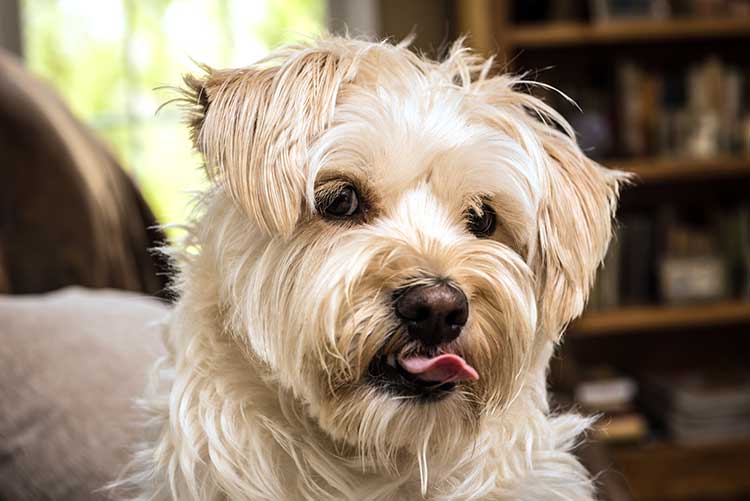
Dog Attitude
frank1crayon/Adobe Stock

So many pet owners are convinced their dogs have a major attitude; I hear it from clients daily. They become extremely frustrated when their dogs ignore cues, run away or destroy furniture. But do dogs really have attitudes? I think the answer just might shock you!

Defining Attitude

Having an attitude means someone or something is uncooperative, selfish, defensive, rude, resentful, defiant, resistant, combative and sometimes aggressive. Wow, while this may sound like your dog’s behavior, it’s important to note these adjectives are human behavior traits.

As humans, we link inexplicable, defiant and frustrating dog behaviors quickly because these traits are linked to human behaviors. Additionally, we tend to justify labeling certain behaviors because it’s what we know and are familiar with, which can be a very slippery slope. Certainly, we all know someone with an attitude, especially in certain situations, but assuming a dog has an attitude doesn’t benefit dogs nor their pet owners.

Drop the Attitude

Take a step back, and look at your dog differently. I know, it’s difficult because I’m asking you to look at your dog from a non-human perspective. When frustrated, pet owners become laser-focused and are determined to attribute human traits to a dog’s behavior. If this happens to you, take a deep breath in and remember dogs are totally different from people. Dogs live in the moment.

In previous blog posts, I’ve discussed that dogs are not vengeful, spiteful or guilty. While it seems like they are those human traits when you find dog poop in your shoe, it’s just not so. When people assume non-humans are displaying human traits, it’s called anthropomorphism.

Honestly, people do this all the time. I know I’m guilty of assuming my car is tired after a road trip, or my toaster is spiteful for burning my toast even though the settings are correct. It’s human nature and, while it’s funny at times, it’s important to understand it’s simply not true. Dogs don’t have attitudes. Dogs do not purposely act uncooperative, defiant or resistant.

Then What’s Really Going on With Your Dog?

Dogs do what works for them. They chew shoes because they’re in front of them. Dogs potty indoors because they need to potty and have not been taught to potty outdoors yet. Popping pillows and chewing furniture is fun, and it’s certainly something to do when bored. Stealing food tastes good and becomes a game. It’s that simple. Dogs don’t have pre-calculated intentions; I promise. 🙂

When dogs ignore known dog training cues, such as “sit,” it’s probably because they got too excited to respond or don’t really know the cue. It’s the same with the “coming when called” cue; most dogs have not practiced it enough to become fluent around running squirrels, passing cars, nearby dogs and so forth. Dogs don’t have attitudes. They may be confused and scared instead.

Before assuming your dog has an attitude, take a moment and look at him from a different perspective. When in doubt, pick up all chewable items, crate your dog when unable to supervise and practice cues daily.
Filed Under: Behavior, Training Tagged With: change my dog's attitude, do dogs have attitudes, does my dog have an attitude, does my puppy have an attitude, dog attitude, dog attitude problem, dog behavior, dog behavior problem, dog training, Dog Training Tips, how to teach a dog, how to train a dog, puppy attitude, training dogs

Tips To Prevent Overly Excited Dog Greetings

July 10, 2017 by Fanna Easter

Calming an Overly Excited Dog

Dog Gets Too Excited
Syda Productions/Adobe Stock

Ding, dong! Every pet owner’s heart drops as her dogs charge toward the front door. Ringing doorbells and door knocks can literally cause chaos, which translates to overly excited dogs greeting guests. Next time you’re planning a summer get-together, try these polite greetings tips. It’s important to practice this with your dog every day and reward good behavior generously before your party.

Control the Chaos First

Containing your dogs’ excitement is key before guests ring the doorbell or walk into your backyard. Calm dogs generally greet guests with polite manners, so crate your dogs in a back room with soft music playing in the background (this drowns out doorbell sounds).

Once guests are gathered, allow one of your dogs to visit guests. This prevents your dog from riling your other dogs up with barking and fast movement. When the first dog has calmed down, add another dog to the mix and so forth.

Ask Guests to Ignore Dogs

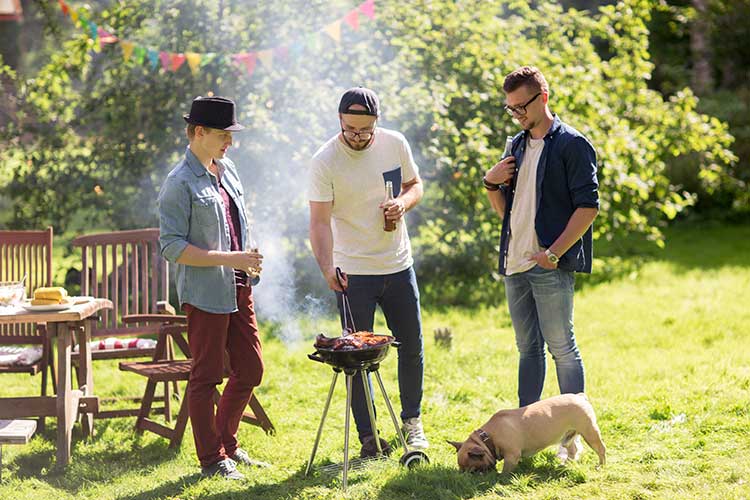
Before the day of your party, ask each guest to simply ignore your dogs when they first arrive. Overly excited guest greetings will send excited dogs into a frenzy of jumping up and knocking people over. If guests have a hard time ignoring your darling dogs, ask them to stand around your kitchen island, picnic table or BBQ pit.

Giving guests something to do, other than greet dogs, works wonderfully. Don’t worry, your dogs won’t be upset they missed a super friendly greeting. Instead, your dogs are learning polite manners around guests.

Ignoring dogs means:

  • No petting.
  • No eye contact.
  • Turing sideways from an approaching dog.
  • Refraining from any high-pitched, rapidly repeating sounds.
  • Acting like they don’t see your dogs.

What guests should do when ignoring dogs:

  • Eat.
  • Drink.
  • Pass food around.
  • Talk to each other.
  • Freely move around without making eye contact with your dogs.

Keep Greetings Short

Once you’ve welcomed your guests and they have successfully ignored your dogs, it’s time for a break. It’s important to keep dog greetings short. After 10 minutes of your dogs greeting everyone, put them back in their crates with a food stuffed Kong.

It’s now time to enjoy your guests without worrying about jumping dogs or guests having their eyeballs licked while sitting on the sofa. Of course, your dogs can certainly tell guests goodbye, but they should do so politely. 🙂

Treat & Retreat

If guests ignoring your super excited dogs doesn’t work, then ask guests to play the “treat and retreat” game. For this dog game, guests sit still and toss food behind your dog’s behind, so your dog has to turn away to get the treat. Not only does this teach your dog that guests make food happen, but your dog also learns to keep all four feet on the floor during greetings. If your guests are unsure about the game, toss the treats for them to create the positive association for your dog.

Gatherings are perfect opportunities to practice polite dog greetings.

Filed Under: Behavior, Training Tagged With: dog games, dog gets too excited, dog jumps on guests, dog jumps on people, dog people greetings, dog training, Dog Training Tips, excitable dogs, overly excited dog greetings, overly excited dogs, polite dog greetings, teach dogs to behave when guests visit, teaching dog polite greetings

Teething Relief For Puppies

July 3, 2017 by Fanna Easter

3 Puppy Teething Toys to Reduce Pain

Puppy Teething Toys
Grigorita Ko/Adobe Stock

All puppies lose their puppy teeth. The puppy teething process starts around 4 months old and ends around 6 months old. Losing teeth is painful, but new teeth erupting through sensitive gums is even more painful.

If your puppy is currently going through the teething process, provide her cold, soft puppy teething toys to reduce inflammation and pain. This list of teething relief toys will help soothe your puppy’s gums. (There’s even a homemade dog toy too.) Offer a cold toy several times a day while your puppy is teething. Once a toy starts to thaw, remove it and refreeze.

1. Chilly Bone

Multipet Chilly Bone dog chew is an easy way to calm inflamed puppy gums. Toss this puppy teething toy inside the freezer for a couple of hours, and give to your puppy during supervised playtime.

It’s soft enough to lightly chew for sensitive gums and cold enough to reduce pain and inflammation. This toy will thaw as your puppy chews, so never give this item to your dog unsupervised. Once your puppy has thawed out the toy, just toss it right back into the freezer. When choosing a size, always choose a size larger than you think. This toy has beveled sides, so all puppies can gnaw portions of it even if it’s too big.

2. Frozen Kongs

Choose a soft, rubber Kong toy that is made especially for puppy teething and stuff it with cold yogurt, cream cheese or chilled canned food. Inserting cool foods into a Kong will reduce gum pain and inflammation while providing a tasty treat.

To make the treat last longer, stuff the Kong with watermelon chunks, banana cubes, and either peanut butter or applesauce. Freeze overnight and provide it to your teething puppy the following day.

3. DIY Towel Knots

Using a large kitchen towel, tie large knots in the middle and on both ends of the towel. Submerge into water for 5 minutes, wring out excess water and freeze for several hours. On a waterproof surface, and under supervision, give this DIY frozen teething towel for your puppy to chew on. While it’s tempting to soak an item in chicken broth and freeze, this usually results in dogs chewing and ingesting it, which is never a good idea.

Provide plenty of flexible and cold chews during the teething process, and remember puppy teething does not last forever!

Filed Under: Puppies, Resources, Training Tagged With: chilly bone, cold puppy teething toy, diy puppy teething toy, dog training, homemade puppy teething toys, puppy teething, puppy teething toy, puppy teething toys freeze, teething relief for puppies

How To Teach Dogs To Trim Their Own Back Nails

June 30, 2017 by Fanna Easter

Trimming a Dog’s Back Nails

Dog Nail Trimming Tips
Mikkel Bigandt/Adobe Stock

Trimming a dog’s nails can be difficult, especially if your dog hates nail trims. Holding your dog down to trim his nails only makes him hate dog nail trimming even more, and eventually he’ll learn to bite. There’s an easier way to keep your dog’s nails trimmed, and you don’t even have to touch your dog’s nails!

Trimming Back Nails

Instead of trimming a dog’s nails, teach him to grind back his own nails. You’ll need pea-sized treats, a concrete surface and your dog. Sit outside, preferably on the ground, and toss treats along your driveway.

Now, there’s an art to tossing treats for maximum back nail grinding. Instead of throwing treats up high, toss them along the concrete surface—almost like skipping a rock across a lake. Listen carefully as your dog scampers across the rough surface; you should hear his nails scraping along the concrete. If not, grab really good treats (e.g. cheese chunks) and toss about 3-4 feet away from you. Once your dog learns to run after a treat, slowly increase the distance.

Keep sessions short, about 3-4 minutes, but practice every other day to shorten nails quicker. Running and chasing treats for a long distance can cause paw damage because your dog is using his paw pads to stop himself, so keep the total distance traveled under 6 feet.

Watch your dog’s paw pads during this process to ensure he’s not rubbing his paw pads raw, and only play this game on cool concrete.

WATCH: How to Teach a Dog To Trim His Own Back Toenails

Trimming Front Nails

For front nails, teach your dog to scratch his nails against a sandpaper-covered board. Dogs get really good at this behavior so much so they can scratch their nails bloody. For details and a video demonstrating this behavior, check out this article on DIY dog nails.

Keep dog training sessions short, about 2-3 minutes per day, and practice every other day. Once your dog’s front nails are shorter, it will take a day for the quick to recede back a bit, so your dog won’t bleed.

WATCH: Trimming Dog Nails With a Scratchboard

https://youtu.be/XXx8HTT2has

Put down those nail trimmers, and teach your dog to trim his own nails instead!

Filed Under: Dogs, Resources, Training Tagged With: clipping dog nails, cutting dog nails, dog nail scratch mat, dog nail scratchboard, dog nail trimming, dog nails, dog training, easiest way to trim dog nails, grinding dog nails, how to trim dog nails, teach dog to trim nails, teach dog to trim own nails, trim dog nails

How The Delta Air Lines Incident Could Have Been Prevented

June 21, 2017 by Fanna Easter

Man Attacked By Emotional Support Dog

Emotional Support Dog Attacks Passenger
bychykhin/Adobe Stock

On June 4, an emotional support dog attacked an Alabama man inside a Delta Air Lines plane prior to takeoff.

When Mr. Jackson boarded the plane to take his assigned seat, he found Mr. Mundy sitting in the middle seat with his 4-year-old chocolate lab-pointer mix on his lap. Immediately after Jackson took his window seat, the emotional support dog started growling at him.

Shortly after, the approximately 50-pound dog lunged at Jackson and started biting his face. Mundy, a military service member, tried to pull his emotional support animal off from Jackson, but failed. Jackson received severe lacerations and 28 stitches.

Mundy was re-assigned to another flight, but with his emotional support animal in the kennel that time.

Why This is So Tragic

This incident could’ve been prevented. However, with loose emotional support animal laws and regulations, it’s easier said than done.

Service Dogs vs. Emotional Support Animals

Service dogs and emotional support animals are completely different. It’s so important to land this point. Service dogs are specifically trained to perform a function for a person with a disability. Emotional support dogs have minimal training.

Honestly, the level of training emotional support dogs have are equivalent to everyday pets living with their family. Many pet owners enroll their dogs as fake emotional support animals online so they can fly with their dogs on a plane at no cost.

Mundy’s dog should have never been put in that situation. He wasn’t trained for it. Dogs bite when they’re scared, and obviously that situation was too stressful for this dog.

Usually, airlines place service and emotional support dogs in the first row, so a large dog has room to lie down and move around. Allowing a 50-lb lab-pointer mix to sit in his pet owner’s lap during a flight is ludicrous. But who is to blame? We don’t know the full details yet.

Airlines

Let’s look at this situation from an airline’s perspective. They were following the Americans with Disabilities Act (ADA) pertaining to service dogs. These laws are very strict, but there’s a huge gray area that is not discussed in the ADA regulations—and that’s emotional support animals.

Until emotional support dogs are addressed, airlines will continue to assume all dogs are fully trained to follow service dog requirements. As a result, service and emotional support animals, regardless of size, are allowed to fly on a plane unconfined for free.

Military Service Member

Many veterans suffer from post-traumatic stress disorder (PTSD), and bring a service dog into their homes for comfort and to perform specific tasks. It’s unknown why this military service member was assigned or purchased an emotional support dog, but I’m sure there’s a reason.

So many veterans become extremely attached to their new canine friend because there’s no judgment—just pure unconditional love. Folks with disabilities tend to purchase service dogs and emotional support animals for $20,000 per dog, which is usually fund-raised.

Unfortunately, there’s no training standard for an emotional support animal, so it’s a potluck what type of training each dog receives. Most reputable service dog organizations have a long waiting line for dogs while minimally trained dogs are always available (which is a red flag). Unless you’re in the dog training industry, it’s easy to believe slick marketing claims. Without a doubt, Mundy will fear for his emotional support dog’s fate when lawsuits ensue.

The Gap: Dog Trainer?

Nothing was mentioned about the dog trainer or organization that trained this service member’s emotional support dog. Maybe this dog never received formal training at all, or was trained by a novice dog trainer. As a professional dog trainer, I’m not blaming the dog trainer by any means, but I seriously wonder why a dog was put into this situation if he wasn’t ready.

What You Can Do

If you need an emotional support animal, only acquire a highly trained dog from a reputable organization. Refrain from training your own emotional support dog because it’s impossible. Only experienced service dog trainers are able to equip both pet owner and dog for extreme situations that are common for emotional support dogs.

Filed Under: Clients, Resources, Training Tagged With: dog training, emotional support animal, emotional support animal laws, emotional support dog attacked man, emotional support dog letter, emotional support dogs, esa, fake emotional support animals, fake service dogs, how to train a dog for emotional support, register emotional support dog

  • « Previous Page
  • 1
  • …
  • 5
  • 6
  • 7
  • 8
  • 9
  • …
  • 60
  • Next Page »

About

Dog Training Nation is a community of dog trainers, dog owners and dog lovers. Our mission is to provide trainers and owners valuable information to enrich dogs' lives. We cover a range of topics, from socializing puppies to dealing with aggressive dog behavior to selecting the best dog products. It is our hope you share our content to make the dog and owner world a better place.

​

Facebook

Video

Dog Training Nation is a dog training blog for pet owners and dog lovers. We cover a range of topics from puppy socialization tips to dog aggression to dog health. It is our hope you share our content to make the world a better place for dogs.

Dog Training Nation

Quick Links

Dog Training
Dog Behavior
Dog Training Videos
Become a Dog Trainer
About
Contact Us

Copyright © 2026 · Lifestyle Pro Theme on Genesis Framework · WordPress · Log in
