Dog Training Nation

In Dogs We Trust

  • Home
  • Training
    • Dogs
    • Puppies
    • Clients
  • Behavior
    • Breeds
  • Health
  • Safety
  • Resources
    • Equipment
    • Books
  • Dog Training Videos
  • About
You are here: Home / Archives for Equipment

How to Eliminate Dog Odor From Your Home

May 13, 2015 by Fanna Easter

Removing Dog Odor From Your Home
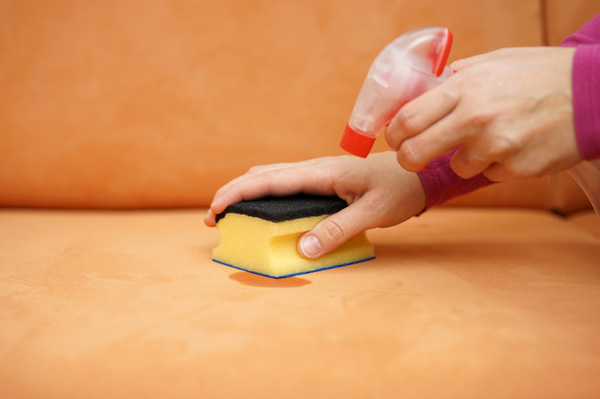
Dog Odor Eliminator
BernardaSv/iStock

You don’t have to live with dog odors anymore. It’s a new day with tons of products to choose from. Shoot, I remember when lighting a candle was our only choice, but not anymore! Check out my personal product review–this stuff really works!

Musky Dog Odors

Folks who share their homes with dogs notice a faint ole doggie odor when dogs have been playing outdoors. It’s almost a musky scent. Non-dog people refer to this aroma as wet dog smell. If your dog has chronic body odor issues (your relatives will tell you–that I can guarantee), seek veterinary advice. Regardless, life is too short to live with it so fill the room with freshness.

Natural Products That Really Work

If possible, I try to use natural home cleaning products as I have asthma. By far, essential oil diffusers work best. Just sprinkle a few drops of your favorite essential oil in water, turn on your diffuser and enjoy. Personally, I really like my Spa Vapor diffuser. It’s easy to use, looks great and diffuses scent throughout our home. Now, you can spend $100 or so on a diffuser. It’s your choice. However, I find our diffusor works just as well. My favorite essential oil is Peace & Calming by Young Living Essential Oils.

Now, diffusers won’t absorb unpleasant smells, but will certainly replace them with a pleasant scent. 🙂 It works for cooking smells too. I’m from South Louisiana and cook lots of roux. Our diffusers steps up to the challenge every time. Plus, essential oils are very calming for you and your dogs so they’re worth a try.

Maybe Not Natural, But This Product Really Gets The Job Done

Now, the mack daddy of odor eliminators is Febreze Set & Refresh air freshener. While this scent smells delicious, it absorbs odor instead of masking it. Place in a small room or on your AC unit for a continuous fresh scent.

Don’t Forgot

Bathe your dog weekly with an aromatherapy shampoo, and feed your dog a high quality diet. Yes, your dog’s diet can and will control your dog’s natural odors.

Urine Smell

If possible, remove stained carpet and area rugs. If this isn’t possible, clean carpets with an enzyme-based floor cleaner. Check out this article for recommendations, but do know, I’ve fallen in love with a new carpet cleaner and its name is Pet Trainer’s Choice Dog Odor & Stain Eliminator, which you can purchase at Amazon.com. Let me tell you, this stuff not only cleans new stains, it also removes old yellowed stains left behind by other cleaners plus it leaves an amazing scent behind. It’s amazing! Going forward, immediately clean potty accidents to keep odors at bay.

You may also like: How to Remove Dog Urine From Carpet

Filed Under: Clients, Equipment, Resources, Training Tagged With: aromatherapy diffusor review, cover up dog smell, dog smell apartment, dog smell house, how to get rid of dog odors, minimize dog odor, minimize dog smell house, musky dog smell, remove dog smell from house, smelly dog, stop dog smell house, we dog smell

Dog Nail Trimming Tips: Teach Dog to Use Scratchboard

April 24, 2015 by Fanna Easter

How to Teach Your Dog to Use a Scratchboard

How to Trim Dog Nails

You’ve built a size-appropriate nail scratchboard and now it’s time to teach your dog how to drag her front nails across it. You’ll need a clicker, lots of yummy treats (about the size of a pea), scratchboard and a room with a door.

Room With a Door

During the beginning stages, choose a small room with a door for dog training sessions. Before starting a dog training session, click and treat your dog for walking into the room and close the door behind you. By closing the door, you’re keeping your dog with you while minimizing distractions (e.g. movement around the house). Usually, I use our bathroom so my dogs associate it with fun instead of bath time. 🙂

This is not the torture room. This closed room means choice and fun, as your dog can decide to not participate. Remember, choice is a powerful reinforcer–sometimes even more so than food!

RELATED: Trimming Dog Nails: Let’s Get Busy Scratching

Placement of Scratchboard

After a few trials and errors, I discovered maximum nail filing when placing the scratchboard at a 45-degree angle to the ground. At this angle, your dog files the bottom portion first and then the middle and top of nail, forming a nice rounded and smooth nail. When keeping the scratchboard flat on the ground, I noticed a blunter bottom portion instead of a rounded nail tip, which seemed to grow out faster.

First Training Sessions

Goal: Positively introduce your dog to scratchboard.

Gather needed supplies, bring your dog into your chosen room, close the door and have a seat on the floor. Place treats on the seat of a chair before beginning each session. Basically, treats are kept up high so you can easily reach while keeping your dog from self snacking. Next to your treats, place the scratchboard. Placing the board on the floor means “let’s scratch at the board” to your dog. Plus you don’t want to miss any nail drags.

  1. Place bottom of board on floor and leave top against your leg. The front should be facing your dog.
  2. When your dog looks at, walks toward or touches her front paw on the board, click and toss her a treat.
  3. Usually, looking at and walking toward the board happens during your first training session. Your dog is learning that the board means something so she’s going to investigate, which you will heavily reward.
  4. Practice 5-10 times and end training session.

Paw on Board

Goal: Teach dog to touch paw to board.

  1. Settle in chosen room, and set up treats and scratchboard.
  2. Place board on ground with top portion leaning against your legs. Get ready. When the board is in place, this gives your dog the green light to start offering paw movements.
  3. Click and treat paw touches (either paw or both) even if for a nanosecond.
  4. After 5-10 treats, end training session.

If Dog Walks Away During Training Session

This can happen. Think of it as a temperature check of your training session. If your dog walks away, there are a few things going on:

  • Your dog is confused. She’s not sure what you’re asking her. Take a step back and click/treat for looking, walking toward and touching the scratchboard. Your dog should think: “When I touch this board with my paw, I hear a click and get a treat.”
  • Your treats are boring. Hey, your dog chooses what she works for just like us. So find treats your dog loves and use in next training session.
  • Too many distractions: Turn down the TV, close blinds or play soft music to drown out loud sounds.
  • Up your rate of reinforcement: Ideally, you should be clicking and treating every 5-10 seconds. I know your dog is offering behaviors in that short time. If you’re not noticing these behaviors, you’ll be shocked at what you missed. 🙂

VIDEO: Teaching Dog to Use Nail Scratchboard

READ MORE: Natural Pest Control for Your Home

Filed Under: Equipment, Games, Health, Training Tagged With: dog file nails, dog nail file board, dog nail scratch board, dog nail trims, dog scratching board, easy dog nail trims, how to teach dog to trim own nails, teach dog to file own nails, teach dog to trim own nails

Building a Dog Nail Scratchboard

April 23, 2015 by Fanna Easter

Teaching Your Dog to Trim Her Nails With a Scratchboard

Nail ScratchboardAfter finishing an entire tutorial on trimming your dog’s nails with clippers, I want to be upfront and honest. I’ve taught my dogs to trim their own front paw nails. In my opinion, it’s much easier and so much more fun for your dogs!

In the beginning, your dog will drag one front paw at a time across the scratchboard. Our goal is scratching two front paws (digging style) across the scratchboard, making dog nail trims quick and fun. Keep that in mind when building a scratchboard for your dog.

But what about filing down back nails? You can certainly follow these guidelines for teaching back paw scratches.  I noticed dogs wear their back nails down naturally through daily activities, such as walking on concrete or running in the yard.

RELATED: Dog Nail Trimming Tips: Teaching Nail Drags Across Board

How to Build a Dog Nail Scratchboard

It’s pretty simple to build your own scratchboard. All you need is sandpaper, wood and staples. After building a few and trying them out with different sized dogs, it’s best to build a scratchboard based on your dog’s paw size.

Sandpaper

Introduce self nail filing using 80 grit sandpaper. This softer grit is more comfortable during the learning stage and less likely to scratch paw pads. Once your dog learns to drag only her nails across the scratchboard, lower the grit size slowly. Remember, higher grit numbers mean softer (less abrasive) grit, which will slowly file back your dog’s nails. Most dogs are comfortable dragging their nails across 30-40 grit sandpaper, which files down nails fast.

  • Dogs under 10 lbs: 80 grit.
  • Dogs between 10-25 lbs: Start with 80 grit and slowly introduce 40 grit (medium grit).
  • Dogs over 25 lbs: Start with 80 grit and slowly introduce to 30 grit (coarse grit).

If your dog is uncomfortable using a lower number (coarser) grit sandpaper, move up size. Now, coarser grit sandpaper won’t cause your dog’s nails to bleed. It’s dragging her nails across the scratchboard too many times that causes bleeding.

Wood Backing and Staples

Trim a 2×4 into two foot pieces and staple sandpaper around front, back and sides. Make sure staples are flush with the board. You don’t want your dog’s nails to get caught in a staple. When lowering grit, I just staple it over the previous grit. For larger nail scratchboards, wrap and staple entire surface with sandpaper.

  • For dogs under 30 lbs, I recommend stapling sandpaper around a two-foot long 2×4. Wrap around front and side, and staple behind (unused portion).
  • For large dogs, screw two pieces of 2×4 side by side (creating a wide area for the dog to scratch).
  • Giant breeds: screw three pieces of 2×4 side by side.

VIDEO: How to Build a Dog Nail Scratchboard

VIDEO: How to Build a Large Dog Scratchboard

You may also like: My Dog is a Messy Eater

Filed Under: Dogs, Equipment, Resources, Training Tagged With: dog file nails, dog nail file board, dog nail scratch board, dog nail trims, dog scratching board, easy dog nail trims, how to teach dog to trim own nails, teach dog to file own nails, teach dog to trim own nails

Trimming Dog Nails: Let’s Get Busy Scratching

April 21, 2015 by Fanna Easter

How to Teach Your Dog to File Her Nails

How to Trim Dog Nails

Once your dog will drag her nails along the scratch board, it’s time to ask for multiple scratches before clicking and treating. Grab a clicker and treats, and let’s get started.

Two Nail Drags

Goal: Two nail drags in a row.

  • Place nail scratch board in place.
  • Wait for two nails drags before clicking.
    • About 50 percent of dogs will drag once, stop and look at you (or the clicker), waiting for the click sound. If they don’t hear the click sound, they’ll usually drag their nails again. Click and treat. The other 50 percent will remove their paws from the board, think for a moment, then offer two quick nail drags. Click and treat!
    • Tip: Wait for second nail drag. If your dog becomes frustrated and leaves, then she is confused. Go back to single nail drags for a couple of training sessions and slowly wait for two nail drags.
  • Practice five times. Pick up board and end training session.

RELATED: Dog Nail Trimming Tools

Three Nail Drags

Goal: Three nail drags in a row

  • Follow the  instructions for two nail drags.
  • If your dog gets stuck and you’re seeing results, there is nothing wrong with two nail drags for one treat. 🙂

Other Paw

Goal: Other paw (non-dominant paw) scratches board.

By now, your dog is probably switching paws in between nail drags. If not, move the scratch board directly in front of the non-scratch front paw. This usually gets it moving. When she offers her non-scratch paw, click and give her two treats. Trust me, she will notice and start offering it again!

Both Paws

Goal: Both paws scratch one after the other (digging motion).

Depending on your dog’s personality, this may have happened already. Stella (my Bull Terrier) offered this behavior in the beginning so I clicked and treated. Some dogs need to experiment and practice more, and some dogs may never offer this behavior. Remember, the goal is filing down nails. 🙂

Read more:
Trimming Dog Nails: Reaching for Paw
Trimming Dog Nails: Restraining Your Dog’s Paw
Why Dogs Dislike Nail Trims

Dog Nail Trims: How Much to Trim Off?

Filed Under: Equipment, Games, Health, Resources Tagged With: dog nail file board, dog nail scratch board, dog nail trims, dog scratching board, easy dog nail trims, how to teach dog to trim own nails, teach dog to file own nails, teach dog to trim own nails

Dog Nail Trims: How Much to Trim Off?

April 1, 2015 by Fanna Easter

Trimming Your Dog’s Nails

Trimming Dog Nails

When trimming a dog’s nail, you want to trim the portion of nail without the quick. With frequent nail trims (twice weekly), nail quicks will recede, moving back toward your dog’s paws, as the quick doesn’t have to extend further to feed the nail.

White Dog Nails

With your dog standing next to you, take a peek at her nails. For white nails, you’ll notice a pink quick extending from your dog’s paw to about ¾ of the nail. The last ¼ of the nail is white and looks hollow. When viewing from the side or underneath, this is the part you’ll trim off.

VIDEO: Clipping Dog Nails – Trimming White Dog Nails

Dark-Colored Nails

Dark-colored nails can be a challenge so to view your dog’s nail quicks, flip over your dog’s paw and look at the nails from underneath. Look under one nail, you’ll notice gummy gray matter extending from your dog’s paw to about ¾ of the nail. This is the quick. The last ¼ of the nail will probably look hollow with no gummy gray matter present. This is the portion to trim off.

VIDEO: Clipping Dog Nails – Trimming Dark Nails

How to Trim Dog Nails

In the beginning, trim off the tip of your dog’s nail. As you gain confidence, you’ll place the clippers before the quick and trim off the hollow nail. When in doubt, slip the clippers away from the quick and trim. You can always go back and buff with a dremel or shape the nail with clippers.

When trimming a dog’s nail, do it quickly. Squeezing and then releasing the nail because you’re unsure causes pain.

  1. Look at nail and find quick.
  2. Place clippers.
  3. Squeeze handles quickly.

VIDEO: How to Use Clippers to Trim Your Dog’s Nail

READ ALSO: Why Dogs Dislike Nail Trims

Filed Under: Equipment, Health, Resources Tagged With: dog nail trim tips, finding the quick dog nails, finding the quick in dog nails, how much should you trim during nail trims, how to use dog nail clippers correctly, trimming black dog nails, trimming white dog nails

  • « Previous Page
  • 1
  • …
  • 11
  • 12
  • 13
  • 14
  • 15
  • …
  • 19
  • Next Page »

About

Dog Training Nation is a community of dog trainers, dog owners and dog lovers. Our mission is to provide trainers and owners valuable information to enrich dogs' lives. We cover a range of topics, from socializing puppies to dealing with aggressive dog behavior to selecting the best dog products. It is our hope you share our content to make the dog and owner world a better place.

​

Facebook

Video

Dog Training Nation is a dog training blog for pet owners and dog lovers. We cover a range of topics from puppy socialization tips to dog aggression to dog health. It is our hope you share our content to make the world a better place for dogs.

Dog Training Nation

Quick Links

Dog Training
Dog Behavior
Dog Training Videos
Become a Dog Trainer
About
Contact Us

Copyright © 2026 · Lifestyle Pro Theme on Genesis Framework · WordPress · Log in