Dog Training Nation

In Dogs We Trust

  • Home
  • Training
    • Dogs
    • Puppies
    • Clients
  • Behavior
    • Breeds
  • Health
  • Safety
  • Resources
    • Equipment
    • Books
  • Dog Training Videos
  • About
You are here: Home / Archives for Equipment

Dog Nail Trimming Tools

March 17, 2015 by Fanna Easter

Dog Nail Clippers and Styptic Powder

Dog Nail ClippersBefore we start trimming our dog’s nails, it’s important to choose and understand how to use equipment for best results. Don’t forget, plenty of treats should be used when introducing nail trims and clippers and when using styptic powder.

Choosing Nail Clippers for Your Dog

When choosing dog nail trimmers, look for the:

  • Correct size of hand-held nail clippers in proportion to your dog’s nail size.
  • Sharpness in the nail trimmers. If dull, they will squeeze the nail instead of trimming it, which causes pain.

Plier Style Nail Clippers

After using different types of nail trimmers, I find the plier style works much better. The guillotine style tends to squeeze the nail before trimming while the plier nail clippers cut the nail instead of painfully squeezing. For dogs under 40 pounds, small plier style nail clippers are easier to use, as they fit between the nail and pad area easily. For dogs over 40 pounds, large plier clippers are wider with a large nail trimmer circumference to trim a large nail without squeezing.

VIDEO: Choosing Dog Nail Clippers

Styptic Powder

Since quicks are the blood supply for your dog’s nails, they will bleed if cut and sometimes even if lightly nicked. It’s best to have styptic powder handy when trimming dog nails to stop bleeding quickly. Styptic powder contains coagulant ingredients, which stop bleeding quickly. Some brands contain benzocaine, which also blocks pain.

Using Styptic Powder

If your dog’s nail starts to bleed, don’t panic. Pinch a small amount of styptic powder between your thumb and index finger. Now, press powder against the bleeding nail and hold. Most dogs will try to pull their paws away, as it hurts.

Prevent a wrestling match and drop your remaining treats in front of his nose so he’ll munch away while you’re holding styptic powder in place. After one to two minutes of pressure, the nail should stop bleeding. End your nail trim session for the day and bring your dog outside for a quick potty break. This allows you both a chance to unwind and prevents your dog from licking his hurt nail, which can cause bleeding to start up again.
Filed Under: Equipment, Health, Resources Tagged With: best large dog nail trimmers, best nail clippers for dogs, best small dog nail trimmers, dog clipper review, dog clippers, dog nail trimmer essentials, how to stop a dog nail from bleeding, which dog clippers work best

Deep Cleansing Shampoo for Dogs

March 10, 2015 by Fanna Easter

Dog Cleansing Shampoo

Dog Shampoo

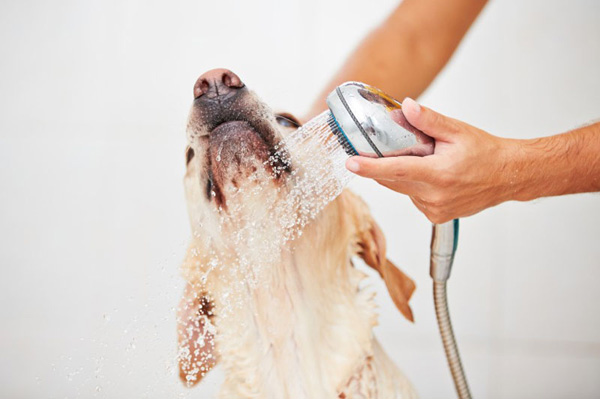
As both a dog trainer and licensed cosmetologist, choosing shampoo sends me into frenzies for my family and dogs. Dog grooming products are expanding rapidly and developing products depending on specific hair and coat needs. Yes, there are even color-care lines. 🙂

With all the choices out there, which one works best for your dog’s skin? To help narrow your choices down, let’s discuss shampoo categories, product usage and recommendations!

Cleansing Shampoo

One of the most popular shampoos is a basic cleansing dog shampoo. This category is designed to gently cleanse skin and coat, restore skin’s natural balance, provide a protective skin barrier and can be used weekly, or daily, if needed. While shampoo categories are designed for specific jobs, cleansing shampoos can be used in conjunction with medicated, degreaser and color care shampoos.

When looking for a cleansing shampoo, choose soothing and gentle ingredients. Check the label for colloidal oatmeal, oat protein, aloe and vitamin E. Most cleansing shampoos are lightly scented, which I find dissipates within a day or two, as some strong scents can dry skin.

If your dog is super sensitive to scented products, choose a hypoallergenic shampoo option. Not only are hypoallergenic shampoos scent free, most are free of detergents and other harsh ingredients for sensitive skin.

My Recommendations

My favorite cleansing shampoos are Nature’s Specialties Plum Silky, Chris Christensen Day to Day Moisturizing Shampoo and Espree Aloe Oatbath Shampoo. The first two are richly scented so they may not be an option if you’re sensitive to perfumes. If you’re searching for natural ingredients and a light scent, check out Espree’s Aloe Oatbath shampoo–it works wonderfully!

Filed Under: Equipment, Health, Resources Tagged With: best shampoo for dogs, choosing a dog shampoo, dog shampoo, dog shampoo reviews, every day shampoo for dogs, natural dog shampoo

Best Medicated Shampoo for Dogs

March 10, 2015 by Fanna Easter

Medicated Dog Shampoo Usage & Recommendations

Medicated Dog Shampoo

I’m a professional dog trainer, but I’m also a licensed cosmetologist and I’m always looking for a medicated dog shampoo that works! To help you find the best medicated dog shampoo for your pet, let’s discuss medicated dog shampoo usage and recommendations.

When to Use Medicated Dog Shampoo

When a gentle cleansing shampoo is not enough to remove flaky skin or deodorize your dog’s skin, then you may want to try a medicated dog shampoo. You can find medicated grooming shampoos everywhere with over-the-counter and vet-only options available too.

Over-the-counter medicated dog shampoos work well for dogs with mild skin conditions. For dogs with red skin, ooze, missing hair, pustules or bumps, seek advice from your veterinarian. Inflamed skin is painful, and using an unknown grooming product can certainly make it much worse.

RELATED: Dogs with Dry Skin

Medicated Dog Shampoo Usage

Medicated dog shampoos contain ingredients targeted for specific skin issues. Choose from anti-fungal, anti-microbial, anti-bacterial or anti-septic shampoos. These dog shampoos can ease persistent skin infections, ringworm, hot spots, yeast infections, fleabite dermatitis and other skin inflammations. Make sure to follow the bottle’s directions thoroughly, as most need contact time with skin to work their magic.

Now, medicated shampoos can be tricky. If your dog’s skin condition is caused by fungus, using a product designed to soothe hot spots won’t benefit your dog, but instead make it worse. Before choosing a medicated dog shampoo, know what skin condition you’re dealing with. 🙂

Over-the-Counter Medicated Dog Shampoo

If your dog’s skin condition is mild, choose an over-the-counter medicated shampoo. Personally, I’ve had great luck with Espree’s Tea Tree and Aloe medicated shampoo. This shampoo has natural ingredients to soothe irritated skin while leaving a fresh clean scent.

My Recommendation

Stella is a Miniature Bull Terrier, and this dog breed is notorious for skin issues. Stella eats a balanced raw diet. However, she still develops stinky yeast infections and flare-ups around her feet, face, ears and groin area. Veterinary skin scrapings have confirmed yeast is the culprit. And when flare-ups appear, it can take months to return her skin back to normal.

Then, I found PhytoVet CK Antiseptic Shampoo. It’s my favorite by far! It’s gentle enough for weekly bathing, doesn’t contain harsh detergents (soap-free) and restores the skin barrier. Combined with DOUXO Seborrhea Spot-On Pipettes, I can now prevent flare-ups from happening. So, if you share your home with a yeasty dog, check out this medicated dog shampoo!

You may also like: Do Dog Facial Scrubs Work?

Filed Under: Equipment, Grooming, Resources Tagged With: best medicated shampoo, choosing medicate shampoo, medicated dog shampoo, PhytoVet CK Antiseptic Shampoo review, shampoo for dry skin dog, shampoo for itchy dog skin

Teach Your Dog How to Use a Ramp

March 4, 2015 by Fanna Easter

Training a Dog to Use a Ramp

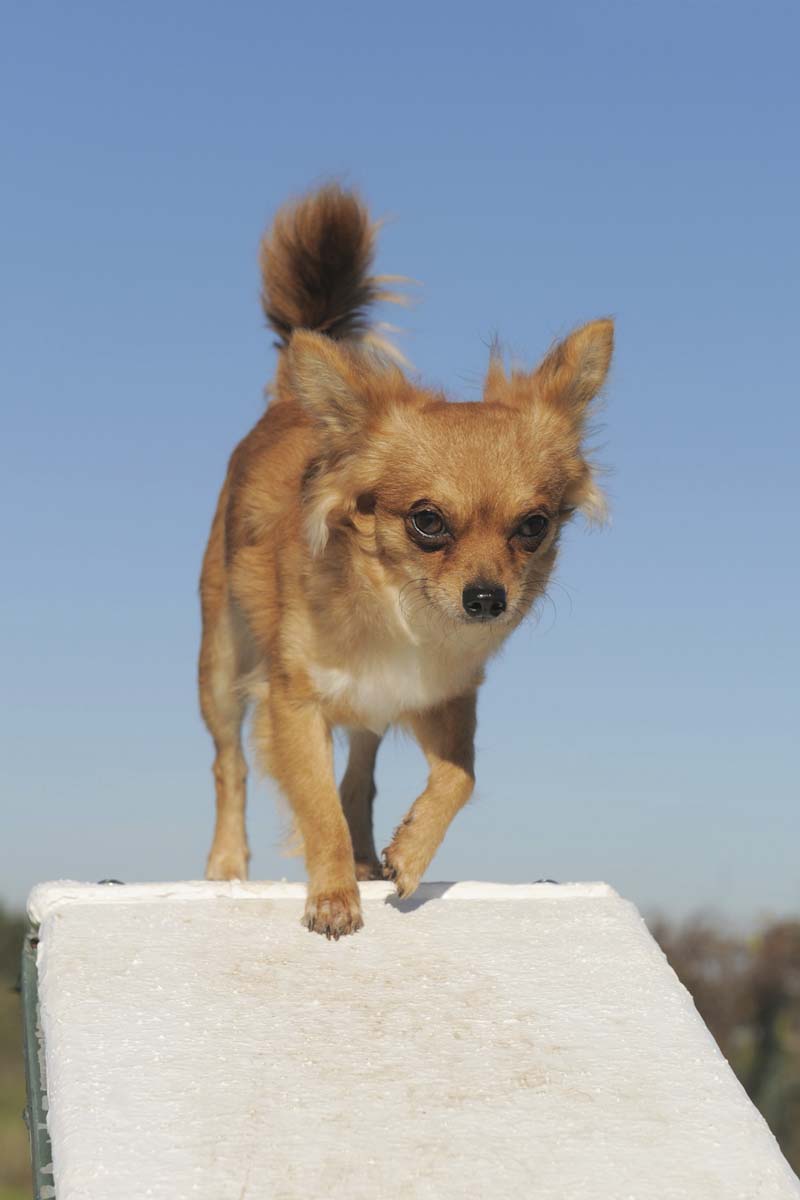
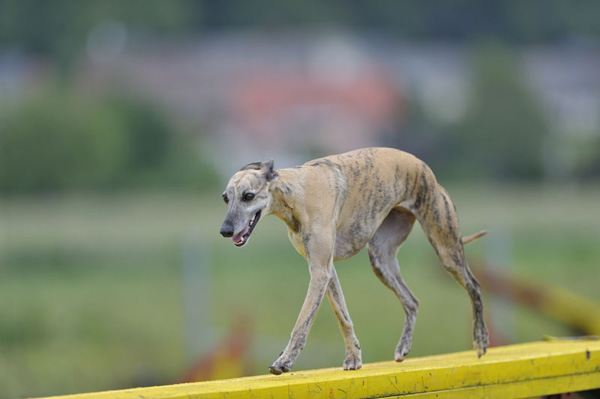
Dog RampsDog ramps are popular, as most dogs will benefit from using one during their lifetime. Ramps are extremely useful. They help small dogs on and off furniture, large dogs into and out of vehicles and prevent dogs from navigating steps after surgery.

The pet industry is filled with plastic, portable, wooden and decorative versions so choose the ramp that works best for the situation needed and your dog’s size.

Ramps are beneficial if your dog uses them. It’s important to teach your dog how to walk up and down a ramp. Dogs are smart and will likely jump over, off or go around a ramp because they haven’t learned how to navigate them yet.

How to Teach Your Dog to Use a Ramp

You’ll need lots of tiny yummy treats and a clicker. Treats should be the size of a pea, as you’ll be using plenty of them in the beginning.

Step One: Going Up

  • Sprinkle a thin trail of treats going up the ramp and take a few steps away from the ramp. Sometimes, our hovering is counterproductive and we, humans, usually feel the need to push or pull a dog closer to or up the ramp. Standing on the side of the ramp will prevent pushing forward.
  • Your dog will likely walk toward the ramp and sniff the treats or even eat a few. Praise her. She’s trying.
  • As she nibbles a few treats, praise her as she places a paw or two on the ramp.
  • If she’s still not sure, ask another member of the family to stand at the top of the ramp and praise her for touching the ramp.
  • After a few minutes, your dog will likely walk halfway up the ramp and look over the sides. Continue to encourage her to walk up the rest of the way.
  • Once she walks up the ramp, give her a handful of treats and lots of praise. I call it “have a party!”

Step Two: Coming Down

  • Using a trail of treats, sprinkle down the ramp. You’ll use the same techniques as teaching her to go up the ramp.
  • Some dogs are hesitant to walk up a ramp and others aren’t too sure about walking down a ramp. Dogs have different comfort levels just like people.

Step Three: Add a Cue

  • Once your dog willingly walks up and down a ramp, it’s time to add a cue.
  • Say “ramp.” As your dog begins to walk up or down the ramp, click and give a treat. Voila. There you go!

VIDEO: Teaching Your Dog How to Use a Ramp

READ ALSO: How to Choose a Dog Ramp

Filed Under: Dogs, Equipment, Resources, Training Tagged With: dog ramp, dog ramp video, dog ramps, dog ramps for car, dog ramps for chairs, dog ramps for furniture, indoor dog ramps, puppy ramp, teaching your dog who to use a ramp

How to Choose a Dog Ramp

March 3, 2015 by Fanna Easter

Choosing a Dog Ramp

Dog RampsChoosing a dog ramp can be daunting. There are so many options out there. I’ll share some must-have ramps, and then it’s your decision going forward. 🙂

Ramp Features to Consider

Traction

Slick surfaces are scary for dogs so choose a ramp with a slip-proof walking surface and evenly spaced grippers for safety. Ramp grippers are very beneficial for older dogs. They can push against them when climbing up a ramp and they can control their speed coming down a ramp.

RELATED: 3 Reasons Why You Need Non Slip Socks for Dogs

For outdoor ramps, choose a non-skid surface appropriate for the weather conditions in your area. For an entire week, we were experiencing an unexpected ice storm in the deep South. I literally wanted to kiss the wide grippers and heavy duty carpet on our ramp. I couldn’t imagine having a plastic version during that weather. Thankfully, my husband is handy so he built our deck ramp for $60. 🙂

Width

In my opinion, wider is better, especially for medium to large dogs. Plus, senior dogs tend to widen their stance when walking down a ramp so provide plenty of room for movement.

Steepness

As we’re aware, walking up and down steep stairs strains knees and joints so choose a ramp with adjustable steepness. Not only is it more comfortable for senior dogs, it’s also easier to navigate post-surgery patients up and down for vet visits or potty walks. Personally, I’ve had to shimmy down a ramp for 10 weeks with Sobek, a 120-pound Rottweiler recovering from ACL surgery, and our lower sloped ramp saved my back!

Furniture Ramps

Non-skid walking surface, width and steepness are definitely factors when choosing a furniture ramp. I like the ramp style better than the stair version, as it’s easier for senior dogs to climb up and down. If you find a senior dog struggling, try lowering the slope (decreasing the steepness) and adding wider gripper bars across the walking surface.

You may also like: Teach Your Dog How to Use a Ramp

Filed Under: Equipment, Resources Tagged With: best dog ramp, best ramps for senior dogs, best stairs for dogs, choosing a dog ramp, dog ramps, furniture ramp for dogs, puppy ramp, ramps for older dogs, stairs for dogs

  • « Previous Page
  • 1
  • …
  • 12
  • 13
  • 14
  • 15
  • 16
  • …
  • 19
  • Next Page »

About

Dog Training Nation is a community of dog trainers, dog owners and dog lovers. Our mission is to provide trainers and owners valuable information to enrich dogs' lives. We cover a range of topics, from socializing puppies to dealing with aggressive dog behavior to selecting the best dog products. It is our hope you share our content to make the dog and owner world a better place.

​

Facebook

Video

Dog Training Nation is a dog training blog for pet owners and dog lovers. We cover a range of topics from puppy socialization tips to dog aggression to dog health. It is our hope you share our content to make the world a better place for dogs.

Dog Training Nation

Quick Links

Dog Training
Dog Behavior
Dog Training Videos
Become a Dog Trainer
About
Contact Us

Copyright © 2026 · Lifestyle Pro Theme on Genesis Framework · WordPress · Log in