Dog Training Nation

In Dogs We Trust

  • Home
  • Training
    • Dogs
    • Puppies
    • Clients
  • Behavior
    • Breeds
  • Health
  • Safety
  • Resources
    • Equipment
    • Books
  • Dog Training Videos
  • About
You are here: Home / Archives for Equipment

Head Halter

September 6, 2014 by Fanna Easter

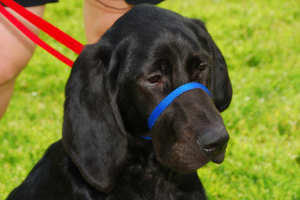
Dog Head Halters

Dog Head Halter
Good boy!

It’s the best product for dogs that love to pull on the leash!

It’s a weird looking contraption, but don’t let that deter you. It’s the best thing since sliced bread. 🙂

Pros

  • Instant results! In class, we recommend them for tiny Terriers to large Mastiffs.
  • It works great for dogs that love to watch other people in class, instead of their pet parent.
  • There are a variety of colors and sizes (even extra padding on the nose loop for comfort!).
  • It has a snug fit.
  • It’s worth mentioning again: you get instant results!

Cons

  • Your dog must be conditioned (get used to wearing it) before it using in class or on walks.
  • Owners must learn how to use it properly.

– Never attach a retractable leash to this product ever.
– Never pull or jerk your dog. That can cause neck damage.
– Never leave it on an unattended dog.

  • It can be a bit tricky to put on your dog at first. Manufacturers do provide easy-to-understand instructions.

Fanna’s Favorite Head Halter: Premier Gentle Leader

Every year, another vendor creates or updates a head halter and I’m the first one to try it out. Aren’t we all looking for that magic product?! I am! I’ve tried every one of them even the prototypes. Every time, I come right back to the Gentle Leader.  I still have Gentle Leaders from 10 years ago, which have been heavily used. I love the quality!

Why I love the Premier Gentle Leader:

    • Head and nose straps fit perfectly without causing undue stress to the dog.
    • They’re easy for owners to put on, adjust and take off their dogs.
    • They’re very sturdy. Dogs can not pull their heads out or easily break the halters.
    • It’s machine washable.

Video: Gentle Leader Head Halter

Bark back! Which head halters do you like and why? Please comment below. 🙂

More:
Dog Harness 
Flat Buckle Collar 
Martingale Collar 
Selecting the Best Dog Seat Belt

Filed Under: Equipment, Resources Tagged With: best dog training collar, collar for a dog that pulls, dog training collars review, how to fit a gentle leader, how to fit a head halter, Premier, Premier Gentle Leader, stop my dog from pulling

Dog Harness

September 6, 2014 by Fanna Easter

Best Dog Harness

Best Dog Harness
Tight-fitting body harness.

Now, there are two varieties of dog harnesses!

  • Front Clip Harness: One of the newer training products, this harness works great! It’s designed to prevent your dog from pulling on a leash by controlling his  shoulders. The leash attaches in the front by the chest.
  • Regular Harness: Body harnesses can replace a flat buckle collar. On one exception, I feel strongly dogs should wear their ID tags at all times. So if your pooch will parade proudly, wearing his harness at all times with attached ID and Rabies tags, then go for it!

Front Clip Harness Pros

  • Dogs are generally comfortable with the feeling and pressure when wearing a harness.
  • It removes pressure off your dog’s neck.
  • It’s easily adjustable even when dog is wearing the harness.
  • There are a variety of colors and sizes.
  • It’s machine washable.
  • Pet parent sees instant results.
  • Straps push on acupressure points, which is very calming for hyper and easily excited dogs.

Front Clip Harness Cons

  • It will not stop a very strong pulling dog (dog with a strong reinforcement history pulling on a collar or harness).
  • It can be a bit confusing when putting on your dog. However, manufacturers provide easy-to-understand directions.
  • It should never be left on an unattended dog. They can get caught on things or chew through the harness.

Fanna’s Favorite Front Clip Harness

I love the Freedom No Pull harness! I’ve tried so many versions (I have 10 versions and 6 prototypes ), and I always come right back to this brand. It’s tried and true! Why I like it:

  • It can clip a leash in the front, back or both. This means it can be used in many different ways depending on your dog’s needs and history of pulling on a leash.
  • There are a variety of colors, sizes and textures (even velvet for your stylish pooch!).
  • It allows for full shoulder movement (it does not restrict shoulder while walking or running).
  • The straps are positioned to teach a dog to redistribute his weight into his back end and touch on specific acupressure points for calming.

View how to fit and attach a Front Clip Harness in this video.

VIDEO: No Pull Harness Fit Review

Body Harness Pros

  • They can be worn everyday.
  • They don’t put pressure on a dog’s throat.
  • Dogs learn to wear them easily.
  • There are hundreds of styles, fits and collars.
  • Most are machine washable.
  • They can attach ID and Rabies tags to the D-ring.

Body Harness Cons

  • They’re not recommended if your dog pulls on leash.
  • They fit snug. You should barely fit one finger between the dog and the harness strap to avoid chaffing of coat and skin.

Fanna’s Favorite Body Harness

My favorite is the Walkin Sync Body Harness! Trust me here: I’ve tested so many dog harnesses that boost new training features, and I always come right back to this one. The research behind this harness is amazing, and I use them on my dogs, especially Sobek, my Rottweiler (his body harness is brown if you see him wearing it in our videos).

Tell us your favorite front clip harness and why in the comment section below!

You may also like: Flat Buckle Collar

Filed Under: Equipment, Resources Tagged With: best type of front clip harness, dog collar review, dog training collar, freedom harness, front clip harness, how to fit a front clip harness, how to stop my dog from pulling, new front clip harness, stop my dog from pulling

Pros And Cons Of Flat Buckle Collars

September 3, 2014 by Fanna Easter

Flat Buckle Collars

Flat Buckle Collars
Always attach ID tags to your dog’s flat buckle collar. everydoghasastory/Adobe Stock

As a professional dog trainer, it’s my job to keep you updated on the latest and greatest tools out there. Don’t forget to share with friends! Below, I discuss pros and cons of using a flat buckle collar, demonstrate proper fit, and share my favorite flat buckle collar brands. 🙂 Let’s dig in!

Flat buckle collars are your dog’s standard everyday collar. They should fit snug where you can only fit 1 to 2 fingers between your dog’s neck and the collar. This type of dog collars enable you to attach ID, rabies tags and a leash.

Flat Buckle Collar Pros

  • There are many different types and colors to choose from.
  • Dogs adjust to wearing this collar easily.
  • It’s easy to fit and adjust.
  • You can easily attach tags and leashes to it.

Flat Buckle Collar Cons

  • Until dogs learn to walk politely on leash, they will pull against this collar.
  • It should never be left on unattended, as the collar can get caught on fences or crates, making it a choking hazard.
  • It can be dangerous when dogs play together because the collar might cause choking or even death.

Fanna’s Favorite Flat Buckle Collars: Lupine and Keep Safe Breakaway Collars

Lupine Collar

  • It meets all pros categories plus guaranteed replacement if your dog chews it.
  • It’s sturdy and soft with a strong buckle.

Keep Safe Breakaway Collar

  • It works as a flat collar. However, it will break away if caught on anything, such as the cons listed.
  • It has two D-rings, to which you can attach a leash.
  • This collar has been tested by dog training professionals and vets to find the right breakaway point to keep your dog safe.

WATCH: How to Fit a Flat Buckle Collar

Now, it’s your turn! What’s your favorite flat buckle collar? Comment in the section below. I want to hear from you!

Filed Under: Equipment, Resources Tagged With: best dog collars, buckle collar, dog collar review, dog training, dog training collars, flat collar, how to fit a dog collar, keep safe breakaway collar, lupine collar

Summer Safety Tips for Dogs

July 17, 2014 by Fanna Easter

How to Keep Your Dog Cool

Summer Safey Tips
Eillen_1981/Deposit Photos

Summer is here, and it’s hot down here in the South. 🙂 It’s critical to be prepared so your pooch is nice and cool even in the shade!

Before we get started, I should mention dogs pant to cool themselves and can sometimes become overheated–this can happen in minutes! Lastly, keep your dog in the shade. If shade is not available, create your own shade using a pop-up tent.

Dog Supplies

I’ve tried so many dog cooling products and many have ended up in the trash. Here are my favorites!

Plastic Kiddie Pool

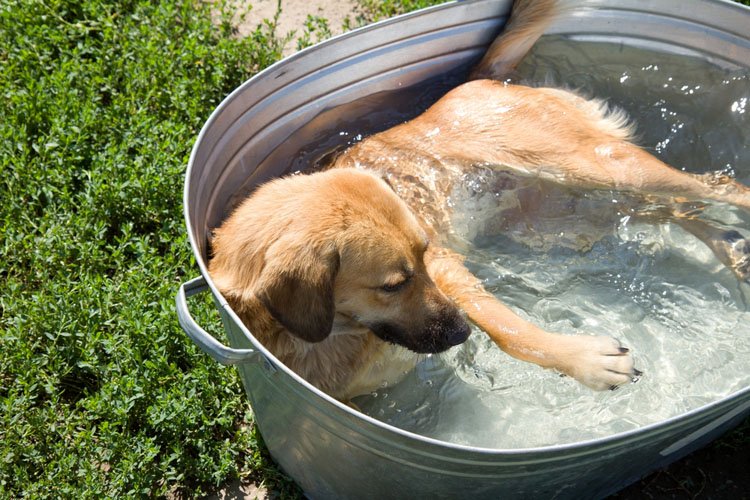
Sobek loves his pool! After early morning walks (in Tennessee, it’s still 85 degrees), he glides right in the cool water. He’ll lie on his side and smile. I recommend the 60-inch plastic pool for larger dogs or if several dogs will share the pool. You can purchase one at large retail stores, such as Target or Wal-Mart. Plastic pools are stored in random areas so ask a sales associate.

Cool Coat

It’s embarrassing how many I’ve tried even human versions. My favorite is Kool Koat. It works! After following directions to wet the coat, I store their coats in our ice cooler until needed. Depending on heat exposure, I may bring two Kool Koats and store the second one in our ice cooler and switch out as needed. While wearing a Kool Koat,  monitor your dog to ensure he is not overheating. Check out Overheating Signs and Treatment by Dr. Becker for overheating signs and quick treatment. Don’t forget to check, by feeling, your dog’s Kool Koat to make sure it’ s not warm. If warm, re-wet in cool water or switch to a second wet Kool Koat. Store your first one in your ice cooler and switch out as needed.

Crate Cooling Pad

Oh, these have been my obsession. I was determined to find the perfect version! This cooling crate pad works best. I bought it 10 years ago at a dog event and I’ve not found anything that works better. And it’s cheap and stays cool for days! It’s super simple to use. Fill a sink with cold water, submerge the Cooling Crate Pad, allow it to sit until the non-toxic crystals plumb up, wring out excess water and voila! One drawback is some dogs don’t like walking on it, as it feels like walking on soft mud. A trick is to place in the back of his crate or under a towel. My past Bouviers would wad it up and keep it on their tummies. Sobek will walk, sleep, snore and stand on his cooling pad. 🙂

Cold Water

Bring plenty of cool water for your dog. Bring a bowl and provide unlimited access to cool water at all times. Keep a jug of water in your cooler to refresh your dog’s water bowl as needed.

Frozen Treats

Fill Kongs with peanut butter, cream cheese, honey or applesauce, freeze overnight and toss 3-4 Kongs in the ice cooler. Provide as tasty and cool treats as needed.

This goes without saying, but I will say it anyway. During the warm or hot weather, never leave a dog a vehicle or in the back of a truck (even in a crate), walk your dog on hot asphalt (will cause paw burns), never leave your dog outside (bring them indoors), or trust a fan to keep your dog cool (pushing hot air around will not cool a dog).

Share your tips on keeping your pooch cool during the summer in the comment section below!

You may also like: Road Trips With Your Dog: What to Pack?

Filed Under: Equipment, Resources, Safety Tagged With: best cooling crate pads, best cooling dog product, cool dog recommendation, heat exhaustion with dogs, keeping a dog cool, summer dog safety, summer dog safety tips, summer safety, summer safety tips

Clicker Training for Dogs

June 5, 2014 by Fanna Easter

Dog Clicker Training

Dog Clicker Training
Dog training clickers.

The power of clicker training for dogs is amazing. You are rewarding a thinking dog, which is awesome!

Many people use a verbal marker, such as yes to replace a click sound. Keep in mind that people can say yes using many different tones so this can be confusing and may not be the ideal word to use for the behavior praise. The click is a consistent way of marking the behavior before rewarding the treat. The click sound always stays the same whereas the cadence, tone, excitement, clarity and words used with a voice are not always the same.

Why Clicker Training Works

Hypothetically, if I placed a chair in the middle of a room and asked you to sit in it, the moment that you sat down in the chair, I would click and reward. That is the premise we have discussed using clicker training so far. Sounds simple, yet it’s possibly something that a human might get bored with rather quickly. But if every time that she asked you to sit, after you have properly done so, I could click and then reward you with a $100 bill.

What might the outcome be?

Most people would immediately continue to stand up and sit back down in the chair. What has happened is that the dog trainer has now reinforced the proper behavior using clicker training! You have learned that each click meant that you did what was asked. In this case, you were then given a $100 for doing so.

When you should click:

  • Sit: As your dog’s behind touches the ground.
  • Down: As your dog’s elbows touch the ground.
  • Loose Leash Walking: When the leash is loose (your dog is not pulling).
  • Attention: When your dog looks at you instead of the other dogs or distractions.
  • Barking: When your dog stops barking even for a nanosecond, click/treat!
  • Anything you like! If you can think it and your dog is physically able to do it, go for it!

– When your dog stretches while coming out of his crate, click and treat. Do this several times and add a cue, such as “pray.”

– Click when your dog looks to the left and add a cue, such as left.

– Click when your dog backs up and add a cue, such as back.

I have trained my Beta fish, Dribble, to touch my finger with his mouth, follow my finger around his bowl and swim through a hoop using these same clicker training methods.

While I’m not sure he could hear the sound of a click, I used a pen light and blinked when he did the correct behavior and fed him Beta kibble as a reward!

Apply Clicker Training to Other Animals

You can train chickens, horses, cows, guinea pigs and bunnies to do agility by using clicker training. I have even trained humans to sit in a chair. There are tons of games that can sharpen your clicker training skills and keep your dog mentally stimulated. I enjoy 101 Things to Do with a Box. Have fun training your dog!

VIDEO: How to Use a Clicker

What dog training clicker games do you play with your pets? Tell us in the comments below.

You may also like: Clicker Training

Filed Under: Dogs, Equipment, Resources, Training Tagged With: clicker training for dogs, dog clicker training tips, fanna easter, how to train a dog, learn clicker training, positive dog training

  • « Previous Page
  • 1
  • …
  • 17
  • 18
  • 19

About

Dog Training Nation is a community of dog trainers, dog owners and dog lovers. Our mission is to provide trainers and owners valuable information to enrich dogs' lives. We cover a range of topics, from socializing puppies to dealing with aggressive dog behavior to selecting the best dog products. It is our hope you share our content to make the dog and owner world a better place.

​

Facebook

Video

Dog Training Nation is a dog training blog for pet owners and dog lovers. We cover a range of topics from puppy socialization tips to dog aggression to dog health. It is our hope you share our content to make the world a better place for dogs.

Dog Training Nation

Quick Links

Dog Training
Dog Behavior
Dog Training Videos
Become a Dog Trainer
About
Contact Us

Copyright © 2026 · Lifestyle Pro Theme on Genesis Framework · WordPress · Log in