Dog Training Nation

In Dogs We Trust

  • Home
  • Training
    • Dogs
    • Puppies
    • Clients
  • Behavior
    • Breeds
  • Health
  • Safety
  • Resources
    • Equipment
    • Books
  • Dog Training Videos
  • About
You are here: Home / Archives for Equipment

Training Your Dog Through An Interactive Dog Camera System

January 4, 2017 by Fanna Easter

Interactive Dog Cameras for Dog Training
Best Dog Cameras
Annetics/iStock

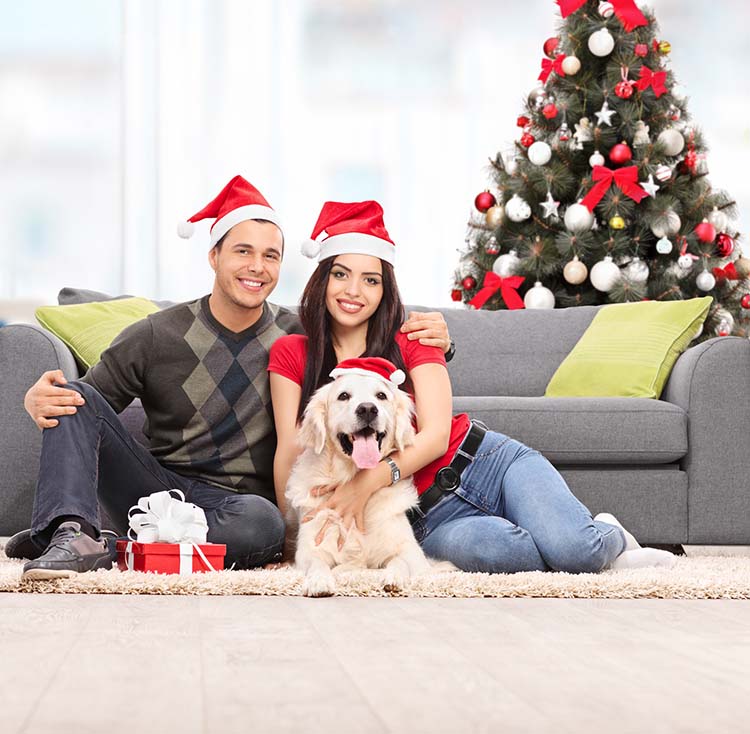
Over the Christmas holidays, it seems every pet owner had an interactive dog camera under her Christmas tree. Interactive dog cameras allow pet owners to peek in on their dogs while they’re away from home. Plus, these pet surveillance cameras offer special features, so pet owners can talk to or toss a treat to their dogs, making these dog cameras so popular. When used correctly, you can successfully train your dog through your interactive dog camera too—with a few caveats.

Let Sleeping Dogs Sleep

Most dogs sleep when pet owners are away, which is quickly confirmed after installing an indoor camera system. While it’s tempting to toss a treat or speak to your dog over the microphone, it’s best not to wake sleeping dogs.

Think about it this way: Waking up to the pinging sound of a treat being dispensed loudly from across the room is startling. Same things goes for when pet owners speak to their dogs through a microphone. These sounds can certainly scare some dogs so much so that they avoid hanging around the scary camera.

When dogs associate scary things with a pet camera, they’ll sleep in another room, defeating the purpose of camera check-ins throughout the day.

Common Dog Behavior Issues

Barking

Many pet owners worry that their dogs will bark incessantly when away at work, which is completely understandable. This is the perfect time to use the interactive treat dispensing feature! Most interactive dog camera systems will email or text a barking alert to notify you when sound is detected in your home. Quickly check the video feed and verify your dog is barking.

When your dog is barking, ignore it. Don’t say anything over the microphone; wait until your dog is quiet. Now, this may take a few minutes, but the moment your dog stops barking (even for a nano-second), dispense a treat. You’re rewarding quiet behavior even if your dog is quick for a split second. Plus, your dog will stop barking while he or she runs over to the camera and eats the treat. If your dog starts barking again, practice a few more times. Your dog will likely wait around the camera quietly, hoping a treat will fall out. 🙂

Take note of what causes your dog to bark, and prevent it from happening again. Close curtains and blinds, or prevent your dog from walking into rooms with front-facing windows by placing baby gates in doorways. Try leaving soft music playing in a windowed room to drown out noises. If ringing doorbells cause your dog to bark, hang a “Do not ring doorbell” note on the doorbell.

Management is an important part of changing dog behavior. Continue rewarding quiet behavior by dispensing treats when your dog is awake and quiet.

RELATED: Help! My Dog Barks Relentlessly at My Neighbor’s Dog

Stress

Separation anxiety is a common reason pet owners purchase dog cameras. It’s important to understand that separation anxiety is a very serious issue. In true cases of separation anxiety, dogs have complete panic attacks when left alone. Panicked dogs will bloody themselves trying to escape, vocalize for hours, pace, drool excessively and completely stress out. Pet surveillance cameras can only confirm your dog has separation anxiety, but it won’t help change the behavior.

When dogs panic, they won’t eat treats. And hearing a microphone version of your voice will likely freak your dog out even more. Unfortunately, this behavior won’t get better on its own. It’s important to work with a professional if your dog suffers from separation anxiety.

Schedule an appointment with a veterinary behaviorist. Record and save a video of your dog stressed out at home and send it to your veterinary behaviorist before your scheduled appointment. The information captured through your interactive dog camera will help you and your veterinary behaviorist determine whether or not your dog’s behavior is improving when you’re away.

Chewing

Sometimes, when peeking in on dogs, pet owners notice their dogs chewing or destroying furniture. Instead of screaming over the microphone, make a smooching sound to distract your dog. When your dog looks away from whatever he or she is chewing, quickly dispense a treat. If your dog walks right back over and continues to chew on the pillow, make a smooching sound again over the microphone. Dispense a treat the moment your dog looks at the camera.

Usually, a recently rewarded dog will hang out, and sometimes fall asleep, next to the pet camera until you return home. They’re hanging out in hopes of treats dispensing from the camera again (smart dogs!).

Once home, management is important. Remove pillows from sofas, or block dogs from going into rooms containing chewable items. Crating your dog works well too; just make sure someone brings your dog potty after 3-4 hours.

Potty Accidents

Potty accidents happen, but an interactive dog camera system won’t change your dog’s behavior. Refrain from scolding your dog through the camera microphone—no use crying over spilled milk. Clean up the potty mess silently when you get home. To prevent your dog from pottying inside your house again, crate your dog while you’re away. Remember, it’s unfair to crate dogs longer than 3-4 hours, so hire a pet sitter to take your dog out to potty.

What have you witnessed while watching your dog through a dog camera system?

Filed Under: Clients, Equipment, Resources, Training Tagged With: 2 way pet camera, best pet surveillance camera system, dog camera treat dispenser, dog trainer recommend pet camera system, dog training, Dog Training Tips, drop cam camera system dogs, furbo camera review dogs, furbo camera review pets, how to teach a dog, how to train a dog, interactive pet camera, pet monitor camera reviews, pet surveillance camera, pet surveillance camera reviews, separation anxiety dog camera system, teaching a dog, tips for dog camera system, training a dog, training tips pet surveillance camera

5 Tips For Sharing A Home With An Incontinent Dog

December 23, 2016 by Fanna Easter

Managing Senior Dog Incontinence

Senior Dog Incontinence
BigRedCurlyGuy/iStock

Sharing a home with a senior dog should be a badge of honor. As pet owners, we work hard to provide the best nutrition, veterinary healthcare, exercise, mental stimulation, dog training and unconditional love throughout our dogs’ lives. So, if we’re lucky enough to share our home with a senior dog—even if she’s incontinent—be proud.

Managing dog incontinence is stressful, but it can be done successfully. It’s important to remember, your older dog isn’t choosing to potty indoors. She simply is unable to hold her urine or feces any longer. With that said, making a few easy changes within your senior dog’s environment will make the process much easier. Fortunately, I’ve had the pleasure of sharing my home with many senior dogs, and these dog incontinence tips have worked every time. 🙂

Reminder: If your dog suddenly becomes incontinent, always follow up with your veterinarian first.

1. Use a Plastic Bed Protector

For the most part, accidents happen most often while your dog sleeps. Instead of washing your dog’s bed several times a day, wrap a waterproof bed protector around her bed. Depending on the size of your dog’s bed, choose between a large waterproof mattress bed protector or a waterproof pillow cover for smaller beds.

Waterproof bedding protectors can be purchased online or in the baby department of most stores. Some plastic waterproof bed covers make strange sounds, which can frighten dogs. Additionally, some are slick, which can cause your dog to slide off her bed. If this happens, choose a soundless bed protector made of coated plastic, such as Pet Dreams waterproof bedding cover.

Once you’ve wrapped your dog’s bed with a waterproof protector, cover her bed with old blankets or comforters that can be easily washed. In the past, I’ve used old twin bed comforters wrapped in soft waterproof covers. Each day, I swapped out the comforters and washed as needed. Adding a soft waterproof cover protector on the outside of a comforter protected the interior padding and made washing super easy.

2. Create a Safe & Comfortable Space

Senior dogs deserve a warm, clean, safe and comfortable spot to rest each day. Choose an area that can be easily cleaned up as washable items. When leaving home for work, I’d fence off an area inside my kitchen, covering all accessible flooring with rubber-backed rugs, adding a super comfy bed and toys, and filling a bowl with water.

While it’s tempting to cover your dog’s entire space with Wee Wee pads, it’s not in the best interest of your incontinent senior dog. Potty pads have plastic backing and are super slippery when walked on, which can cause your old dog to slip and fall. Instead, choose rubber-backed rugs with short carpeting. They’re easy to rinse and clean in a pinch.

Each day, as I’d head out for work, I’d give my senior dog a frozen stuffed Kong for her to enjoy. Around noon, my pet sitter would arrive for potty breaks and cleanup. After work, I’d sanitize my senior dog’s area and wash rugs and bedding as needed.

RELATED: How to Stop Your Senior Dog From Slipping

3. Throw Out Diapers

This is a tough topic, as many pet owners disagree on the effectiveness of doggie diapers. Dog diapers will catch urine and fecal accidents, but will also cause skin scalding if dirty diapers are left in place for longer than 10-15 minutes.

It’s understandable to assume dog diapers will prevent accidents from happening in your home, but they should only be used when you’re home to change them often. When left alone for hours, senior dogs should never sit or lie in their own mess; it’s simply cruel. When leaving your dog home alone, keep your incontinent dog in a safe and easy-to-clean area because accidents will happen.

4. Use a Waterless Dog Shampoo

For easy cleanup after potty accidents (because they will happen), keep a large bottle of waterless dog shampoo close by. After potty accidents, simply wipe up any urine or fecal matter from your dog’s skin and coat. Then, spray waterless shampoo onto soiled areas of your dog’s coat and wipe with a clean towel. For dried fecal matter, brush your dog’s coat to remove first, and then clean the area with waterless dog shampoo.

5. Clean Up After Accidents

With so many cleaning solutions available now, purchase or make a natural and odorless product out of hydrogen peroxide, baking soda and water. Keep a spray bottle nearby, and clean and sanitize the area immediately after accidents. When cleaning up accidents, keep the mood light and bring your incontinent dog outdoors, so she doesn’t slip on wet flooring. As you’re cleaning up, remember it’s not her fault. 🙂

We never had enough time with our dogs, so enjoy every moment with your senior dog. 🙂

Filed Under: Equipment, Health, Resources Tagged With: dog bowel incontinence, dog incontinence products, female dog incontinence, incontinence dog tips, incontinence old dog tips, incontinence senior dog tips, incontinence your elderly dog, male dog incontinence, natural solutions dog incontinence, old dog bladder control, old dog can't hold bowls, old dog can't hold urine, old dog incontinence, senior dog care, senior dog lost bladder control, senior dog tips, urinary incontinence dog, waterproof bedding incontinent dog

Are Antler Chews For Dogs Safe?

December 14, 2016 by Fanna Easter

Antler Chews for Dogs: Pros and Cons

Dog Antler Chews
Hoard11/iStock

Chewing provides plenty of mental stimulation and exercise for dogs. Plus, most high value dog chews taste pretty good. Puppies must have plenty of chewing opportunities, especially during the teething process. While we assume younger dogs enjoy chewing, most senior dogs enjoy a good raw bone, bully stick or antler chew too. 🙂

Providing antler chews for dogs can be a good or bad thing, depending on your dog’s chewing style. Let’s discuss the pros and cons of antler dog chews to help you in this decision.

Pros of Antler Dog Chews

Antler dog chews have recently become a very popular chew item for dogs with good reason. Here’s a short list of antler pros:

  • Antlers are available in most pet stores or online
  • Last a long time (six months to a year, depending on your dog’s chewing style)
  • Different sizes to choose from, depending on your dog’s size
  • No animals are harmed because antlers are shed naturally
  • Odor-free
  • Antlers contain nutrients, such as collagen and calcium
  • Most importantly, dogs love them

Cons of Antler Dog Chews

While antlers are extremely popular dog chew toys, they have some very serious cons too.

  • Antlers are made of bone, on which chewing will cause tooth and gum damage
  • Antlers will splinter during the chewing process
  • Most dogs can whittle down areas into needle-sharp points
  • Antlers are expensive! Prepare to pay between $10-$50 per antler, depending on size
  • Imported antlers contain chemicals

Tooth & Gum Damage

This is easily the most common health issue with antler chews for dogs. Veterinary dentists don’t recommend antler chews due to the alarming amount of slab fractures (i.e. fractures running horizontally along a tooth) and gum lacerations that result from chewing on them. Not only are tooth fractures and gum lacerations extremely painful for your dog, but painful for your wallet as well.

RELATED: Best Dental Products for Dogs

Know Your Dog’s Chewing Style Before Giving Antler Chews

Before giving your dog an antler to chew on, it’s important to understand your dog’s chewing style. Don’t be fooled by your dog’s size because little dogs can chew through tough toys like termites too.

Moderate Chewers

A small percentage of dogs fall into the moderate chewer category, as most dogs will devour a high value chew within minutes. Moderate chewers are usually older dogs, or dogs that take their sweet time when chewing. When watching a moderate chewer, you’ll notice they’ll lightly gnaw and lick a chew, and then take frequent breaks. Some moderate chewers will hide chew toys for later, or just enjoy burying them in the yard or sofa cushions.

Antlers would be an appropriate chew option for this category. When choosing an antler size for your dog, choose one size bigger than recommended on the package. Choosing a larger antler prevents accidental swallowing, and will last much longer.

Strong Chewers

Most dogs fall into this category. Strong chewers will gnaw through chew toys like a termite. When given a chew toy, strong chewers will plop down on the floor and chew until the entire item has been consumed or broken into tiny pieces.

Unfortunately, antler chews aren’t recommended for strong chewing dogs. Antlers are rock hard, and strong chewing dogs will bite down on antlers with all their might. This is how teeth are broken or gums are lacerated. Plus, strong chewing dogs will whittle down antlers into sharp points that are painful to touch. Antlers splinter too, and splinters cause gastric upset, intestinal obstructions, fractured teeth and gum damage. Flexible, yet tough, rubber toys work best for strong chewing dogs.

Use caution when giving your dog an antler chew, and always supervise your dog with any chew toy.

Filed Under: Equipment, Health, Resources Tagged With: antlers for puppies, antlers for strong chewing dogs, are antlers safe for dogs, dog antlers, pro and cons of antlers for dogs, should dogs chew on antlers, where to find antlers

2016 Gift Ideas For Dog Lovers

December 7, 2016 by Fanna Easter

Under $20 Gift Ideas for Dog Lovers

Gift Ideas for Dog Lovers
Ljupco/iStock

As Christmas 2016 approaches, you’re probably looking for the best gift ideas for dog lovers. Fortunately for you, we have budget-friendly gift ideas for your dog-loving friends and family. Check out these fabulous dog-themed gift ideas that are all under $20. The best part is most ship for free!

Dog Magazine Subscription

Every dog lover enjoys reading heartwarming stories about dogs, learning more about their canine companion and keeping up with the latest dog health tips. Some dog magazine subscriptions offer dog training tips, holistic health information, product reviews and recommendations for high quality dog food. In a nutshell, if someone shares his or her home with a dog, then a dog magazine is a must. Plus, this gift keeps giving for 12 additional months, can be ordered online and ships for free!

As of 2016, the best dog magazine subscriptions (digital or paper) are:

  • Whole Dog Journal
  • Animal Wellness
  • Bark

Personalized Dog Gifts

Everyone loves something personalized, but if something is personalized with his or her dog’s photo, it’s even better! Seriously, some of the best personalized dog gifts contain the gift receiver’s dog’s photo. You can pretty much count on tears of emotion and joy as she unwraps her present.

Plus, with the availability of photos on social media, it’s super easy to find the right photo. Just lift your dog-loving friend’s dog photo off Facebook, Twitter or wherever and print on a pillow, shirt, mug, blanket, Christmas ornament, smartphone case or tote bag. If you really want to create a huge impact, choose 12 different dog photos to create a personalized dog calendar!

Best places to create personalized gifts for dog lovers:

  • Zazzle
  • Café Press

Hint: For large projects, such as blankets, pillows, phone cases and mugs, increase photo pixels in Photoshop. If you don’t have access, ask a Photoshop software friend to edit photos for you. Oh, and this friend must keep it a secret too!

Donations

Every dollar counts, and this is the perfect time to donate to your dog lover’s favorite animal charity. While it’s tempting to donate to large organizations, small local rescue groups are in desperate need for funds too. Take a moment and investigate your friend’s social media feed. You’ll likely notice likes, shares and retweets from local animal rescues. You could also ask for recommendations from someone close to your dog-loving friend.

Please share your favorite gifts for dog lovers below! Have a safe and wonderful holiday season. 🙂

Filed Under: Equipment, Resources Tagged With: 2016 gift ideas under $20 dog lovers, best gift for dog owners, cheap gifts for dog lovers, cheap gifts for dog owners, personalized gift ideas for dogs lovers

Collar vs. Harness: Which Is Better For Your Dog?

November 18, 2016 by Fanna Easter

Collar vs. Harness

Collar vs. Harness
humonia/iStock

You see it every day. Pet owners pulling their dogs around on leash. Or better yet, you’ve watched dogs pull their pet owners for miles. All this force must go somewhere, and it’s usually applied to a dog’s fragile neck.

In a previous article, I discussed how collars can cause neck injuries in dogs, but I left out a valuable piece of information. Intentional and accidental collar jerks can cause more harm than previously stated. Plus, I forgot advice for small and medium sized dogs too. Shame on me!

So, here’s an updated addition to my previous article. 😉

The Answer

Should your dog wear a flat buckle collar or body harness? As a dog trainer, this decision is pretty easy. Allow me to explain why one piece of equipment causes more harm to your dog than the other.

Year in and year out, dogs are injured during walks while wearing a collar. While most pet owners try not to pull their dogs’ leashes, it still happens. Dog leashes are basically security lines to keep our dogs safe with us. Without leashes, dogs would run into oncoming traffic, chase other dogs, or basically run off and never be seen again. And it’s precisely that abrupt stopping-in-mid-walk motion that causes injury to your dog’s neck.

Think about it this way: If a car comes barreling down the road, you’ll suddenly stop your and your dog’s forward movement within nanoseconds. Yup, as you guessed it, these tiny start-and-stop leash movements can cause neck injury.

Collars Cause Injury

Collars can cause more harm than we previously thought. Before jumping into the specifics, it’s important to understand I’m discussing flat buckle or Martingale collars here. Choke and pinch collars cause considerably more injuries than flat collars, and it’s well documented. With that clarification, let’s discuss this further.

Interestingly, I had a great conversation with my holistic veterinarian who is certified in animal chiropractic care. He treats numerous neck, shoulder and forelimb injuries while completing chiropractic adjustments. Just by feeling the spinal area, our vet can tell if a dog is a leash puller. Honestly, I’m not shocked by his findings, but I was determined to find additional data and research.

Guess what? There’s really nothing to compare. Now, there’s substantial research proving choke chains cause issues, but little about flat buckle collars.

With that said, just watching a dog repeatedly strain against a flat collar makes my neck hurt because all that force goes somewhere. Even though there’s little scientific data collected so far, it’s pretty obvious that neck injuries can happen when dogs wear collars.

How to Choose the Right Dog Harness

Over the last 5 years or so, I’ve seen body harnesses become extremely popular. I believe that’s a good thing! While body harnesses will reduce direct pressure to a dog’s neck, they must be fitted correctly to prevent front-end damage too. Plus, not all body harnesses are alike.

Size

When choosing a body harness, make sure it’s completely adjustable around the neck and chest area. Many small dogs have a robust chest, so they don’t fit in a size small harness. Measure your dog beforehand and check the label’s fit measurements.

Construction

Look for body harnesses made with padded material that’s easily adjustable. Comfortable harnesses should sit around the top portion of your dog’s shoulder and not circle around his or her neck. Chest straps should fit snugly, yet not restrict your dog’s front leg movement. Many dog harnesses slide into your dog’s armpits, which is extremely painful during walks, so pay attention to how a body harness moves while your dog walks around wearing it.

Brand Recommendations

Like most pet owners, I appreciate brand recommendations for body harnesses. I recommend the Freedom Harness, Balance Harness and Ruffwear Harness. These are tried and true, completely adjustable, and won’t restrict your dog’s shoulder movement.

Should Collars Be Banned?

Of course not. Collars should carry your dog’s ID if he or she escapes. Microchip your dog, which is even better than ID tags. But don’t forget to remove your dog’s collar when left home alone or crated.

Body harnesses are best for all dogs. For strong-pulling dogs, I recommend front clip harnesses.

Filed Under: Equipment, Resources Tagged With: best harness for dogs, collar of body harness, collar vs body harness, is a harness better than a collar of my dog, should my dog wear a harness or collar

  • « Previous Page
  • 1
  • …
  • 3
  • 4
  • 5
  • 6
  • 7
  • …
  • 19
  • Next Page »

About

Dog Training Nation is a community of dog trainers, dog owners and dog lovers. Our mission is to provide trainers and owners valuable information to enrich dogs' lives. We cover a range of topics, from socializing puppies to dealing with aggressive dog behavior to selecting the best dog products. It is our hope you share our content to make the dog and owner world a better place.

​

Facebook

Video

Dog Training Nation is a dog training blog for pet owners and dog lovers. We cover a range of topics from puppy socialization tips to dog aggression to dog health. It is our hope you share our content to make the world a better place for dogs.

Dog Training Nation

Quick Links

Dog Training
Dog Behavior
Dog Training Videos
Become a Dog Trainer
About
Contact Us

Copyright © 2026 · Lifestyle Pro Theme on Genesis Framework · WordPress · Log in