Dog Training Nation

In Dogs We Trust

  • Home
  • Training
    • Dogs
    • Puppies
    • Clients
  • Behavior
    • Breeds
  • Health
  • Safety
  • Resources
    • Equipment
    • Books
  • Dog Training Videos
  • About
You are here: Home / Archives for Equipment

Protecting Your Furniture From Dog Hair And Nails

June 2, 2016 by Fanna Easter

How to Protect Furniture From Dog Hair and Nails

Protect Furniture From Dog
imagine632/iStock

As I chatted away with my best friend last week, she mentioned struggling with massive amounts of dog hair on her furniture. I recommended a few tips, which she immediately tried. A couple of days later, she was so thrilled with the results, she suggested I should write an article about it. Here are a few ways to protect furniture from dog hair and scratches.

Pet Furniture Covers

For years, protecting couches and sofas from dog hair and nail scratches has been a constant struggle, but thankfully there are tons of furniture covers out there now. For sofas, you can use a furniture cover for pets that protect the entire surface area or simply protect the seating area; it depends on your needs.

If your small dog enjoys walking along the top of your sofa, I would recommend Sure Fit slipcovers that protect your entire sofa. Many years ago, I stumbled upon this brand and have used it for years. It’s a struggle to get the tightly fitting cover on the sofa, but once it’s snuggly in place, it’ll protect your leather or fabric sofa from tears, scratches and dog hair. This slipcover washes well too. I removed the cover once a month and laundered it in warm water, then dried it on low heat. Our slipcover lasted for years.

For dogs that enjoy snoozing in the seating area of your sofa, I would recommend a couch protector that covers this area only. There are tons of options to choose from—I don’t have a specific brand that I really like—but you can hop on Amazon and purchase a five-star-rated brand. Gosh, you can even add a splash of color to your sofa with these options or choose a color that blends in seamlessly. Not only will these covers protect your sofa from dog hair and nails, but they can also easily be removed when guests come over and launder really well.

Protecting Your Bed and Comforter

Bedding is pretty easy to protect from dogs; just throw an old sheet or blanket over your current bedding. It’s easy to remove when guests come over and you can wash it as often as needed. When we travel, we bring our freshly laundered blanket to cover hotel or guest beds. Plus, there are waterproof options as well for incontinent seniors or puppies with muddy paws. 🙂

Train Your Dog Not to Get on Furniture

Allowing dogs on your furniture is a personal choice. Personally, I don’t mind it one bit. Dogs will instinctively climb up and get cozy on your bed, chair or sofa because it’s soft and warm; it has nothing to do with dominance.

If you prefer your dog stays off your furniture, that’s fine, but you must be consistent. It’s unfair to allow your dog to lounge peacefully on your sofa one day, and then demand your dog to get off the sofa the following day. If your dog climbs onto a chair, teach him the “off” cue. With an “off” cue, there’s no fussing, yelling or punishing. All you have to do is say “off,” as you toss a treat on the floor. And no, you’re not rewarding your dog for getting in the chair; you’re actually rewarding your dog for jumping off on cue. Soon, your dog will learn the floor is much more rewarding than your chair.

Now, it’s impossible to expect your dog to lie on a hard cold floor, so invest in some comfy dog beds. Remember to reward your dog for lying in his bed by giving him food stuffed toys to enjoy while chilling on his bed. Additionally, you can teach your dog the “place” cue that will really make his bed rewarding. Don’t forget to crate your dog while you’re away. This way he doesn’t sneak on furniture while no one is home.

Punishment Doesn’t Work

Scat mats are a waste of time and money plus they can scare some dogs. There are easier, quicker and more humane ways to teach dogs new behaviors than by shocking them. Additionally, screaming and yelling will just confuse your dog. Teach him to do something else instead.

If you have a favorite furniture protector, please share it with us. We’re listening. 🙂

Filed Under: Equipment, Resources Tagged With: best bed protector for dogs, best sofa protector for dogs, how to teach dog to get off furniture, protecting furniture dogs, sure fit slipcover for dogs review, teach dog to stay off furniture

How to Protect Dog Paws From Heat

May 18, 2016 by Fanna Easter

Summer Dog Paw Protection

Dog Paw Protection From Heat
rubisco67/iStock

It’s getting warmer, which means summer is pretty much around the corner. As the temperature rises, so does surface temperatures. With that said, humans are oblivious to hot surfaces because we wear shoes; we don’t know how hot surfaces can become. Now, let’s transfer this to dogs. They don’t wear shoes and their paw pads are not invincible calluses. Your dog’s paws are super sensitive like the heels of our feet and can easily burn from exposure to warm or hot surfaces. Some dog paw burns are so severe that layers of paw pads disappear, causing tissue to be exposed. This happens way more frequently than most pet owners would ever think.

So it’s important you protect your dog’s paws from burns caused by hot surface areas, such as sidewalks, roadways, gravel, artificial grass (this stuff gets really hot!) and other surfaces that heat up quickly.

How to Protect Dog Paws From Heat

Feel Surfaces For Heat

Don’t assume surfaces are cool. Ignore the temperature outside because sidewalks can heat up quickly even on sunny 75-degree days. You need to feel surfaces for a true test.

Before walking your dog, take a moment and feel the temperature of different surfaces by standing on them barefoot. If you’re unable to stand or walk for a short period of time on any heated surface, then it’s too hot for your dog’s paws too.

RELATED: My Dog Refuses to Go Outside When It Rains

Purchase Dog Booties

There are several ways to protect your dog’s paw pads from the heat, but the easiest way is walking your dog early in the morning. Allowing cement, gravel, asphalt or any easily heated surface to cool down overnight is best, but make sure walks are completed before or as the sun is rising. An added bonus of walking your dog early in the morning is being able to watch the beautiful sunrise with your best buddy!

If walking in the early morning doesn’t work for you, and you prefer to walk your dog late in the afternoon, remember that outdoor surfaces are still scorching hot. You’ll need to purchase protective dog booties for your dog’s feet. My favorite brands are Muttlinks and Ruffwear booties. They’re easy to put on and stay on and they’ll protect your dog’s feet. However, never assume your dog’s new booties are invincible. Always check your dog’s feet several times (every couple of minutes) while he’s wearing his new booties. You want to make sure they’re working. Once you’ve test-driven your dog’s new booties several times, and you know your dog’s feet are protected, then have fun!

What Doesn’t Work

While I try to focus on what works (being positive), sometimes I need to discuss ways that don’t keep your dog’s paws protected from the heat. Paw wax, thin socks or booties, or dog booties with thin soles won’t last on hot surfaces. We all know walking on hot concrete wearing socks, thin lotion or thin-soled shoes is painful. Splurge on the good dog booties that truly work. 🙂

In Hot Climates, Set Up a Potty Area

Dogs don’t necessarily understand that hot surfaces will burn their feet. This sounds a bit naive, but do you remember walking on warm sand at the beach? It didn’t feel hot at first, but after walking for a couple of minutes, it got really hot!

Keeping this in mind, if you live in a really hot climate, fence off a shaded area for potty breaks during the day. We live in the desert. It’s literally 104 degrees today and it’s only early May, so we’ve sectioned off a shaded portion of our yard to protect our dogs’ feet. Never assume certain surfaces are cool. I was shocked at how warm our little patch of grass could get during the day.

Ignore the air temperature. Take a moment to feel surfaces with your bare feet before walking your dog on it. 🙂

YOU MAY ALSO LIKE: Stop Using Retractable Dog Leashes in Public Places

Filed Under: Equipment, Resources, Safety Tagged With: dog booties for hot surfaces, dog boots hot surface, dog paws summer, dogs feet summer, protect dogs feet hot, summer paw protection

1 Simple Way to Keep Your Dog Safe in the Backyard

May 16, 2016 by Fanna Easter

How to Keep Your Dog Safe in the Backyard

How to Keep Dog Safe in Backyard
michaelpuche/iStock

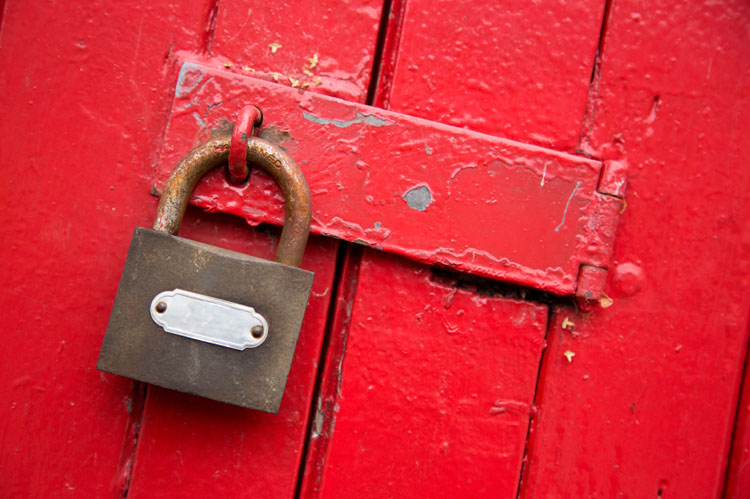
While it seems like a no-brainer, not many pet owners know a simple way to keep their dogs safe from intruders in the backyard. This simple little device will prevent most dogs from escaping the backyard. Drum roll please: place a simple lock on each fence gate.

I Learned The Hard Way

Many years ago, I was sitting in the backyard with both of my dogs when I noticed someone slowly walking up to our front fence gate. Apparently, this person didn’t see me sitting in the backyard brushing one of my dogs, which was a good thing. Once I noticed the stranger approaching, things happened really quickly.

My other dog bounced over to the fence gate to greet this strange man and, before I could say a peep, this stranger tried to open the gate. Well, the latch was a bit rusty and wouldn’t budge, so he started kicking the gate to open it! By this time, I shook off the initial shock and started screaming and running toward the gate. This well-dressed middle-aged man, wearing a crisp white dress shirt and dark jeans, ran toward the front of our home. As I rounded the corner, I noticed he was jumping into a white pickup truck with several different sized dog crates in the truck bed. My heart dropped.

As the man sped away, I gathered both dogs indoors and then called the police. My brain was racing and just shocked at what had happened. Once the policeman arrived, I explained the event in detail. And no, I didn’t memorize his license plate. I wished with everything I had I remembered.

The policeman delicately explained that several dogs within a 10-mile radius of our home had gone missing from their backyards over the last couple of weeks. Clutching my throat, I asked why someone would do such a thing. The policeman said thieves are stealing and selling dogs to animal laboratories in the next county. I’ll never forget the next words that cautiously fell from his mouth: “Buy a lock and keep all gates locked at all times.” I still live by these words every day.

RELATED: How to Find a Good Dog Breeder

How to Purchase the Right Fence Gate Lock

Your lock doesn’t need to be fancy, but it definitely needs to be sturdy. I prefer a huge combination lock, which I lock from the inside of our backyard. By keeping the lock inside and facing toward your home, you’ll prevent thieves from trying to remove the lock. When pest control or lawn care companies need access to your backyard, place the lock on the front of the gate, so they can easily unlock to enter and lock upon leaving. When you get home, move the lock inside the gate.

Key locks are nice, but many pet owners mistakenly keep the key either in the lock or next to it. Yes, you can install a camera right over the fence gate too, but a camera will not immediately stop an intruder from stealing your dog. Purchase a good lock for each fence gate; write the combination down and keep it indoors. A lock will also prevent wind from blowing fence gates open and is a way to make sure gates are closed at all times. No one remembers to close the gate.

Another Thing That Saved My Dogs

I was outdoors with them. If I were not there to intervene immediately, this creep would’ve opened the gate and stole my dogs. As of this day, regardless of the temperature outside, snow or rain, my husband or I am always outdoors with our dogs. While I was extremely lucky my dogs were safe, I learned a valuable lesson the hard way. I wish someone had shared this tip with me 17 years ago.

Now, go buy a lock and install it today and keep it locked at all times! 🙂

Filed Under: Equipment, Safety Tagged With: backyard gate lock, cheap backyard security idea, dog backyard secure, inexpensive security idea backyard, keep dog safe backyard, keeping dog in your yard, lock backyard gate, prevent dog from escaping backyard

Best Store Bought Dog Training Treats: Dog Trainer Recommendations

April 22, 2016 by Fanna Easter

Best Store Bought Dog Treats

Best Store Bought Dog Training Treats
BettinaSampl/iStock

As a professional dog trainer, super yummy treats are a must-have during dog training sessions. Dog treats are your dog’s paycheck for choosing a polite behavior, and we all work for paychecks. The better the paycheck, the faster good behavior will happen. Fresh soft dog treats are easily the best option for training dogs. Check out why and which dog treat brands are best.

Soft or Hard Store Bought Dog Training Treats?

Oh, there’s a huge difference between soft dog treats and hard dog treats! When teaching new behaviors, you want fun and exciting sessions with lots of yummy treat rewards, but some treats will hold back the process.

I don’t recommend adding low value (dry pieces of kibble or biscuits) with high value treats. When teaching a new dog behavior or changing a dog’s perspective on something, always use high value dog treats every time. When weaning a dog from treats, using a variable schedule of reinforcement (i.e. rewarding the best “sits, downs or whatever” instead of every attempt) works much better once a dog understands a cue in all situations.

Soft Fresh Training Treats

From my experience training thousands of dogs, fresh training treats work best! When selecting dog treats, “fresh” means treats that contain higher moisture content that enhances aroma (smells strongly) and heightens taste. Additionally, fresh dog treats can be easily broken into pea-sized portions, quickly chewed and safely swallowed whole. Most fresh dog treats contain high percentages of meat, which means meat is usually the number one ingredient with a small percentage of vegetables or grains sprinkled in.

RELATED: Pros, Cons & Myths of Canned Dog Food

Dry Training Treats

Dry training treats can become a nuisance during training. They have little smell. If you don’t believe me, take a whiff of freeze-dried cow liver; it smells like nothing. No one enjoys eating scentless food because there’s a pretty good chance it will be tasteless too (hence rice cakes, yuck). Plus, store bought dry dog treats crumble easily, especially when breaking them into small portions for dog training sessions. There’s nothing worse than asking your dog to “down” and he’s busy hunting each and every dropped crumb instead of focusing on you.

If you’ve ever used dry training treats with an easily excited dog, you’ve probably witnessed your dog coughing or hacking after he swallows a dry treat whole. For smaller dogs, they will take their sweet time chewing a dry treat, which quickly deflates a high-energy training session.

Lastly, some pet owners swear their dogs love dry treats, but when I offer a fresh treat instead of a dry treat to their dog, the fresh treat is always gobbled up quickly. Plus, dogs tend to focus on other pet owners carrying fresh treats instead of their owners holding dry treats in their bait bag. Still don’t believe me? Place dry kibble or biscuit next to a chunk of tuna fish–case closed. 🙂

Recommended Dog Training Treats

As promised, check out a couple of brand names I highly recommend. All recommendations can be purchased at your local pet retailer and even large chain versions.

Freshpet

By far, Freshpet is my favorite! Due to an upsurge interest in cooked and raw food, Freshpet hit the pet and grocery store markets several years ago with a bang. Basically, this is a refrigerated cooked dog food with chicken as it’s first ingredient and a bit of vegetables and brown rice mixed in. Also, there’s a grain-free option for dogs watching their carbs. 🙂 Fresh Pet is a balanced dog food, which means it meets a dog’s daily needs if fed as a meal. It’s also made in the U.S.

Personally, I like the resealable bag option of Fresh Pet because it’s super convenient. No chopping needed. Just dump in your bait bag and go! If chopping is your thing, then choose from grain-free or regular rolls options. Now, Fresh Pet needs refrigeration, so I recommend freezing it a bit (1-2 hours max) during warmer months before heading out to group dog training class. As you arrive at the dog training facility, you’ll notice these treats will thaw a bit, but still remain cool during training sessions. Discard any remaining treats. I dump my bait bag contents on the floor for my dog to enjoy as class wraps up. Always wash your hands thoroughly afterwards, and don’t forget to wash your bait bag too.

Natural Balance Rolls

These rolls have been around for a long time, and I still use them during training. Meat is the number one ingredient in each role variety. Natural Balance rolls are nutritionally balanced, meaning these rolls can be fed as your dog’s regular meal (it would get expensive really quick though!).

Unfortunately, Natural Balance tweaked their roll recipe recently, which causes treats to crumble a bit when chopping. A tip: when chopping pea-sized treats, make sure the roll is nice and cold before cutting. This will keep crumbling to a minimum. I must say, dogs love this stuff–crumbs and all! Plus, there’s many protein options if your dog is unable to tolerate chicken or beef.

Natural Balance rolls must be refrigerated too. Freeze chopped treats (about 1-2 hours max) before heading out for training during warmer months. After training, discard any leftover treats. I usually dump my bait bag contents on the floor for my dog to enjoy at the end of class. Always wash your hands thoroughly and your bait bag too.

Regardless of which brand you choose, make sure your dog absolutely adores his or her treats. Fabulous dog treats make training dogs much easier!

Filed Under: Dogs, Equipment, Puppies, Resources, Training Tagged With: best dog training treats, best store bought dog training treats, dog trainer recommended training treats, dog training, Dog Training Tips, dog training treats store, fresh pet dog training treats, how to teach a dog, how to train a dog, natural balance roll dog training treats, teach a dog, train a dog

Should You Buy a Chain Leash for Your Dog?

March 30, 2016 by Fanna Easter

Pros and Cons of the Dog Chain Leash

Dog Chain Leash
Milan Markovic/iStock

Growing up in the ’80s, dog chain leashes were extremely popular. I’m not sure if it was due to function, but I think it was mostly due to style, as everything had a metallic sheen back then. 🙂 Chain dog leashes are still available 30 years later, and they can be useful in certain situations, but they have downsides as well.

PRO: May Stop Dog Biting & Pulling on Leash

Some dogs get excited and pull on their leashes, which can quickly damage even the most durable leash material. One time, when working with a fearful dog that became frustrated around triggers–he lived in an apartment complex, so triggers were everywhere–the dog grabbed his leash and chewed through it. Understand, this was a huge Rottweiler. He could sever a leash in two pieces with few purposeful chomps. It was frightening. We did have tremendous success changing his behavior though, and his pet owner used a chain-and-cotton dog leash until she learned how to quickly identify and reward different dog behavior.

For the most part, I prefer teaching a dog to do something else instead of pulling or redirecting frustration on a leash, but a dog chain leash will deter behavior as well. Most dogs don’t like the metal taste or feel, so they’ll leave their leash alone. Some dogs will redirect tugging to their pet owner’s pants or another dog’s leash, so it’s not a quick fix for all dogs. In fact, I’ve had pet owners tell me their easily excited leash-tugging dogs fractured their teeth pulling on their leashes, so proceed with caution. If you decide to use a dog chain leash, use it to change behavior. Once the behavior has changed, then switch to a cotton, nylon or leather leash.

RELATED: How to Park Your Dog

CON: Chain is Heavy and It Hurts, Be Careful

Not only are dog chain leashes heavy, but they hurt too. For smaller dogs and puppies, look for thin and lightweight chain leash options. Remember, chain leashes will hurt your hands. They will definitely pull a layer of skin off when you’re grabbing the chain portion to stop a dog from pulling.

CON: Chain Leashes Are Outdated

With the movement against choke chain collars, which I firmly believe are outdated dog training tools, dog chain leashes have gone out of style as well. Additionally, young punks holding the end of enormous heavy chains wrapped around certain dog breeds’ necks most definitely did not help, as they were associated with status-seeking behavior and dog fighting. Now, you can understand the side stares while walking your dog on a chain leash.

For some reason, some pet owners feel chain dog leashes are sturdier than leather or nylon options, but I would disagree. I have a large dog, and a high quality 1-inch wide nylon leash works just fine. If your large dog pulls against his chain leash during walks, those chain links can crumble apart over time.

Using a Dog Chain Leash

Chain leashes have a tiny place in dog training, but it doesn’t always work for all dogs. If it stops your dog from pulling on the leash instantly, then reward your dog the moment he ignores the leash. Rewarding polite behavior is key, or else your dog will learn to redirect his frustration elsewhere. If your dog still bites at or pulls on the leash, you need to try something else.

READ NEXT: Stop Your Dog From Pulling on the Leash

Filed Under: Equipment, Resources Tagged With: chain dog leash with leather handle, chain leash, chain leash 6 foot, chain leash for big dog, dog chain leash, heavy duty chain dog leash, metal dog leash, where to buy dog chain leash

  • « Previous Page
  • 1
  • …
  • 6
  • 7
  • 8
  • 9
  • 10
  • …
  • 19
  • Next Page »

About

Dog Training Nation is a community of dog trainers, dog owners and dog lovers. Our mission is to provide trainers and owners valuable information to enrich dogs' lives. We cover a range of topics, from socializing puppies to dealing with aggressive dog behavior to selecting the best dog products. It is our hope you share our content to make the dog and owner world a better place.

​

Facebook

Video

Dog Training Nation is a dog training blog for pet owners and dog lovers. We cover a range of topics from puppy socialization tips to dog aggression to dog health. It is our hope you share our content to make the world a better place for dogs.

Dog Training Nation

Quick Links

Dog Training
Dog Behavior
Dog Training Videos
Become a Dog Trainer
About
Contact Us

Copyright © 2026 · Lifestyle Pro Theme on Genesis Framework · WordPress · Log in