Dog Training Nation

In Dogs We Trust

  • Home
  • Training
    • Dogs
    • Puppies
    • Clients
  • Behavior
    • Breeds
  • Health
  • Safety
  • Resources
    • Equipment
    • Books
  • Dog Training Videos
  • About
You are here: Home / Archives for Equipment

Cons of Using a Double Dog Leash

March 29, 2016 by Fanna Easter

Double Dog Leashes May Cause More Harm Than Good

Double Dog Leash
Jonah_M/iStock

Walking two dogs at once can be daunting, especially if one or both dogs like to pull on leash. Many pet owners attach a coupler at the end of one leash, which then forms a prong, so two dogs can be walked on the same leash. While double dog leashes seem like a fabulous idea, they do have some drawbacks.

Cons of Using a Double Dog Leash

Not Enough Space Between Dogs

Most dog leash couplers provide 1-2 feet of space between two dogs during walks, which can be a bit tight for some dogs. That’s a pretty small space for dogs during long or even short walks, and some dogs can get a bit anxious having to walk that close to another dog even if they live together. As a human example, walking two dogs on a coupler is equivalent to asking two children to walk arm-in-arm. It can get a bit too close for them. 🙂 Sometimes, I witness redirected aggression between two dogs on a coupler, especially when something scary or exciting happens.

RELATED: Should You Take Your Dog to Dog Parks?

Couplers are Inconvenient for Dogs

Remembering the small space between dogs on a coupler during walks, it’s almost impossible for a large and small dog to walk comfortably together. Large dogs have longer strides, and it’s exhausting for smaller dogs to keep up during walks. Plus, the height gap will cause a constant tugging on the larger dog’s collar, which can make him uncomfortable too.

Not Much Control When Using a Coupler

Controlling two pulling dogs on a coupler, even when they’re attached to one leash, is nearly impossible. It’s downright dangerous and difficult to prevent propulsion. While it seems having both dogs attached to one leash would give the pet owner a bit more control, it has the opposite effect. Applying simple physics principles can quickly explain how two dogs pulling forward or in opposite directions can force a single pet owner to move forward uncontrollably.

What to Use to Walk Two Dogs

While it’s so tempting to try out a dog leash coupler, I would recommend walking both dogs on separate leashes. Fumbling and untangling two leashes is a bit cumbersome, but you will have more control, especially if you’re holding one leash in each hand. I highly recommend holding the larger dog’s leash in your dominant (most used) hand. This will give you the most control.

If both dogs pull on their leashes, teach each dog to walk politely on leash before walking both dogs at once. Adding leash training behaviors during a short walk for one dog will not only physically exhaust him, but mentally too. For details on teaching two dogs to walk politely and safely together, check out that article.

Now, I’m not saying dog leash couplers don’t work. I’m just saying there are drawbacks all pet owners should be aware of before using them.

YOU MAY ALSO LIKE: My Dog is Afraid of Passing Cars

Filed Under: Equipment, Resources, Safety Tagged With: 2 dog leash coupler, 3 dog leash coupler, coupler dog leash, double dog leash, small dog coupler, swivel dog leash coupler, using a dog leash coupler, walking two dogs on leash

Should You Use a Waterless Dog Shampoo?

February 18, 2016 by Fanna Easter

Waterless Dog Shampoo: Benefits & Uses

Waterless Dog Shampoo
Sasiistock/iStock

In a nutshell, waterless dog shampoo absorbs oil, cleans skin and fur, and leaves a fresh scent behind. Now, I’m not exactly sure why it’s called waterless, as waterless shampoo does contain water and leaves hair wet afterwards. However, waterless dog shampoo really does work. Check out these tips on choosing and using this essential dog grooming product.

Benefits of Waterless Dog Shampoo

Great for Spot Cleaning

Dogs will get dirty. That’s just what happens, and sometimes giving your dog a complete bath is not going to happen, especially when traveling. That’s where waterless shampoos for dogs come in handy. Waterless dog shampoo can be used to clean paws after a romp through the yard, remove urine sprinkles from long-haired male dogs, wipe away pollen and clean up after a bout of diarrhea.

RELATED: How to Stop Your Senior Dog From Slipping

Waterless dog shampoo also works well on senior dogs or dogs recovering from surgery. Sometimes, it’s just too hard to completely bathe an older dog, so weekly washing of his face, feet and rear with a waterless dog shampoo will keep your senior dog clean and stress-free. For dogs recovering from surgery, it’s risky putting them in a tub for fear of getting their incision wet. Waterless shampoo helps keep your dog feeling and smelling fresh during his recovery.

How to Use Waterless Dog Shampoo:

  • If your dog gets dirty, spray waterless dog shampoo liberally on the area, massage into skin and coat, and wipe with a dry towel. Afterwards, comb or brush your dog’s coat and repeat once the area has dried. You can certainly blow dry the coat until it’s dry too.
  • If dirt (such as mud) has already dried, or your dog has longer fur, spray waterless shampoo onto your dog’s coat and brush his hair to loosen up any dried mud. Wipe the sprayed area with a clean dry towel and repeat the process until fur is free of dried dirt. Again, brush afterwards and then again once dried.

Tearless Dog Shampoo for Faces

Having lived with long-coated dog breeds for years, I’m well aware these dogs constantly dunk their beards into water bowls every day. With all this water and hair, their beards start to smell like a dirty mop really quickly. Every other day, I would wash their beards with a waterless dog shampoo that not only removed that sour smell, but also removed food particles and dirt. Honestly, waterless shampoo for dogs did a pretty good job! Now, I did have to wash their beards weekly, but a waterless shampoo made it much easier by removing excessive gunk beforehand.

Make sure you choose a tearless waterless shampoo on your dog’s face. Even for small dogs, or dogs that eat raw meals daily, a good waterless shampoo will spot clean muzzles and leave them sparkling clean and smelling super fresh until their next full bath.

My Favorite Waterless Dog Shampoo

Wow, I’ve used so many waterless dog shampoo brands that it makes my head spin. By far, my favorite waterless shampoo for dogs is Nature’s Specialty Speedy Groom Waterless Shampoo. It can be easily sprayed onto a small or large area, massaged into skin and, most importantly, wiped away. Plus, it smells heavenly like sweet plums. Your dog’s coat will gleam afterwards, which is not too shabby for a waterless shampoo.

My favorite tearless brand is Espree’s Plum Perfect Facial Cleanser. It’s more of a mousse than a spray, but it does a great job removing food particles while cleaning the fur on your dog’s face. In addition, it doesn’t leave a sticky residue like most waterless shampoos and, of course, it smells amazing. Before you assume I have a plum scent addiction, Espree also makes a rainforest scent too. 🙂

Keep a bottle of waterless dog shampoo handy. It’s worth every penny!

YOU MAY ALSO LIKE: Shaving Your Dog? Brush or Trim, But Show No Skin

Filed Under: Equipment, Grooming, Resources Tagged With: best waterless dog shampoo, waterless dog shampoo, waterless dog shampoo reviews

Are Dog Wipes Worth It?

February 16, 2016 by Fanna Easter

Dog Wipes: Your Questions Answered

Dog Wipes
Zeki035/iStock

We’ve all wondered if dog wipes are safe for our pets and if they even work. For years, I rolled my eyes at dog wipes. I was convinced it was a waste of money and harmful to the environment. Then, I saw dog bath wipes on sale at my local salon and decided to try them. I’m still on the fence.

Dog Wipes Do Have a Purpose

Dog wipes are not a substitute for a good dog bath. I want to make that super clear. However, you can use dog bath wipes for quick cleanups. Dog wipes work well on surface dirt, or dirt floating on top of your dog’s coat. They’re also helpful for cleaning small areas, such as dirty paws or mud on your dog’s muzzle. In short, dog wipes are great for spot cleaning.

By far, dog wipes are mostly used for wiping dirty paws clean after a romp in the yard. It’s also a good idea to wipe your dog’s paws down after a walk in the park. You never know what his feet may have come into contact with. If you don’t wipe off his feet, his paws will track inside your home.

Dog bath wipes are an excellent choice if someone is allergic to dog dander. Weekly baths with a gentle shampoo is a must, but daily wipe downs with dog wipes are smart because they’ll remove outdoor allergens from your dog’s coat, which usually causes a reaction for most allergy prone people.

Dog Wipes Vs. Baby Wipes

As with anything, it’s always best to use products made specifically for dogs because dogs have a different pH than humans. With that said, dog wipes can easily cost twice the price of regular baby wipes, so I understand the temptation. Plus, I understand the thought process of “If it’s good enough for a newborn baby, then it must be fine for my dog.” Hold on though. Dogs are different than babies; babies don’t normally lick themselves after a baby wipe down.

Not all dog wipes are safe for regular use either, so choose bath wipes carefully. Personally, you choose should dog wipes that are fragrance-free and chemical-free. These substances can certainly cause skin irritations on your dog and be harmful if ingested. Here’s a list of safe baby wipes, which I think would be OK to use on your dog. Most baby wipes are larger than conventional dog bath wipes, which is always helpful.

If you’re still uncertain, try making your own dog wipes. There are dog wipes that are easy to make, using products from around the house.

Environmentally Conscious Option

If you envision landfills stuffed to the brim with baby wipes, try using a tried-and-true method that’s completely old-school. Apply a dollop of gentle dog shampoo into a moist hand towel and wipe away. Avoid using too much shampoo, as you’ll leave residue. If this happens, wipe the area with a wet towel that only contains water. After wiping your dog, rinse the hand towel under hot water (or hand wash with a tiny bit of fragrance-free detergent), hand dry and voila!

If your dog develops a rash or any other skin issue from dog wipes, please discontinue use immediately. All dogs are different, so they react differently to products.

Filed Under: Equipment, Grooming, Resources Tagged With: can you use baby wipes on dogs, dog bath wipes, dog paw wipes, dog wipes allergies, dog wipes feet, dog wipes vs baby wipes

Best Water Filters for Dog Owners

February 10, 2016 by Fanna Easter

Choosing the Right Water Filter For Your Dog

Best Water Filters
Chalabala/iStock

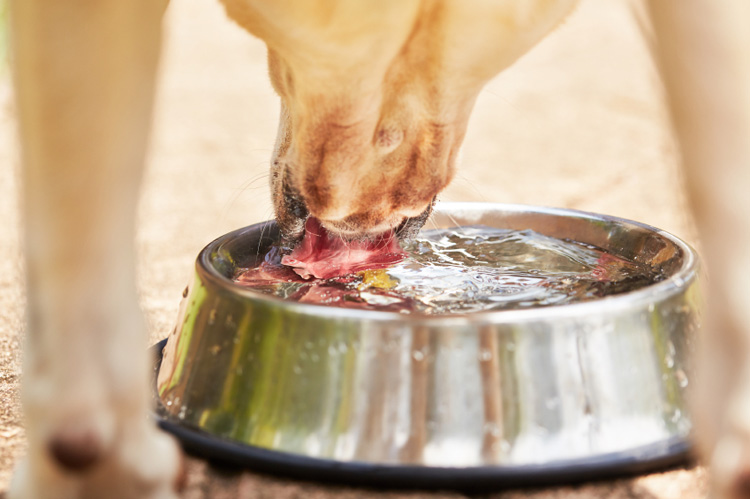
Choosing to provide your dog with filtered water is a personal decision. As a general rule, if pet owners are drinking filtered water, then their dogs probably should too. With so many different types and brands of dog water filters, it can be hard to choose the right one to buy for your dog. Below, I share tips on choosing a water filter that benefits you and your dog. And yes, I’ve used each one of these personally.

Types of Dog Water Filters

Reverse Osmosis Water Filter

By far, reverse osmosis water filter system is the easiest way to get filtered water. It’s basically always available. Pet owners can purchase reverse osmosis units from local hardware stores and install themselves. If you’re not particularly handy, there are companies that can install the system for you.

Pros

  • Continuous supply of filtered water.
  • Filters are changed yearly.
  • Easy installation and access to new units from local hardware stores.
  • Works great for larger dogs or homes with multiple dogs.
  • Great tasting water.

Cons

  • Units can cost between $150-$300.
  • Filters can cost $50-$80.

Carbon Water Filters

Carbon water filters are available in many different formats. Some attach to kitchen faucets, some are built into refrigerator water systems and others are attached to water containers. All varieties can be easily found at your local hardware center or large retail chain.

These products contain carbon filters, which remove some harmful bacteria, chemicals and trace metals. Some brands remove fluoride and chlorine while others don’t, so always research each brand before purchasing. If you have large dogs, a carbon water filter is neither cost nor labor effective. As for taste, I think the reverse osmosis system does a much better job.

Pros

  • Water filters and replacements are easy to find and purchase.
  • Extremely easy installation.
  • Price is low to moderate, depending on unit purchased. (Under $50.)

Cons

  • Doesn’t remove all harmful bacteria, chemicals, fluoride and chlorine.
  • Must replace filters often; sometimes monthly.
  • Neither cost nor labor effective for large dogs or multiple dog homes.

Dog Water Fountains

Yes, there really are dog water bowls that filter water continuously! I was a bit skeptical at first, but having dogs that refuse to drink water if a blade of grass was floating in it, I purchased one immediately.

Dog water fountains contain carbon filters and water is constantly recycled through the attached water filter. Not only is tap water filtered, but water is also automatically filtered after your dog drinks, removing grass, dirt, hair or whatever else your dog may have come into contact. Keep in mind, some water filters can be noisy, which can scare some dogs away from the water bowl.

My favorite dog water fountain brand is Drinkwell Zen Fountain by Petsafe. I highly recommend stainless steel or glass bowls because they’re less likely to cause allergic reactions (see details here). Having a large dog, it’s difficult to find bowls that my dog doesn’t trip over or take up too much space in my home. However, the Drinkwell Zen Fountain bowl was a great solution for this problem. For homes with multiple small dogs, I highly recommend the Drinkwell 360 Multi-Pet Stainless Steel Fountain.

Pros

  • Products are easily accessible online or at large pet retailers.
  • Extremely easy installation. All you have to do is fill the bowl with water, then plug it in.
  • Most dogs enjoy drinking from it; you’ll soon notice dogs licking water from the running fountain.

Cons

  • Cost ranges between $50-$110, depending on the size you choose.
  • Water filters need to be replaced often; sometimes monthly for large dogs or multiple dog households. Costs range between $5-$10.
  • You have to add water to the fountain daily. If water levels dip, the system will make a horrible sound, which can scare dogs. Plus, it will ruin the device.
  • Some dogs refuse to drink out of them. I had one dog that refused to walk into the kitchen once we installed our fountain, so choose a quiet version.

Regardless of the water filter you choose, providing your dog with filtered water is the right thing to do!

Filed Under: Equipment, Health, Resources Tagged With: best dog water fountain, best water filter, best water filter for dogs, dog water dispenser, dog water filter fountain, dog water purifier, giving your dog filtered water, pet water fountain, petsafe water fountain, should you give your dog filtered water, water filters dog

Best Furniture Ramps for Dogs

December 22, 2015 by Fanna Easter

How to Choose a Furniture Ramp for Dogs

Dog Ramp for Bed
MilicaStankovic/iStock

If you share your home with small or elderly dogs and they enjoy snoozing in your bed or on furniture, then you’ve probably researched dog ramps. Choosing a good furniture ramp for dogs is not hard. It’s flat overwhelming instead. With so many choices, which dog ramp is best for you and your dogs?

I know it’s hard to resist a chocolate wood stained dog ramp that would look glorious next to your bed. However, before pulling out your credit card, make sure a ramp will work for your dog’s and your home’s needs first.

Decide on Ramps or Stairs

Overall, ramps are easier for dogs to navigate on than stair-type ramps. Walking up and down stairs causes dogs to hop up from stair to stair, which can cause pain and injury, so stick with ramp-style options. Steep ramps are hard to climb up or down on, so find a longer ramp that slowly declines downward.

Ramps for Small Dogs

For little dogs, the sky is the limit on choosing a furniture dog ramp. Just make sure your chosen furniture ramp is wrapped in non-skid material and wide enough that your dog won’t fall off while navigating. If your little dog likes to jump off ramps, I highly recommend choosing one with side rails because little dogs can most certainly hurt themselves jumping off anything.

RELATED: 3 Reasons Why You Need Non Slip Socks for Dogs

Ramps for Large Dogs

Larger dogs need sturdier furniture ramps due to their heavier weight, wider body and longer body length. Stay away from stuffed wedge-type ramps. They’ll crumble and fall under the weight of larger dogs (50 pounds and over).

Measure Your Space First

If you’re like me, space is minimal when living in the city. While we all want a gorgeous wide, long dog ramp, the ramp we choose must fit into a small place first. Plus, if you’re looking for a ramp for large dogs, you really need to do your homework.

Dog Ramp for Beds

Usually, furniture dog ramps are positioned at the foot of the bed. This works best for smaller dog furniture ramps. For large dog ramps, sometimes positioning the ramp on the side of your bed–sandwiched between a wall and the bed–is a huge space saver. This way, you and your spouse have access to your bed from the foot of the bed or other side.

Now measure the space, and then start looking for furniture dog ramps at your local pet supply store or online!

Dog Ramp for Couches

For small living rooms, look for dog ramps that can easily fit in front of your sofa. If your coffee table takes up a lot of room, try replacing it with an ottoman instead. Place a furniture ramp next to the ottoman, so once your dog climbs onto the ottoman, he can easily step onto the sofa.

Yes, Furniture Dog Ramps Must Be Cute

Well, at this point, we’ve narrowed down some options for you. If you’re having a difficult time finding a sturdy furniture dog ramp that meets your specifications, I highly recommend creating your own version, especially if you’re crafty. Once you’ve found the perfect dog ramp, check out this article on teaching your dog how to use his new ramp.

For more safe and well-made ramps for dogs of different sizes, check out the links below.

  • This is, by far, my favorite furniture dog ramp because it’s wide with a low slope, contains non-skid material, and lays flush onto the floor and bed. Plus, it’ll hold up to 200 pounds!
  • For DIYers, take a peek at this site. There are many options to choose from, but honestly a creative person can easily make my favorite ramp (listed above) too.

Furniture dog ramps are expensive, so make sure you’ve chosen the perfect one for you and your dog.

Filed Under: Equipment, Resources, Safety Tagged With: bed dog ramp, dog ramp, dog ramps for beds, how to build a dog ramp, indoor dog ramps, sofa dog ramp

  • « Previous Page
  • 1
  • …
  • 7
  • 8
  • 9
  • 10
  • 11
  • …
  • 19
  • Next Page »

About

Dog Training Nation is a community of dog trainers, dog owners and dog lovers. Our mission is to provide trainers and owners valuable information to enrich dogs' lives. We cover a range of topics, from socializing puppies to dealing with aggressive dog behavior to selecting the best dog products. It is our hope you share our content to make the dog and owner world a better place.

​

Facebook

Video

Dog Training Nation is a dog training blog for pet owners and dog lovers. We cover a range of topics from puppy socialization tips to dog aggression to dog health. It is our hope you share our content to make the world a better place for dogs.

Dog Training Nation

Quick Links

Dog Training
Dog Behavior
Dog Training Videos
Become a Dog Trainer
About
Contact Us

Copyright © 2026 · Lifestyle Pro Theme on Genesis Framework · WordPress · Log in